
Service
Label Design
Labels that communicate your brand at a glance.
Your label is your brand's handshake with the consumer. We design labels that immediately communicate quality, trust, and differentiation — while meeting all regulatory and print requirements.
Quick Answer
Label design creates print-ready pressure-sensitive label artwork for bottles, jars, tubes, and cans — covering compliance panels, barcode specification, and substrate-matched print files delivered in the format your label printer requires.
What's Included
Everything delivered, as standard
Every Label Design project includes these deliverables — no extras, no upsells, no surprises.
Packaging expertise across
7 product categories
Supplements
Food & Beverage
Cosmetics
CBD
Wine & Spirits
Pharmaceuticals
Home & Garden
Label Design
Labels that communicate your brand at a glance.
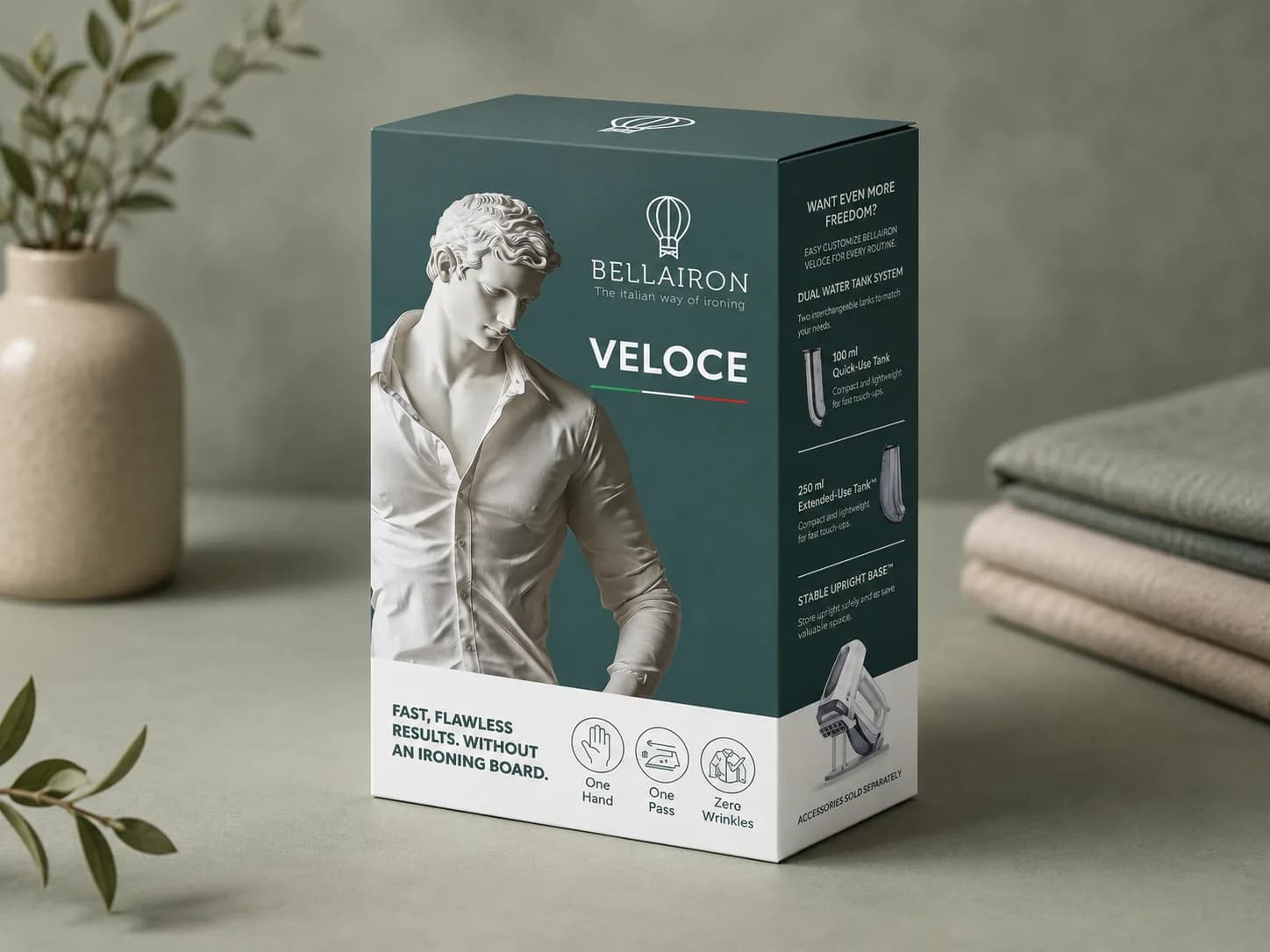

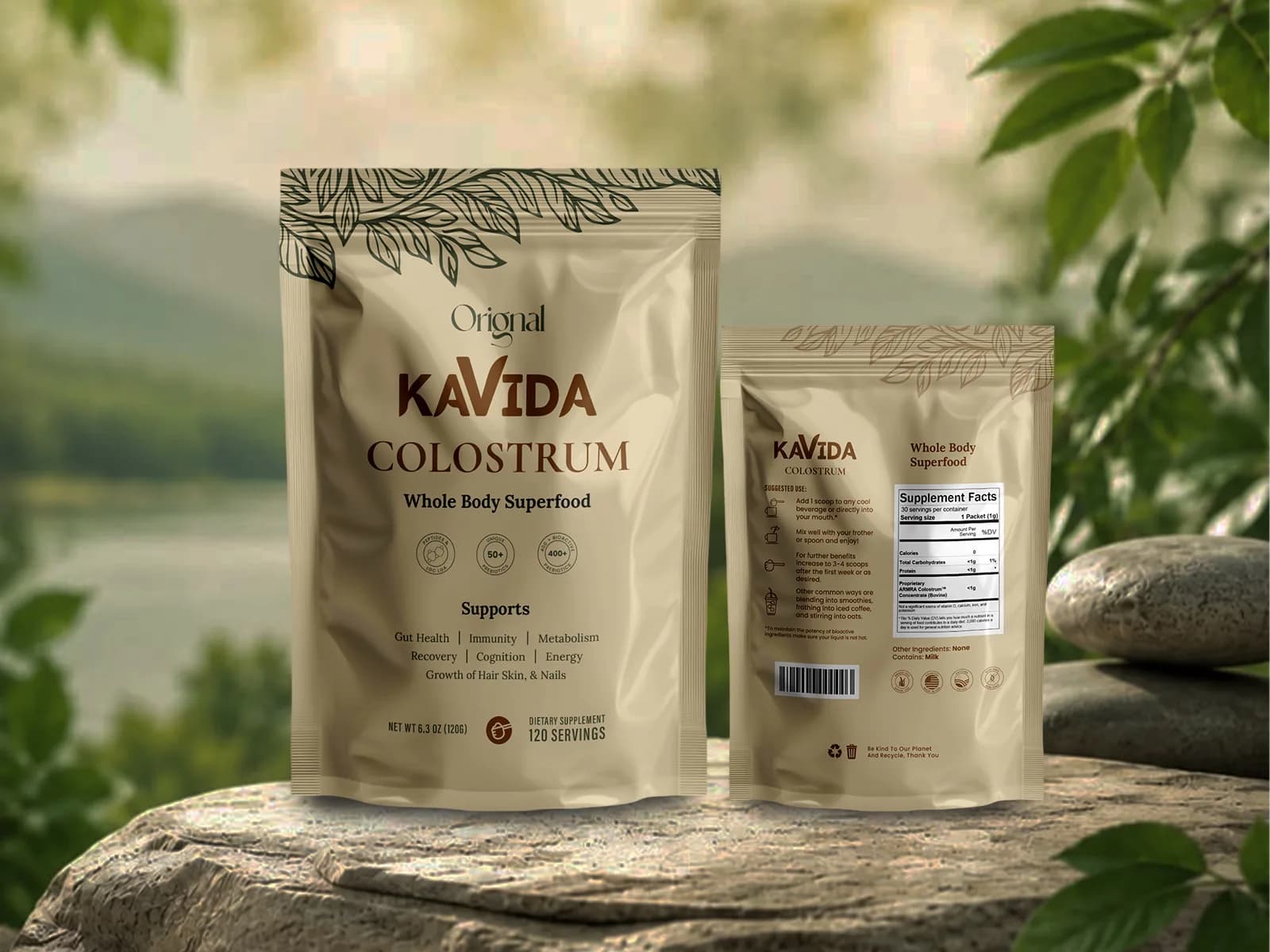
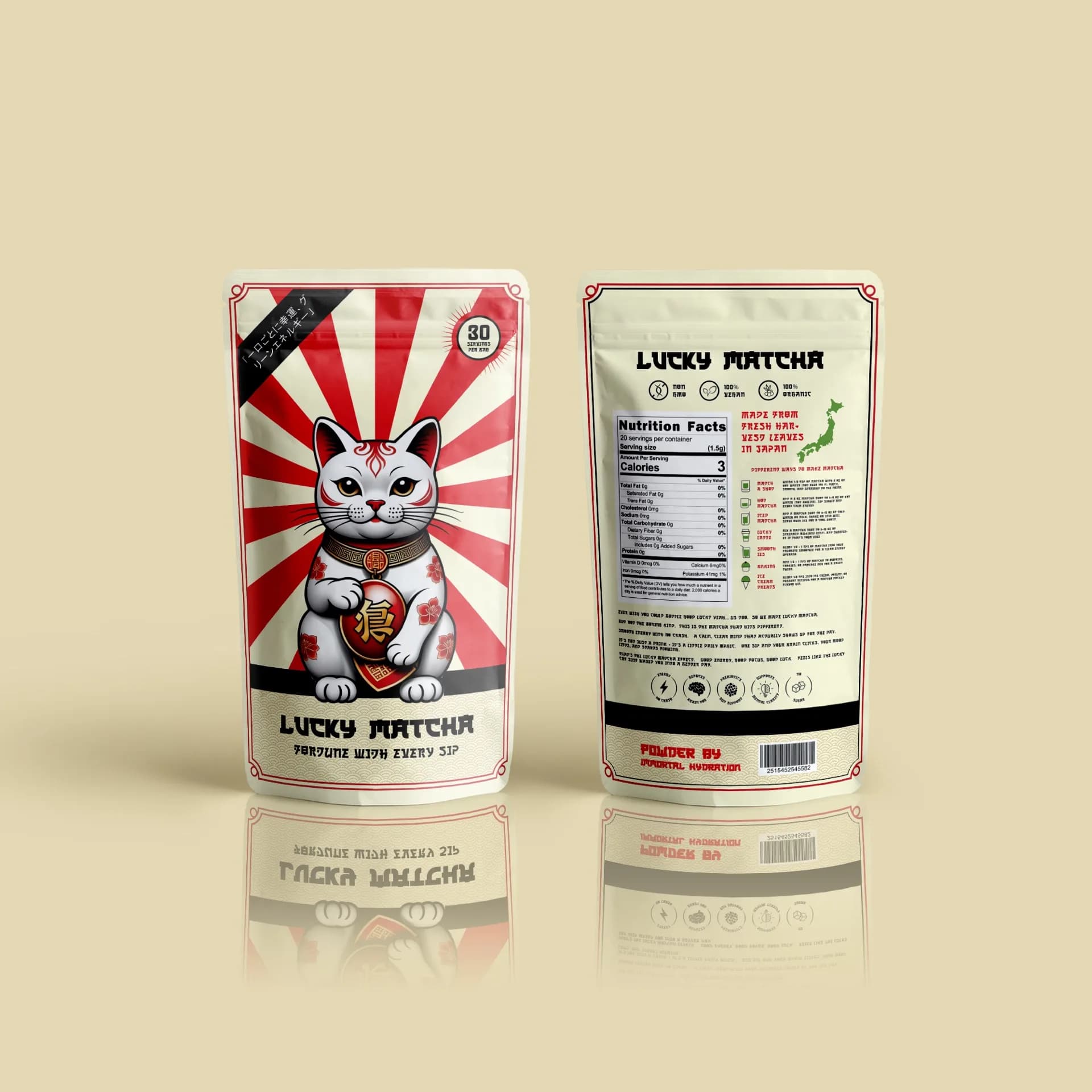

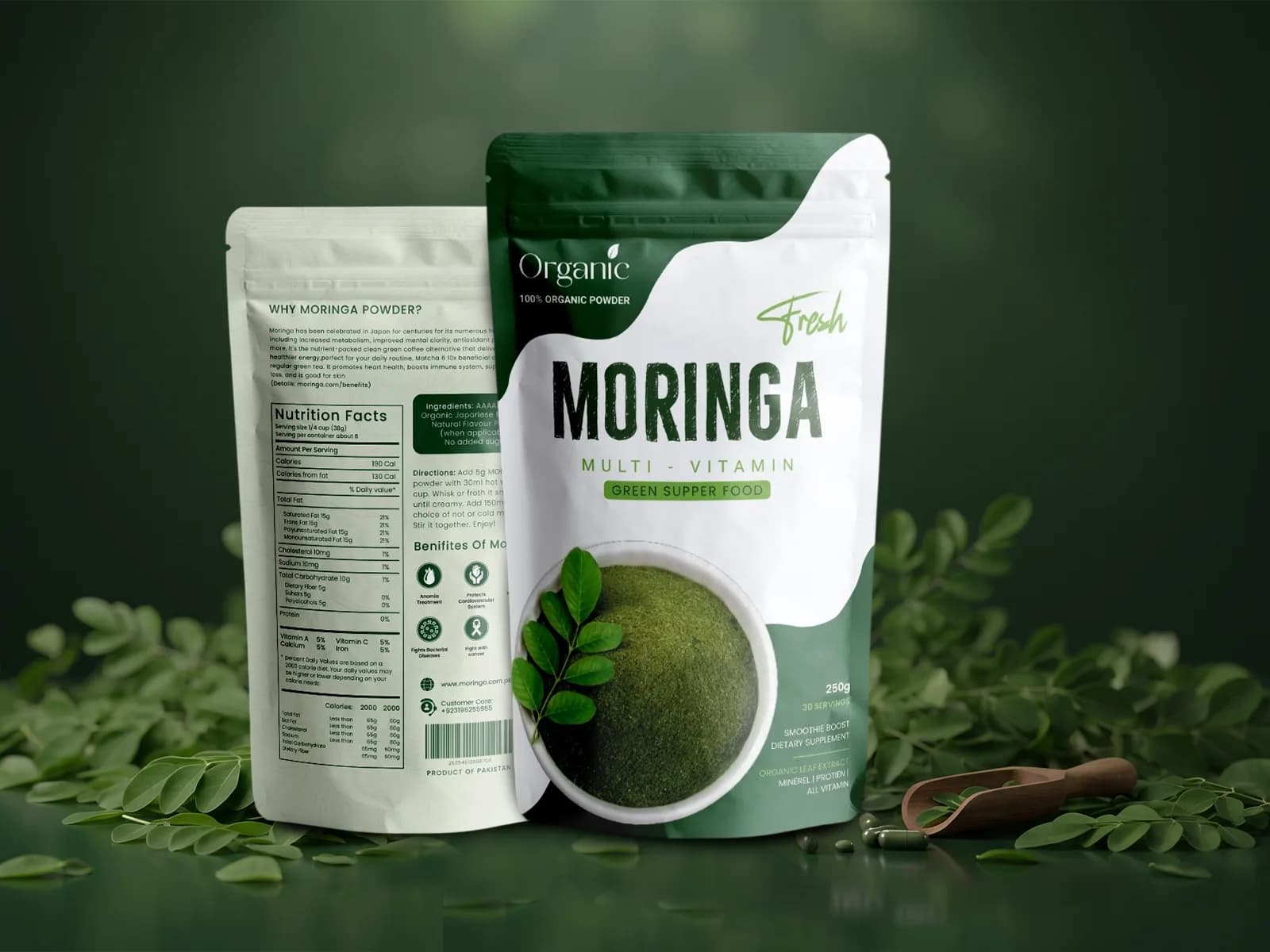
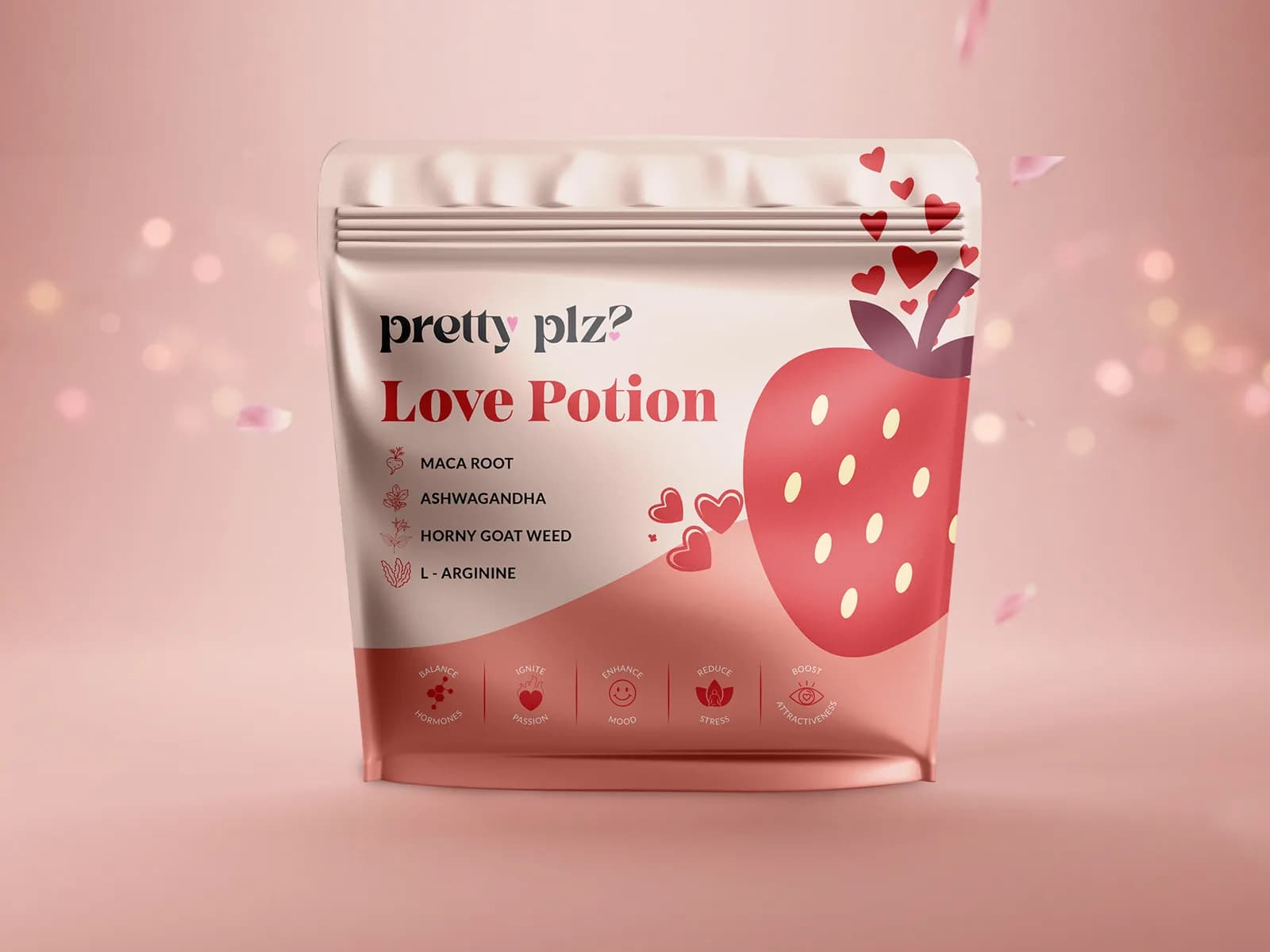
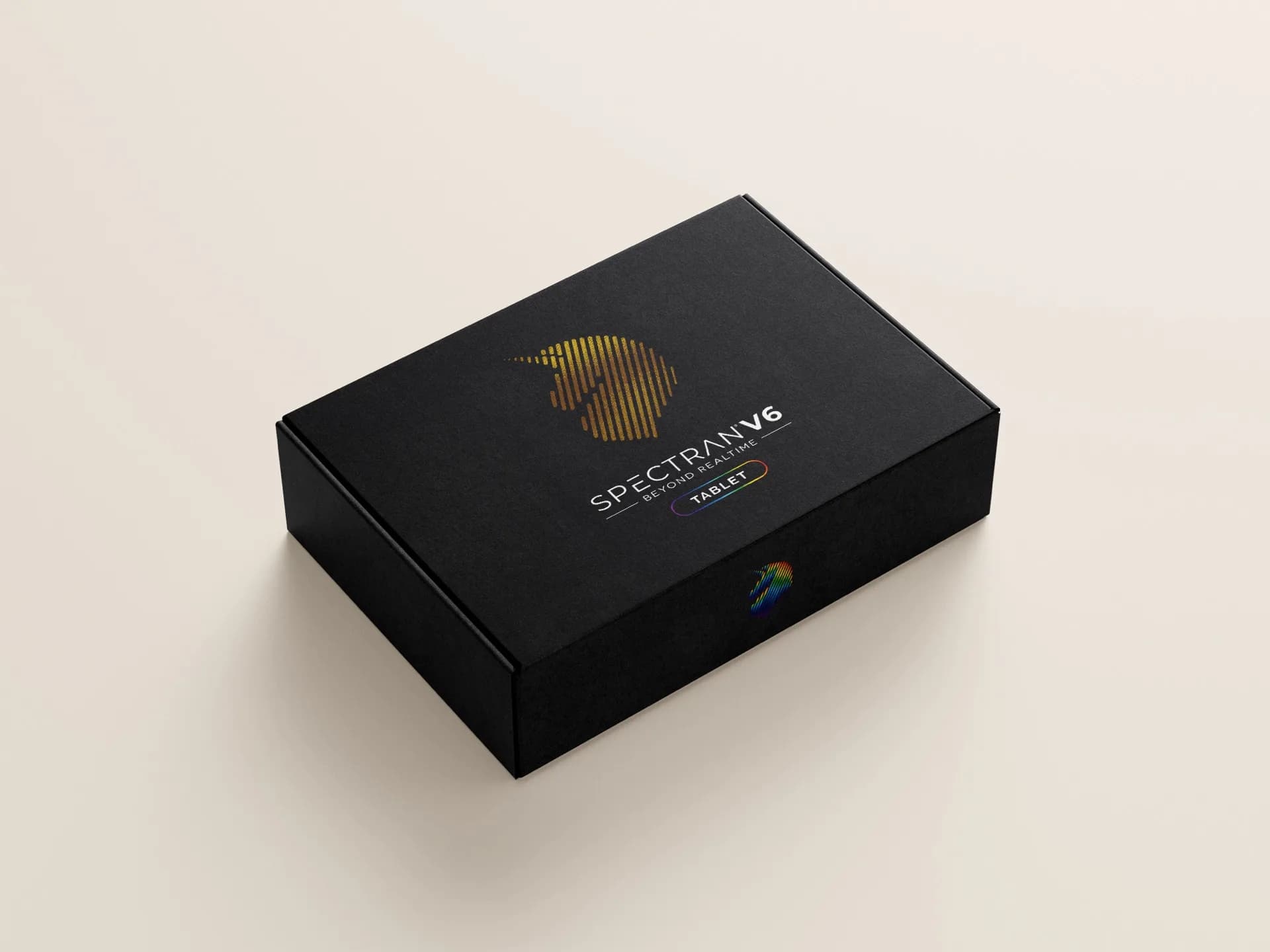
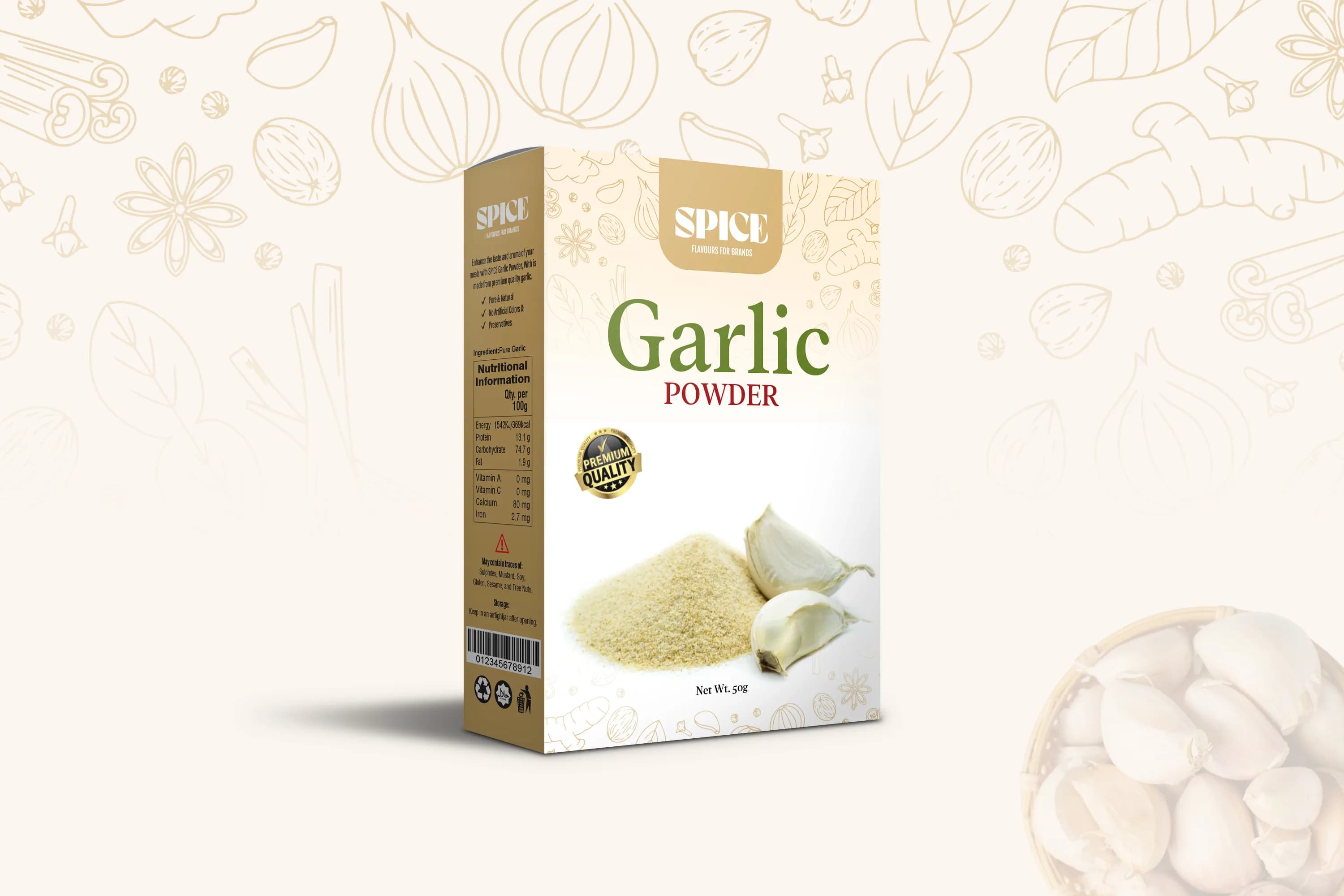
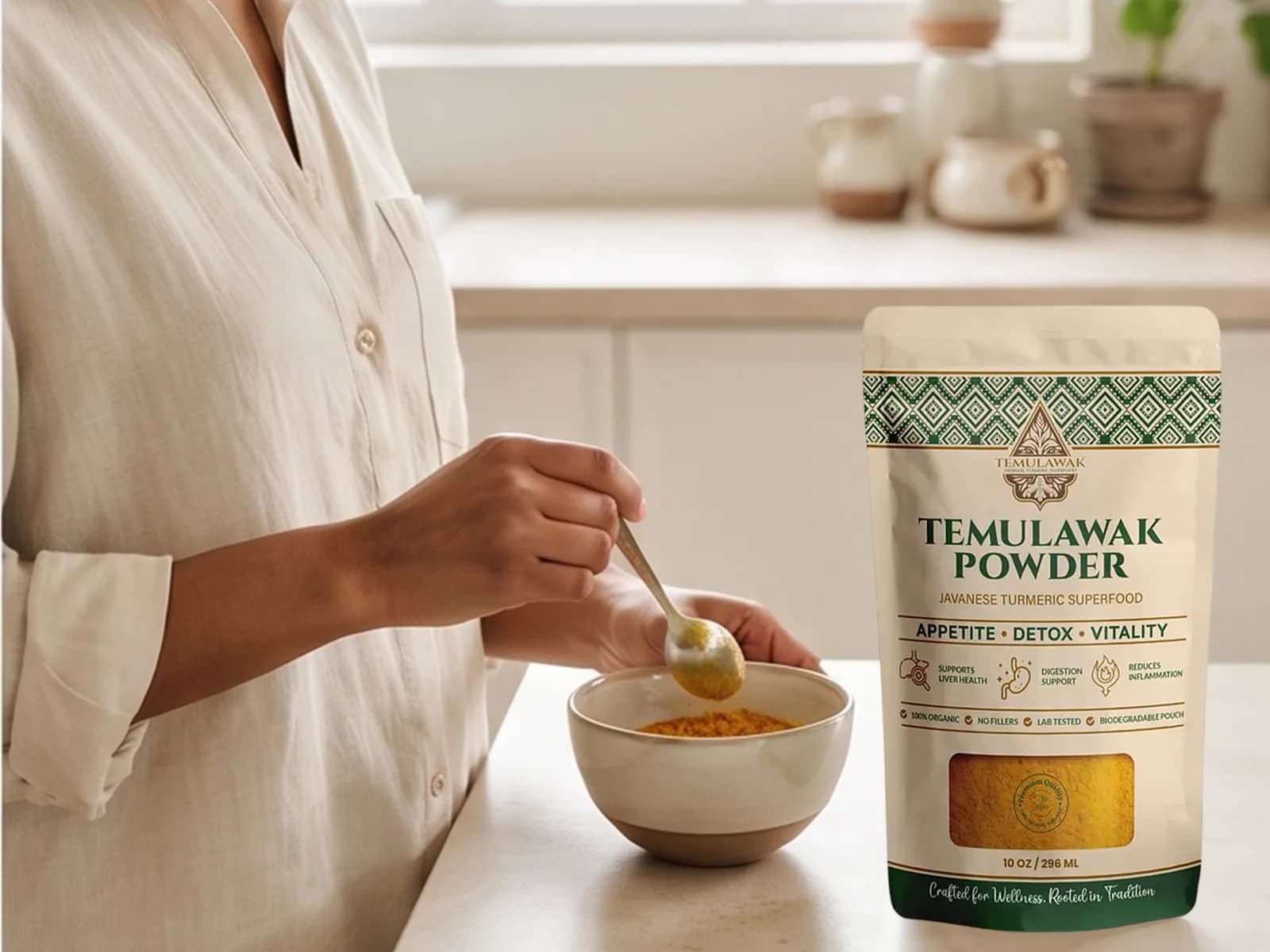
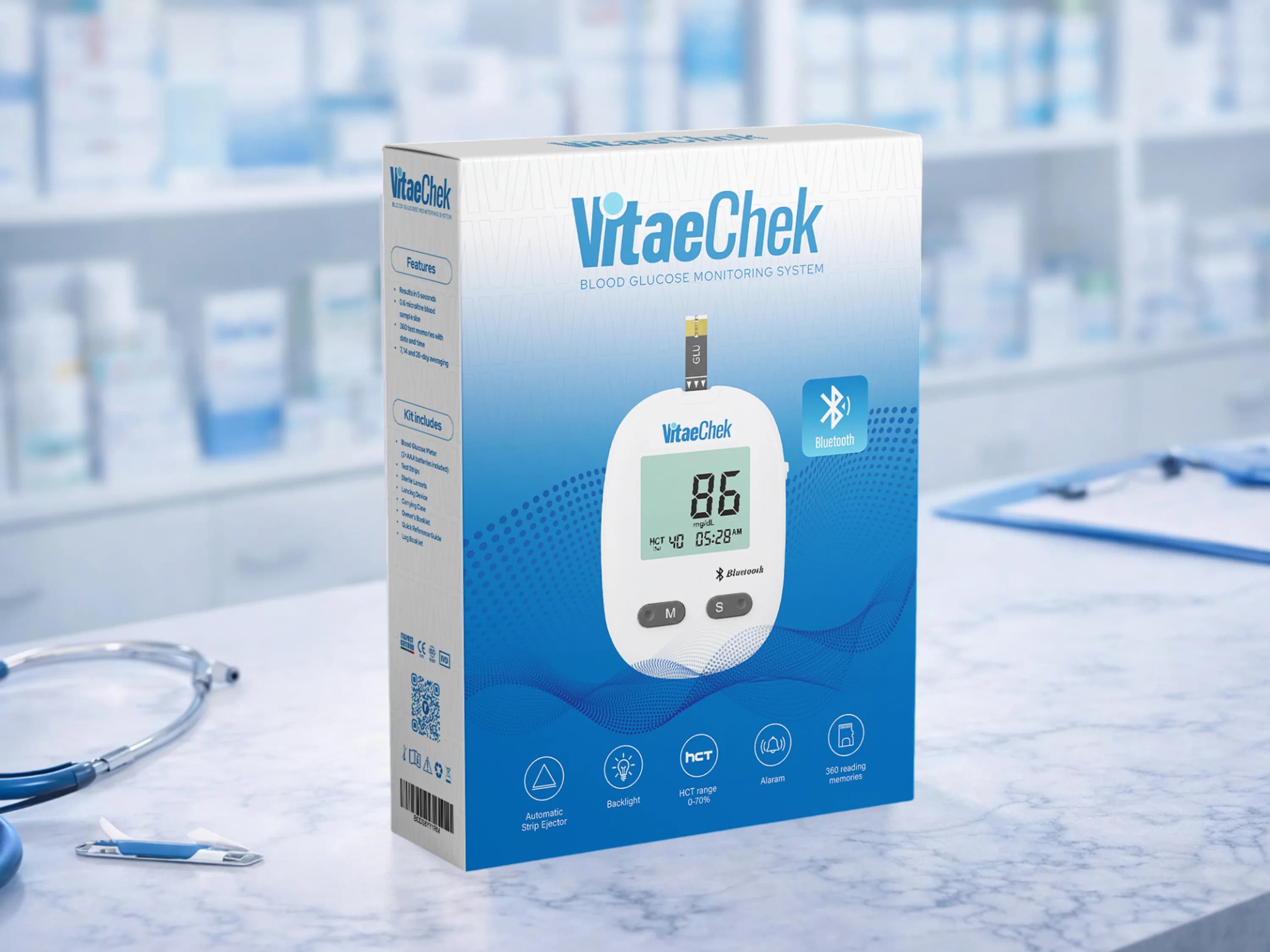
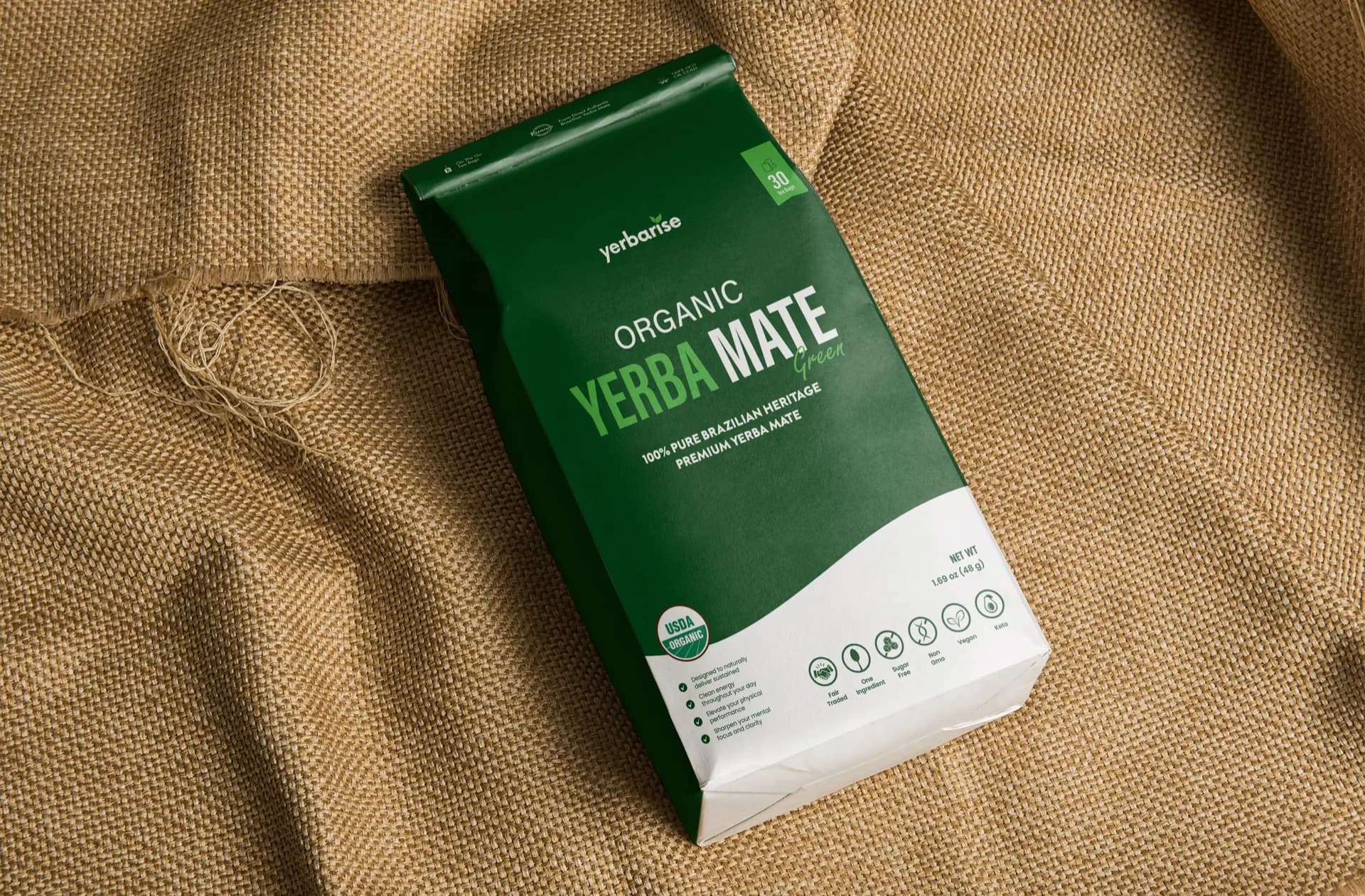
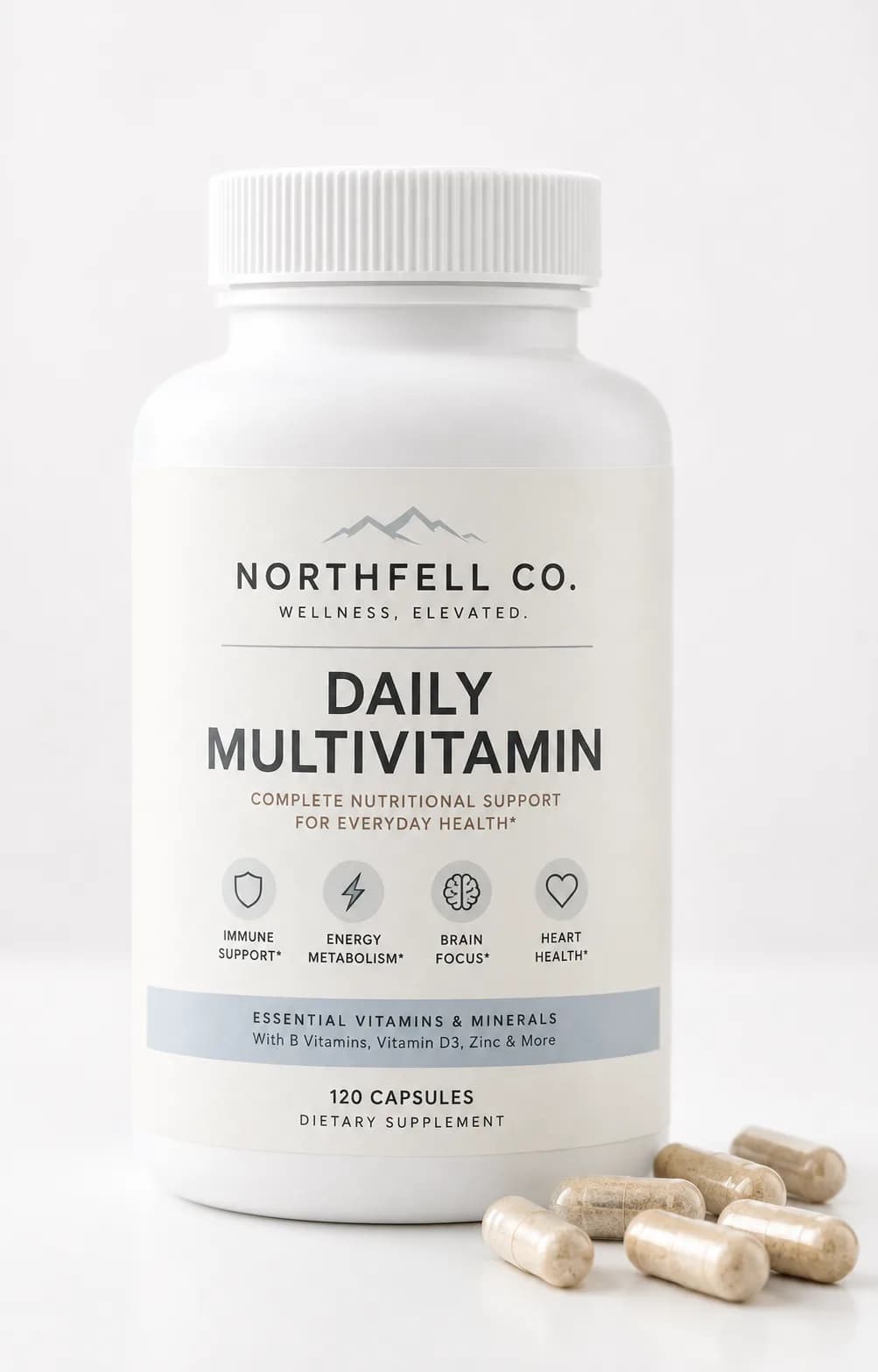
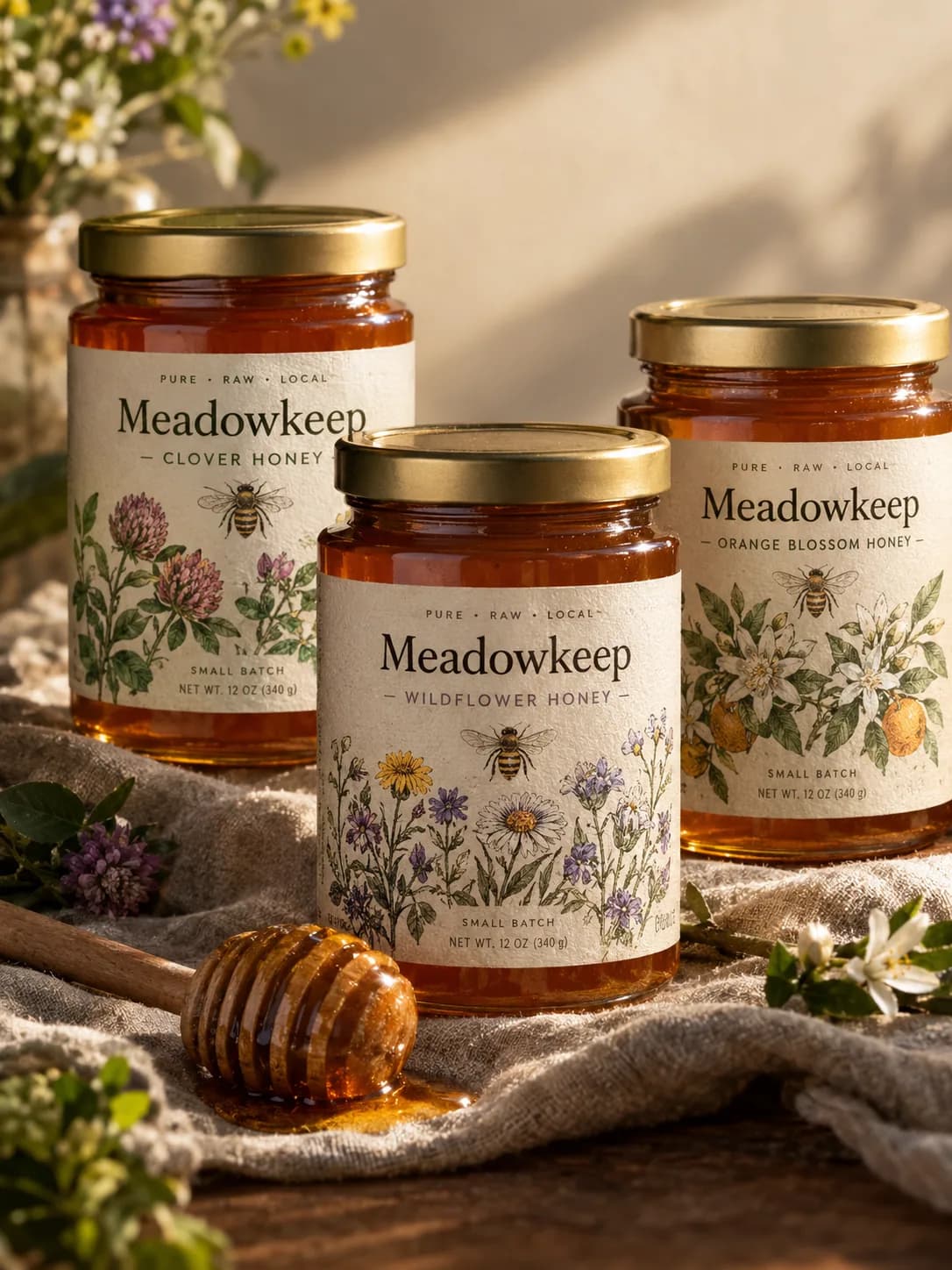
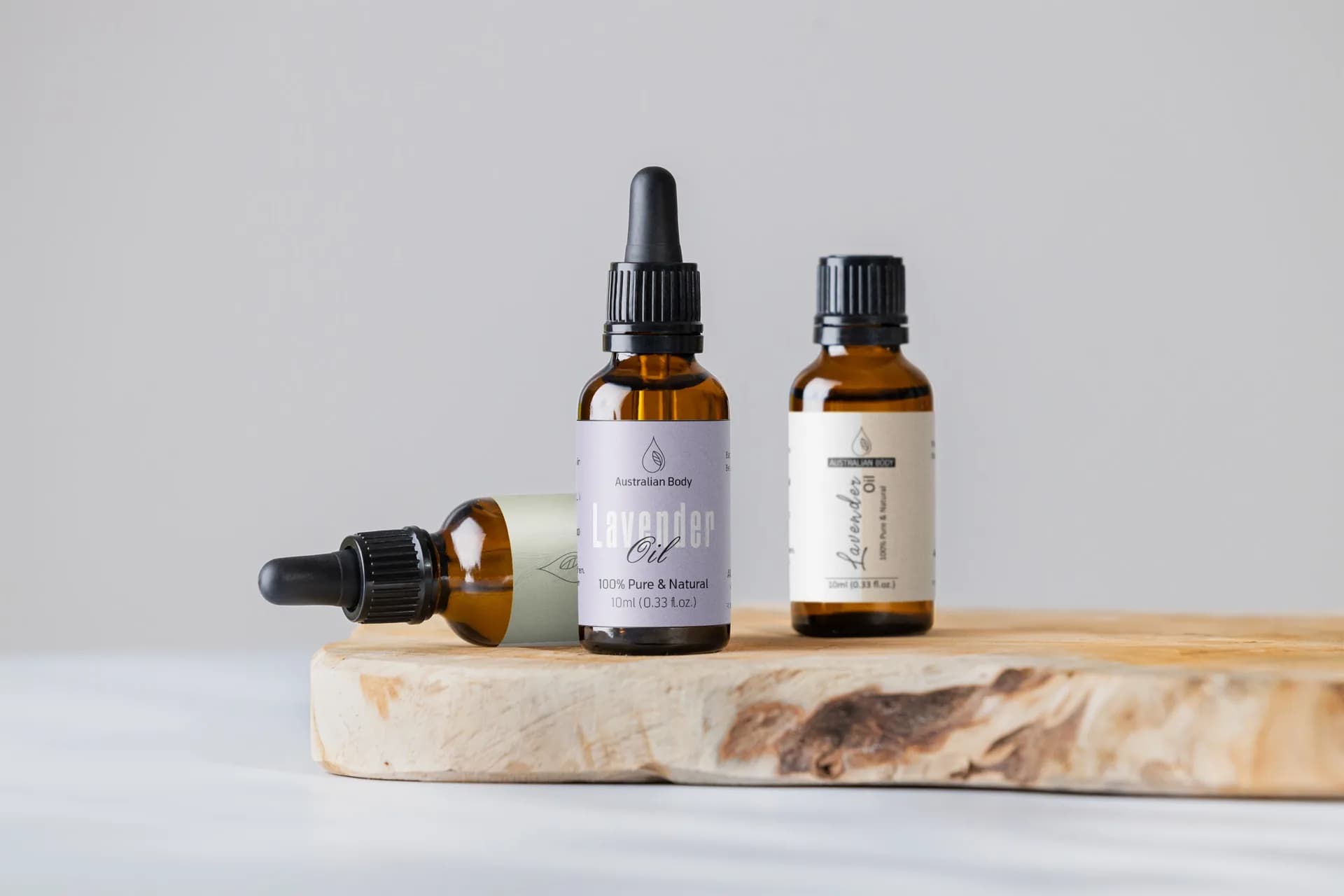
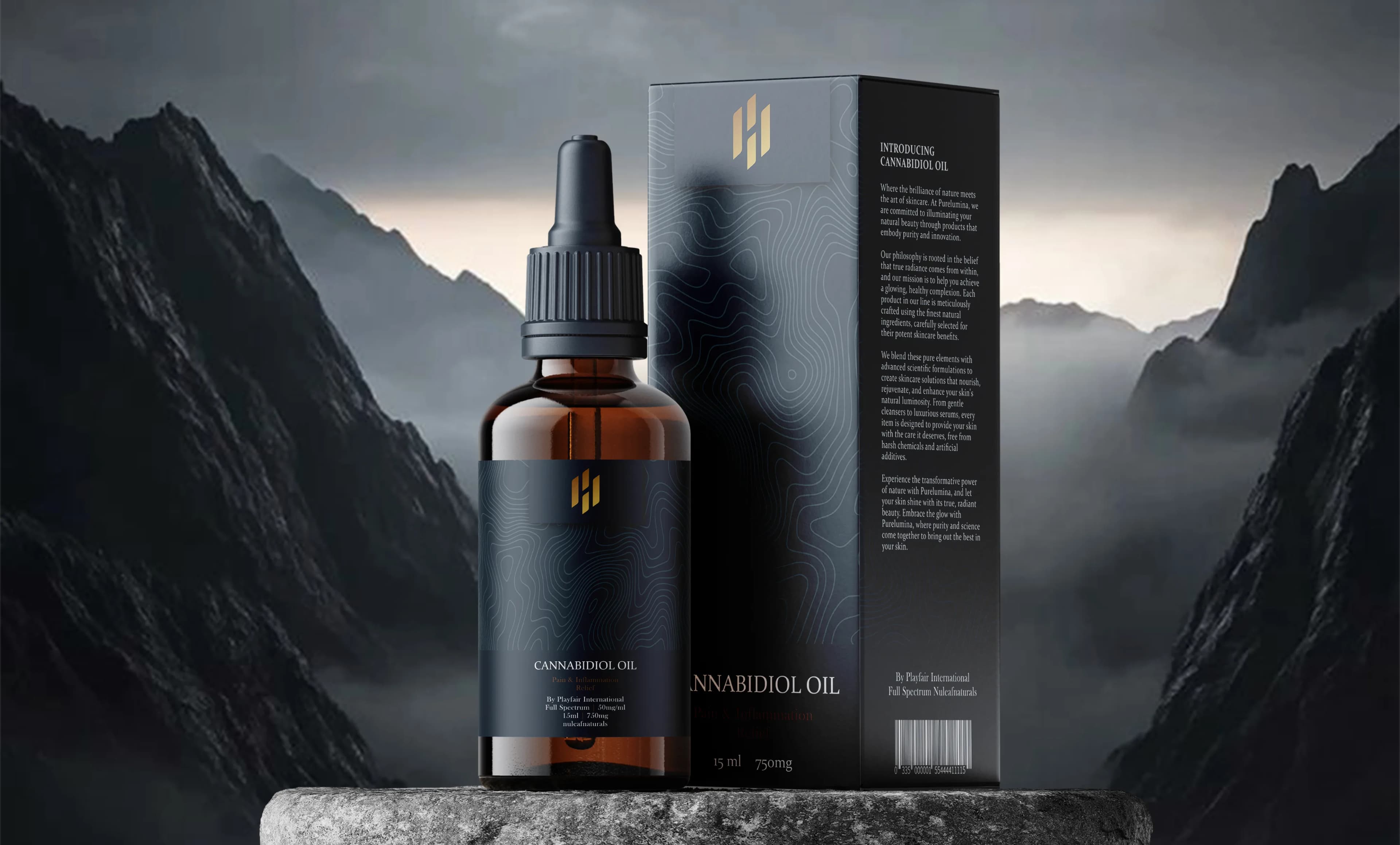
We're always-on to deliver the
packaging you want, when you need it
Print-ready label files (AI, PDF)
CMYK and Pantone specifications
Dieline template
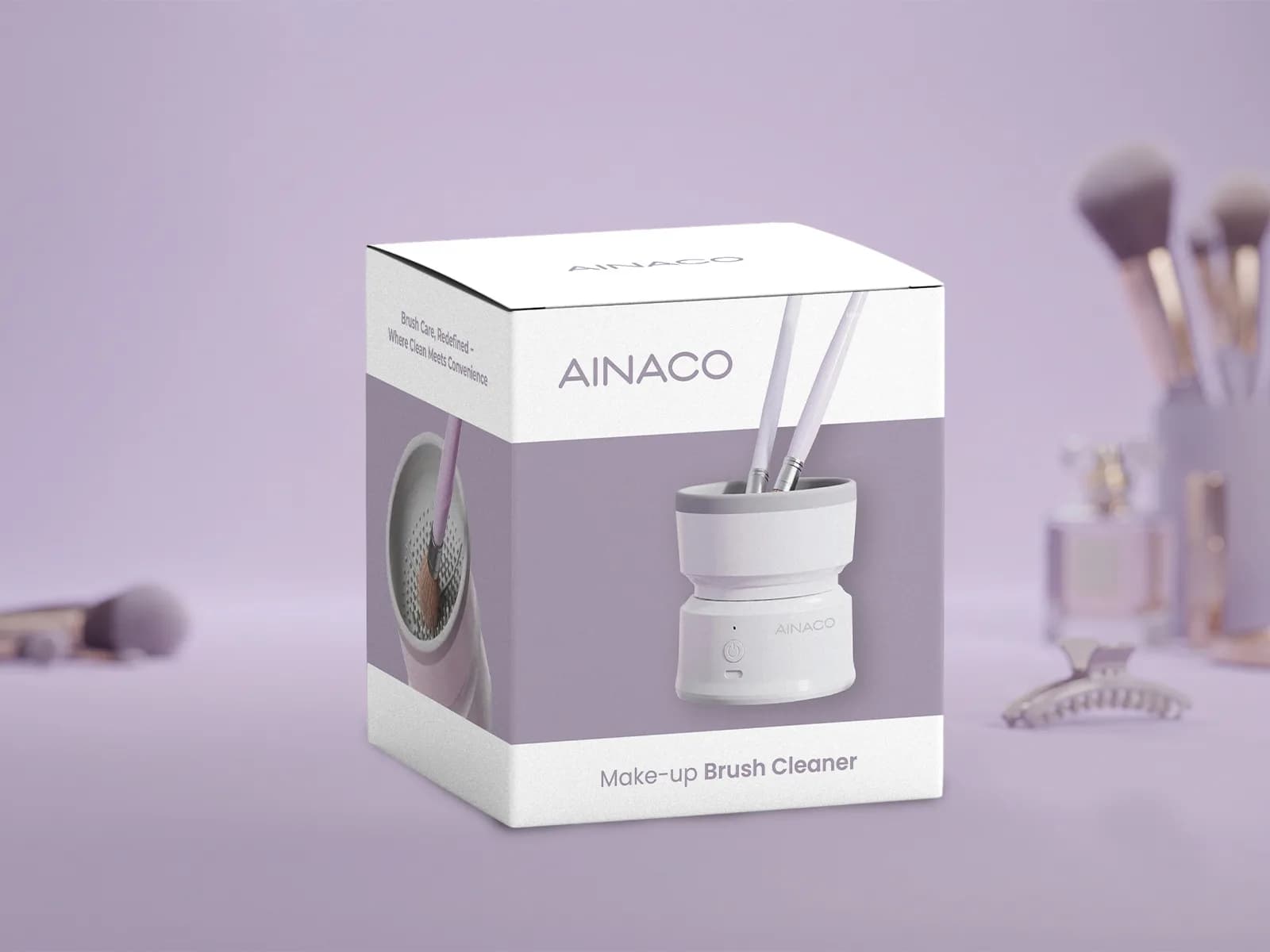
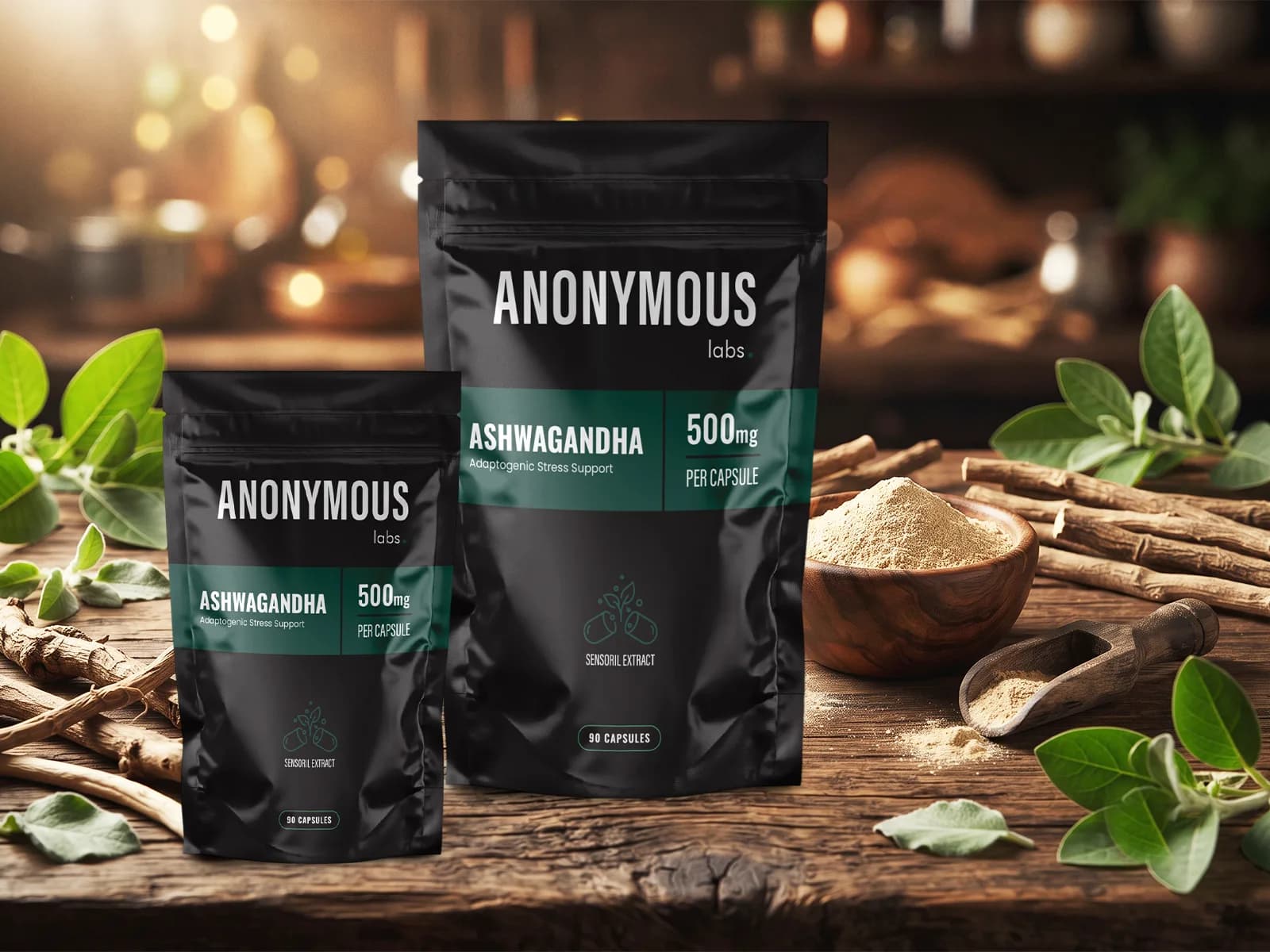
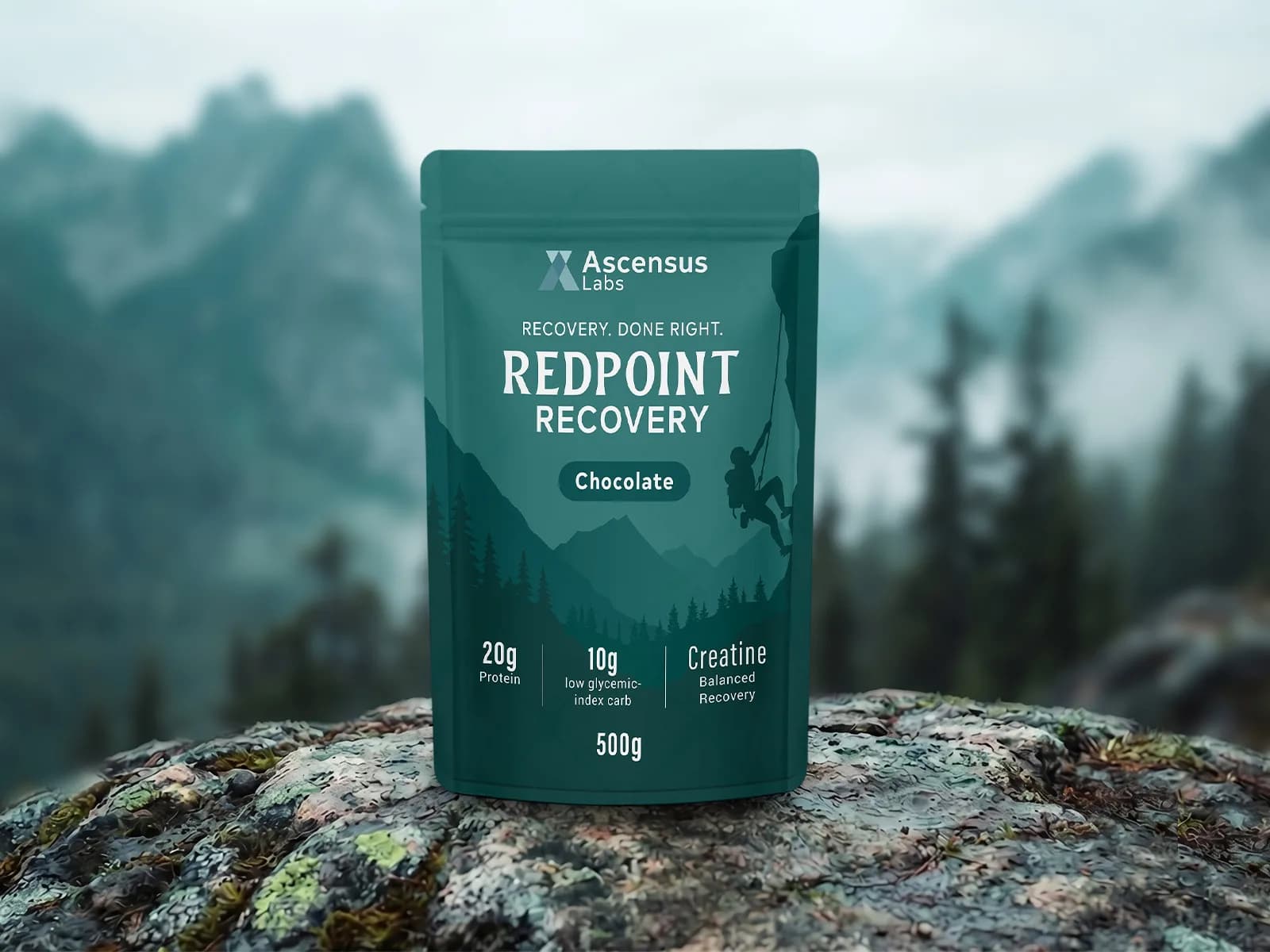
Mockup renders
Print specification notes
Label Design: The Complete Guide
A complete reference for brand managers, designers, and marketers making packaging decisions.
What label design actually covers
The full scope of label design
The challengeBrands assume label design means one format. In reality it covers pressure-sensitive adhesive labels, shrink sleeves, cut-and-stack wet-glue labels, in-mould labels, and tamper-evident neck bands — each with different production specs, artwork specifications, and compliance requirements by category.
Our approachWe identify the correct label format for your container, product category, and production volume before any creative work begins — because the format determines the artwork spec, print process, and what's technically achievable in the design.
Specification determines design
The challengeMost brands treat print specification as a secondary concern. In reality it constrains every creative decision: print process constrains colour gamut, substrate determines ink adhesion, adhesive determines minimum panel sizes, container material affects how much the label stretches on application.
Our approachWe lock substrate, print process, and adhesive specification before creative work begins — because working in the wrong technical constraints produces artwork that looks right in the studio and wrong on the finished product.
The Process
Label types and their technical requirements
Pressure-sensitive (self-adhesive) labels
The most common label type for retail products. A pressure-sensitive label is a multilayer construction: face stock (paper, film, or foil) + adhesive + liner. Face stocks range from uncoated matte paper through semi-gloss and gloss coated paper, to transparent BOPP, white BOPP, and metallic films. Each has different ink receptivity, different stretch characteristics, and different visual effect on press. The adhesive is selected for the container material, storage temperature, and required removability. Permanent adhesives for cold-store products differ from those for ambient shelf products.
Shrink sleeves
Full-coverage graphic element applied by heat shrink around a container. Because the sleeve covers the entire container surface, it enables 360-degree design and eliminates the need for a separate back label. The artwork must be distortion-mapped to account for the predictable way the sleeve distorts when heat is applied around a three-dimensional shape — artwork that appears correct in flat form will shrink non-uniformly across curved areas. The shrink percentage varies by print direction (machine direction vs. transverse direction) and must be specified for the exact container profile.
Cut-and-stack wet-glue labels
Traditional wine, beer, and spirits labels. Printed in large sheets on paper stock, cut to individual label shapes, then applied at high speed using water-activated adhesive on bottling lines. Key technical requirements: the adhesive zone must remain free of ink on the back surface, the paper must have sufficient wet-strength to survive adhesive application at line speed, and the print specification must account for the visual difference between label stock and finished print (uncoated label stocks absorb ink differently than coated stocks and produce a characteristically matte, artisanal look that's often desirable in premium beverage).
In-mould labels (IML)
A pre-printed label that is placed inside the mould before plastic injection, blow moulding, or thermoforming — meaning the label becomes part of the container wall during manufacture. Eliminates application steps and produces a visually seamless, no-label-look result on plastics containers. Used in food tubs, dairy packaging, household products, and personal care. Artwork must be designed for the specific moulding process and container shape, with particular attention to how the label integrates at its edges on the finished product.
Compliance
Compliance requirements on labels by product category
Labels carry the compliance burden of whatever is inside the container. A label designer without knowledge of the product category's regulatory requirements will produce artwork that looks correct and fails inspection.
- Food and beverage. Nutrition Facts panel (FDA 21 CFR Part 101, or UK Nutrition Labelling, or EU Reg 1169/2011), ingredient list, allergen declaration, net weight, country of origin, manufacturer statement. Organic, Non-GMO, and health claims each require additional verification.
- Dietary supplements. Supplement Facts panel (21 CFR Part 101.36), structure/function claims with required disclaimer ("This statement has not been evaluated by the FDA..."), net quantity, serving size and servings per container, warning statements where applicable. EU supplements are governed by Directive 2002/46/EC with different nutrient reference values.
- Cosmetics and personal care. INCI ingredient list (Regulation (EC) No 1223/2009 in EU; 21 CFR Part 701 in US), net content, manufacturer/distributor, warnings and contraindications. EU cosmetic labelling requires a "PAO" (Period After Opening) symbol. US cosmetics are FDA-regulated but not pre-approved.
- Pharmaceutical and OTC drugs. Drug Facts panel (21 CFR Part 201) for OTC products. Active ingredient, purpose, uses, warnings, directions, other information, inactive ingredients. Strict font size minimums (6pt minimum for most elements). Tamper-evident packaging required for many categories.
- Household chemicals and cleaning products. GHS (Globally Harmonised System) hazard communication symbols, signal words (Danger/Warning), hazard statements, precautionary statements. US: OSHA HazCom standard. EU: CLP Regulation (EC) No 1272/2008.
Print Processes
Print processes for label production
The print process determines colour accuracy, minimum feature size, and cost at volume. Labels are produced by four main processes, each suited to different run lengths and quality requirements.
- Digital label printing. No plates required. Cost-effective for short runs (500—5,000 labels), variable data, and product development samples. Colour is generally accurate and consistent. Substrate options are narrower than offset or flexo. Best for: small brands, product testing, regional SKUs, limited editions.
- Flexographic printing. Plate-based process suited to continuous web production. Very high speeds and long run efficiency. Colour gamut is narrower than offset but sufficient for most brand colours when colour-matched correctly. Minimum feature sizes (minimum type size, minimum line weight) are larger than offset — reversed text below 8pt can fill in on flexo. Best for: mid-to-high volume production runs.
- Offset lithographic printing. Used for premium short-to-mid run label production and cut-and-stack labels. Highest colour accuracy and finest detail of the print processes. Can achieve finer type sizes and more detailed illustration than flexo. Best for: wine, spirits, premium food, and cosmetics where colour accuracy and detail are critical.
- Combination printing. Many label converters combine flexo printing with rotary screen (for opaque white or special effects), rotary offset (for fine detail elements), and digital (for variable data). Understanding the converter's capability is part of the specification process.
Got Any Questions?



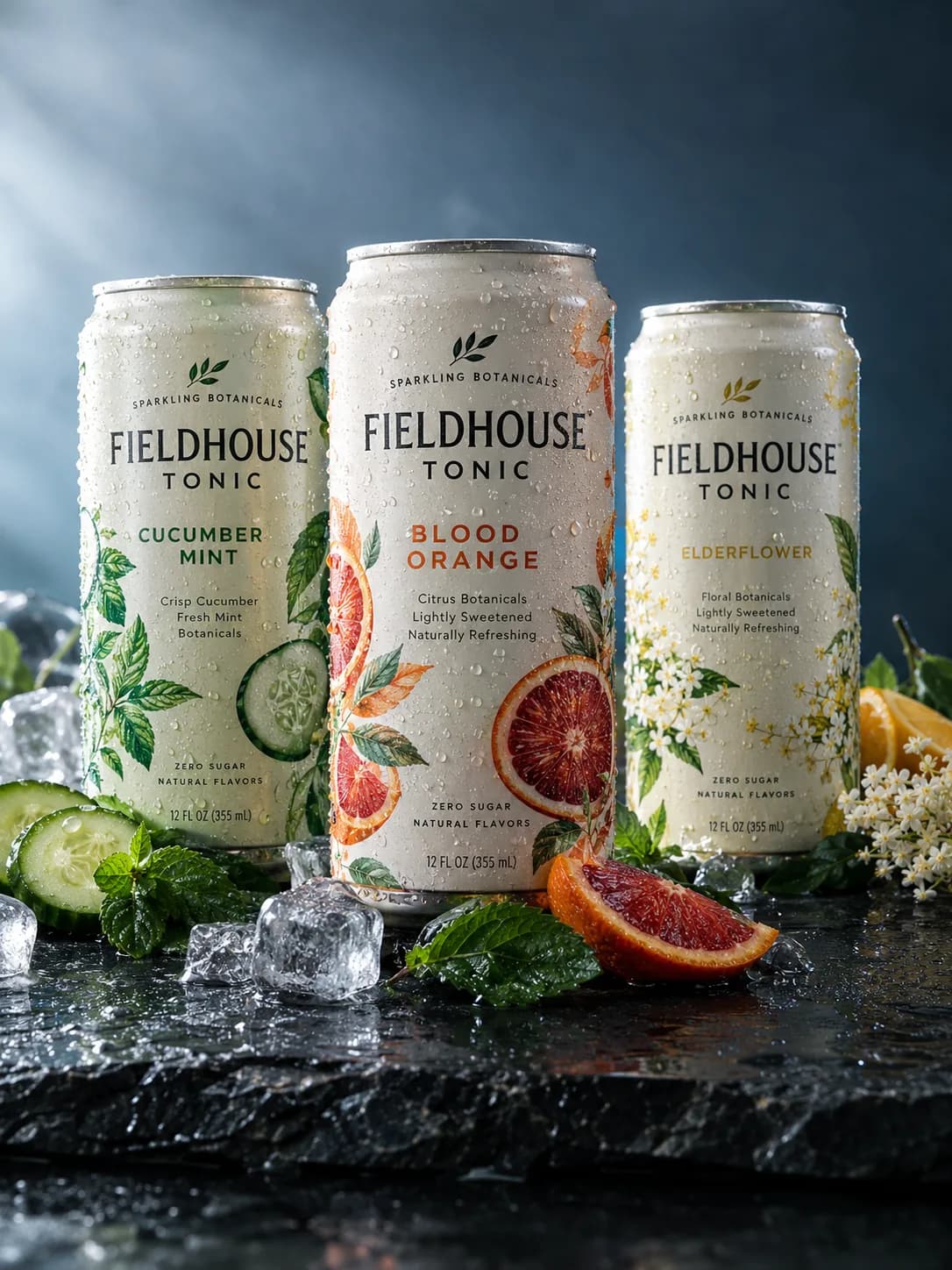

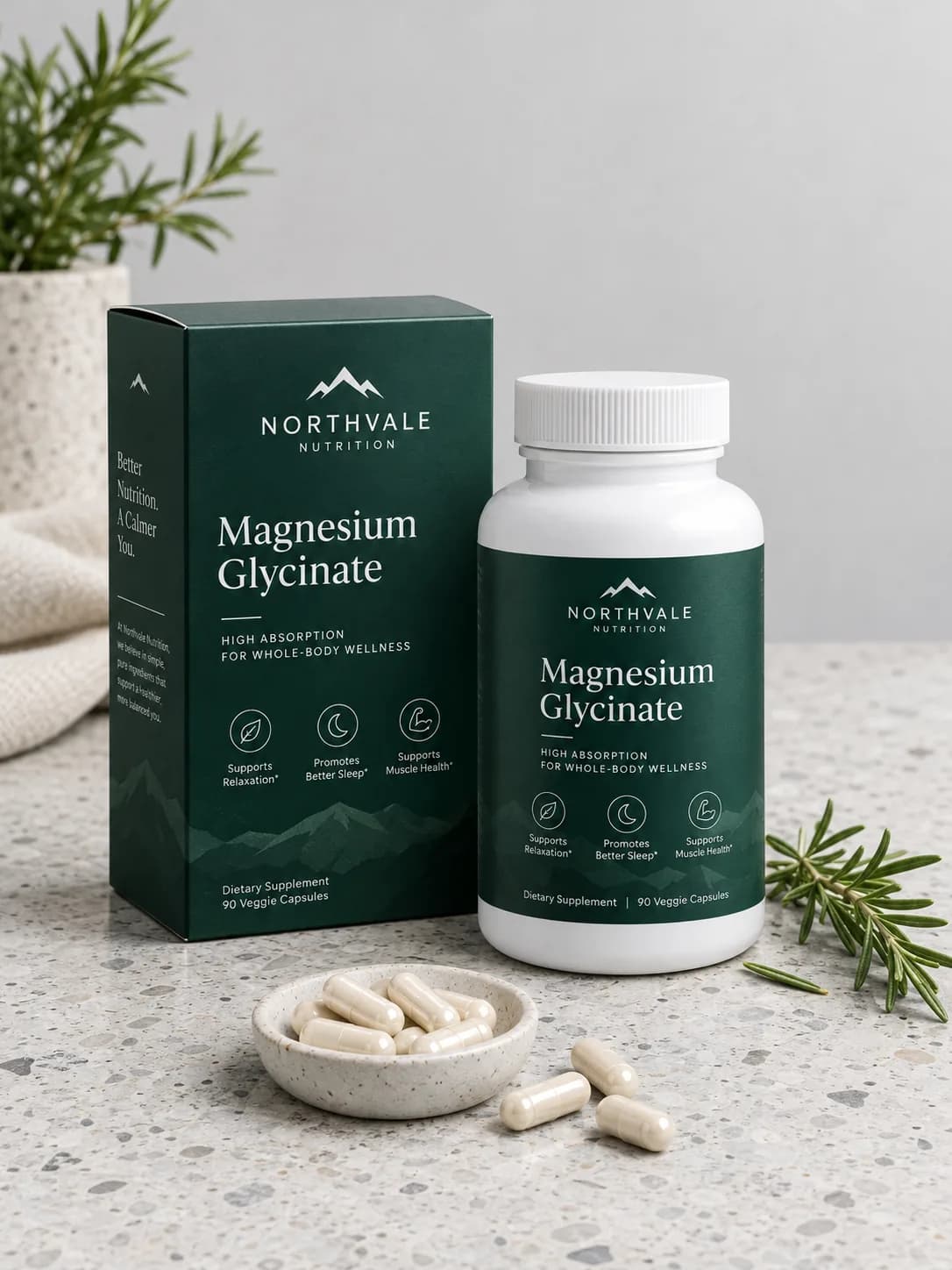
Your packaging deserves
better than “good enough.”
Book a free 15-minute call and we'll scope your packaging together — or send us a message to get started.