
Service
Packaging Consultation
Decisions mapped out before you spend.
Making the wrong packaging decision before production is expensive. We guide you through material selection, printing process choices, supplier evaluation, compliance requirements, and cost optimisation — before a single print run begins.
Quick Answer
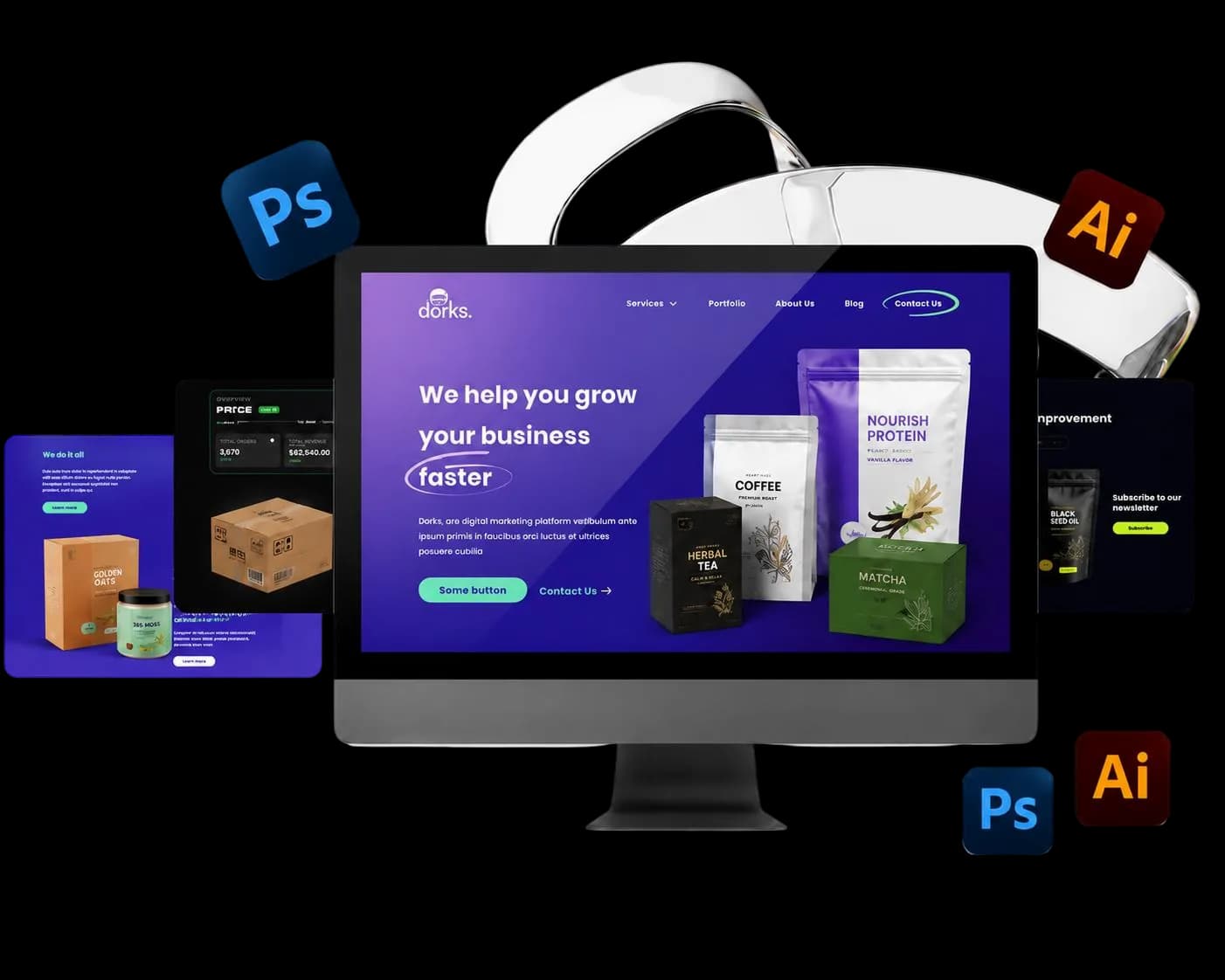
Packaging consultation provides expert guidance on packaging strategy, format selection, print process, material specification, and compliance — without committing to a full design project, giving brands the information they need to make better packaging decisions.
What's Included
Everything delivered, as standard
Every Packaging Consultation project includes these deliverables — no extras, no upsells, no surprises.
Packaging expertise across
5 product categories
Product Startups
Brand Extensions
International Market Entry
Supermarket Submissions
Private Label Brands
Packaging Consultation
Decisions mapped out before you spend.
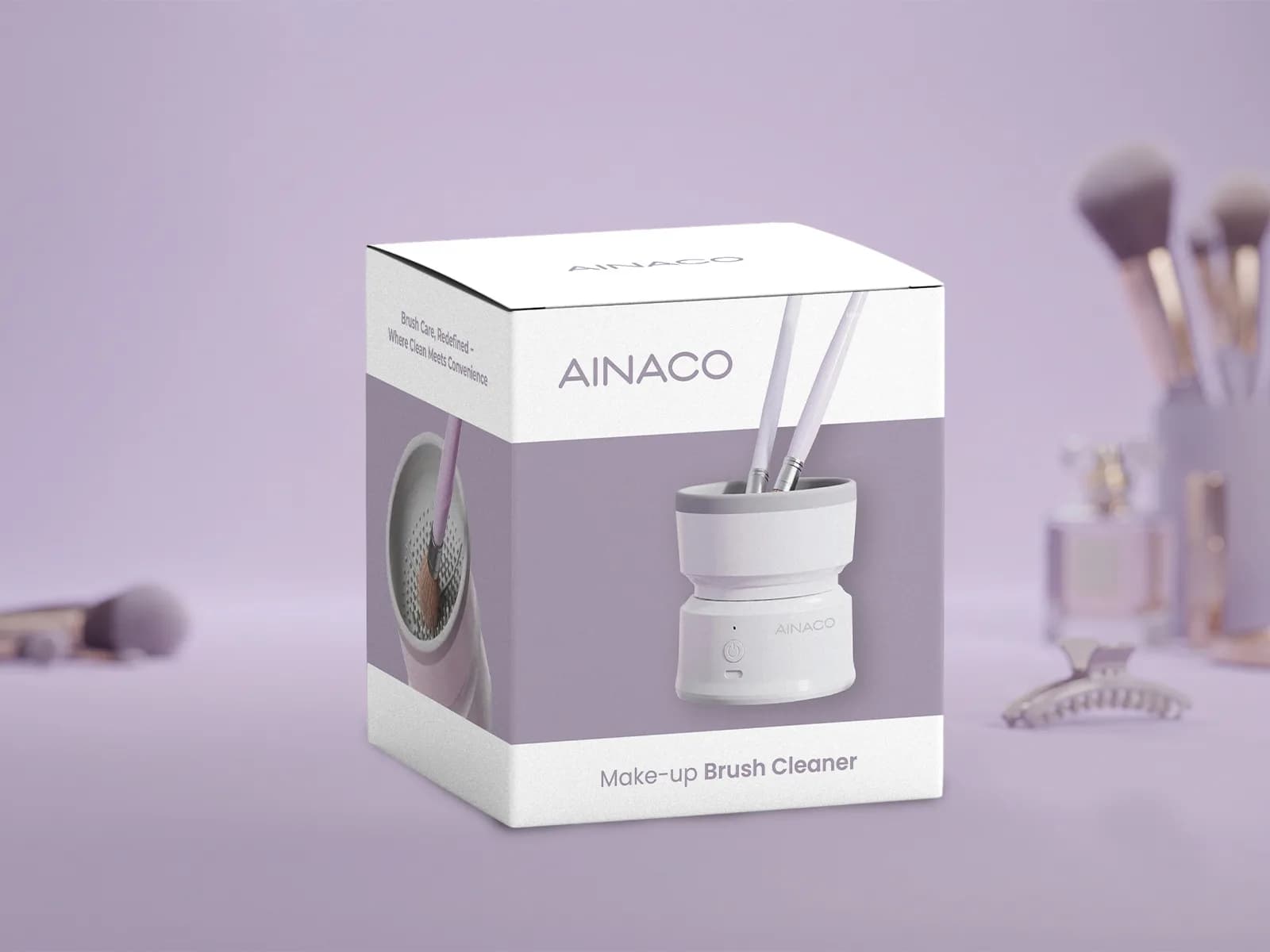
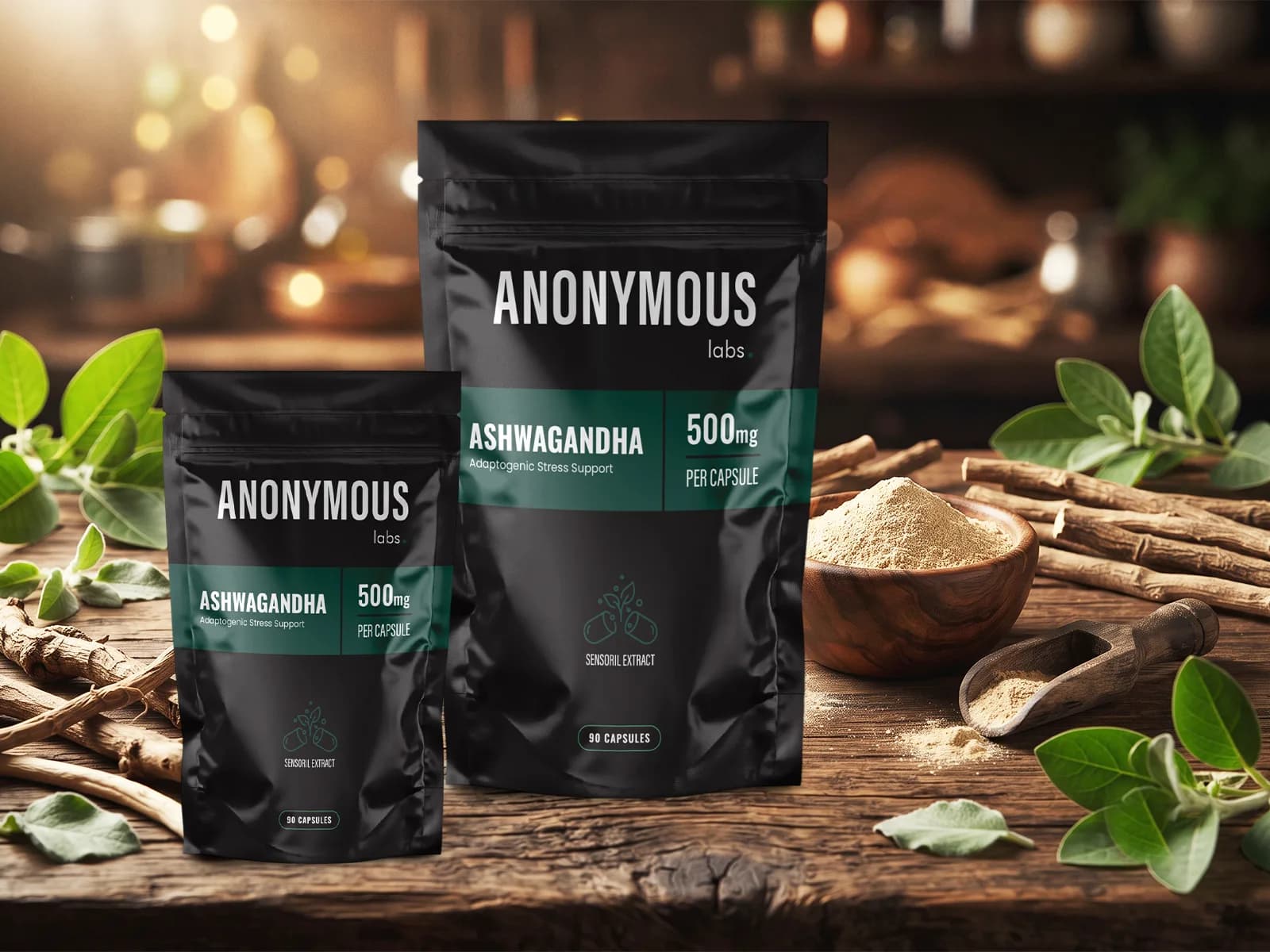
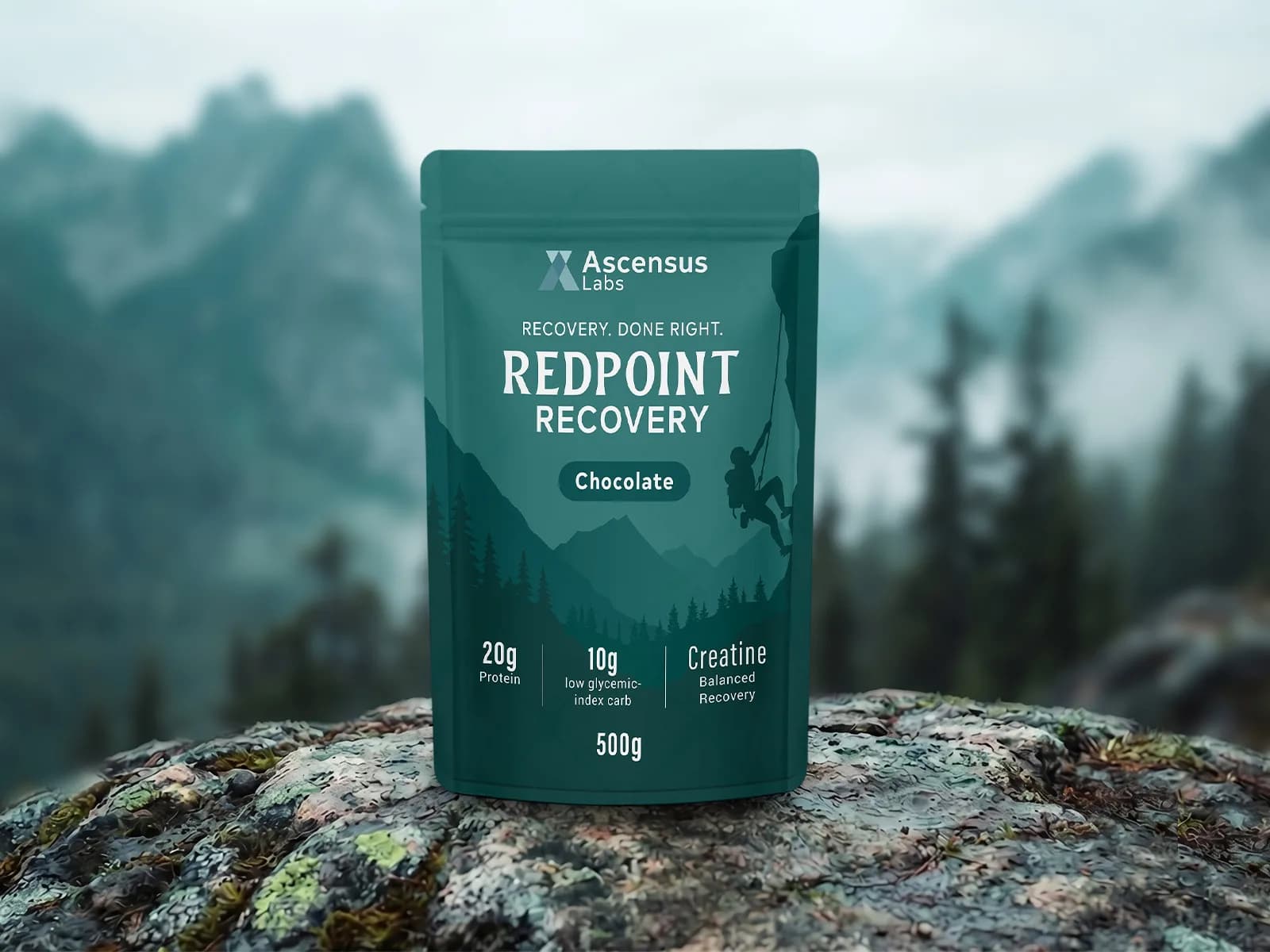
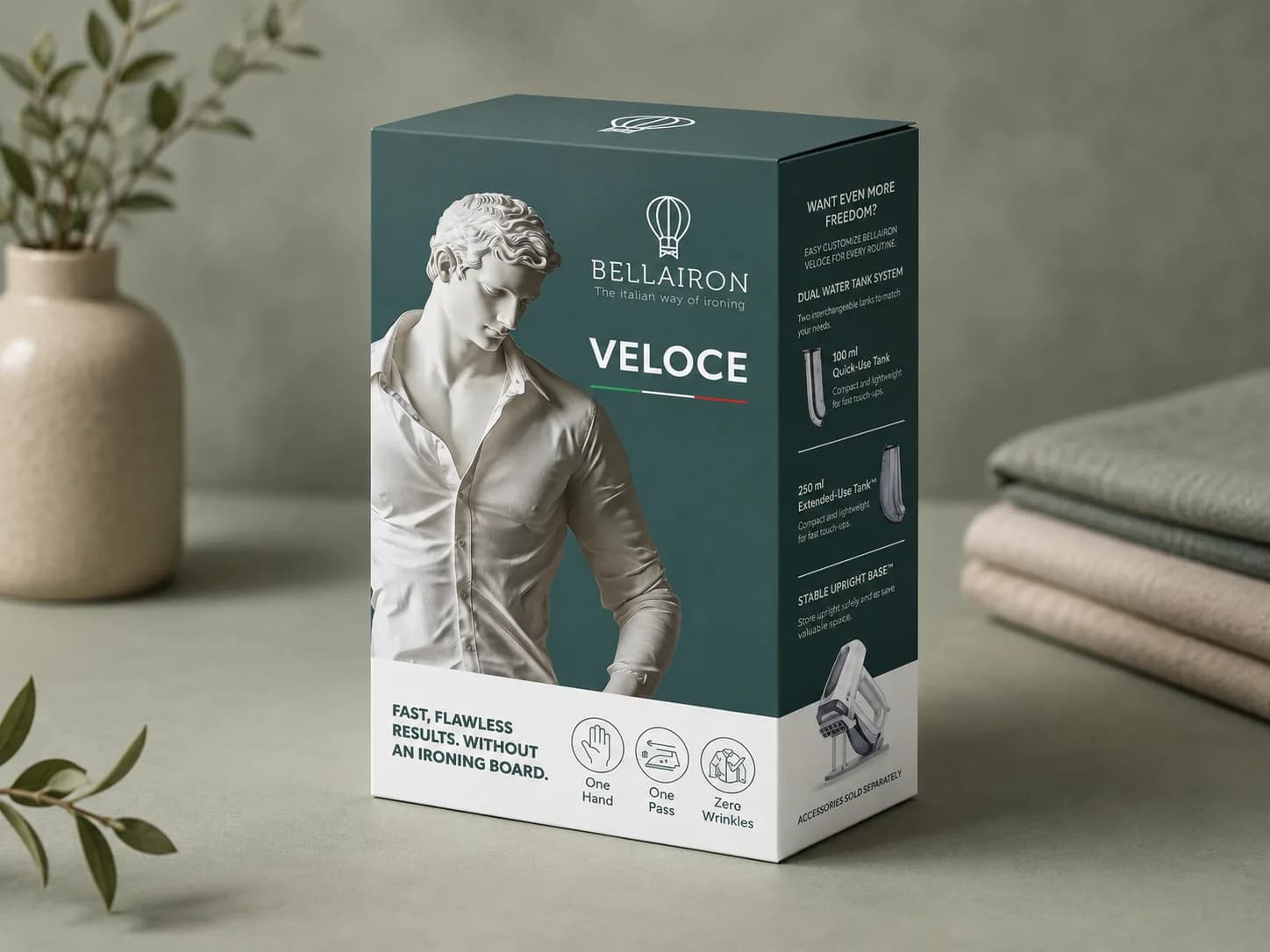

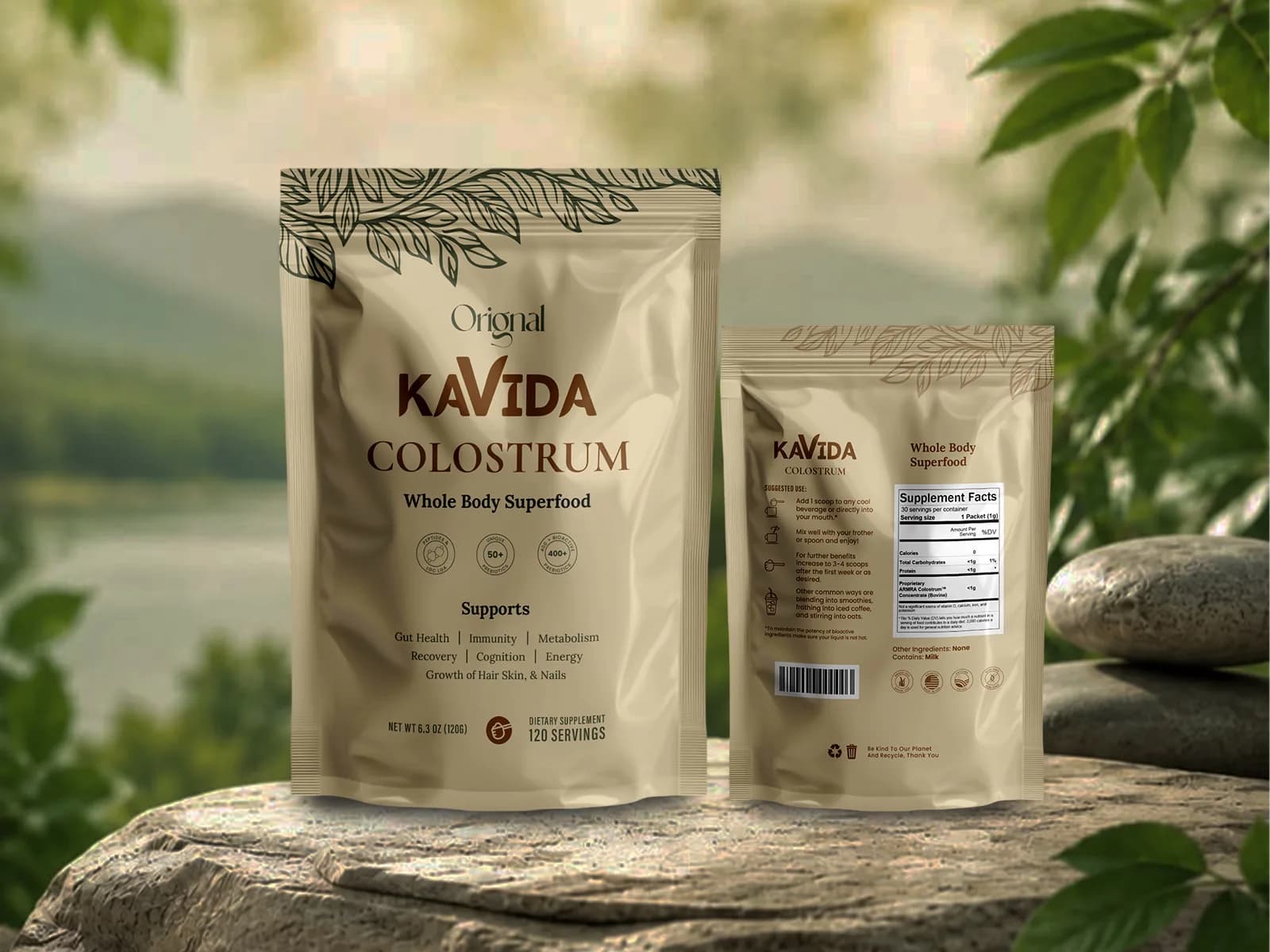
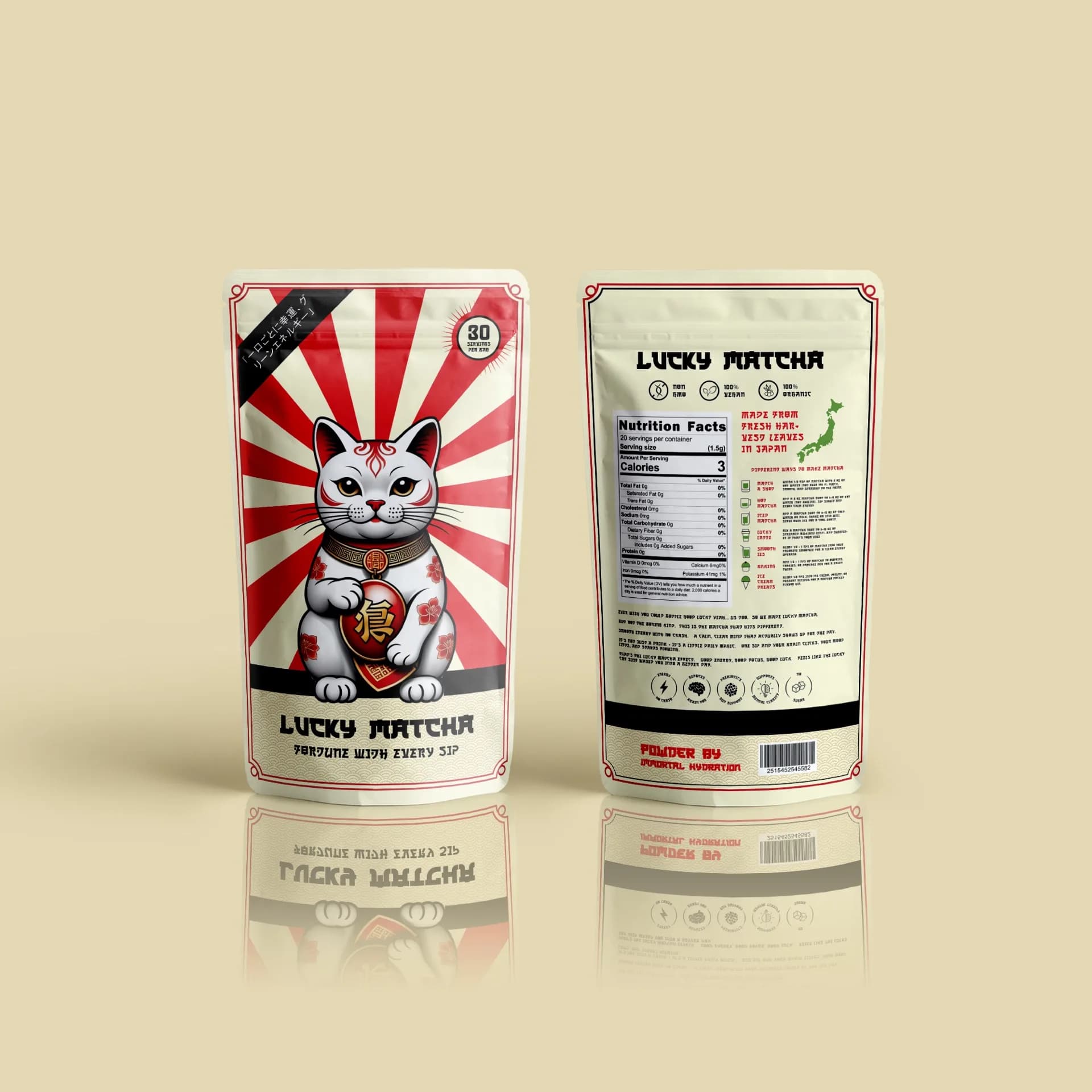

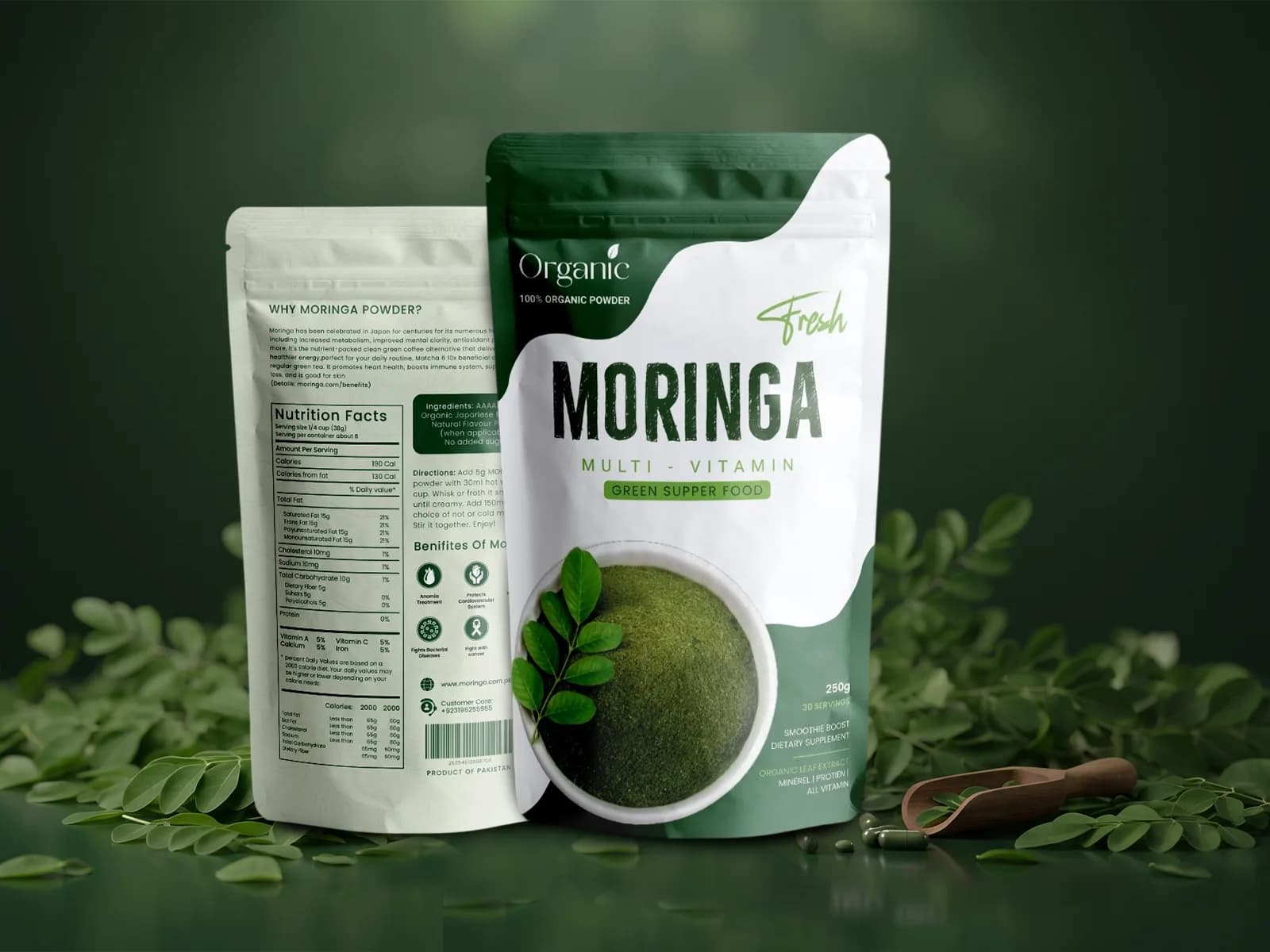
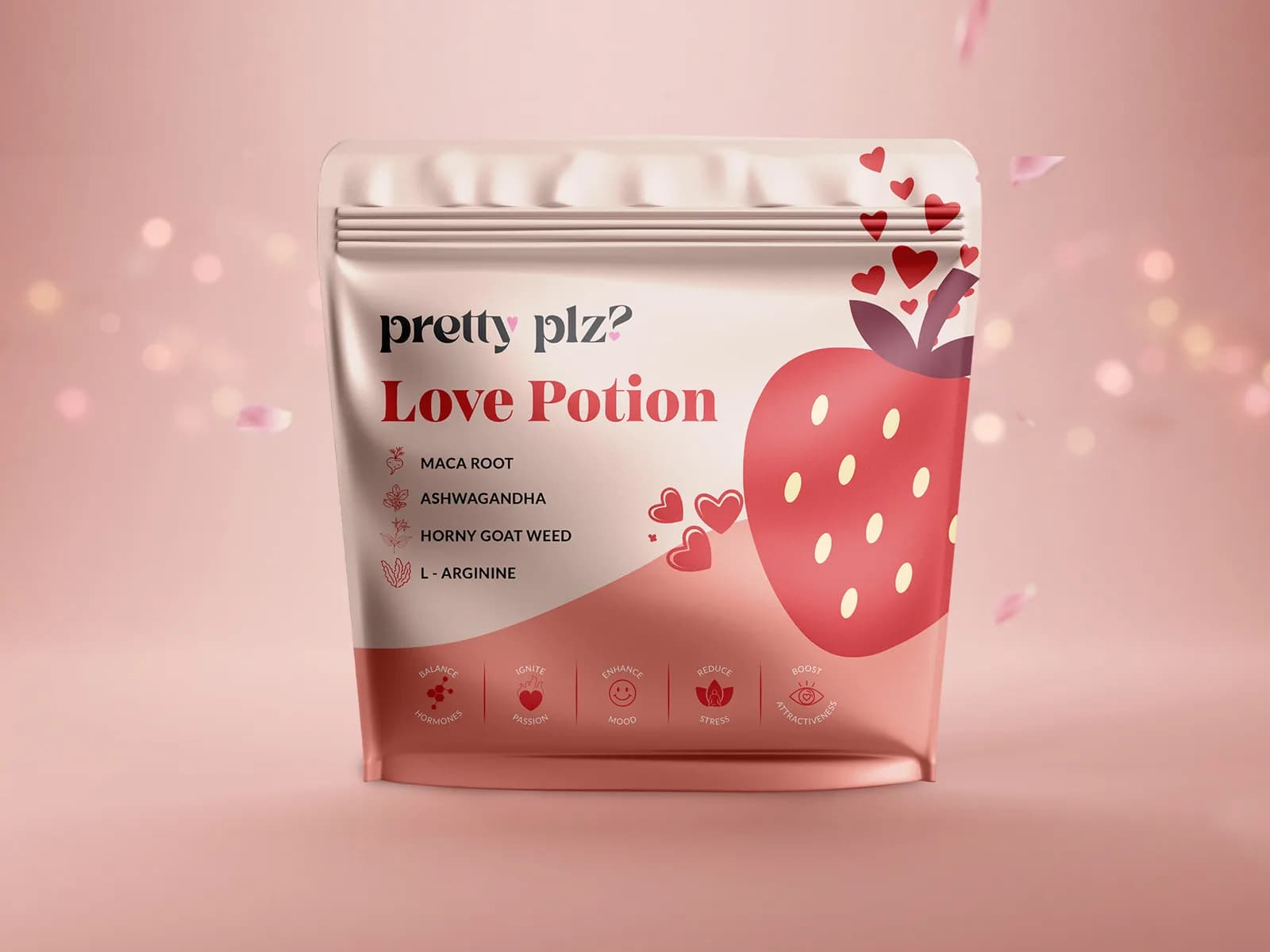
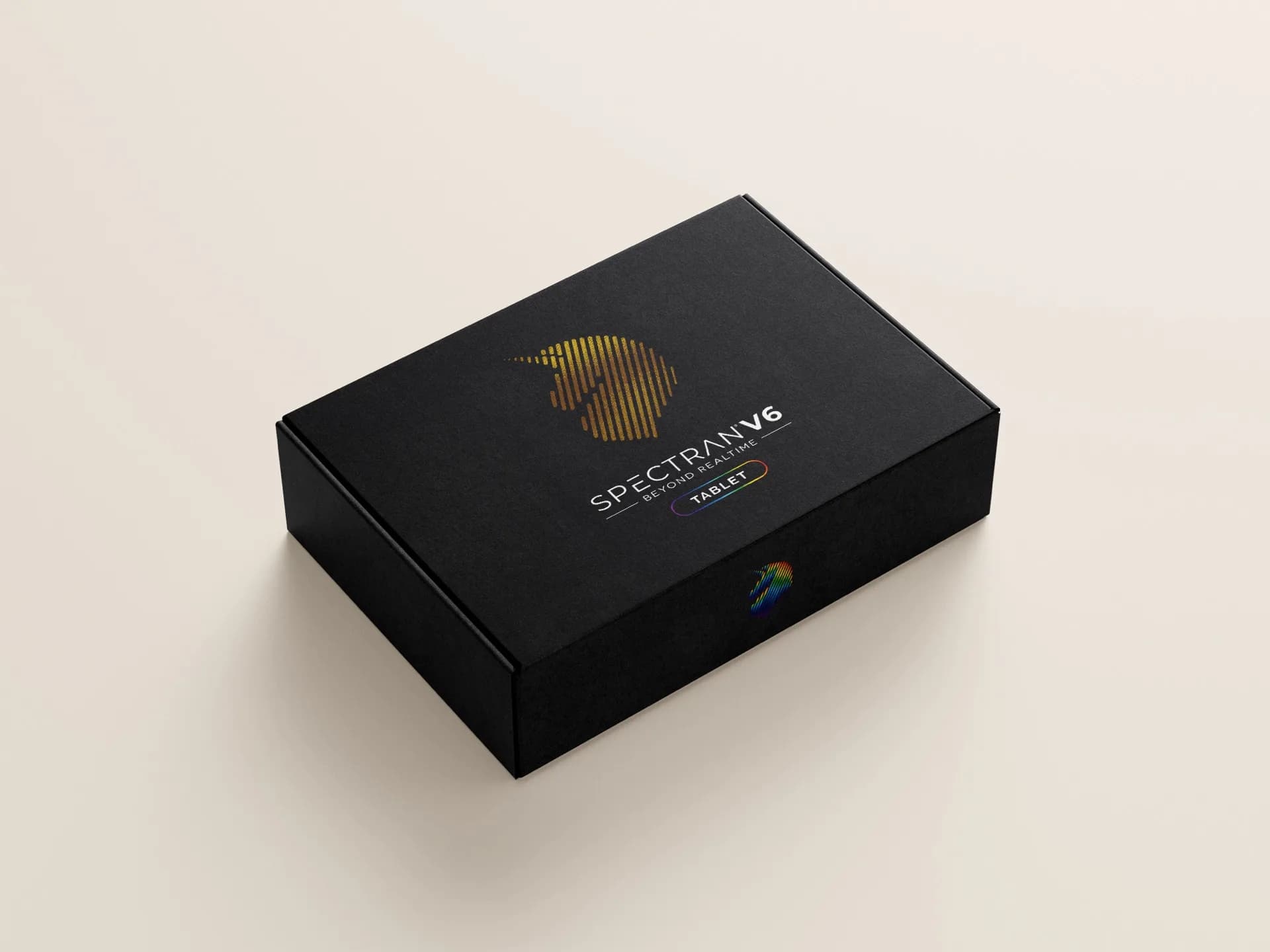
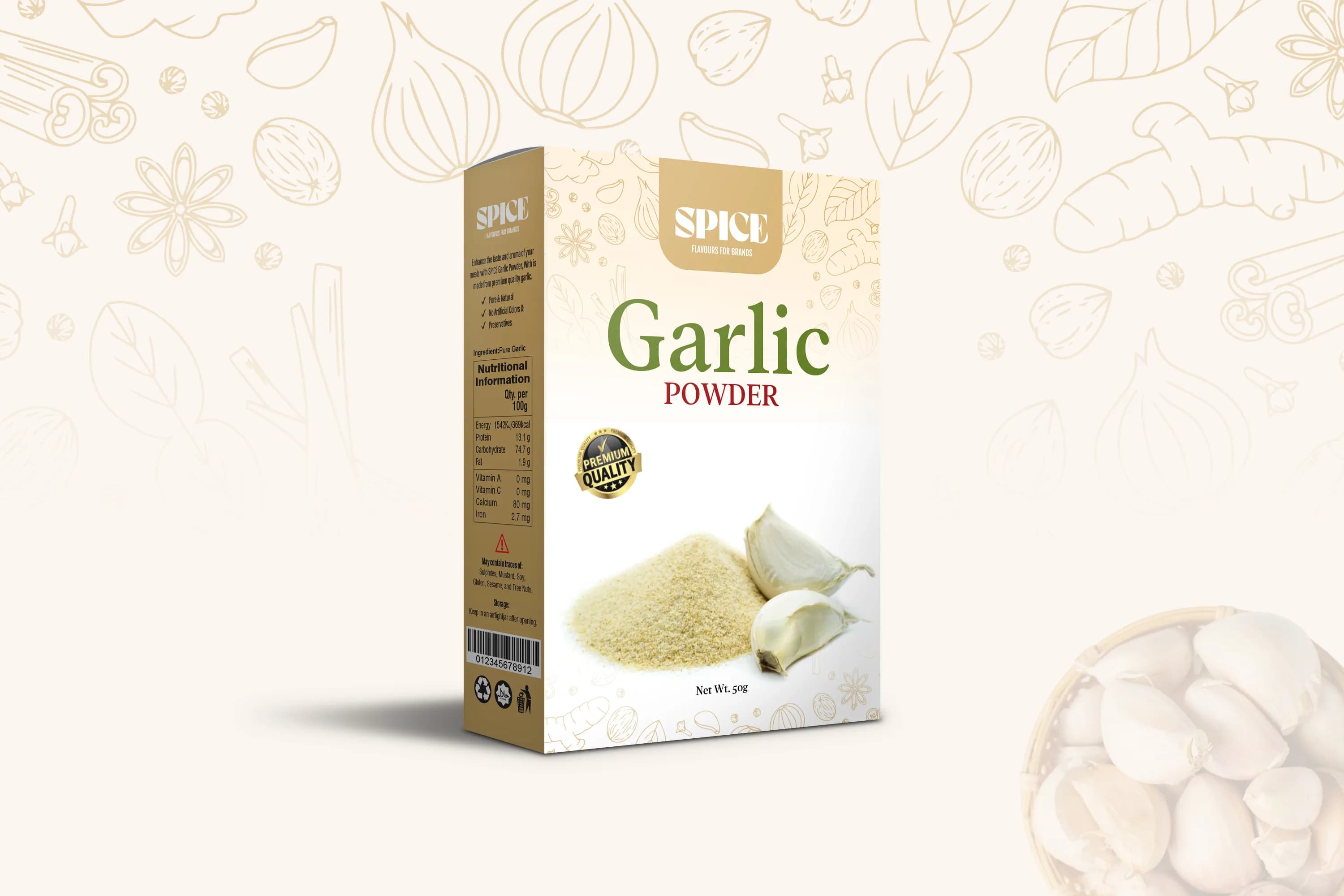
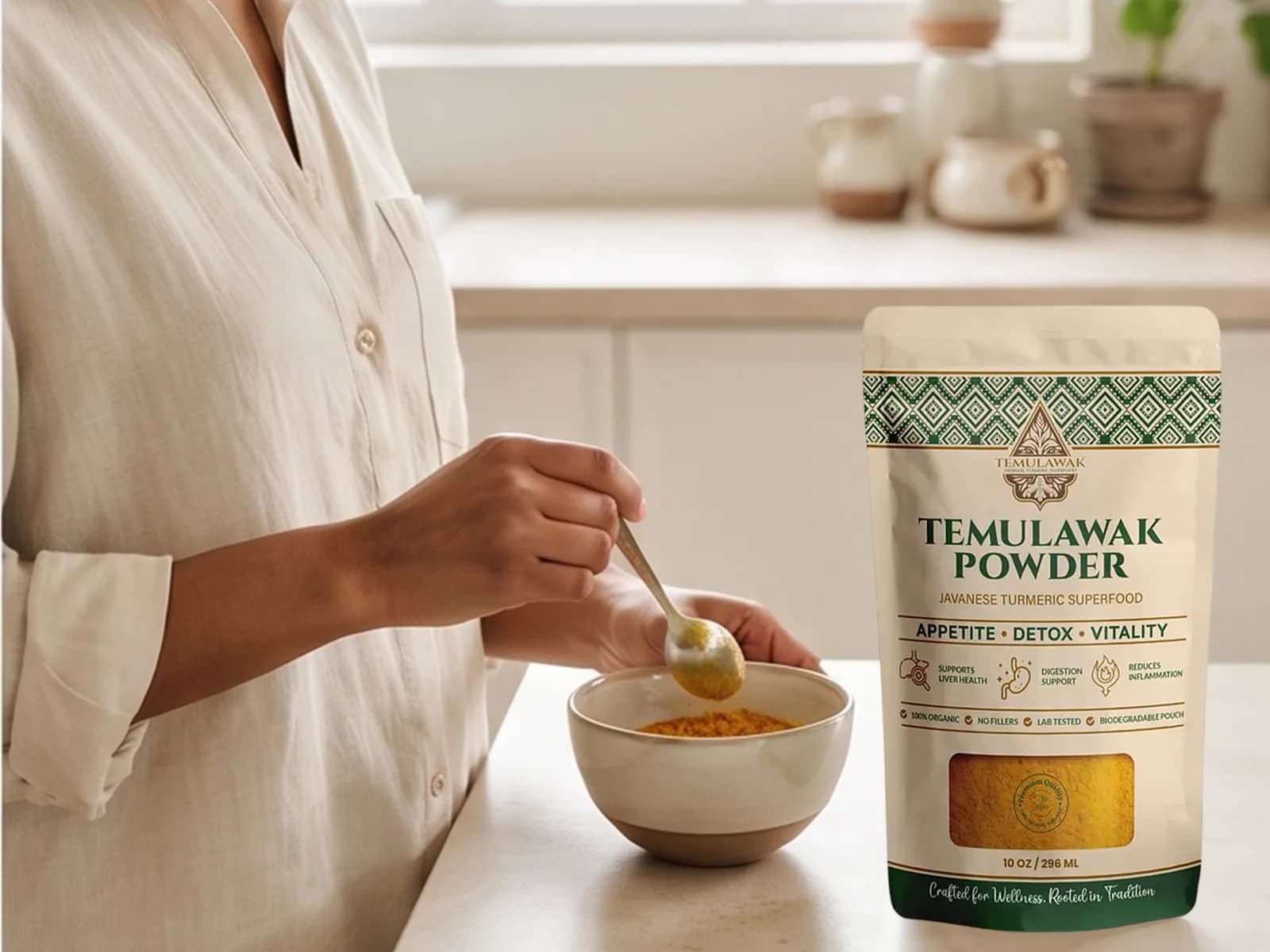
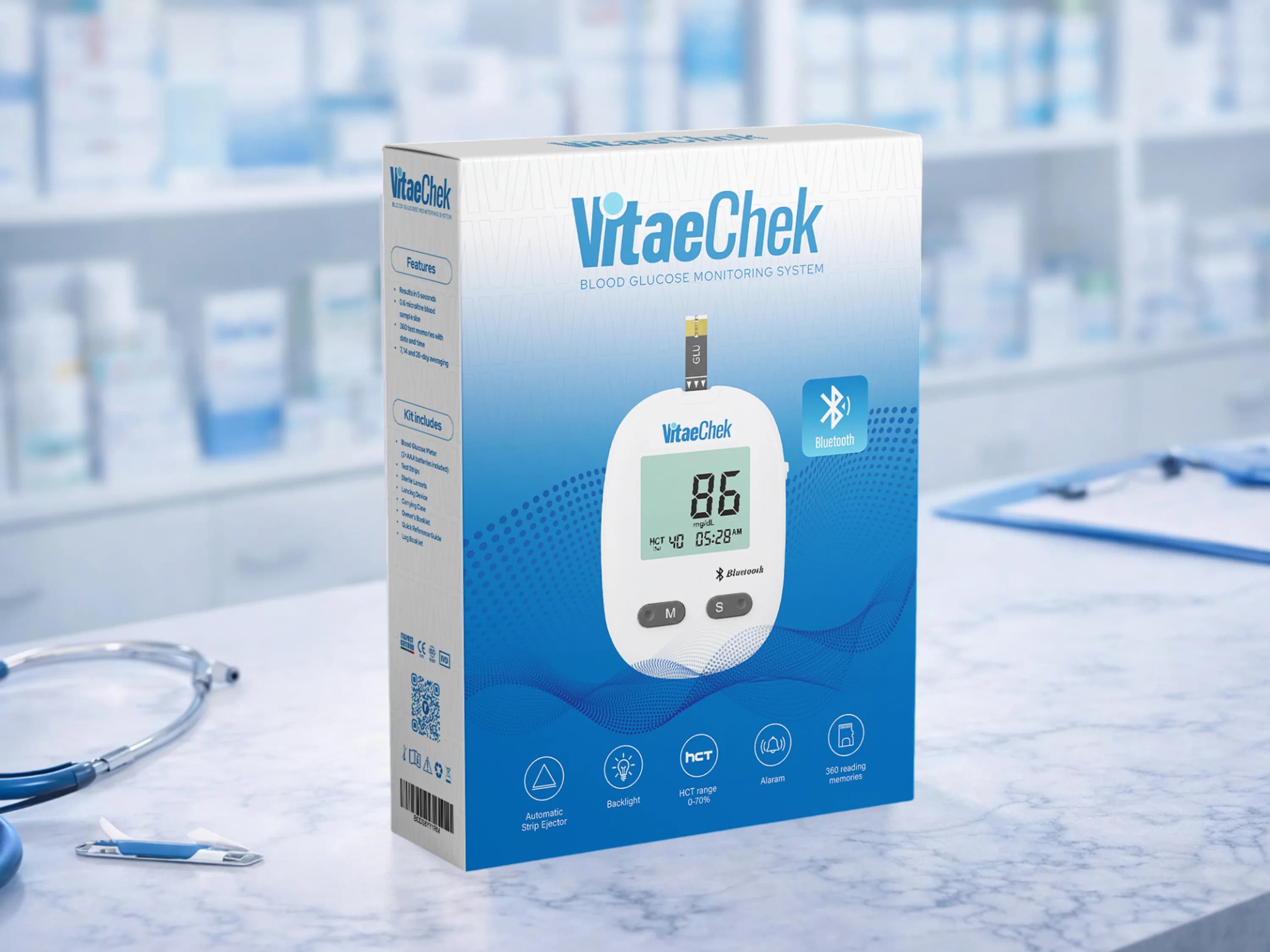
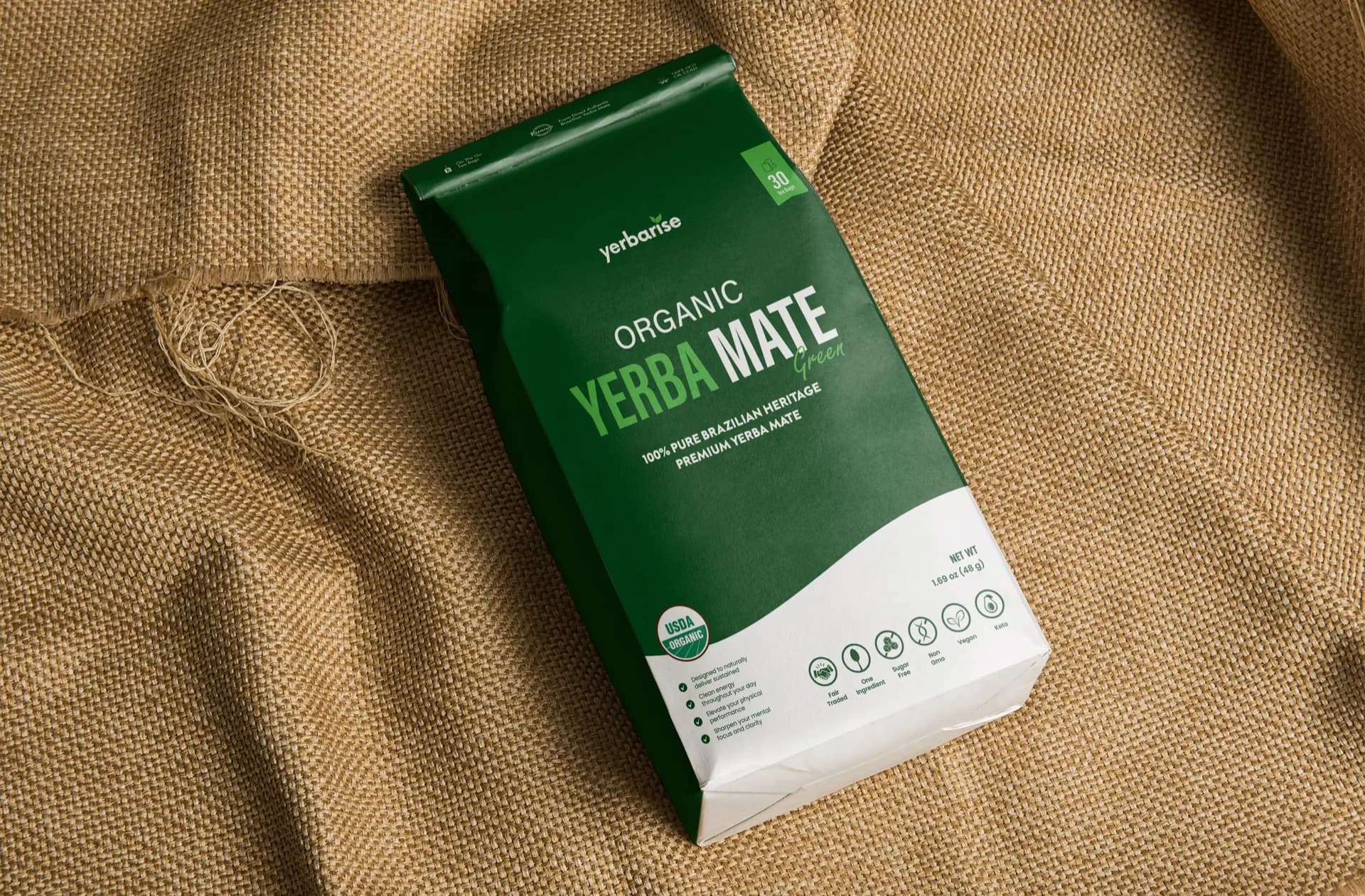
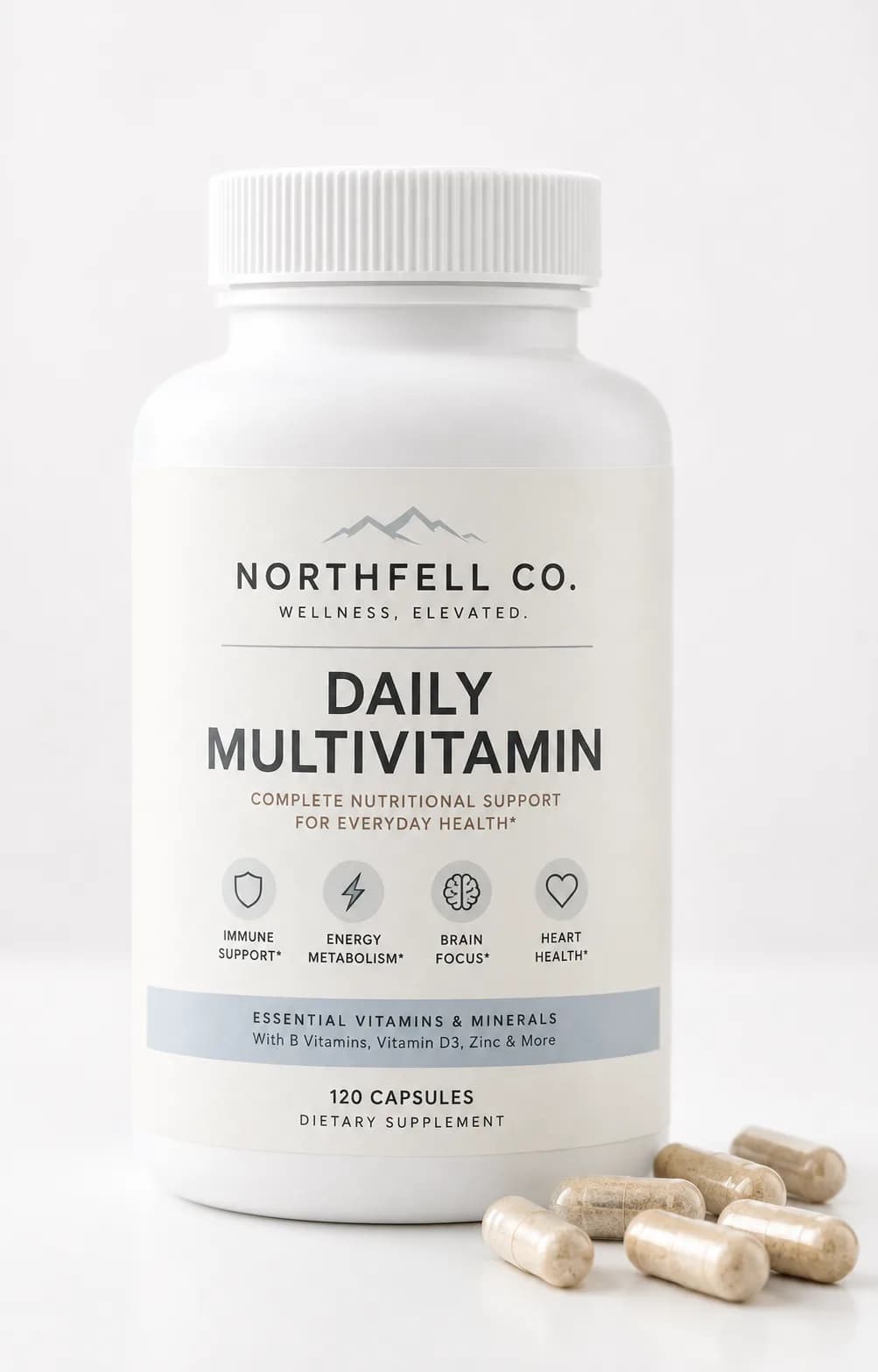
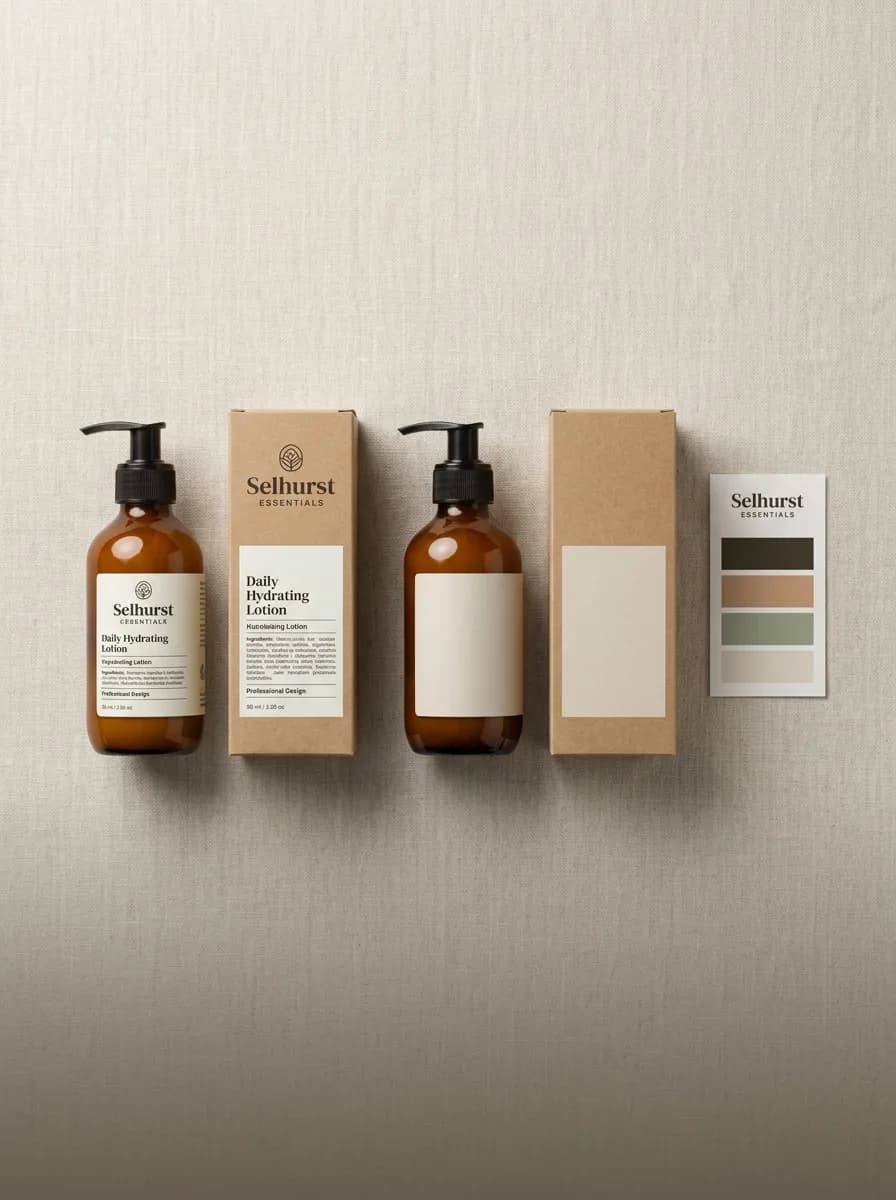
We're always-on to deliver the
packaging you want, when you need it
Written consultation report
Material specification recommendation
Print process recommendation brief
Supplier shortlist (where applicable)
Compliance pathway checklist
Packaging Consultation: The Complete Guide
A complete reference for brand managers, designers, and marketers making packaging decisions.
The Basics
What a packaging consultation covers
A packaging consultation is advice before commitment. It helps you make the decisions that shape everything else, such as format, materials, print method, budget and timing, before you've spent money on design or production.
It's most useful when you're facing a decision you only make occasionally: launching a first product, moving into a new market, switching suppliers or rethinking a format. Those choices are hard to undo once tooling is made and stock is printed.
Consultations suit people at very different stages. A founder with a product idea might need help choosing a first format. An established brand might want a second opinion on a supplier's proposal or a plan to cut packaging costs.
Decisions that lock in others
The challengeChoosing a format fixes the print process, the minimum order, the shelf presence and often the cost per unit. Many brands choose it on looks alone.
Our approachWe map how each option affects the others, so you can see the knock-on effects before choosing.
Advice, not a sales pitch
The challengeSuppliers naturally recommend what they make. That's useful input, but it isn't neutral.
Our approachWe look at options across formats and suppliers from a design studio's point of view, and explain the trade-offs in plain language.
Design Decisions
The questions a consultation usually answers
Every brand is different, but most consultations come back to the same handful of decisions. We usually tackle them in order of how much each one constrains the rest.
- Format and structure. Pouch or carton, bottle or tube, stock or custom. What suits the product, the channel and the budget.
- Materials. How barrier, protection, recyclability and cost pull against each other, and which compromises are acceptable for your product.
- Print method. Digital, flexo, litho or gravure, and how your expected volumes and number of variants point to one or another.
- Markets and channels. What changes when you sell in shops versus online, or in more than one country, from pack size to the information you need on it.
- Suppliers and briefs. What to ask printers and converters, how to compare quotes on a like-for-like basis, and what a good design brief should contain.
Cost reduction is a common reason to book. Standard sizes instead of custom ones, fewer colours, components shared across a range or a different print method for short runs can all add up. A consultation helps you see which changes are worth the trade-off and which would harm the product.
Labelling and regulation often come up too. A consultation can map which areas of regulation are likely to affect your product and where you'll need specialist input, for example a regulatory adviser for supplements or a safety assessor for cosmetics. It's guidance on where to look and what to ask, not a substitute for formal regulatory advice.
The most useful sessions start with real figures: expected order volumes, target retail price, product dimensions and any quotes you already have. Even rough estimates make the advice far more specific. If you can, send a sample of the product too, so we can see its size and fragility for ourselves.
The Process
How our packaging consultations work
Consultations are short and focused. You leave with decisions or a clear plan for making them.
Pre-call questionnaire
You tell us about the product, the market, the timeline and the decisions you're stuck on. We read it before the session so no time is wasted.
Review of materials
We look through anything you send: current packs, competitor examples, supplier quotes, technical specs or early design ideas. Reading them beforehand means the session can focus on decisions.
The session
A video call working through your questions, with sketches or reference images where they help explain an option. If a question needs more research, we say so and include it in the written summary.
Written recommendations
A summary of the options discussed, our recommendation for each decision, and the open questions to put to suppliers or advisers. It's written so someone who wasn't on the call can follow it.
Next steps
If you go on to a design project with us, the consultation becomes the basis of the brief. If not, the recommendations are yours to use with anyone.
Costs and Pitfalls
Consultation mistakes, costs and alternatives
Booking too late
Asking for advice after tooling is ordered or stock is printed leaves little to change. The earlier the conversation, the more options are still open.
Too many topics at once
Trying to cover branding, structure, suppliers and regulation in one short session gives shallow answers. Prioritise the decisions that block everything else.
No real information
Coming without volumes, budgets or product details turns specific advice into general principles.
Treating advice as approval
A consultation can tell you which regulations to check, but it doesn't certify compliance. Follow up with the right specialist where it matters.
Underestimating lead times
Packaging timelines include artwork, approvals, proofing and production. Plans that squeeze all of that into a few weeks rarely hold.
What a consultation costs depends on its scope:
- Session length. A single call costs less than a series of working sessions.
- Preparation and write-up. Reviewing supplier quotes, specs or competitor packs in advance, and producing a detailed written report, add time.
- Number of products. Advice for one product is quicker than for a whole range with different formats.
- Markets. Each extra market adds questions about formats, labelling and suppliers.
- Follow-up. Ongoing support while you talk to suppliers is usually priced separately.
A consultation isn't always the right starting point. If you already know the format and suppliers and simply need the design, go straight to a design project. If your packs are on shelf and you want to know what's wrong with them, a packaging audit gives a structured list of issues. And if the question is purely legal, talk to a regulatory specialist first. And if the product itself is still changing, it's often better to wait until its size and format are settled.
Got Any Questions?



Your packaging deserves
better than “good enough.”
Book a free 15-minute call and we'll scope your packaging together — or send us a message to get started.