
Service
Cosmetic Packaging Design
Beauty packaging that sells the promise.
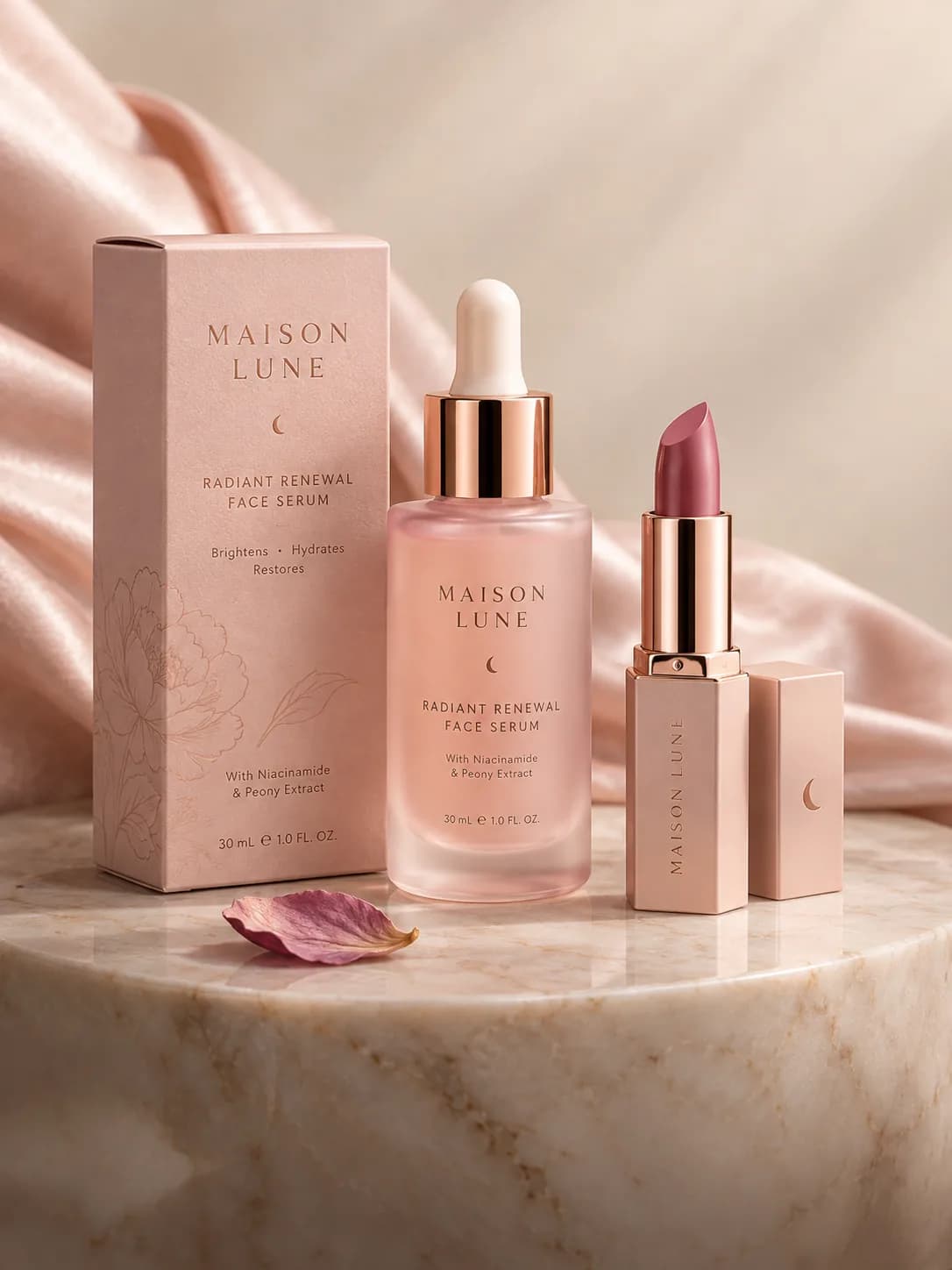
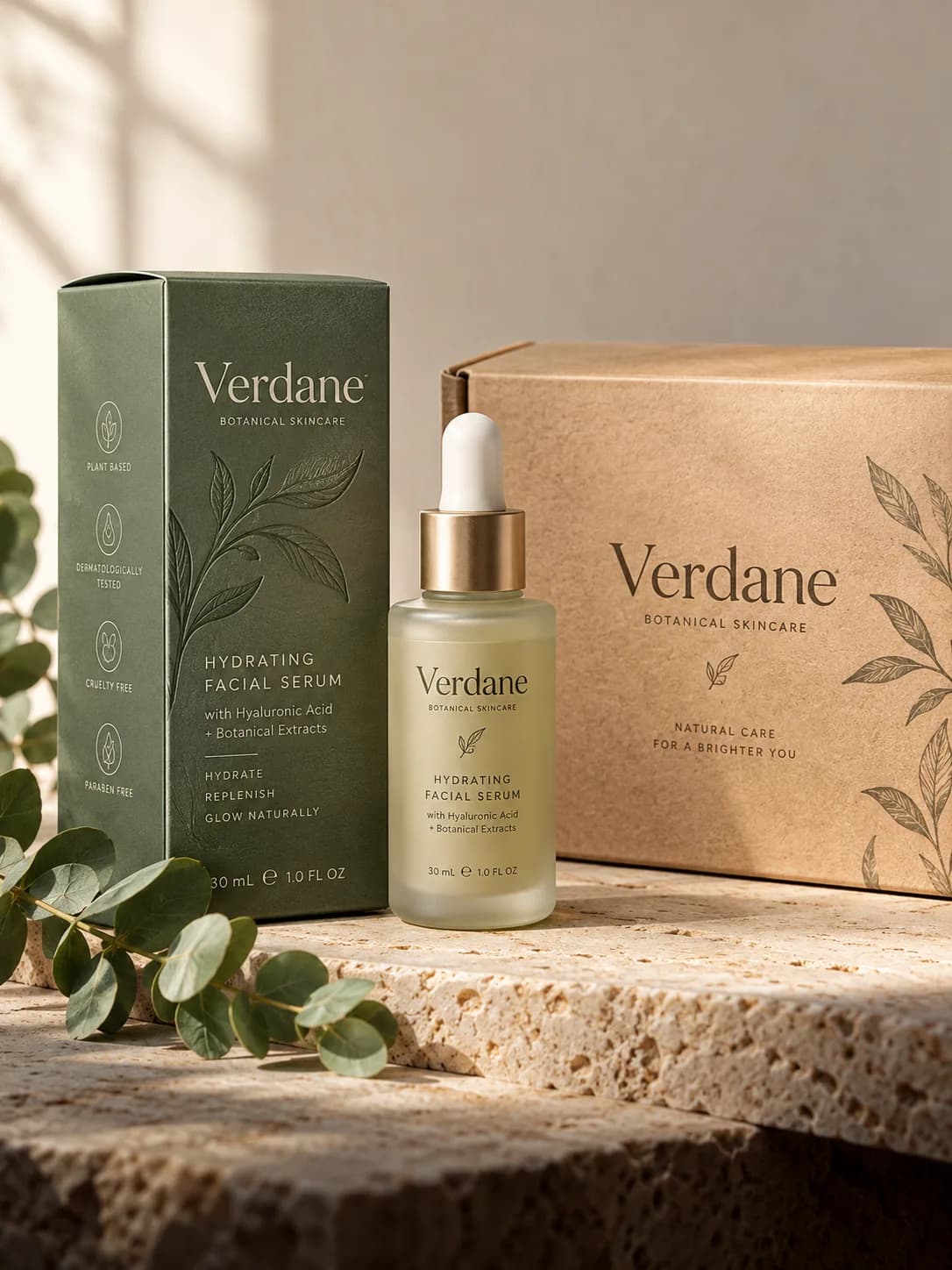
In beauty, packaging IS the product. We create cosmetic packaging that communicates luxury, efficacy, and brand personality — from the first glance on shelf to the moment of unboxing.

Quick Answer
Cosmetic packaging design creates shelf-optimised artwork with INCI ingredient lists for beauty and personal care products — covering EU, UK, and US cosmetic labelling requirements, and delivering print-ready files matched to your substrate.
What's Included
Everything delivered, as standard
Every Cosmetic Packaging Design project includes these deliverables — no extras, no upsells, no surprises.
Packaging expertise across
7 product categories
Skincare
Haircare
Makeup & Colour
Fragrance
Personal Care
Natural & Organic Beauty
Men's Grooming
Cosmetic Packaging Design
Beauty packaging that sells the promise.
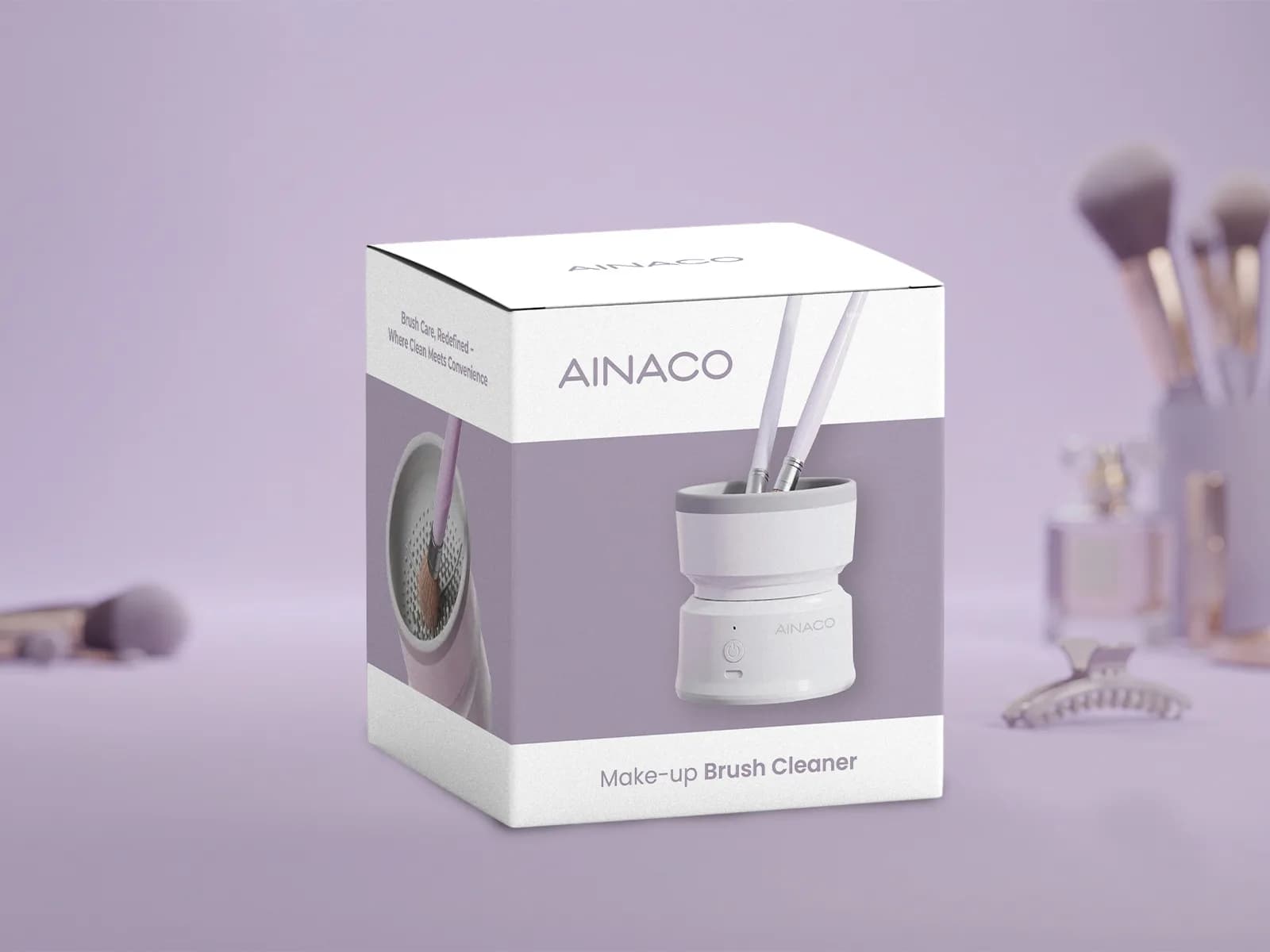
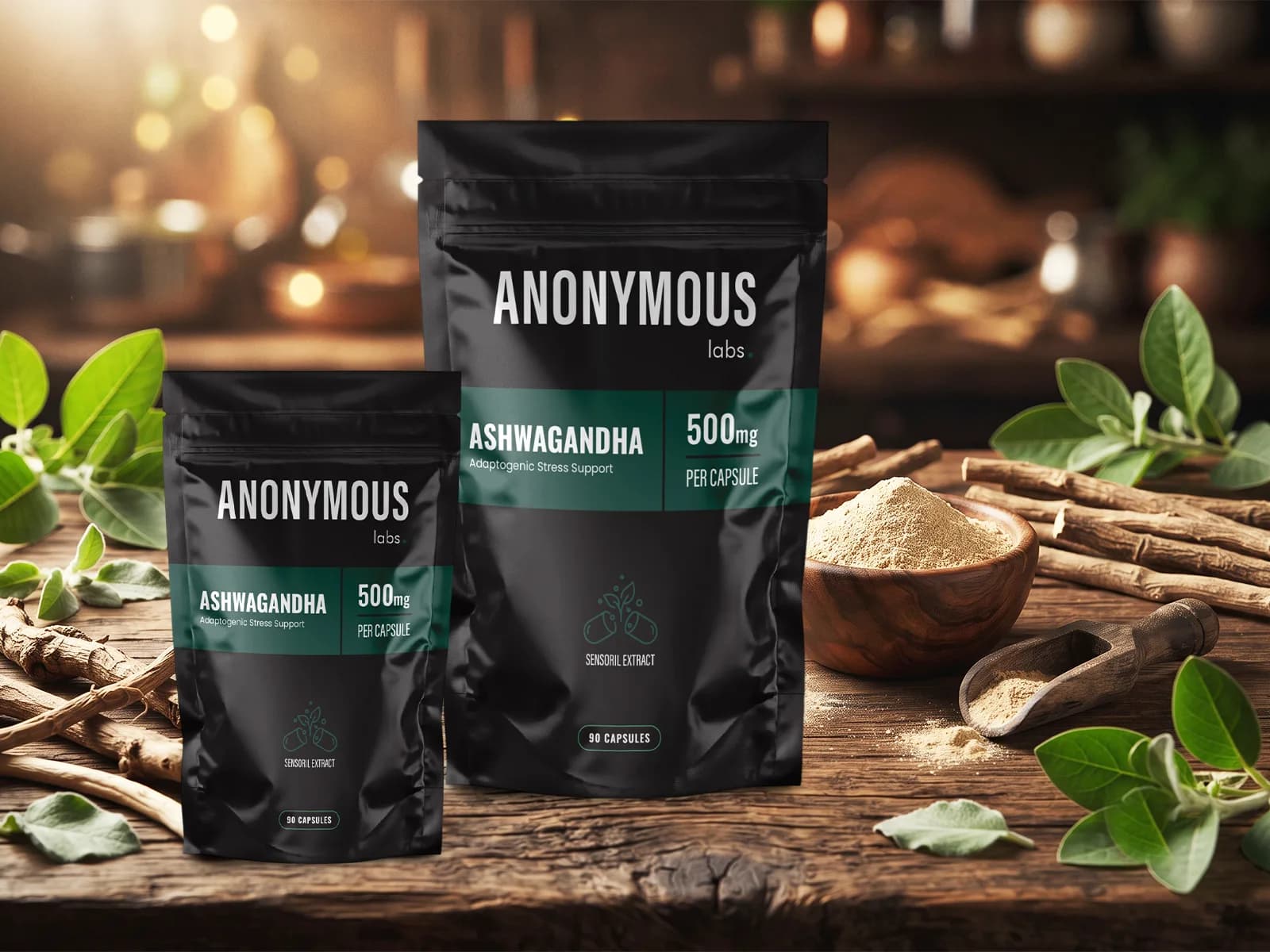
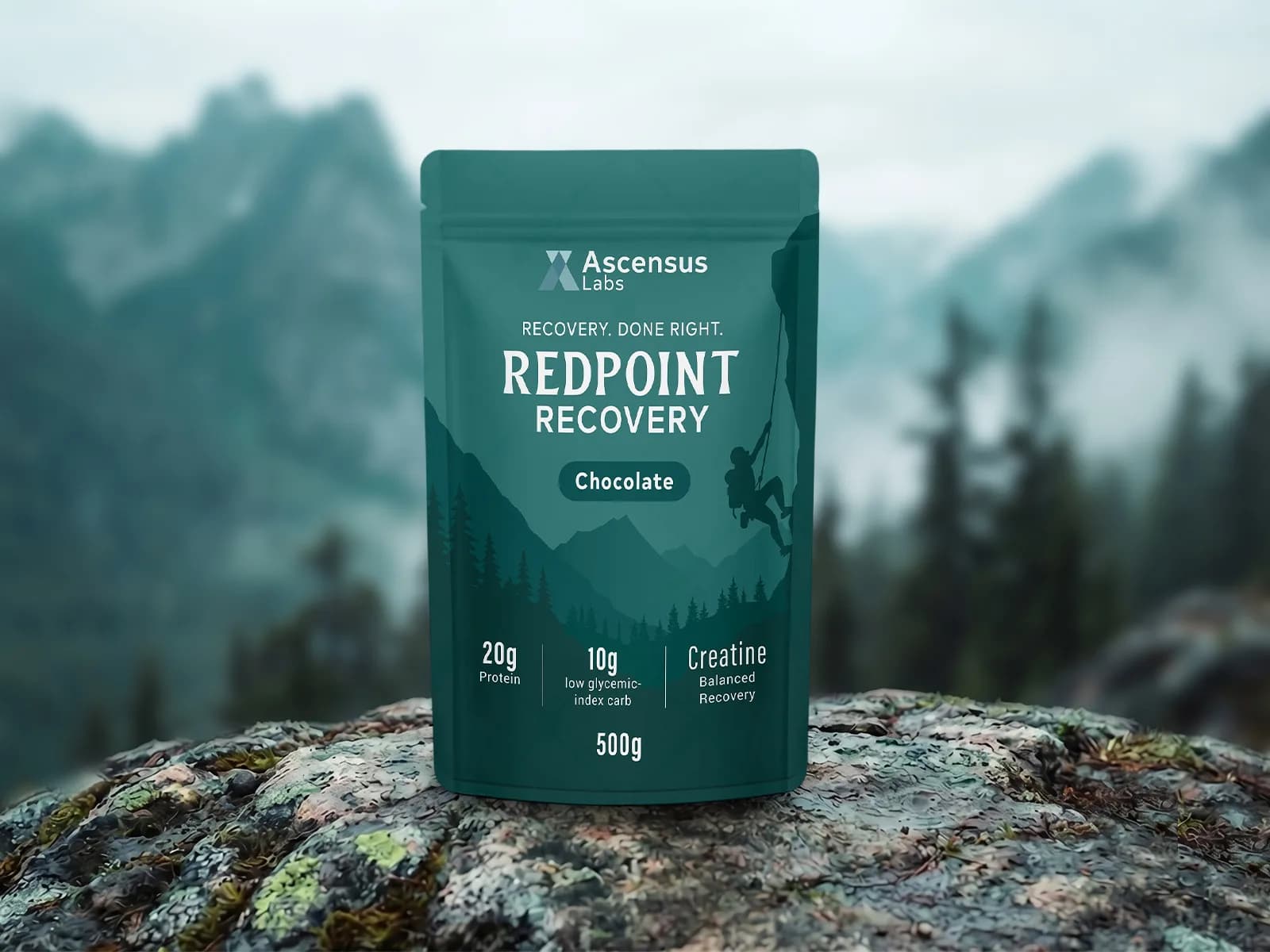
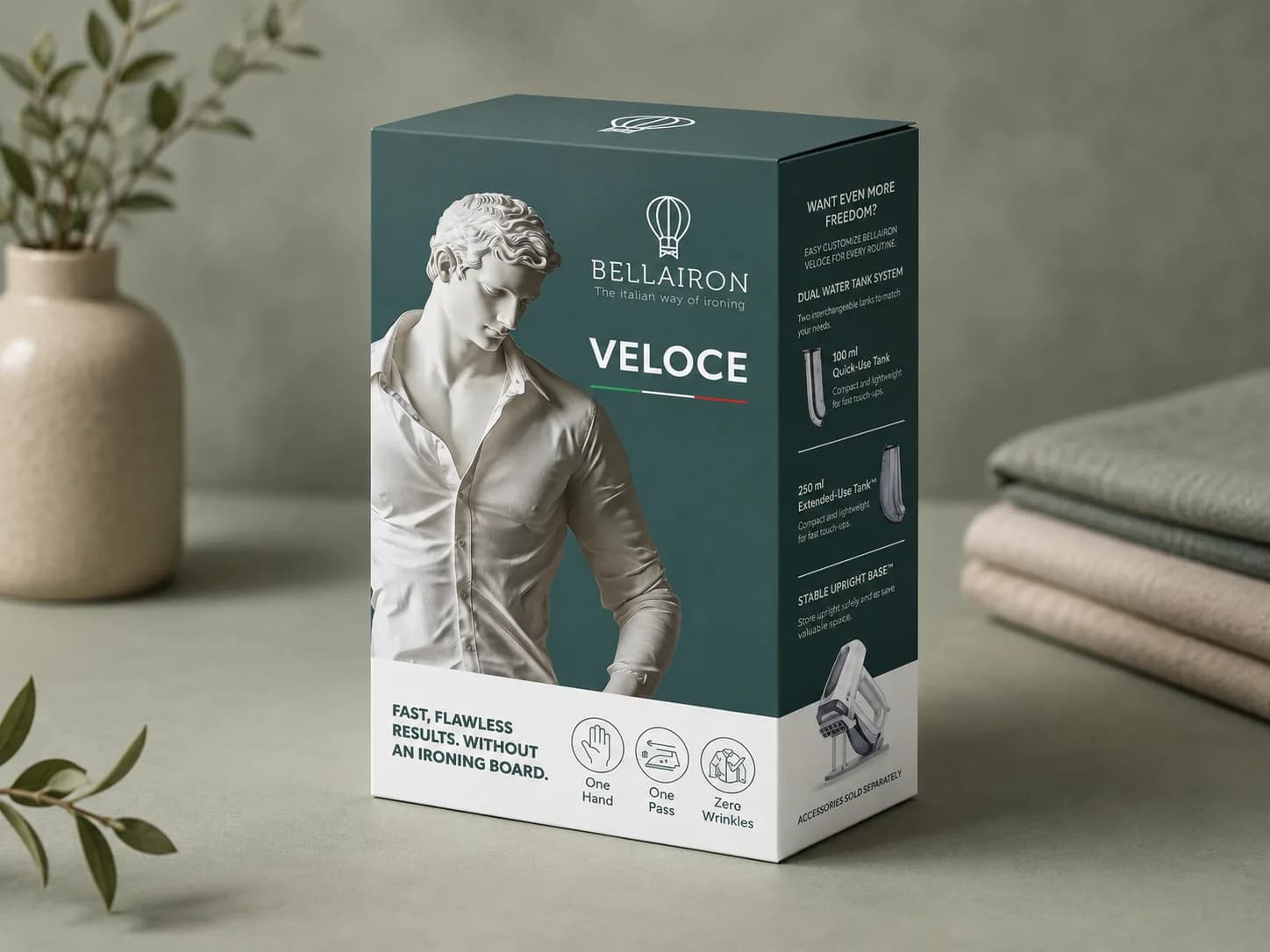
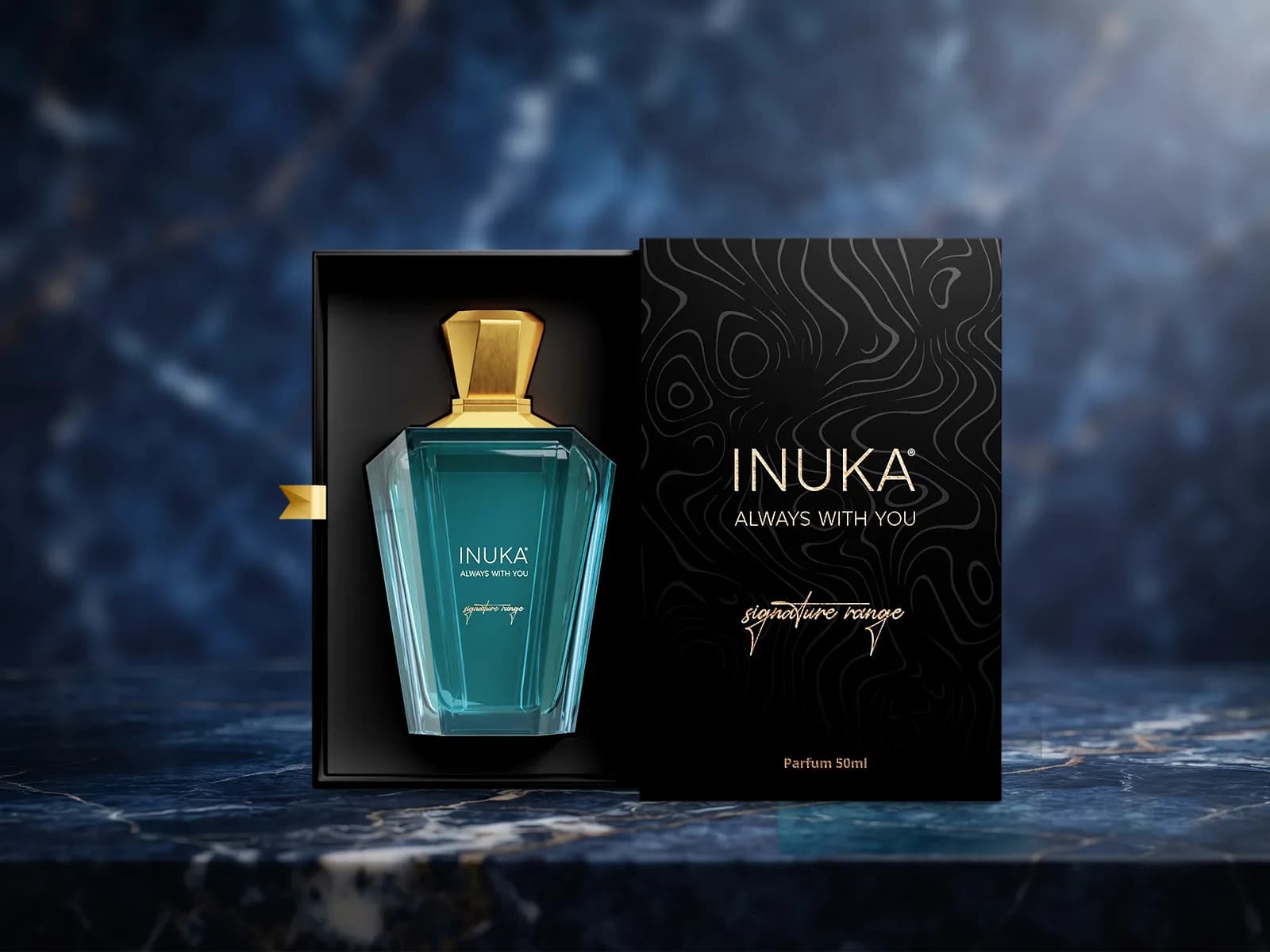
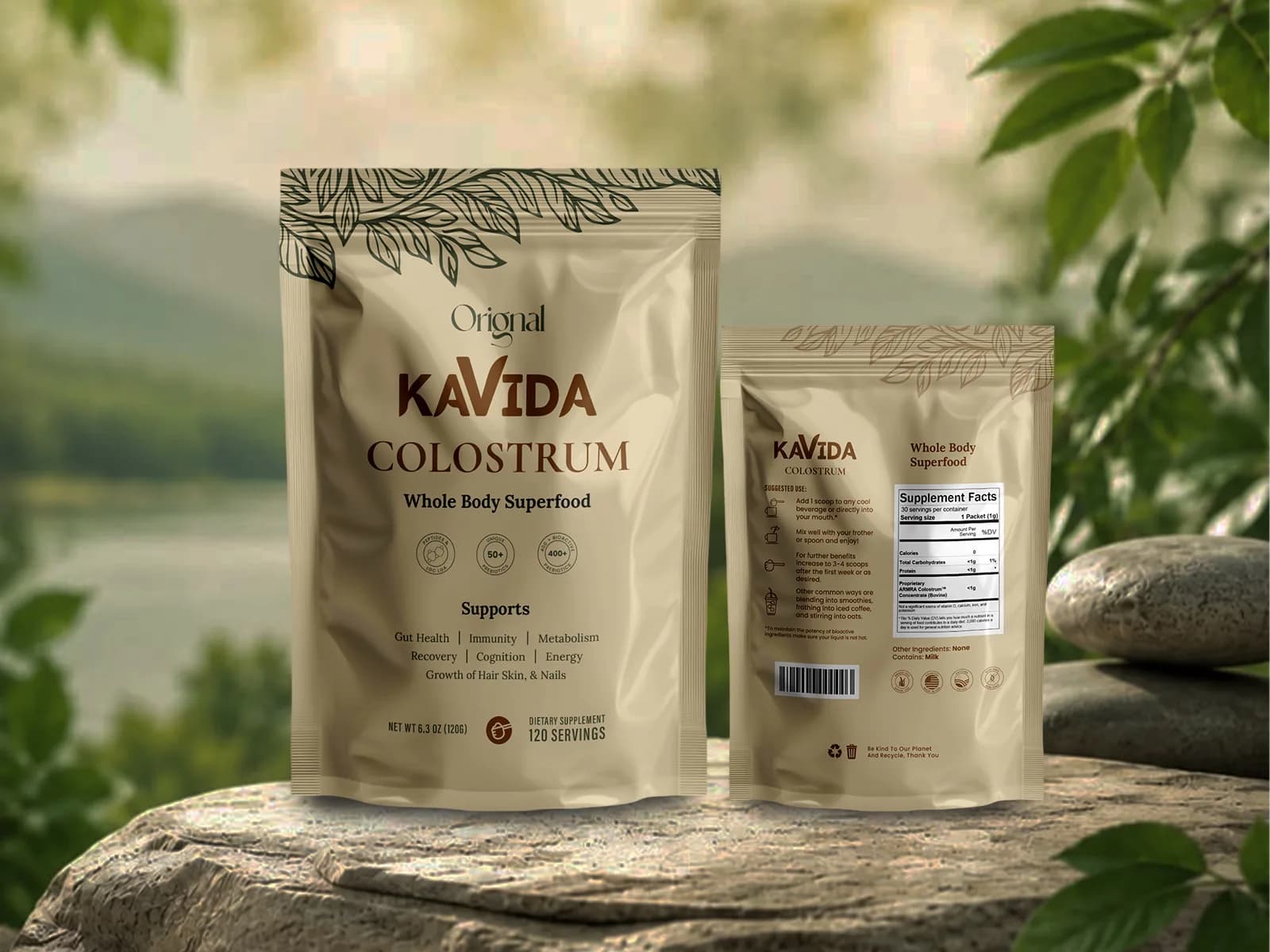
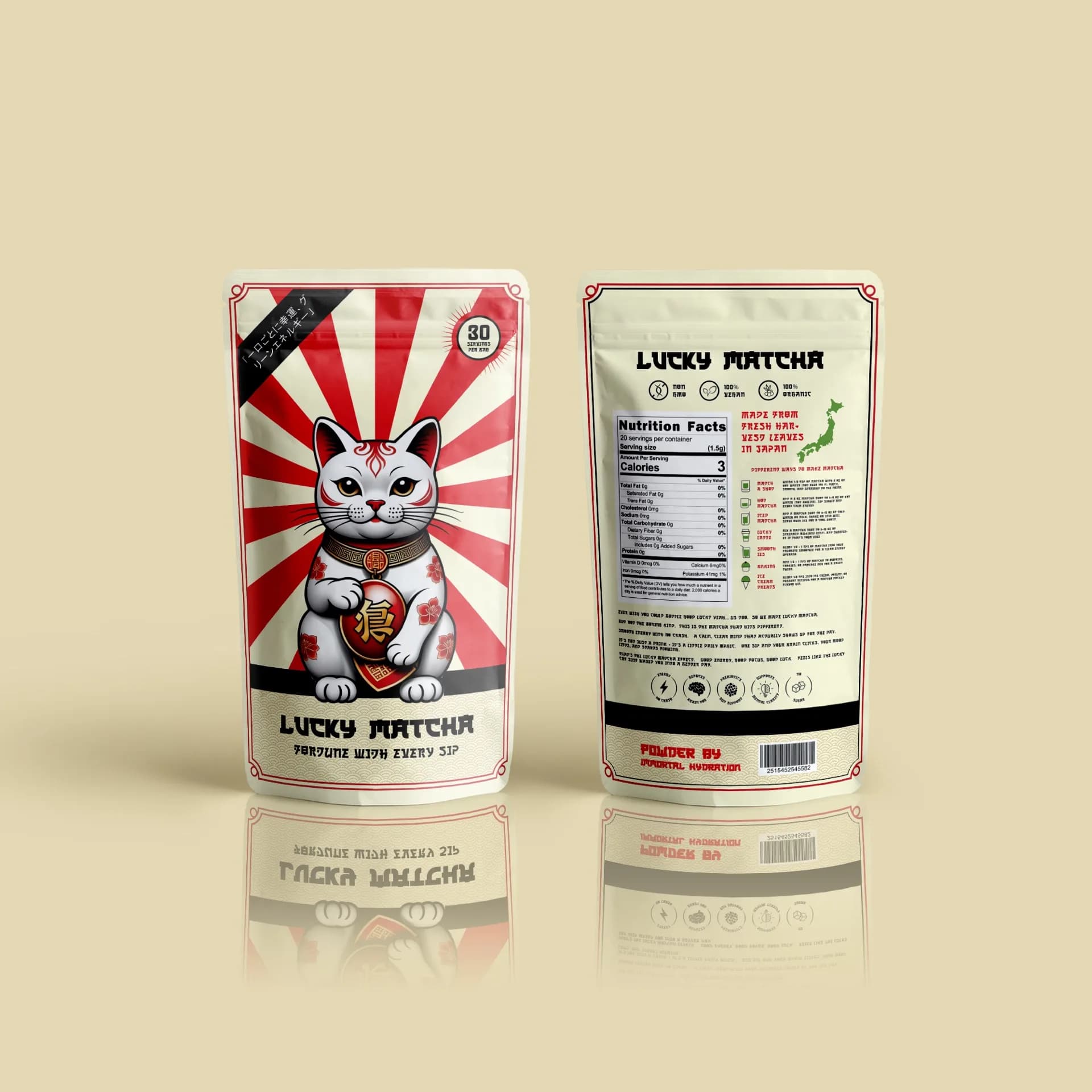
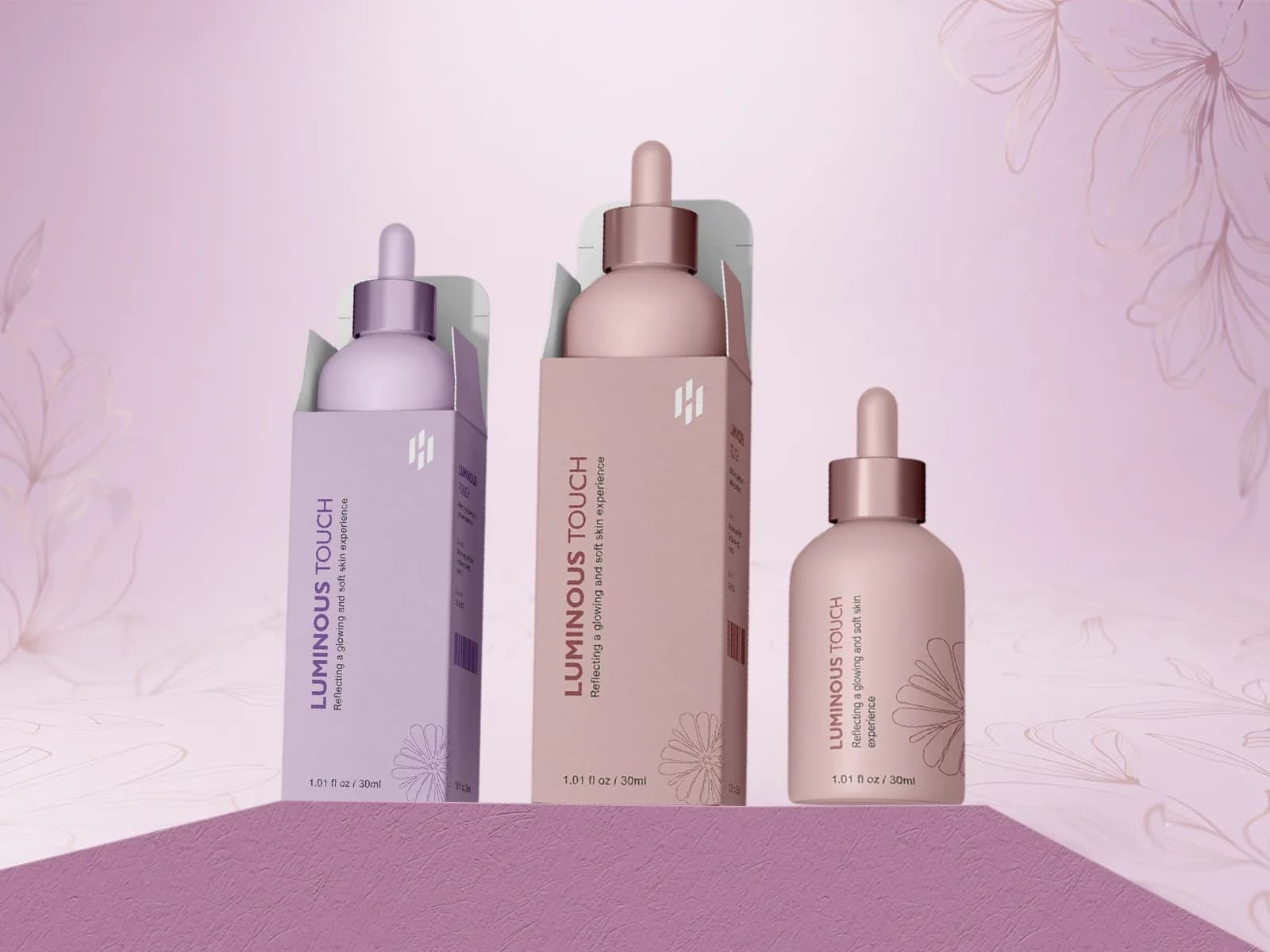
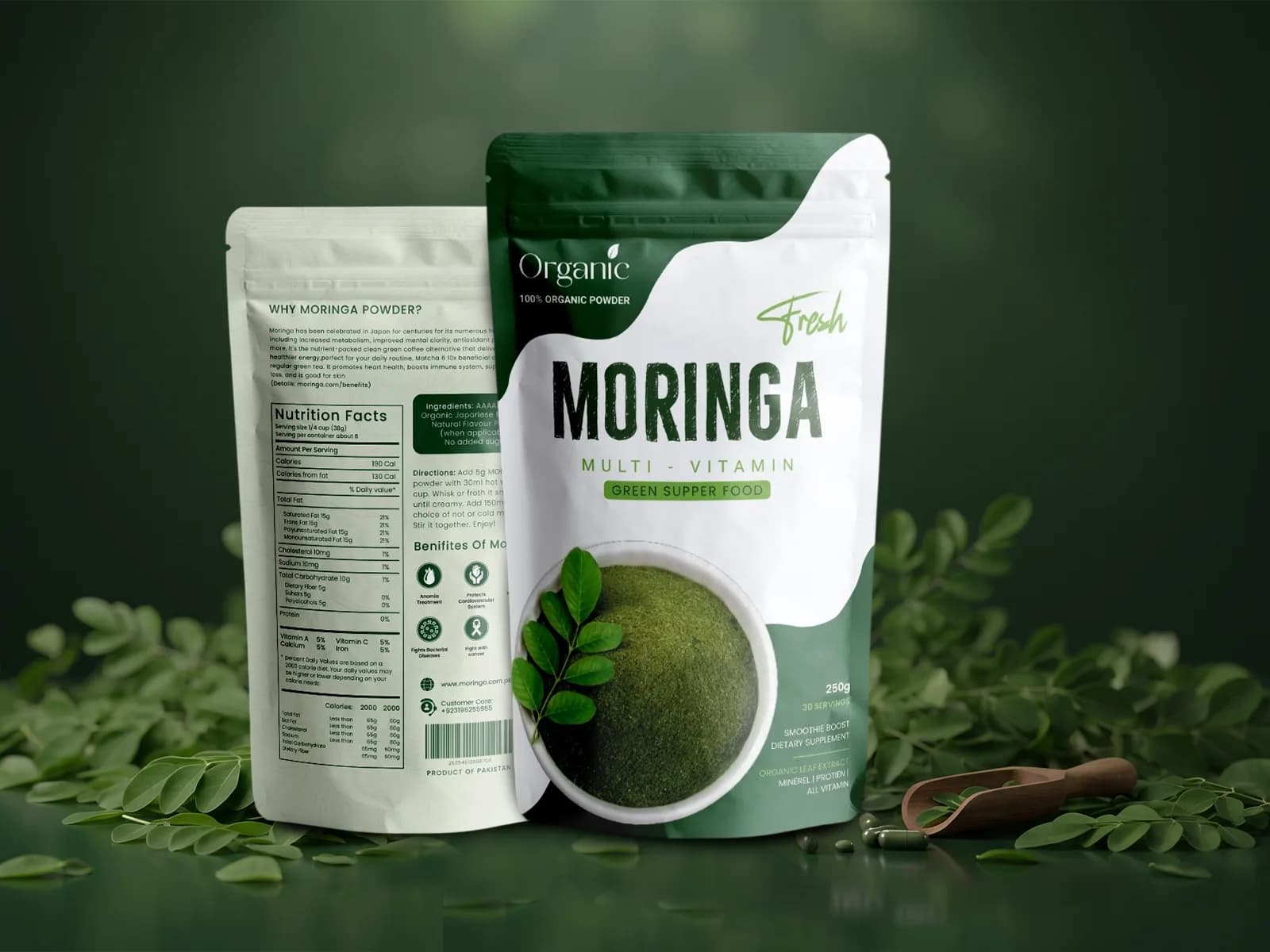
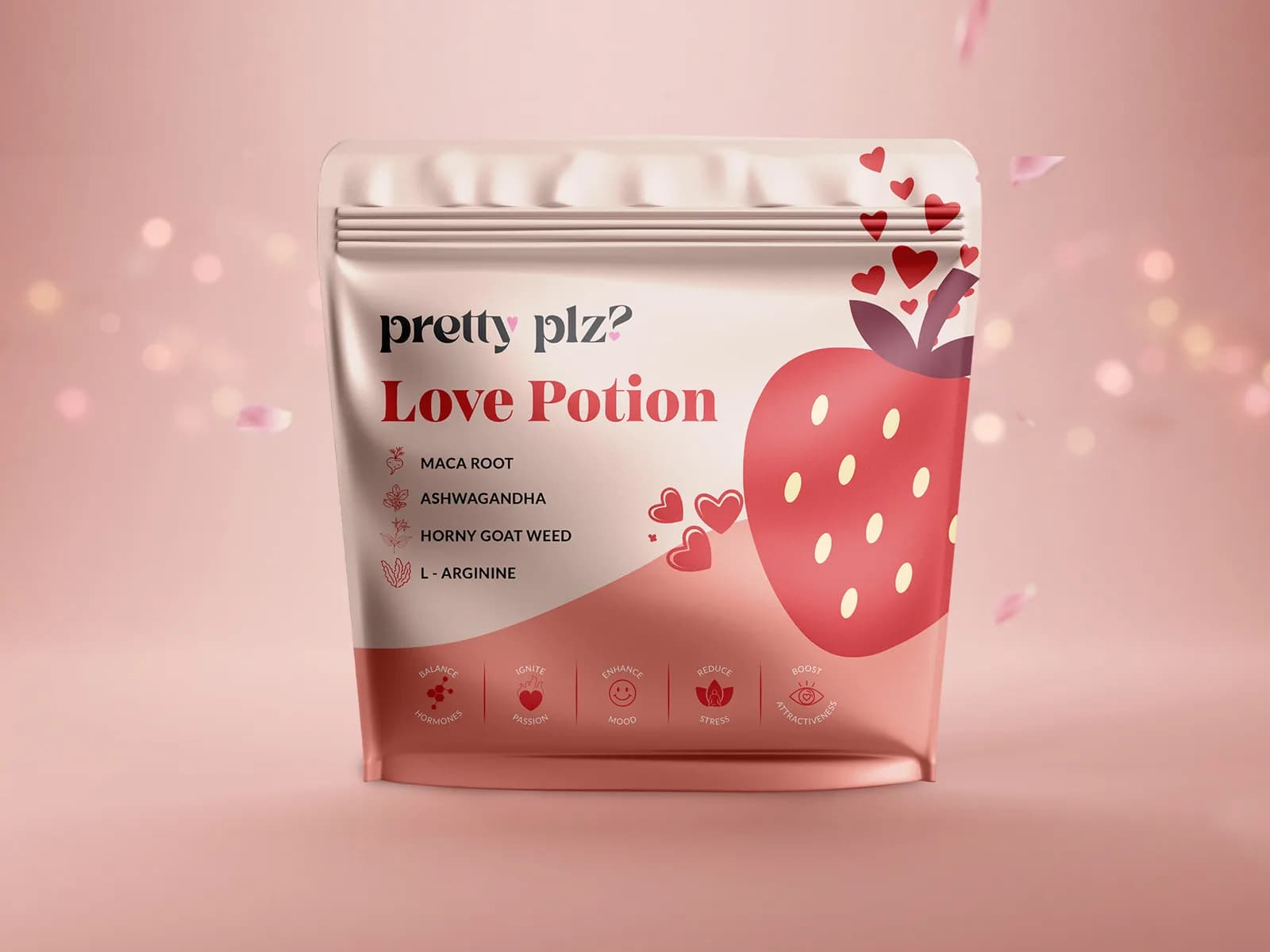
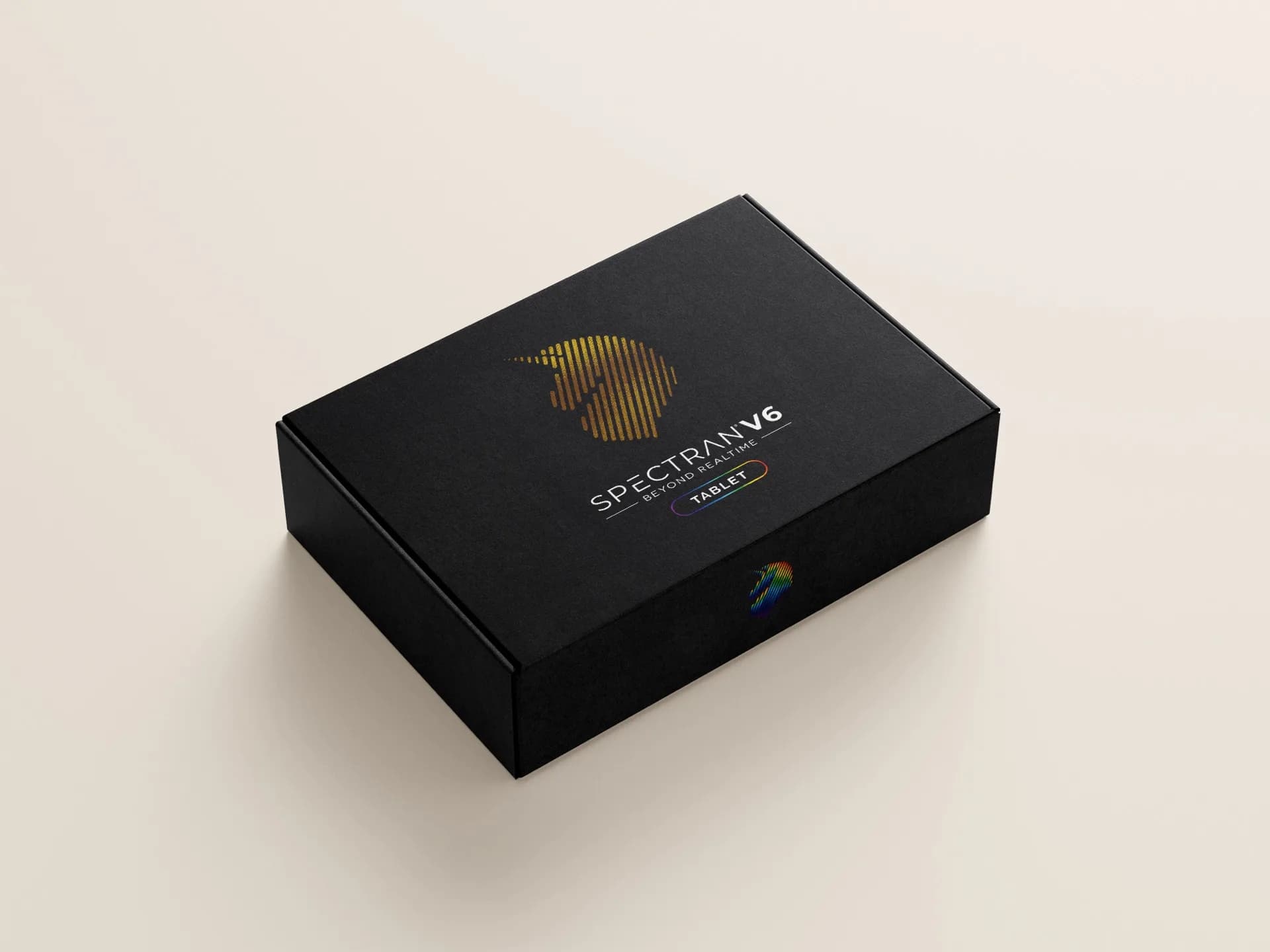
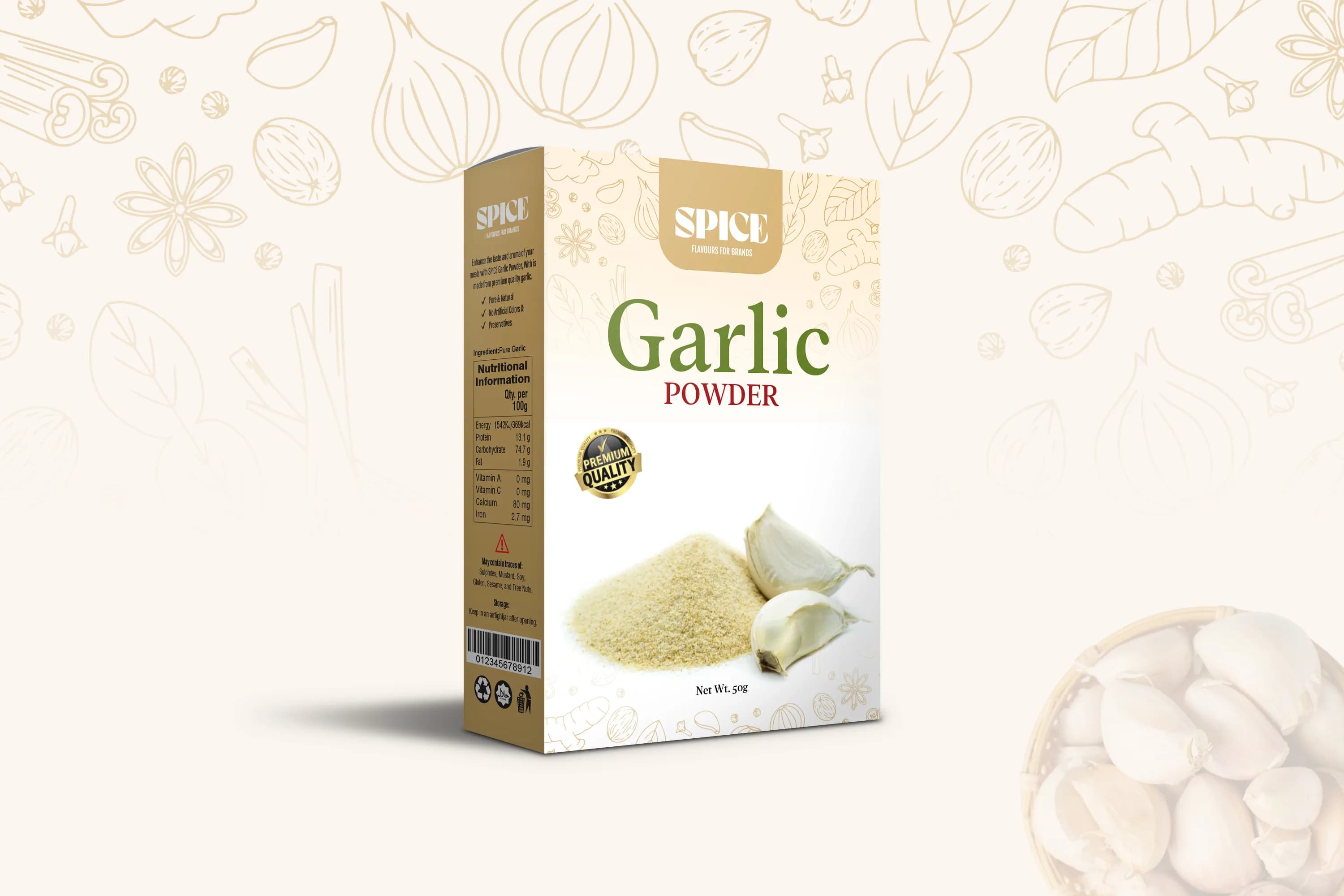
We're always-on to deliver the
packaging you want, when you need it
Primary and secondary packaging files
Label artwork with INCI ingredient lists
Dielines for all packaging components
Photorealistic 3D renders
Pantone and CMYK specifications
Cosmetic Packaging Design: The Complete Guide
A complete reference for brand managers, designers, and marketers making packaging decisions.
Cosmetic packaging: where brand identity and regulatory compliance intersect
One of the most regulated categories
The challengeCosmetic packaging is simultaneously one of the most brand-expressive categories and one of the most heavily regulated. EU Regulation 1223/2009, UK post-Brexit equivalents, and the Modernization of Cosmetics Regulation Act of 2022 (MoCRA) all specify mandatory label elements with precision.
Our approachWe apply EU, UK, and US cosmetic labelling requirements from the first concept stage — INCI list, PAO symbol, batch code, responsible person details, and net contents — so the required elements are built into the design, not squeezed in at the end.
Making compliance invisible
The challengeMandatory compliance elements — INCI ingredient list, batch code, PAO symbol, net contents, responsible person details — must be integrated into the design. The worst cosmetic packaging makes compliance look like an afterthought bolted on after the design was finalised.
Our approachWe design compliance elements as part of the layout system, not in opposition to it — so mandatory content occupies its required space without compromising the visual quality of the primary and secondary display panels.
The Process
Mandatory cosmetic label elements by territory
EU Cosmetics Regulation 1223/2009
All cosmetics sold in the EU must include on the label: name and address of the responsible person (EU-based entity); nominal content (net weight or volume); date of minimum durability ("best before" — for products with shelf life under 30 months) OR period after opening (PAO symbol, in months); special precautions for use; batch number or reference for identification; function of the product; INCI ingredient list. The PAO symbol (an open jar with a number and "M" for months) is one of the most commonly missed mandatory elements on cosmetic labels submitted for compliance review.
INCI ingredient list formatting
The International Nomenclature of Cosmetic Ingredients (INCI) list must name every ingredient in descending order of concentration, using INCI nomenclature (Latin botanical names for plant-derived ingredients, INCI standard names for chemical ingredients). Ingredients at or below 1% concentration may be listed in any order, but must follow all ingredients above 1%. Colorants may be listed at the end in any order using Colour Index (CI) numbers. Minimum type size is typically 0.9mm height for the main label and 0.75mm in certain circumstances — below these sizes the list is not legally compliant.
US MoCRA requirements (from 2023)
The Modernization of Cosmetics Regulation Act of 2022 introduced the most significant changes to US cosmetic regulation in decades. Key labelling implications: facility registration is required for cosmetic manufacturers; product listing with FDA is required; "professional-use only" cosmetics have specific additional requirements; fragrance allergen disclosure on labels is now required for the 26 fragrance allergens identified in EU regulations. MoCRA compliance is evolving — cosmetic brands selling in the US should review their labels against the current FDA guidance documents.
Primary vs secondary packaging in cosmetics
Cosmetic products typically have two packaging layers: primary packaging (the container in direct contact with the product — bottle, jar, tube, compact) and secondary packaging (the outer box or carton). Both may carry mandatory labelling elements, but the rules on which elements must appear where vary by territory.
- EU rule: All mandatory elements must appear on the primary container. If information is impractical due to size (INCI list on a lipstick tube), it may be placed on secondary packaging or an enclosed leaflet, indicated by the "hand pointing to book" symbol on the primary container.
- US rule: The principal display panel (PDP) carries the product identity and net quantity. The information panel carries ingredient listing, name and address of distributor, and warnings. For products with primary and secondary packaging, all required information must appear on the outer label at minimum.
- Design implication: For small primaries (lip gloss, travel-size skincare), the INCI list often cannot fit on the container. This must be planned during structural briefing — not discovered after the packaging has been manufactured and printed.
Got Any Questions?


Your packaging deserves
better than “good enough.”
Book a free 15-minute call and we'll scope your packaging together — or send us a message to get started.