
Service
Bottle Label Design
Front, back, and neck labels that sell.
The bottle label is one of the most viewed pieces of design in retail. We design front, back, and neck labels for every bottle type and category — creating cohesive label systems that communicate brand quality at first glance.
Quick Answer
Bottle label design creates substrate-matched, print-ready artwork for glass, plastic, and aluminium bottle labels — covering wrap-around, front/back, and neck label configurations with correct bleeds for your specific container geometry.
What's Included
Everything delivered, as standard
Every Bottle Label Design project includes these deliverables — no extras, no upsells, no surprises.
Packaging expertise across
7 product categories
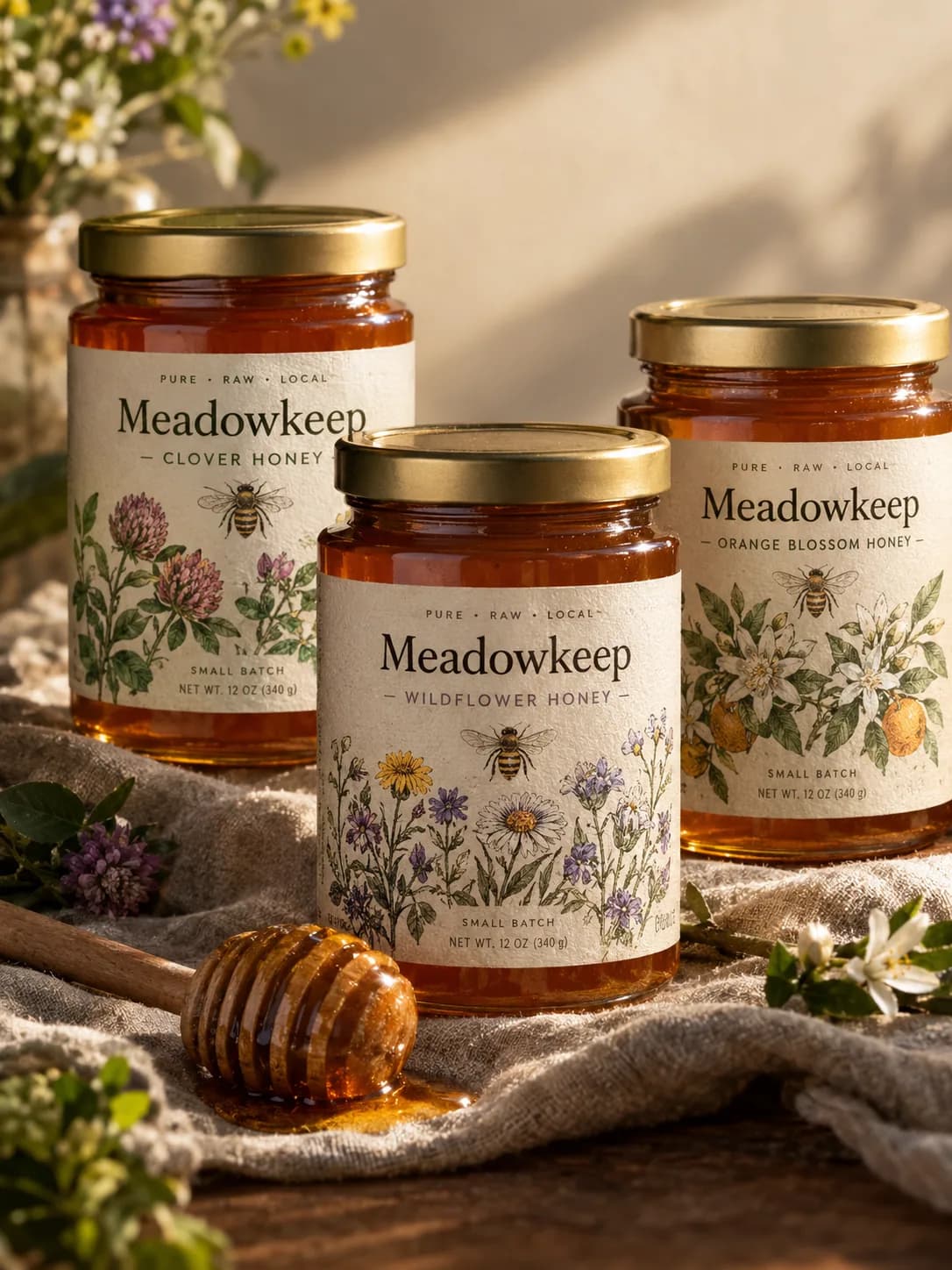
Spirits & Whisky
Wine
Craft Beer
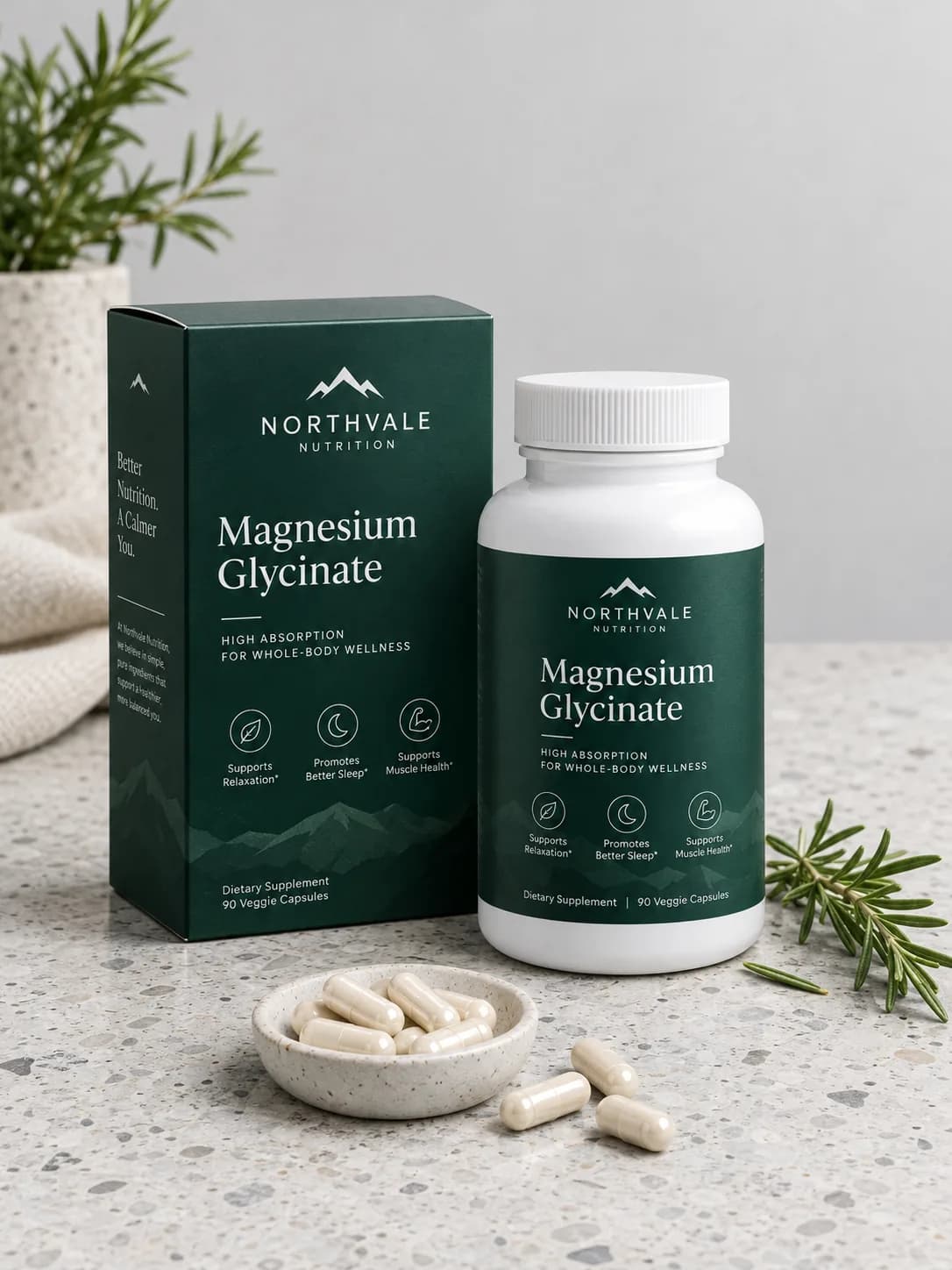
Supplements
Soft Drinks & Water
Olive Oil & Condiments
CBD Tinctures
Bottle Label Design
Front, back, and neck labels that sell.
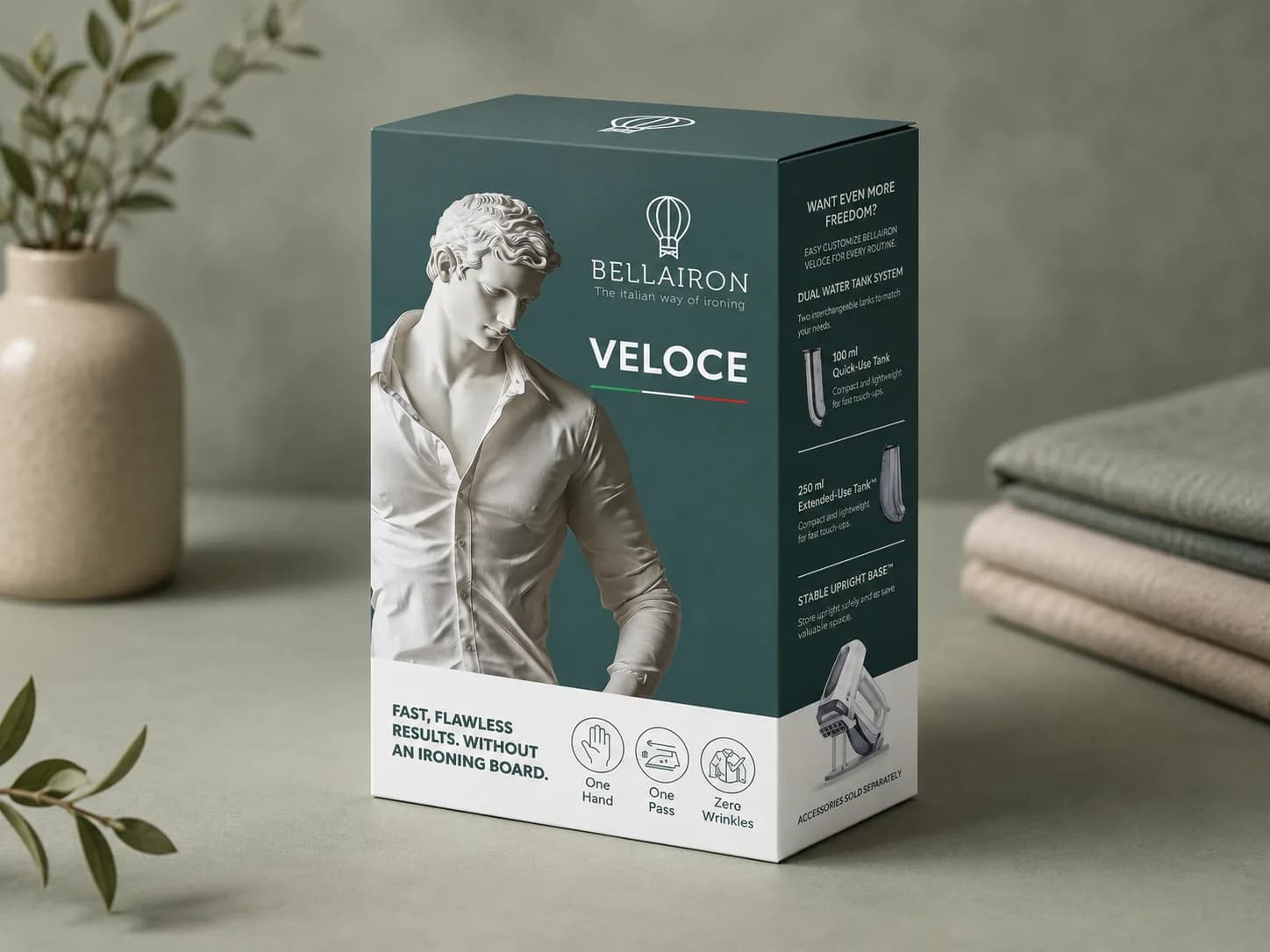
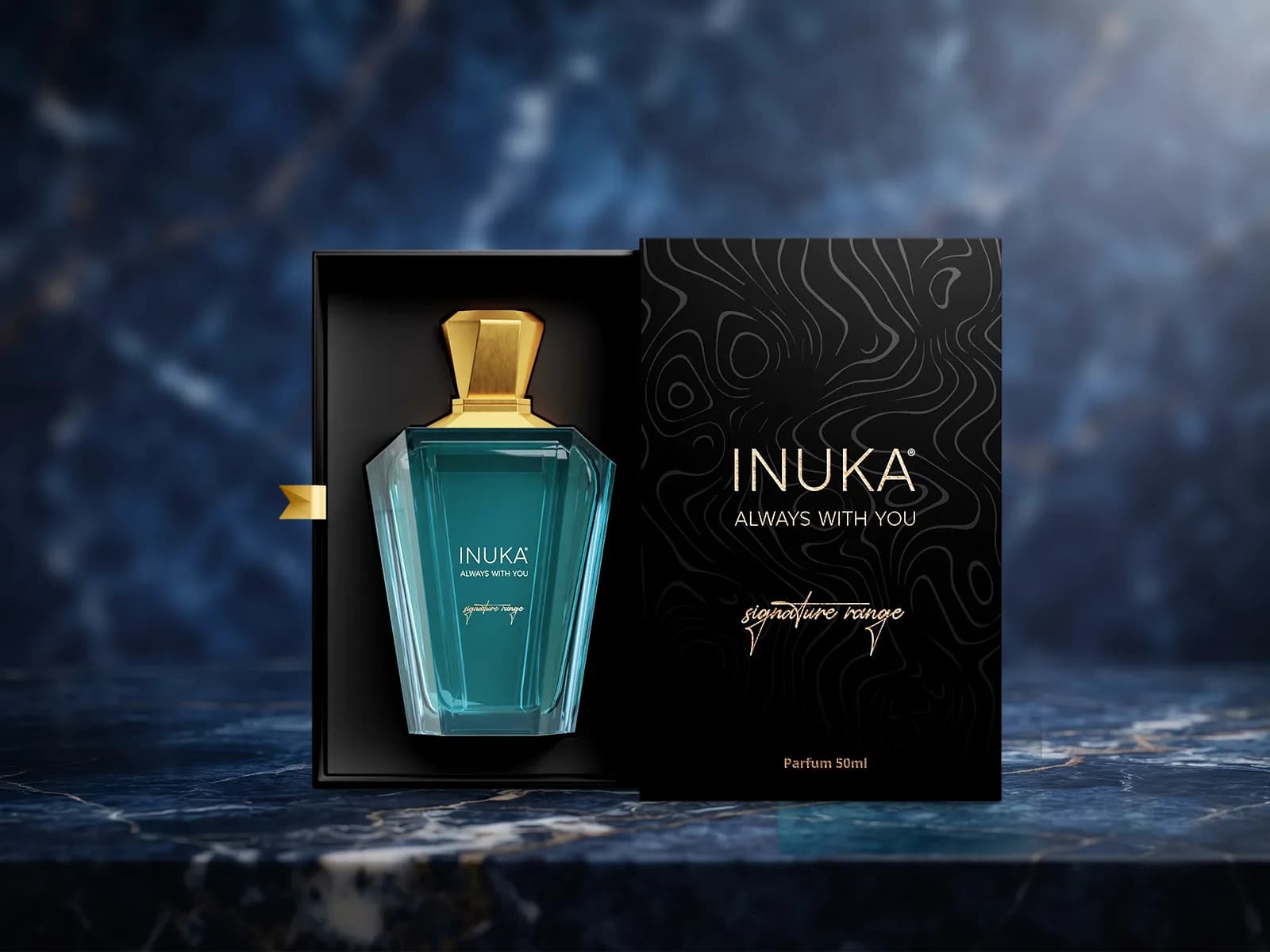
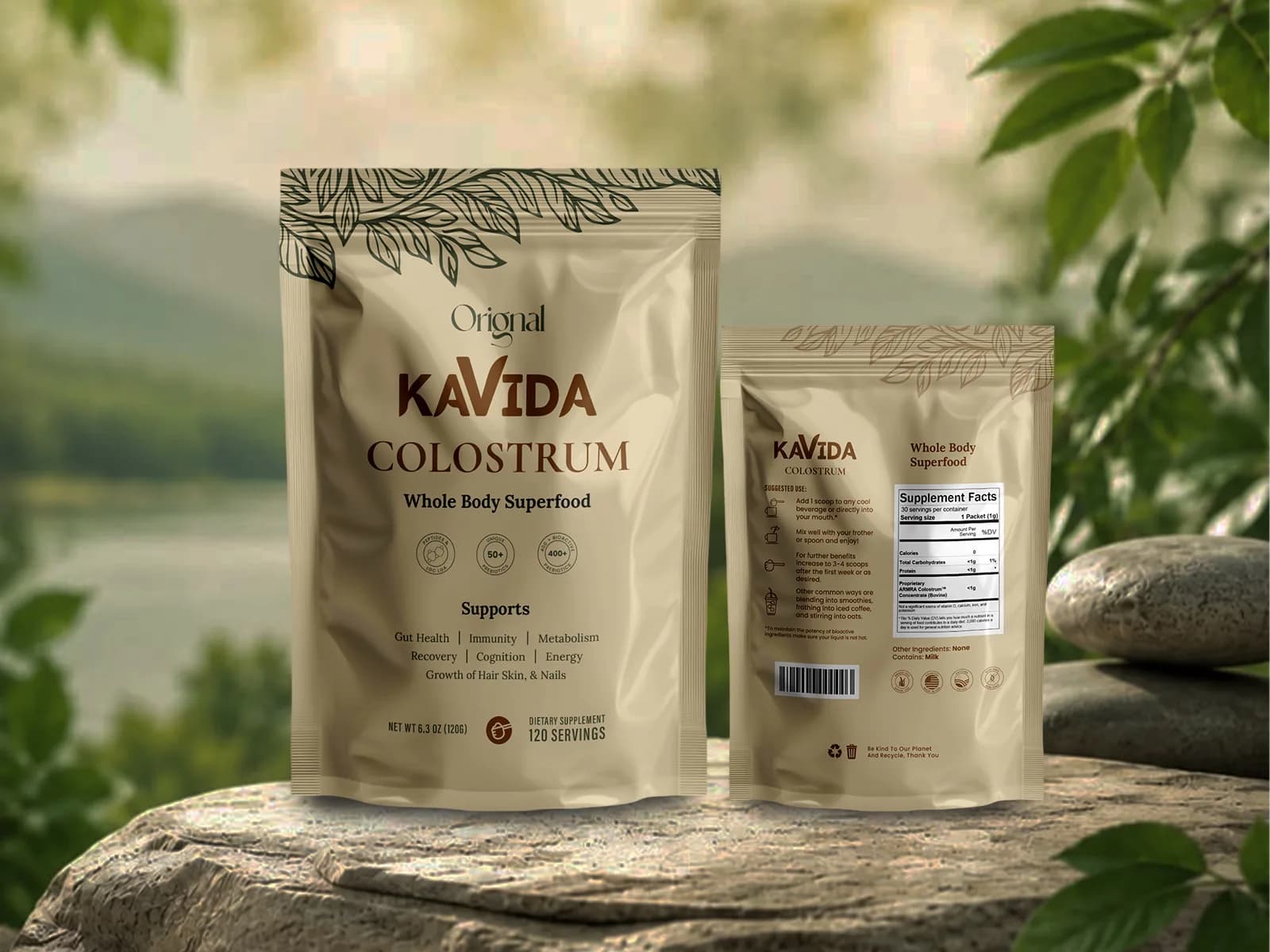
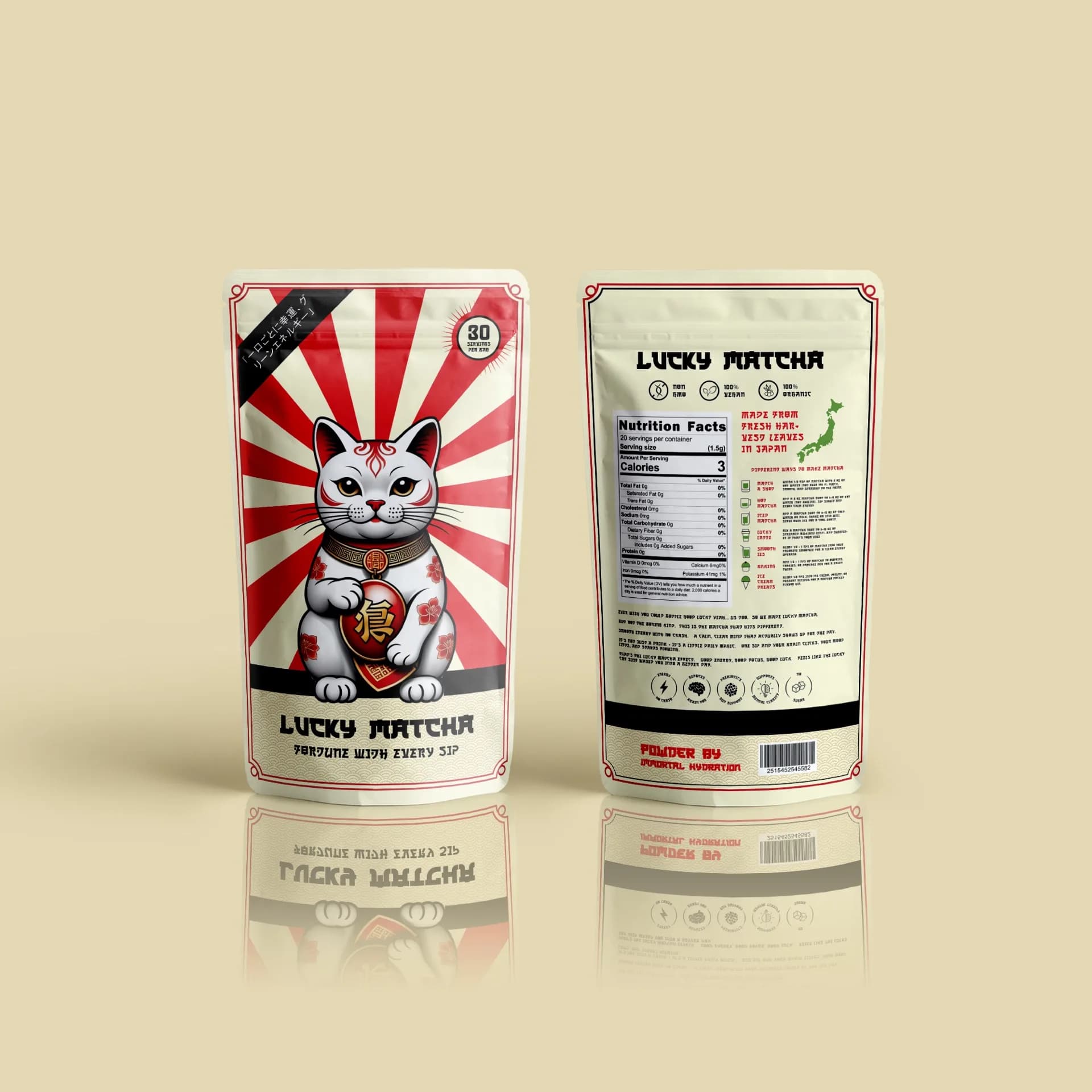
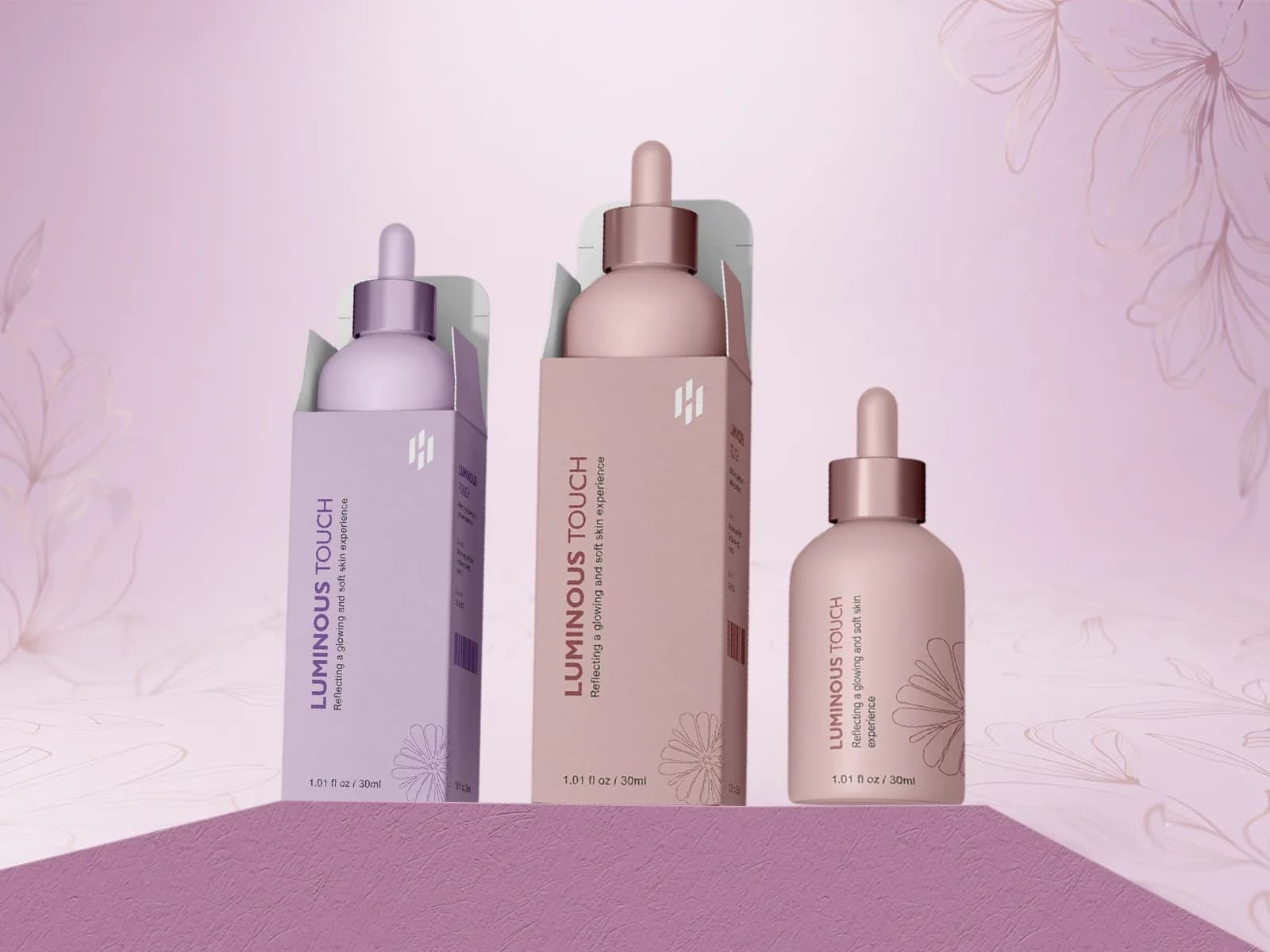
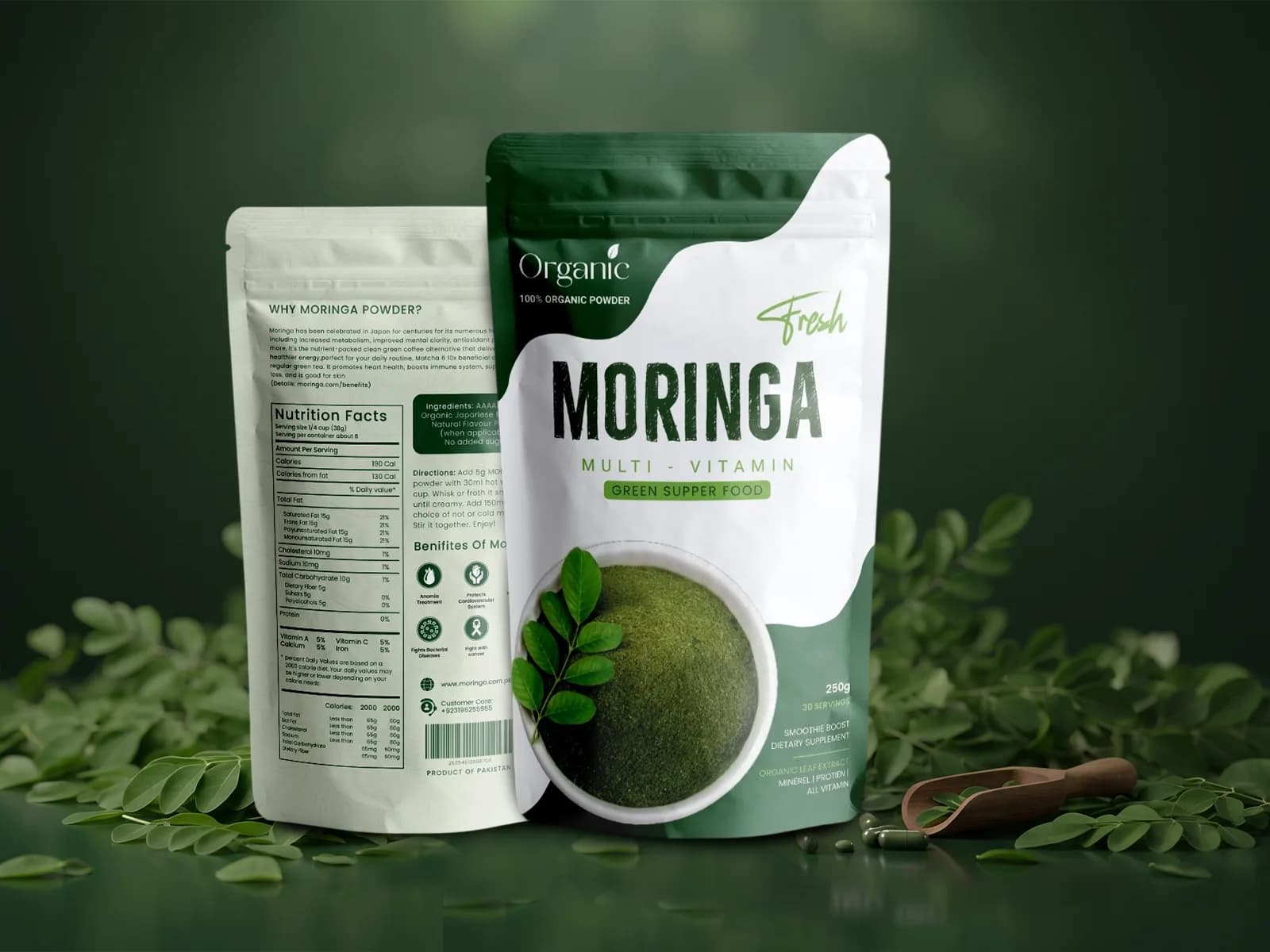
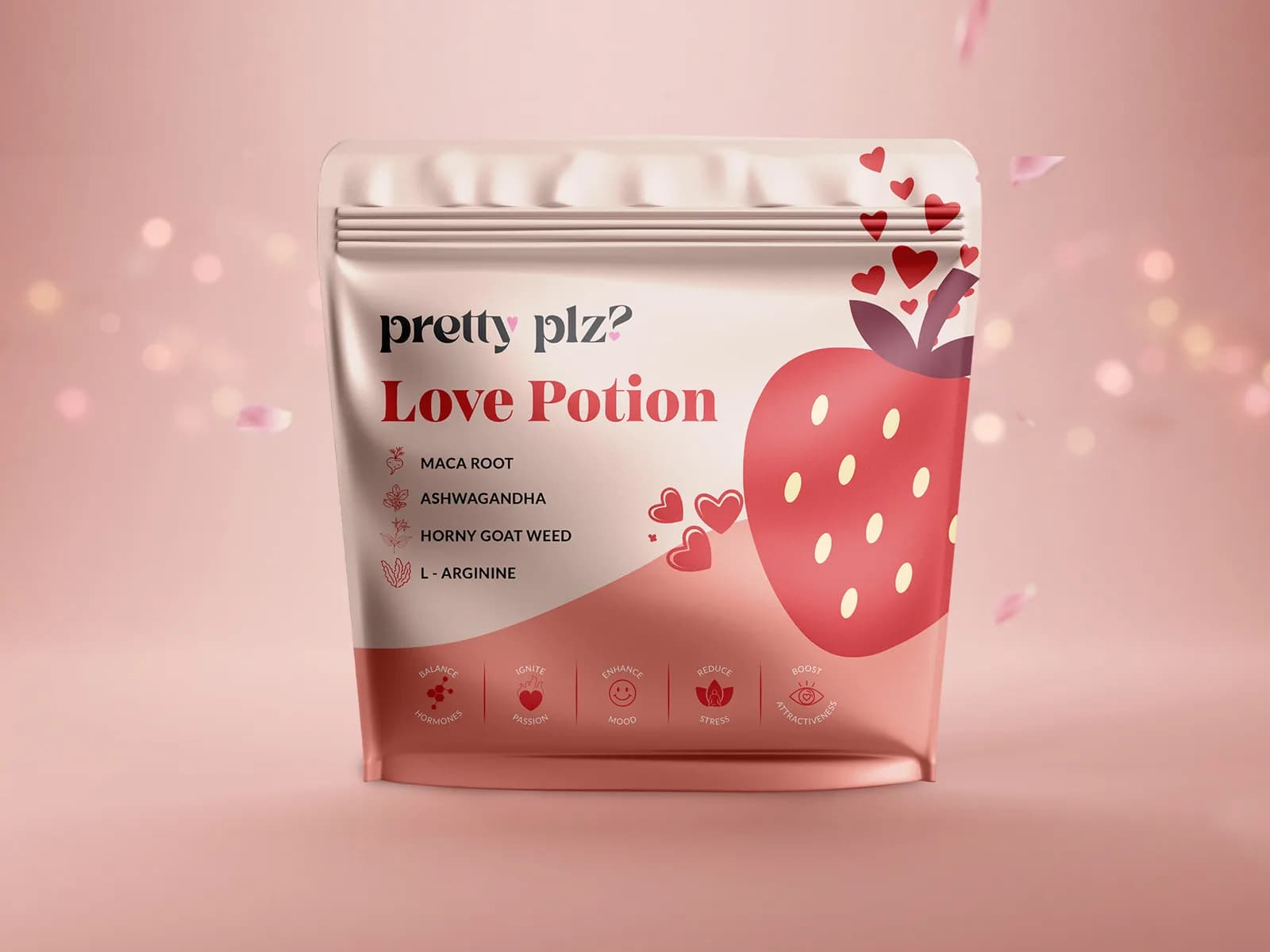
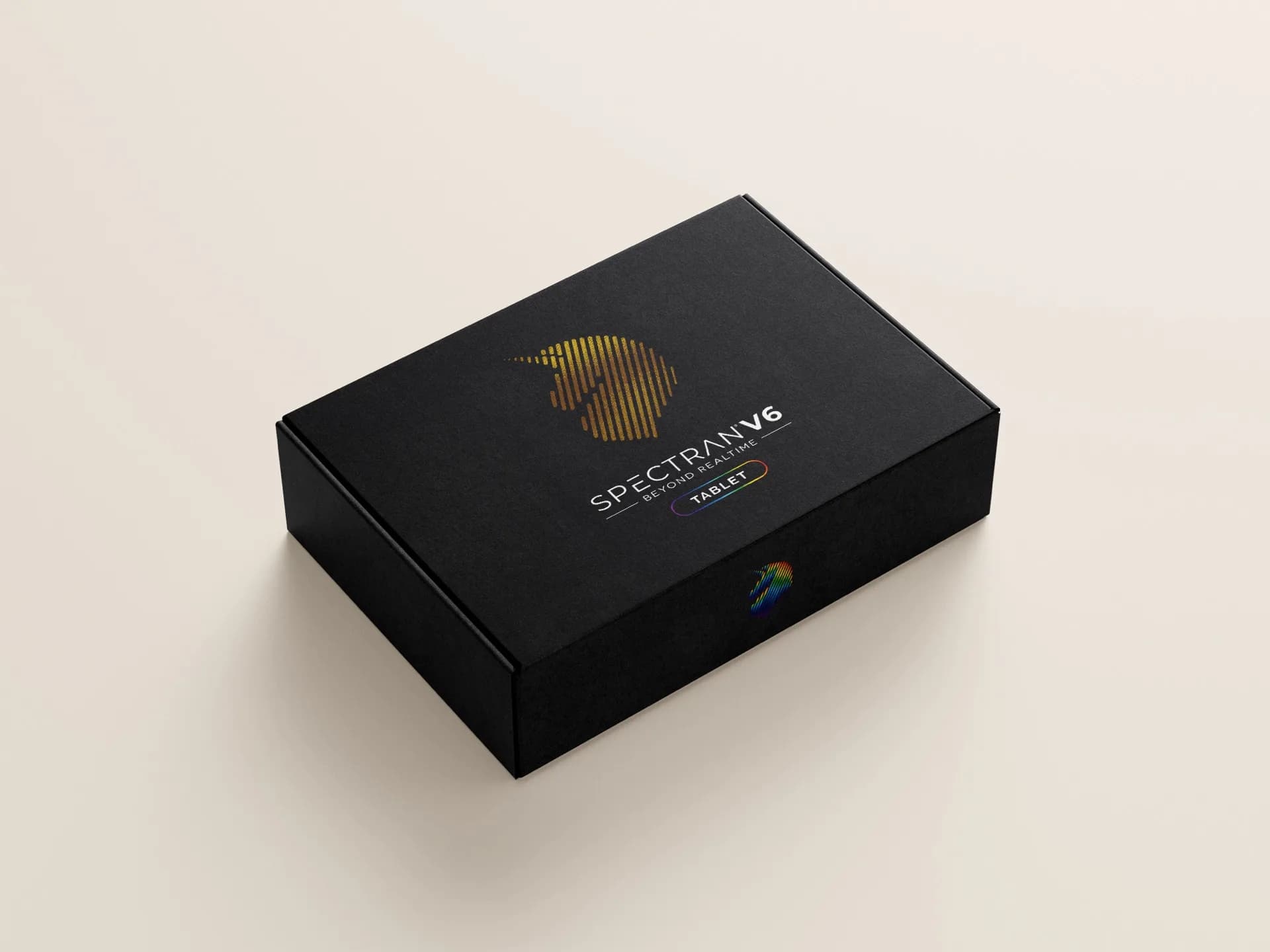
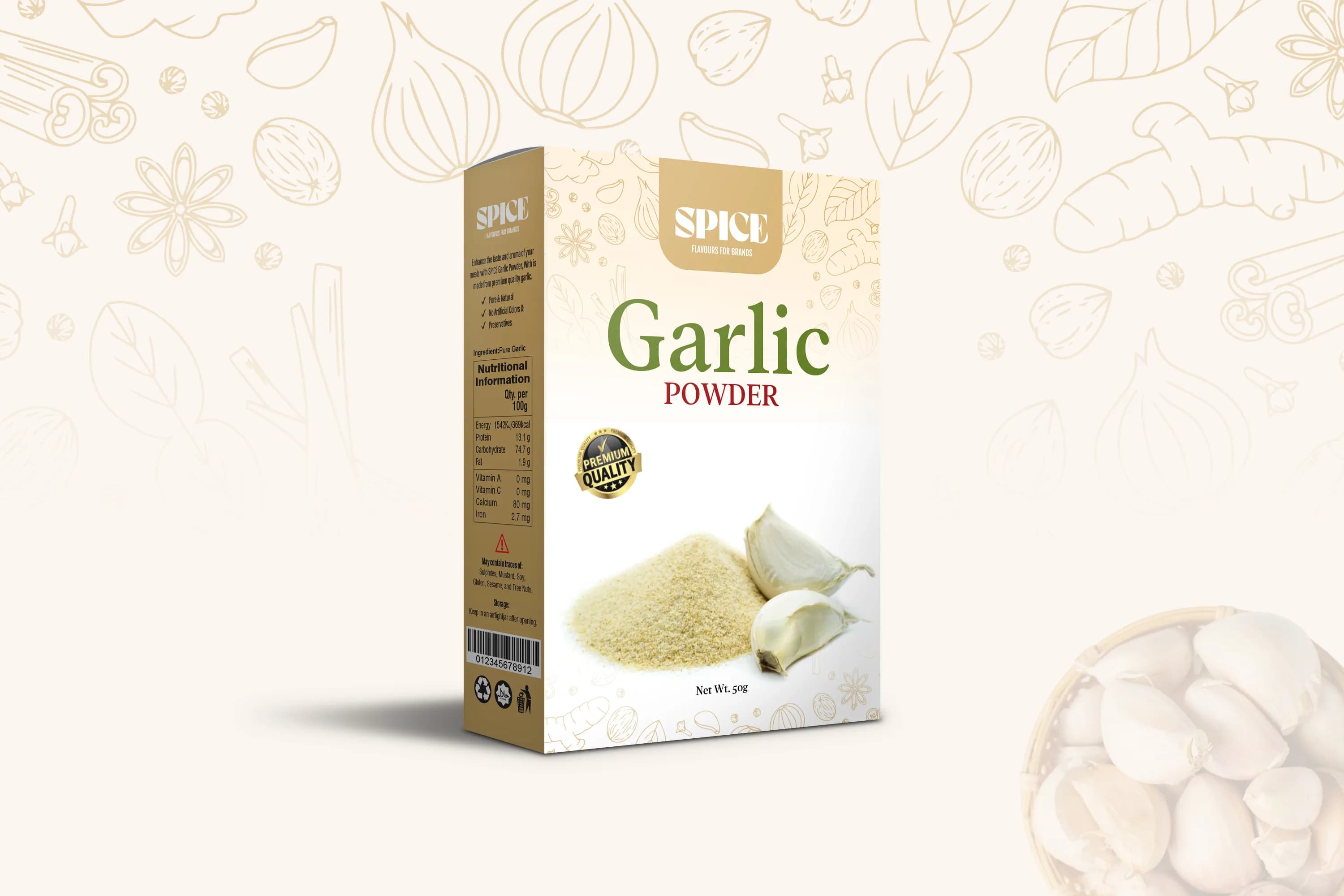
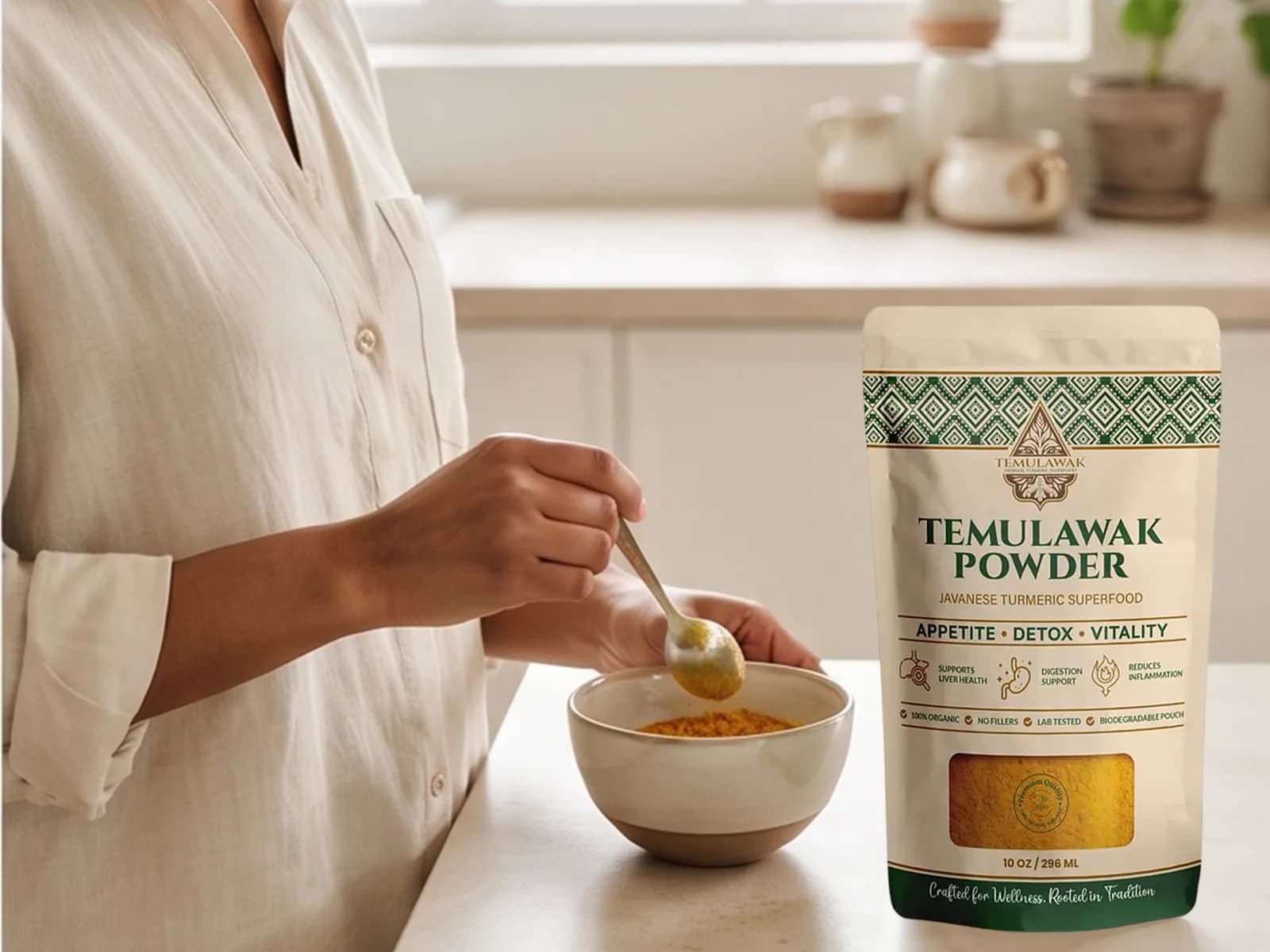
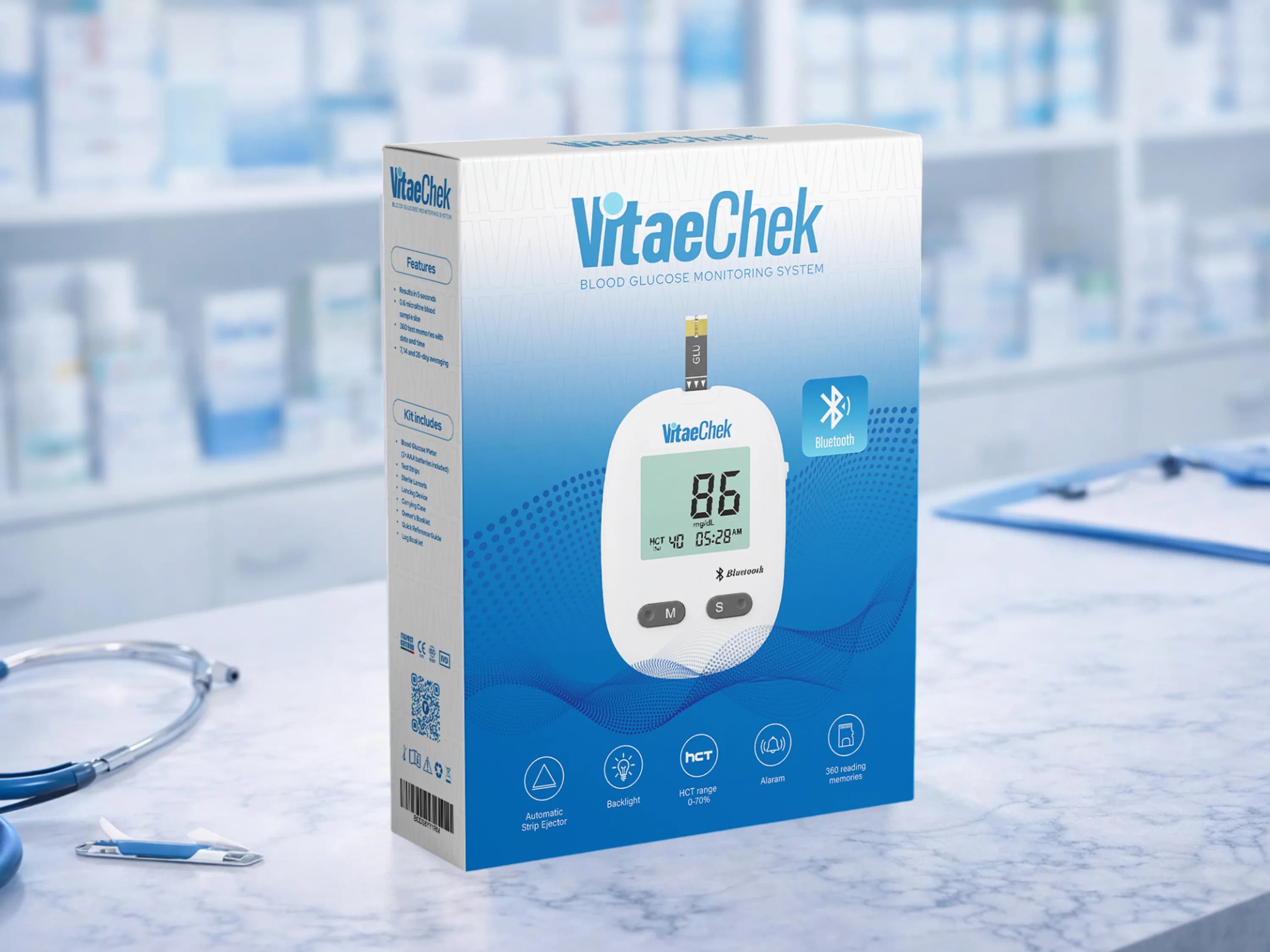
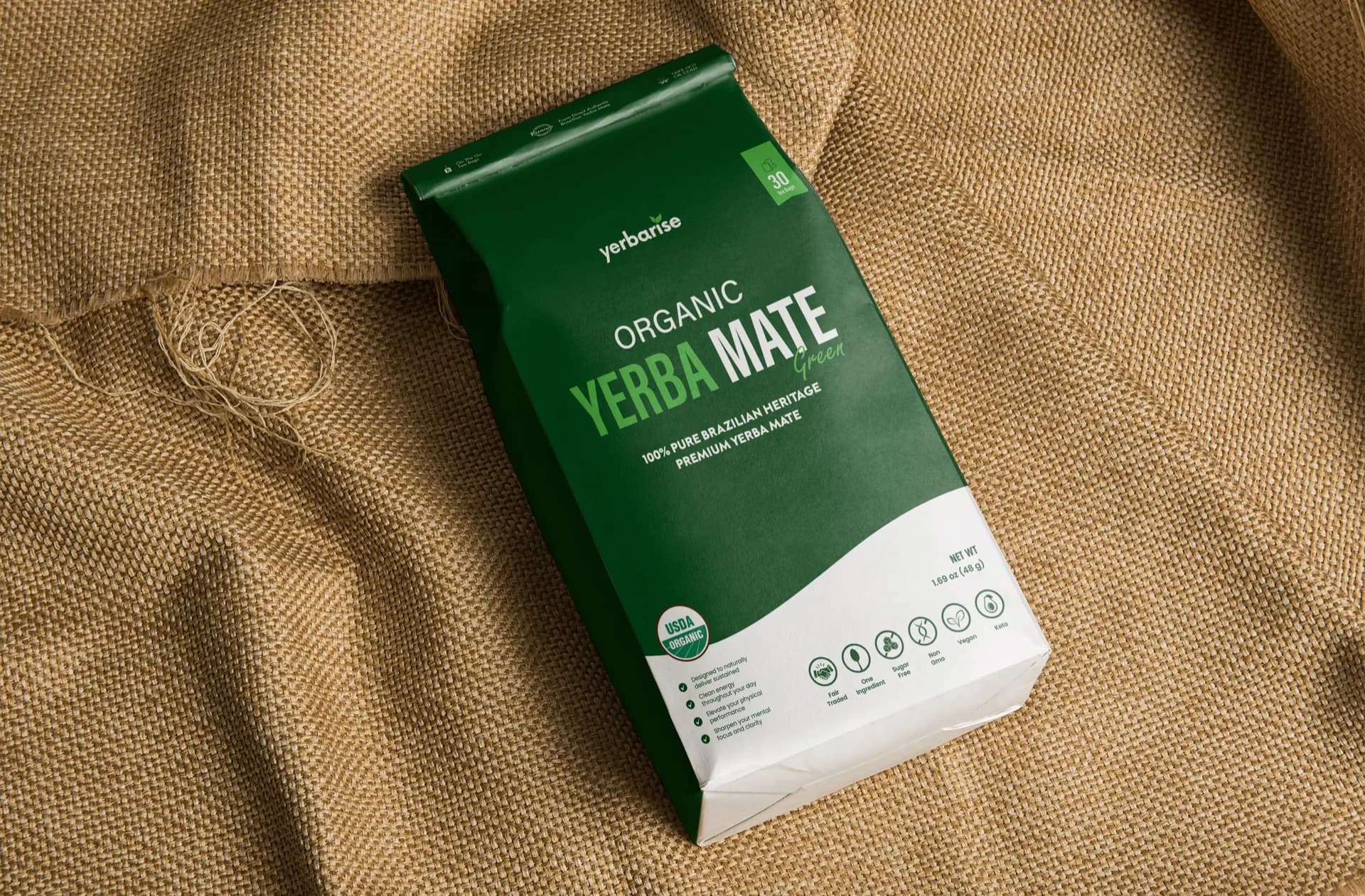
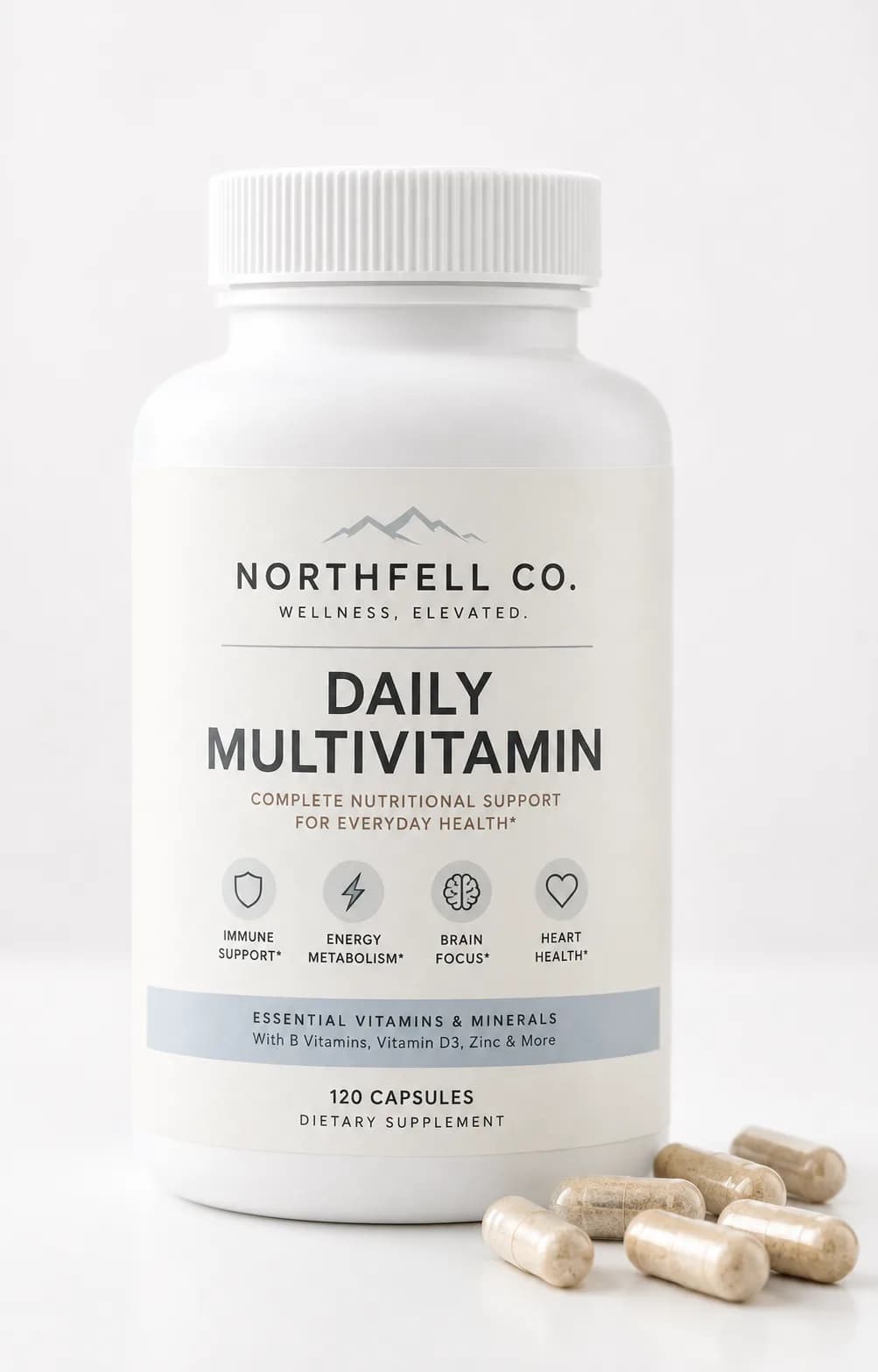
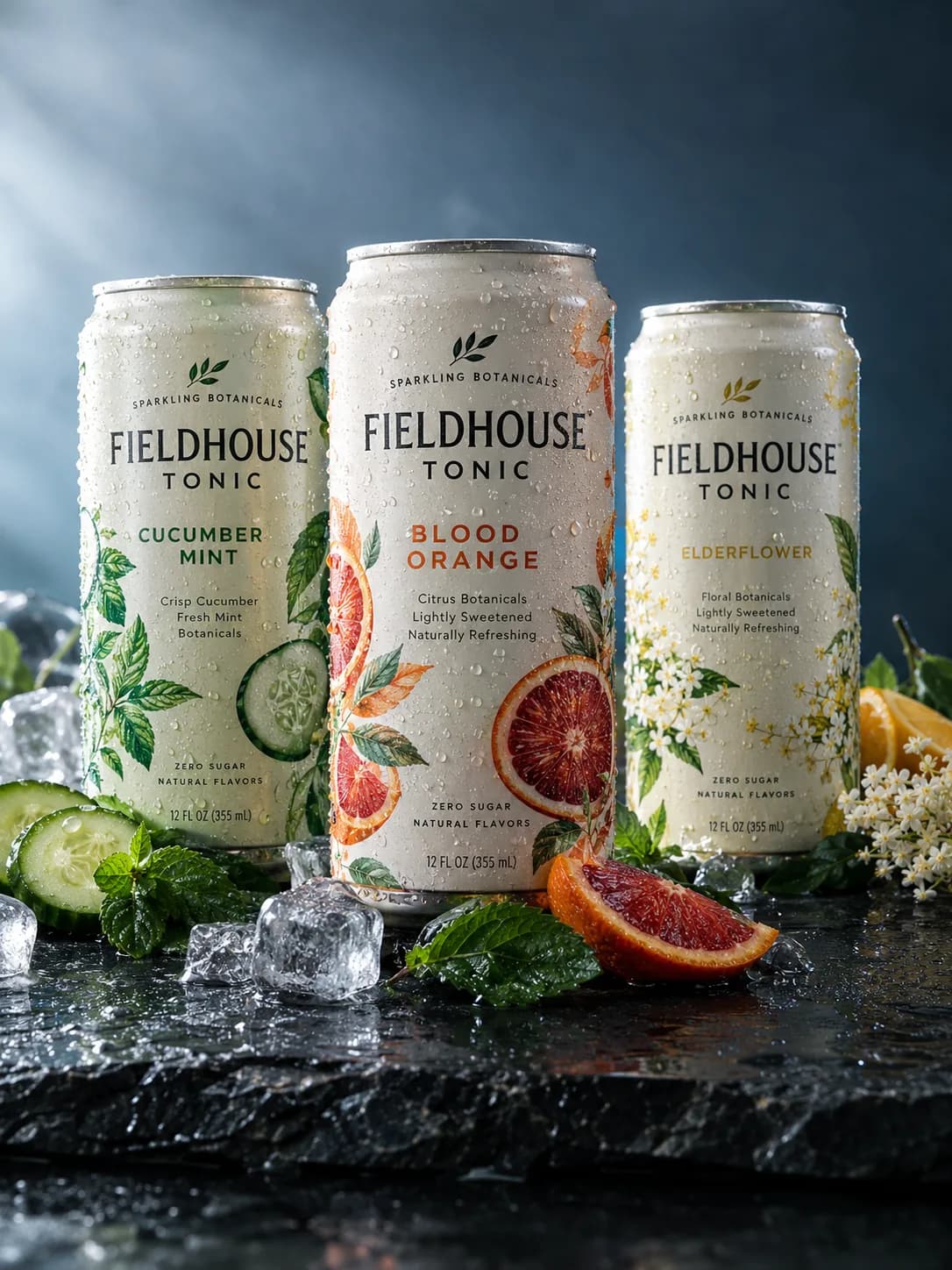
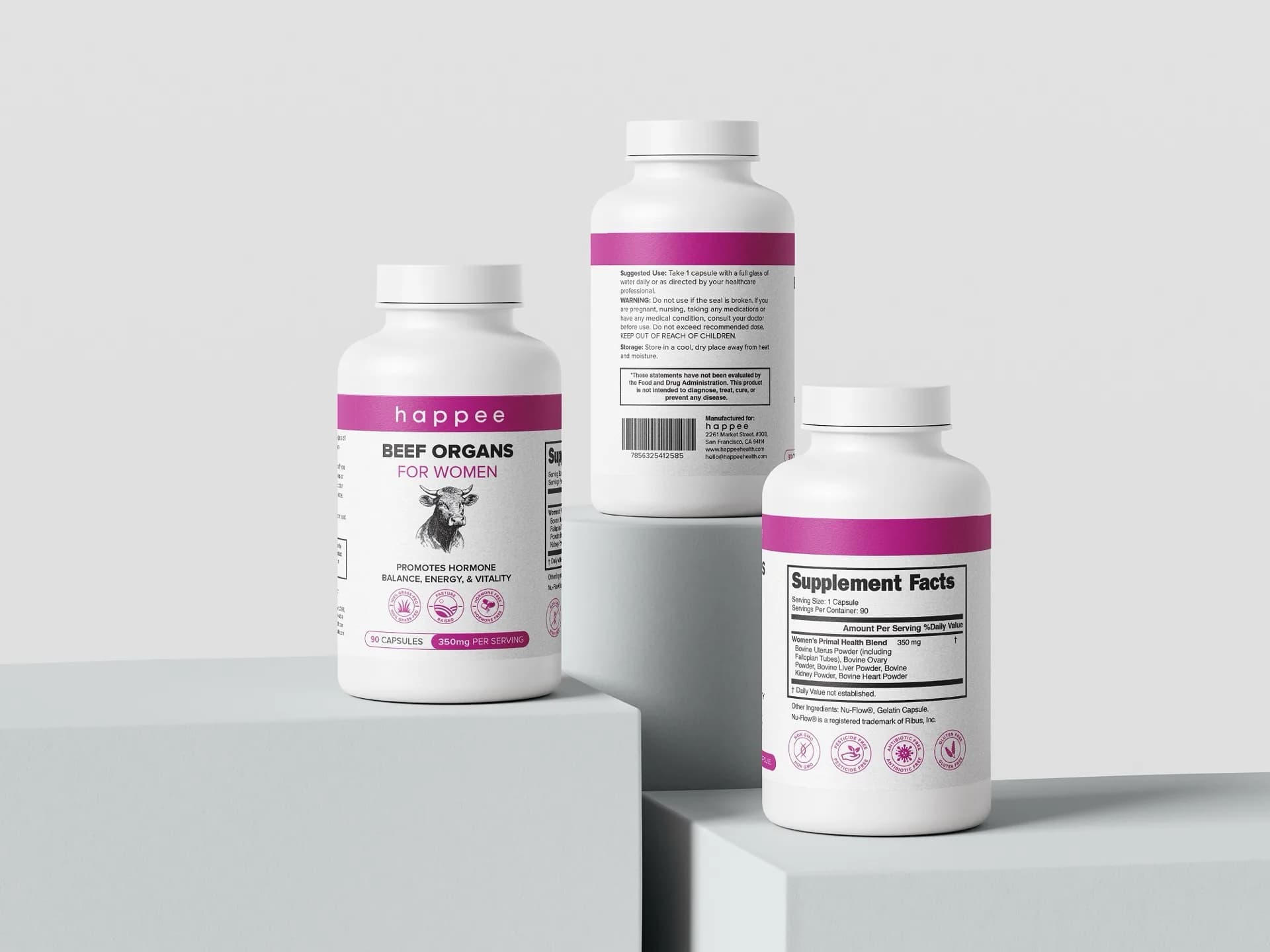
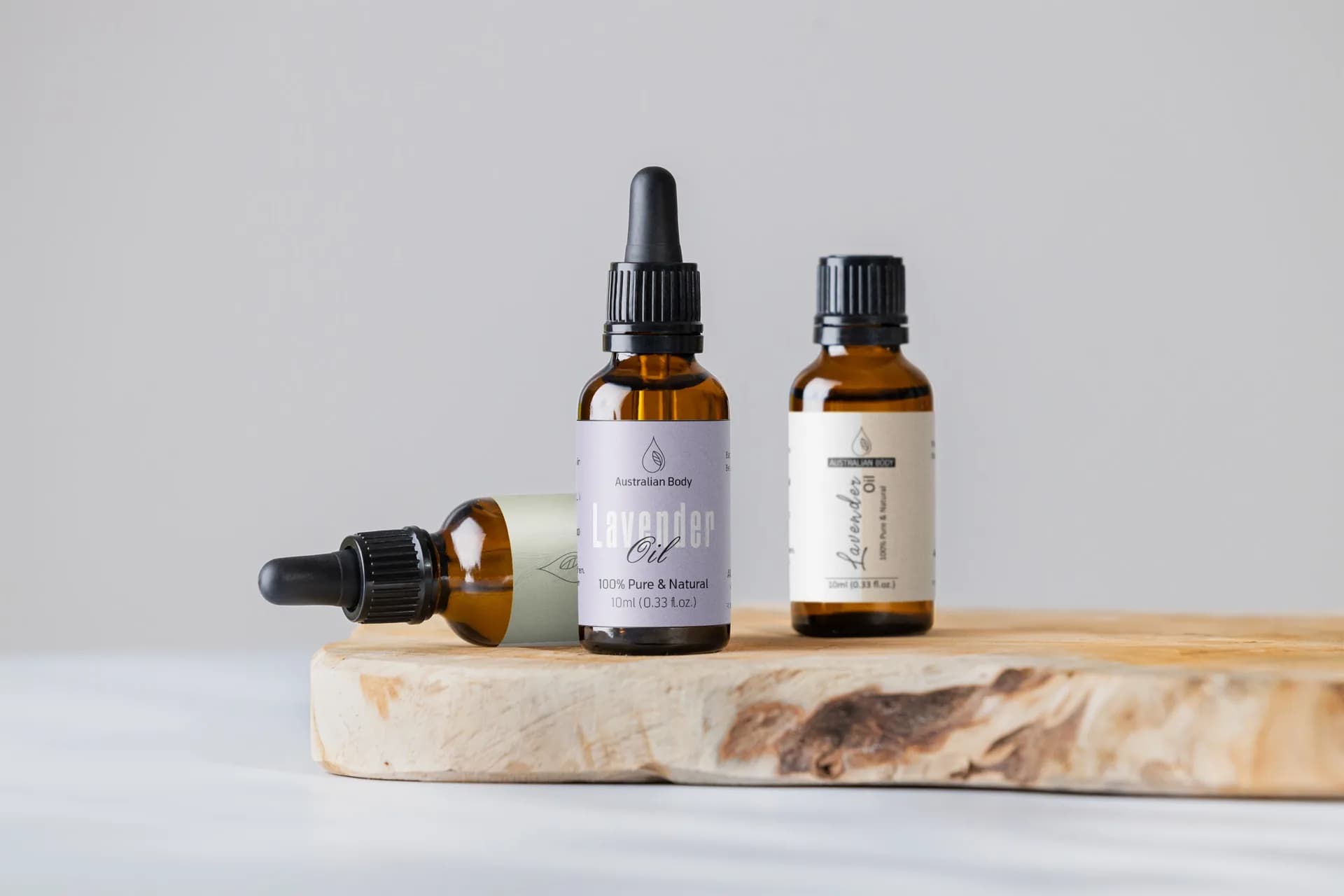
We're always-on to deliver the
packaging you want, when you need it
Print-ready front, back, and neck label artwork
Label dielines for all shapes
CMYK and Pantone files
Specialty finish separations
3D bottle label mockups
Bottle Label Design: The Complete Guide
A complete reference for brand managers, designers, and marketers making packaging decisions.
The Category
What makes bottle labels different
A bottle label is often the whole brand. On a wine, spirit, sauce or supplement bottle, there's no carton to carry the story. The label does all of it, in a few square centimetres, on a curved surface.
Bottles are also handled and reused more than most packs. They come out of the fridge wet, sit by the bath, get passed round the table. The label has to stay on, stay readable and still look good after weeks of use.
Bottles also work in groups. On a shelf, in a gift set or behind a bar, several bottles from the same range sit side by side, and the label system should look deliberate when they do.
Front, back and neck
The challengeOn shelf, only the front label shows. The back has to hold the legal information. The neck may be all that's visible in a fridge door or a crowded bar.
Our approachWe plan each label's job before designing: the front sells, the back informs, and the neck or cap marks recognition where space is tight.
Conditions shape materials
The challengeIce buckets, fridges, oils and steam can wrinkle or lift labels that weren't chosen for them.
Our approachWe ask how the bottle will be stored and used, so you and your label printer can choose a stock and adhesive that suit it.
Design Decisions
Shapes, stocks and the rules for your category
The bottle's shape and the product's category set most of the boundaries for the label.
- Label panel. Every bottle has a usable label area, often shown on the bottle supplier's drawing. Curves at the shoulder and heel limit how tall a label can be.
- Label shapes. Rectangles are simplest and cheapest. Shaped labels, such as arches or shields, can make a bottle more distinctive but may need custom cutting tools.
- Stocks. Textured papers suit wine and craft spirits. Film labels resist water and oil. Clear labels give a no-label look but need careful use of white ink to stay readable.
- Finishes. Foil, embossing and tactile varnishes are common in drinks. They work best used sparingly, on the details you want people to notice.
- Range systems. Ranges of flavours, vintages or strengths need a consistent frame with one clear element that changes.
Glass colour changes the label. Amber, green and clear glass each alter how label colours look against them, and a dark liquid behind clear glass does the same. Choose label colours with the filled bottle in mind.
Bottle labels carry whatever mandatory information the product needs, and that varies widely. Alcoholic drinks often have rules on alcohol content, volume, allergens and health warnings, and in some markets labels must be approved before sale. Food, supplements and cosmetics each follow their own rules. Requirements differ by country, so confirm them with the relevant authority or a regulatory adviser before designing the back label.
Wrap a printed label mockup around an actual bottle before approving the design. It's the quickest way to find text that disappears round the curve or a front label that sits too high or low. Check it in the light where it'll be sold, too: a bright shop, a dim bar or a fridge.
The Process
How a bottle label project runs
We start with the bottle itself and the rules for your product, then design the label system around them. Bottle projects often run alongside a supplier's lead time for glass, so we confirm dates early.
Bottle and printer details
Bottle drawing or samples, label areas, your label printer's specification, application method and the markets you sell in. If the bottle has embossing or a raised logo, we map it so the label avoids it.
Label plan
We decide which labels the bottle needs, such as front, back, neck or seal, and which information goes on each. Small bottles may need a fold-out or peel-back label to fit everything.
Concepts on the bottle
Designs shown as 3D bottle mockups from several angles, alone and in a row, with the product colour showing through glass where relevant.
Back labels and range
Mandatory information laid out using the wording you've confirmed, then the system extended across every variant. Where your market requires label approval before sale, we supply the files your team needs for the submission.
Print-ready labels
Files with cutter guides, finish layers and roll direction as the printer specifies, and a review of their proof when one is provided.
Costs and Pitfalls
Bottle label mistakes, costs and alternatives
Designing on a flat rectangle
A layout that looks balanced flat can have the brand name split across the curve on the bottle.
Over-designing the back label
Decorating the back label until mandatory information becomes hard to read. Keep it clear and well organised.
The wrong adhesive
Standard adhesives on bottles that go in ice buckets or fridges lead to peeling labels. Tell your printer how the bottle will be used.
Too many finishes
Foil, embossing and varnish all at once can look busy and cost more than they return. Choose one hero effect.
Forgetting the closure
A cap, cork or capsule in the wrong colour or finish can undo a good label. Design them together.
Bottle label costs depend on materials, finishes and volumes:
- Stock and adhesive. Textured papers, films and specialist adhesives cost more than standard paper labels.
- Finishes. Foil, embossing and tactile varnish add tooling and press steps.
- Shape. Custom shapes may need new cutting tools.
- Quantities and versions. Digital print suits short runs and many variants; conventional presses lower unit cost on long runs.
- Label count. Each extra label, such as a neck or seal, is more artwork and more material.
Labels aren't the only way to decorate a bottle. Screen printing directly onto glass gives a permanent, premium look for long runs. Shrink sleeves cover unusual shapes and give full coverage. And for gift editions, a printed box or tube can carry the story while the label stays simple.
Got Any Questions?


Your packaging deserves
better than “good enough.”
Book a free 15-minute call and we'll scope your packaging together — or send us a message to get started.