
Service
FMCG Packaging Design
Packaging that moves product at scale.
FMCG packaging operates at a different level of commercial intensity. Your pack must outperform category giants on shelf, meet retailer specifications, and survive high-volume print production — without losing brand equity. We deliver all three.
Quick Answer
FMCG packaging design creates high-volume, shelf-optimised artwork for fast-moving consumer goods — covering retailer compliance requirements, barcode specification, and print-ready files built for consistent reproduction across multiple print runs.
What's Included
Everything delivered, as standard
Every FMCG Packaging Design project includes these deliverables — no extras, no upsells, no surprises.
Packaging expertise across
7 product categories
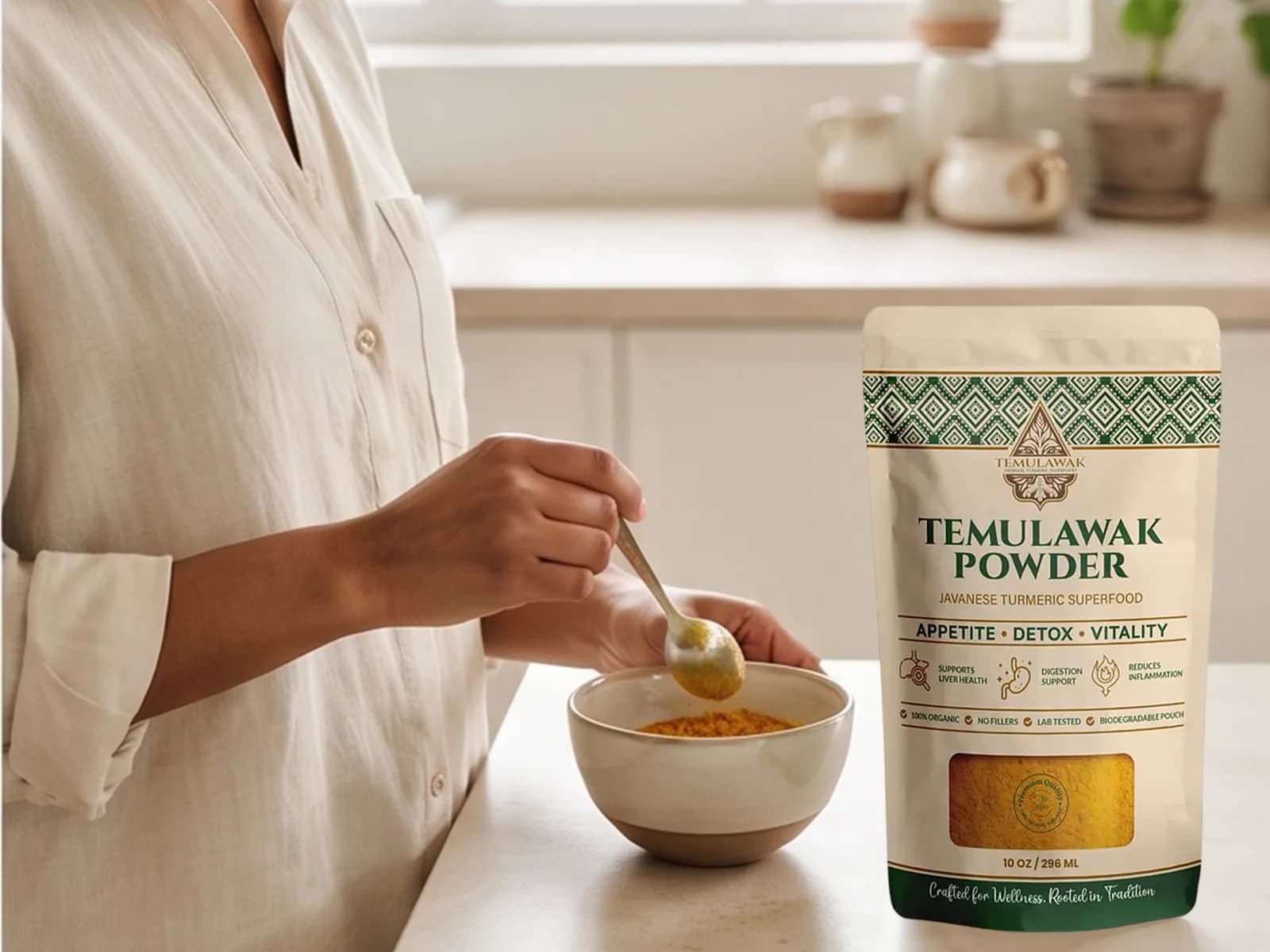
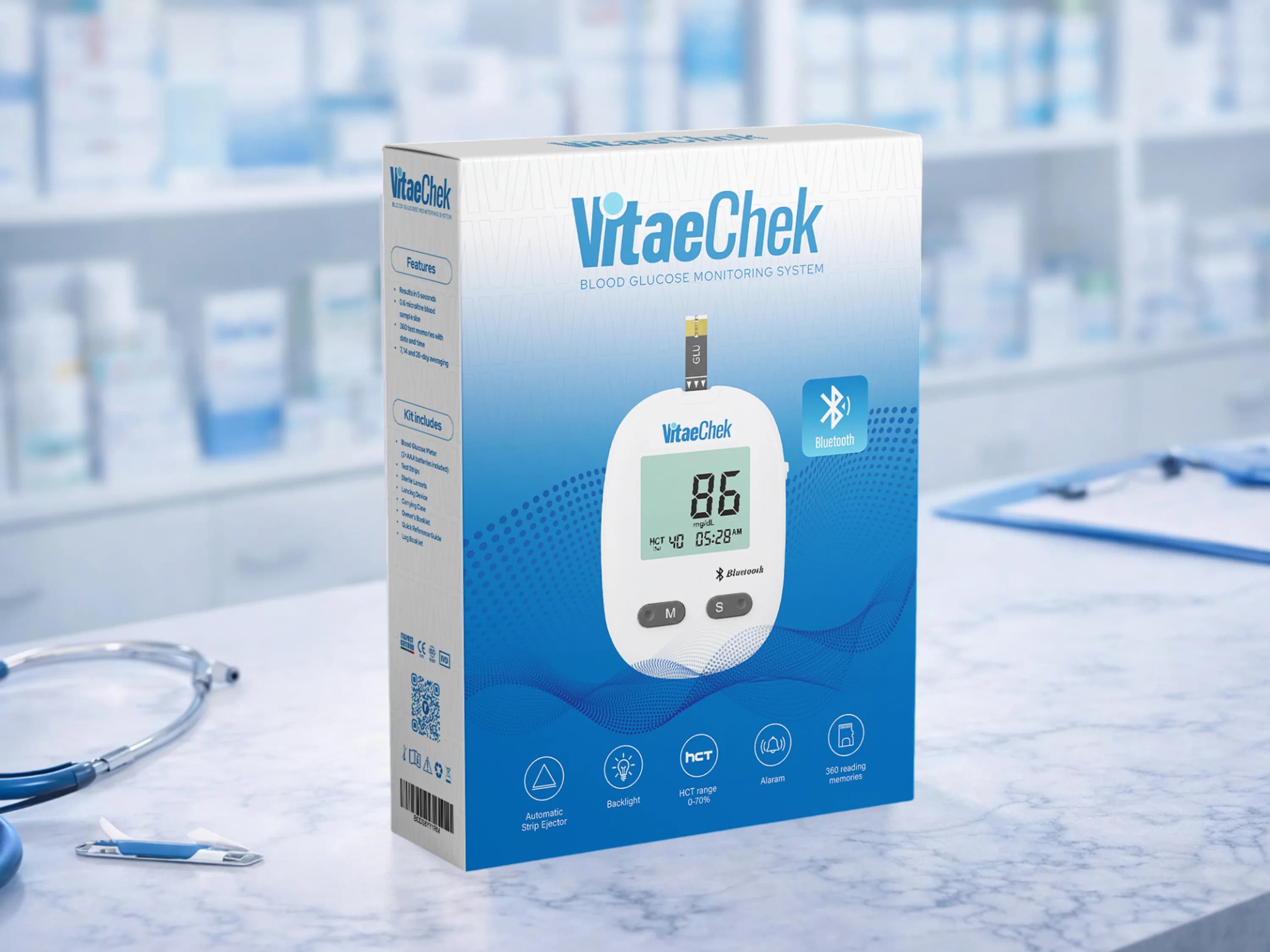
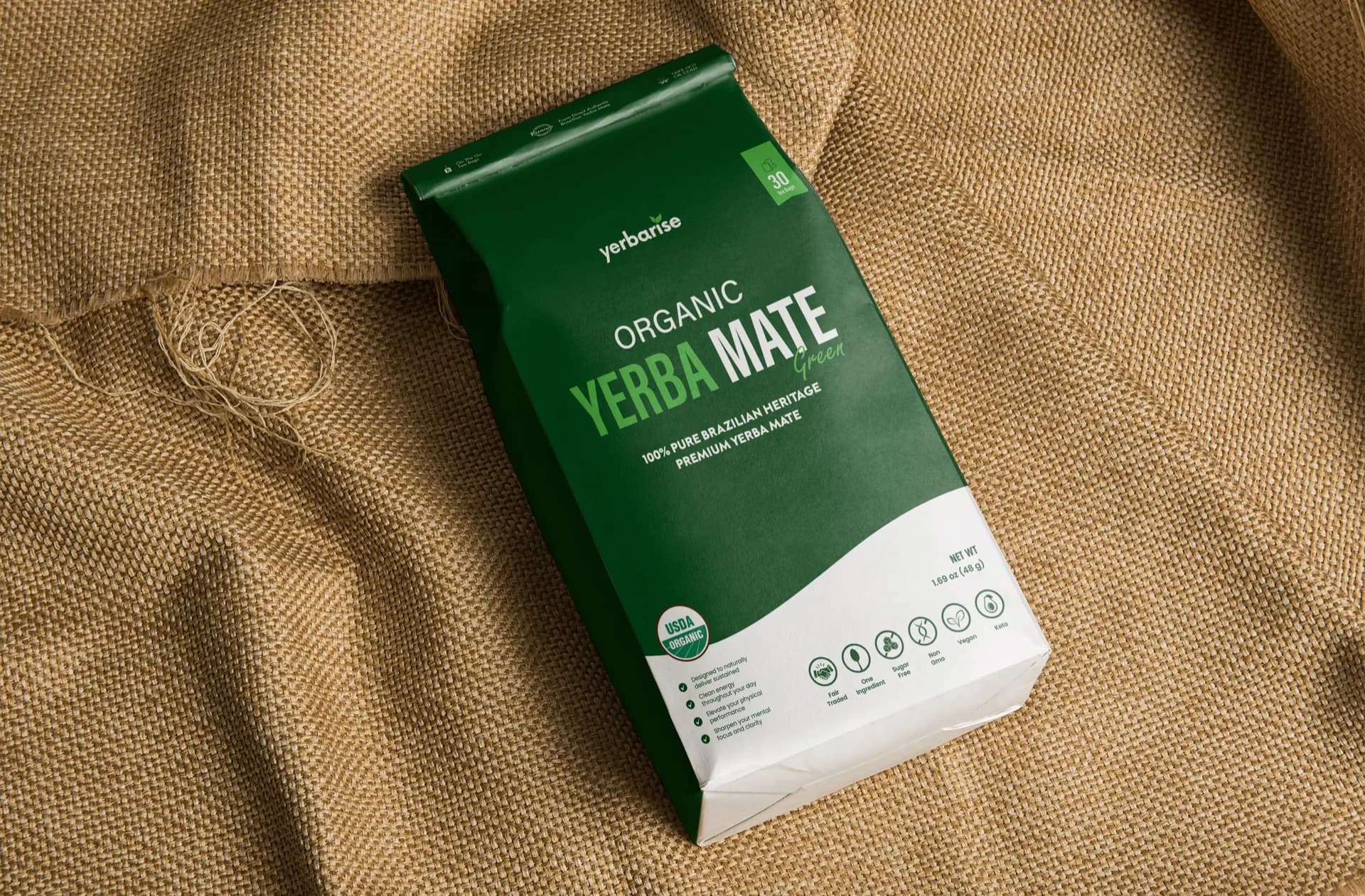
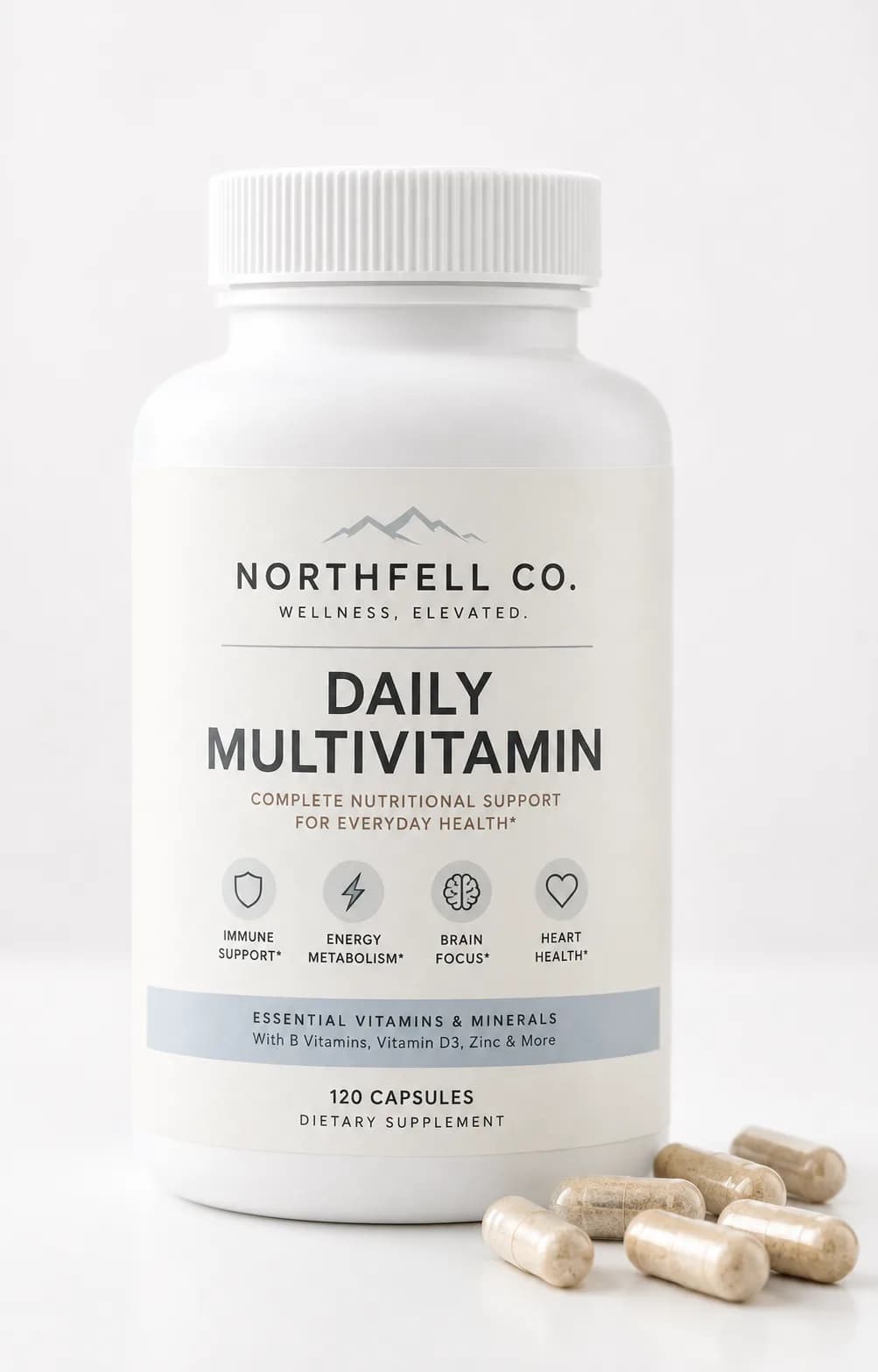
Household Cleaning
Personal Care
Food & Grocery
Pet Care
Health & Wellness
Baby Products
Beverages
FMCG Packaging Design
Packaging that moves product at scale.
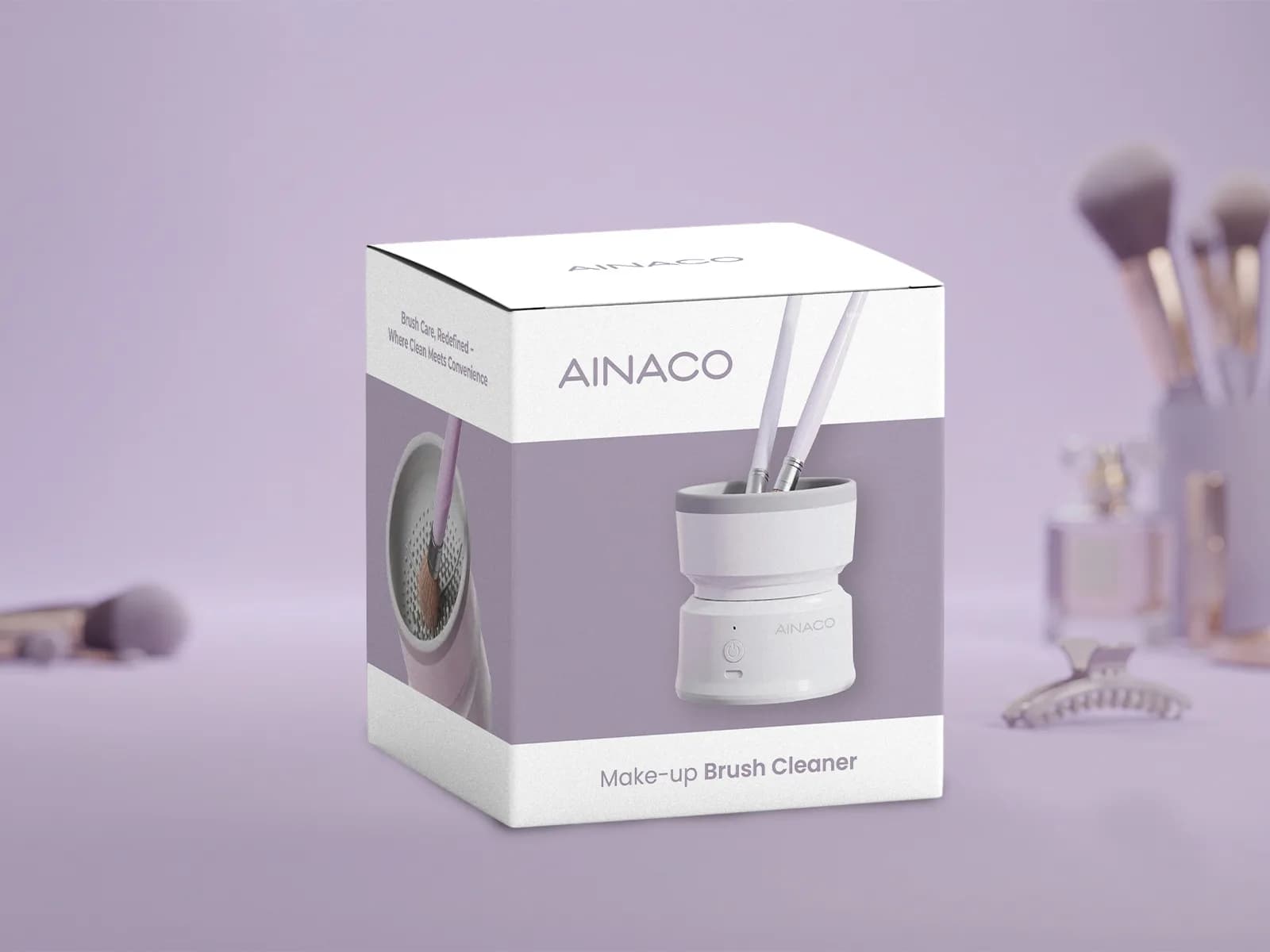
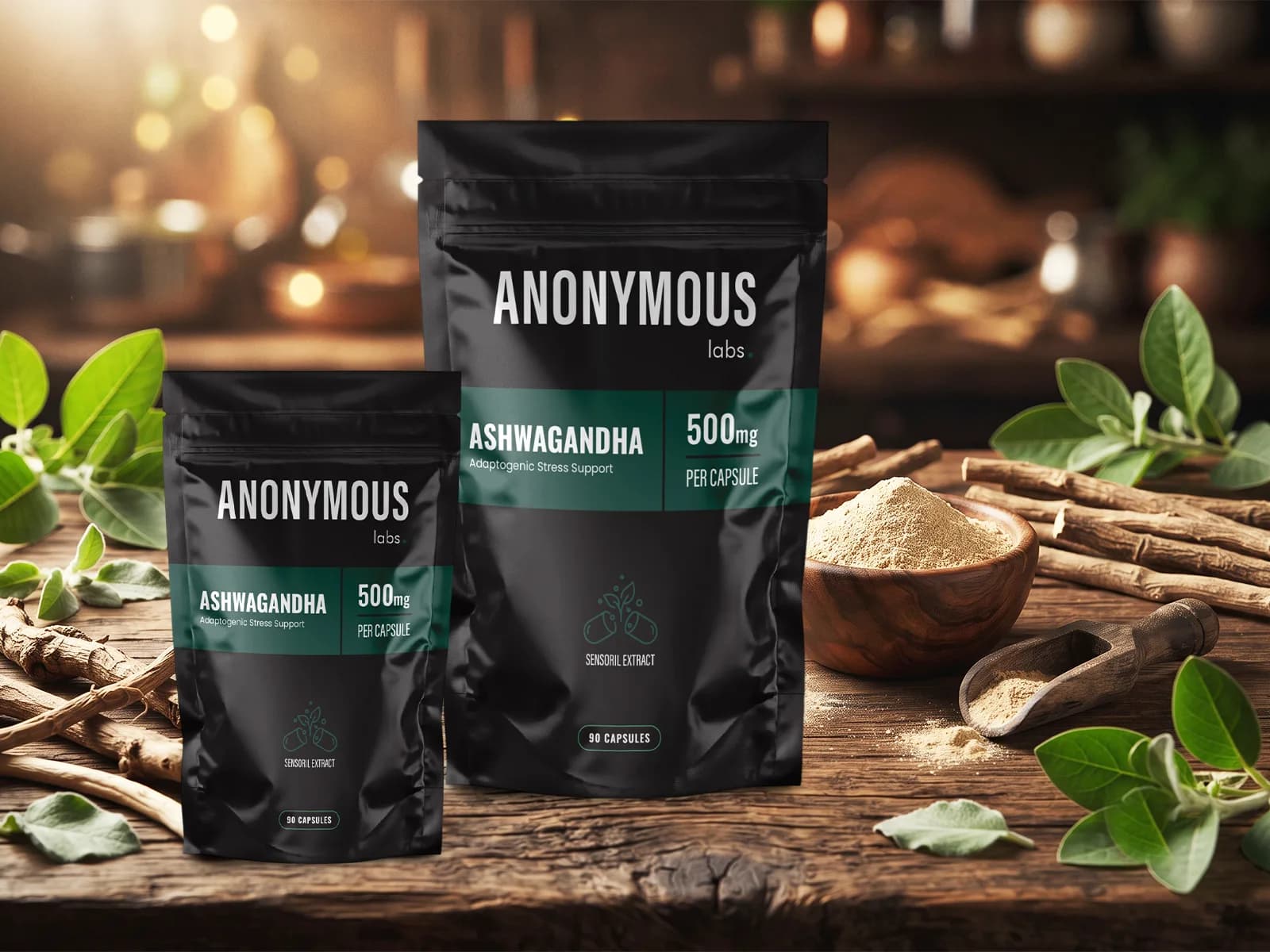
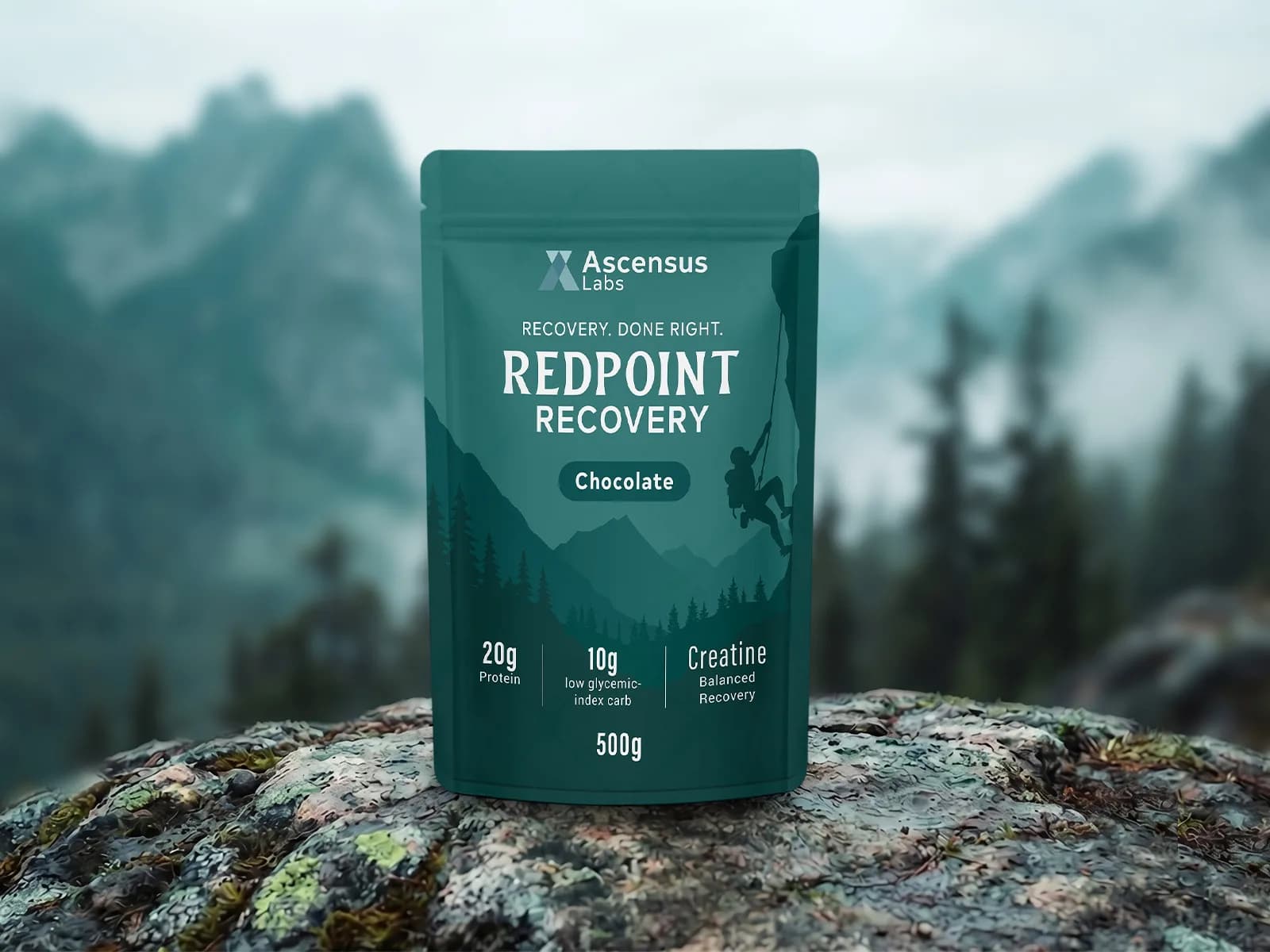
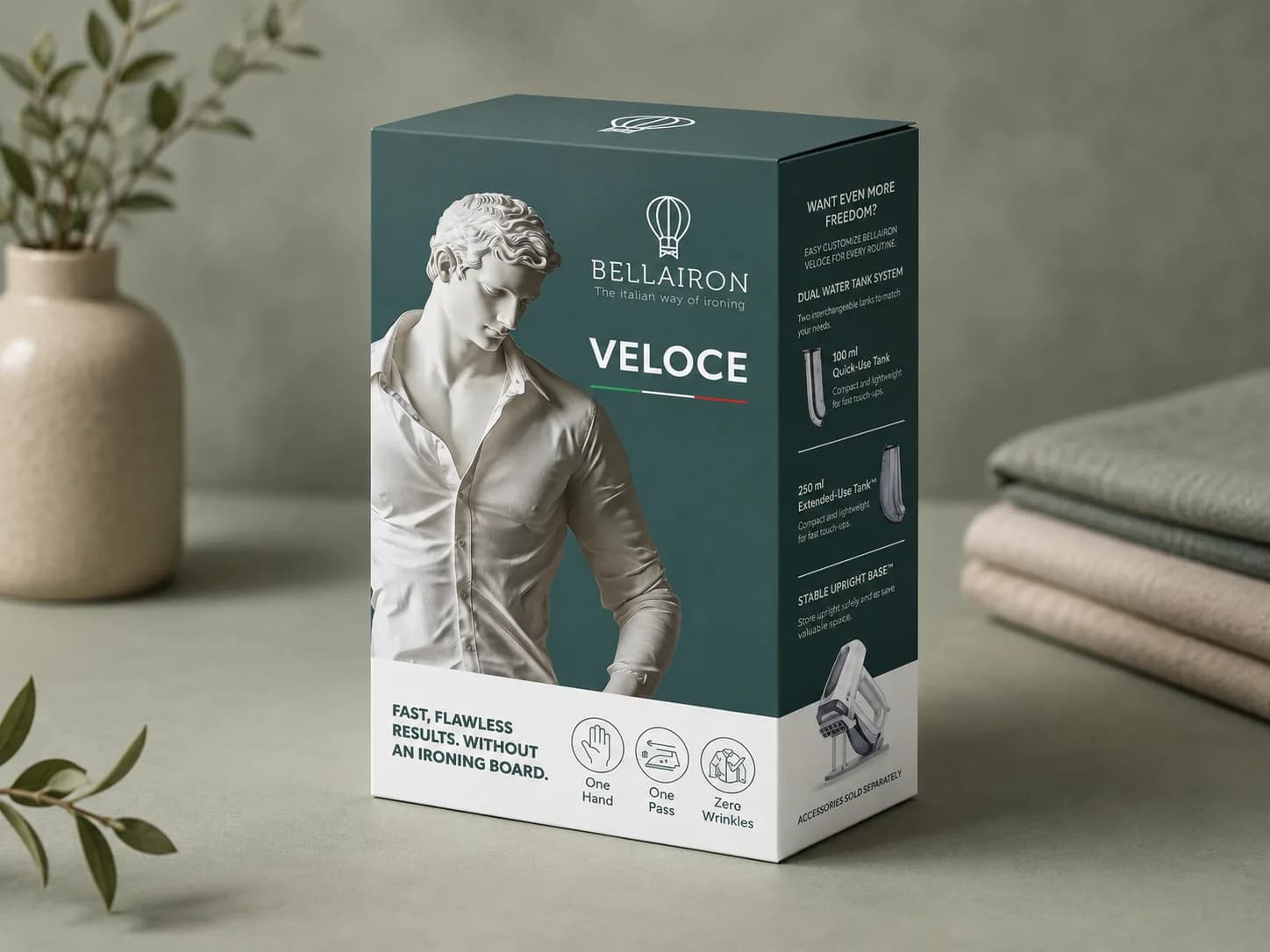
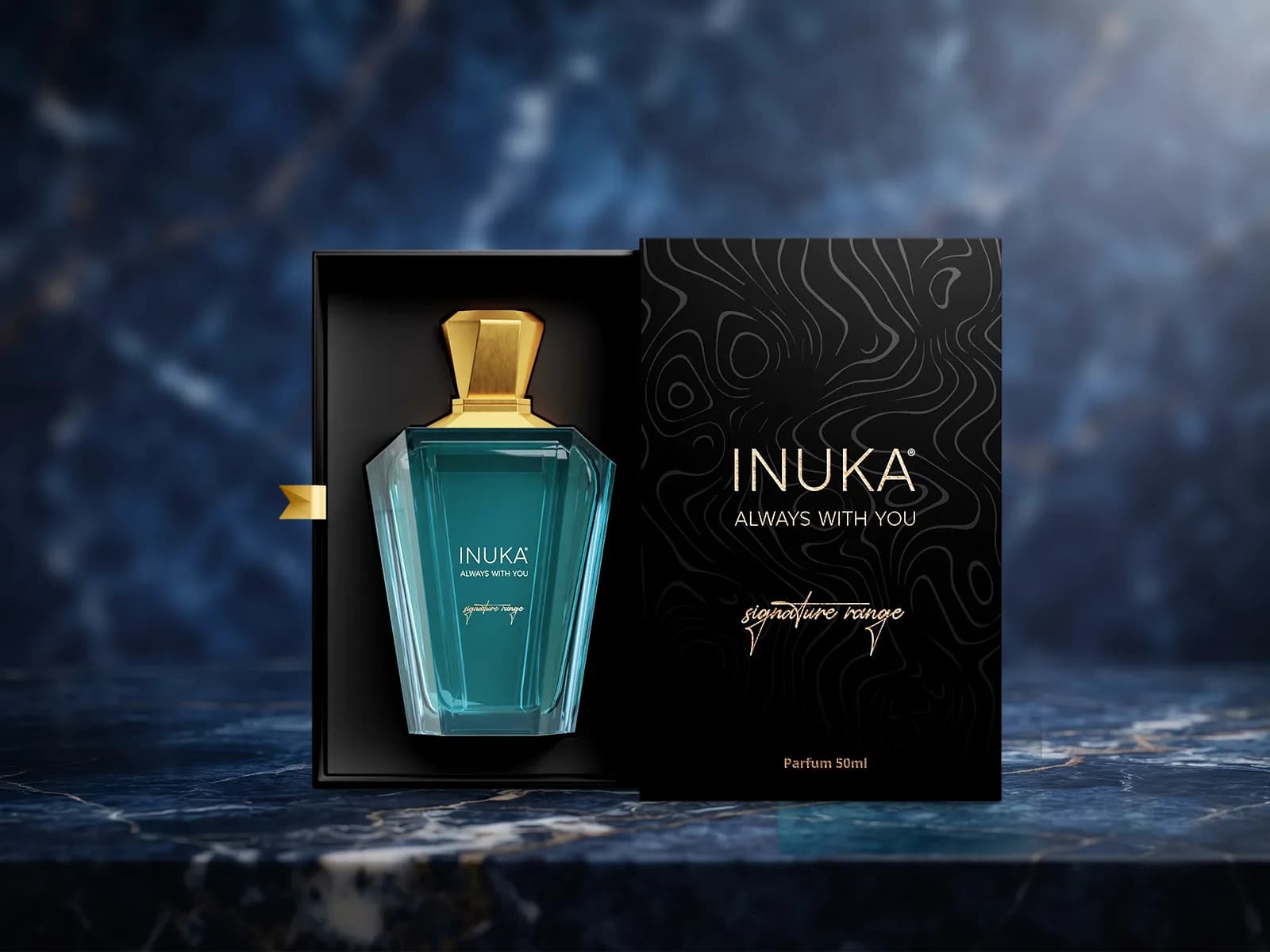
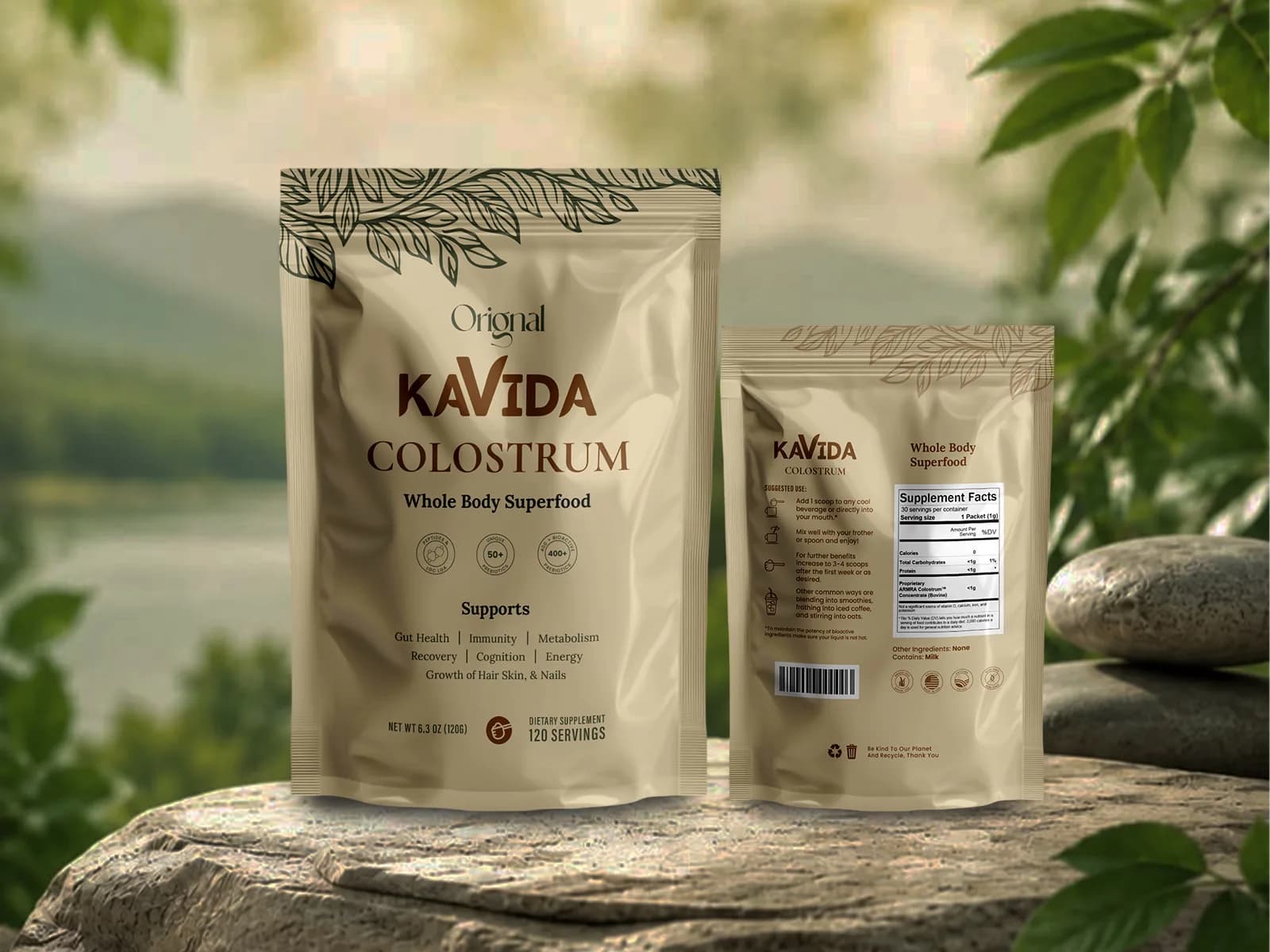
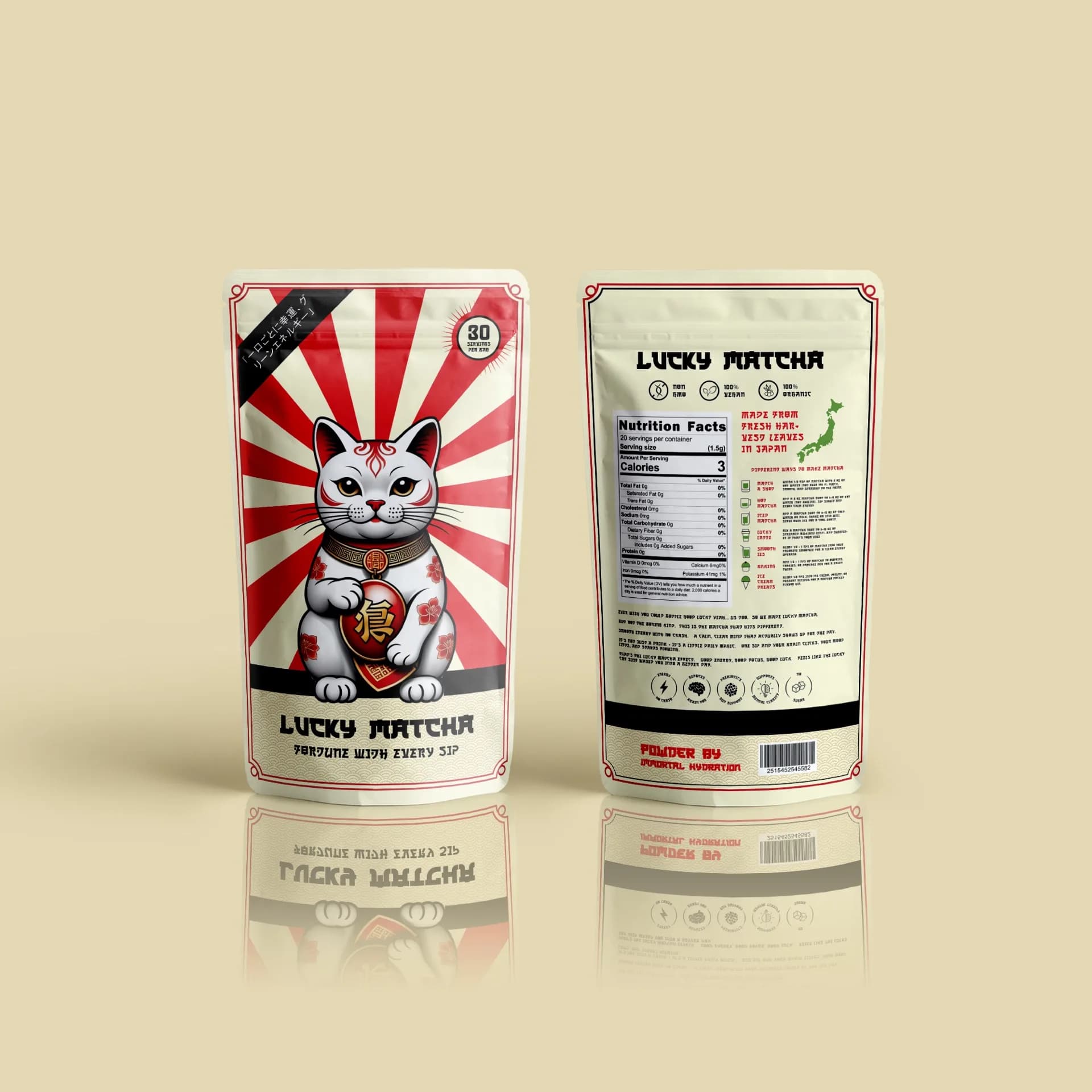

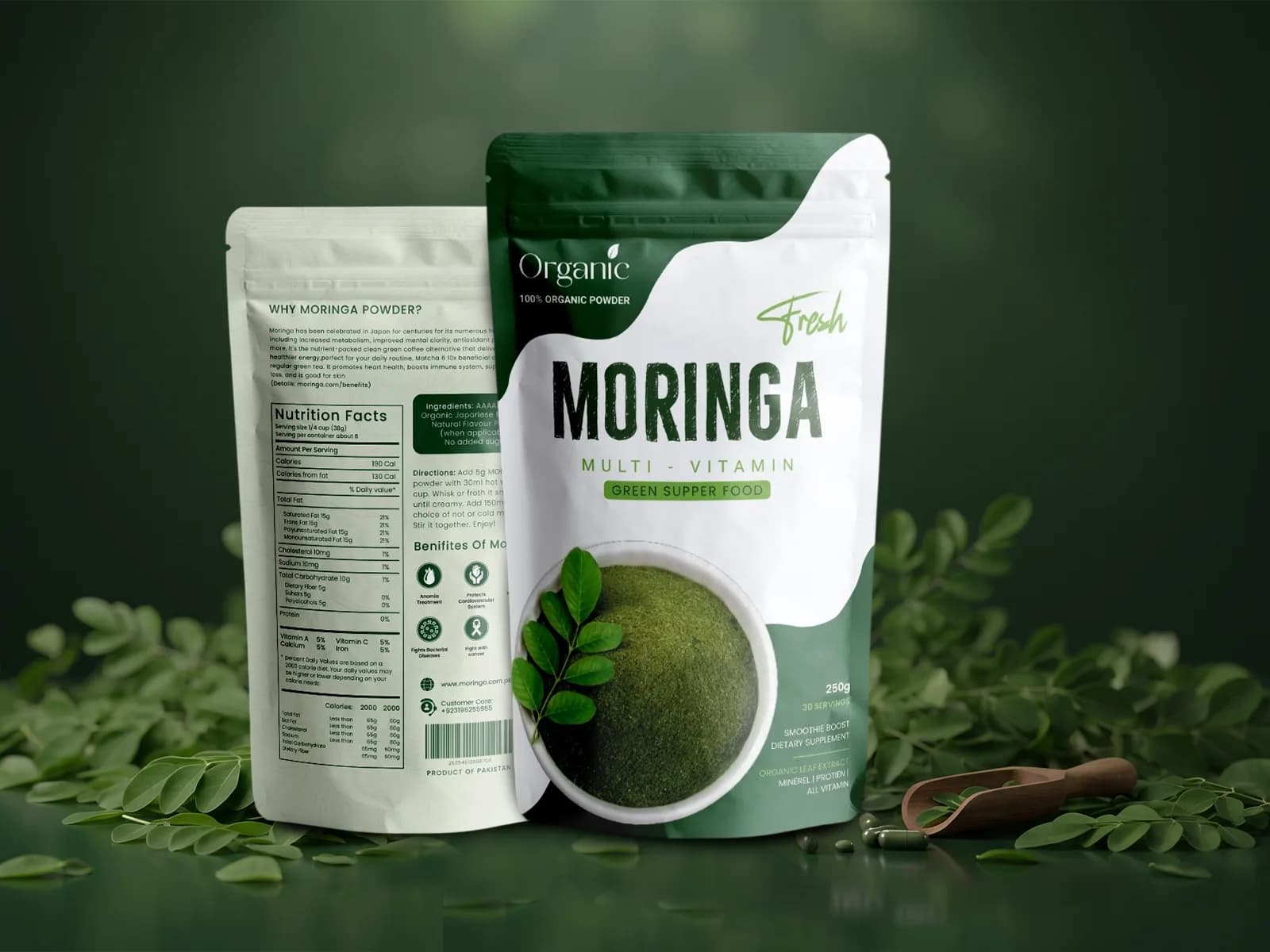
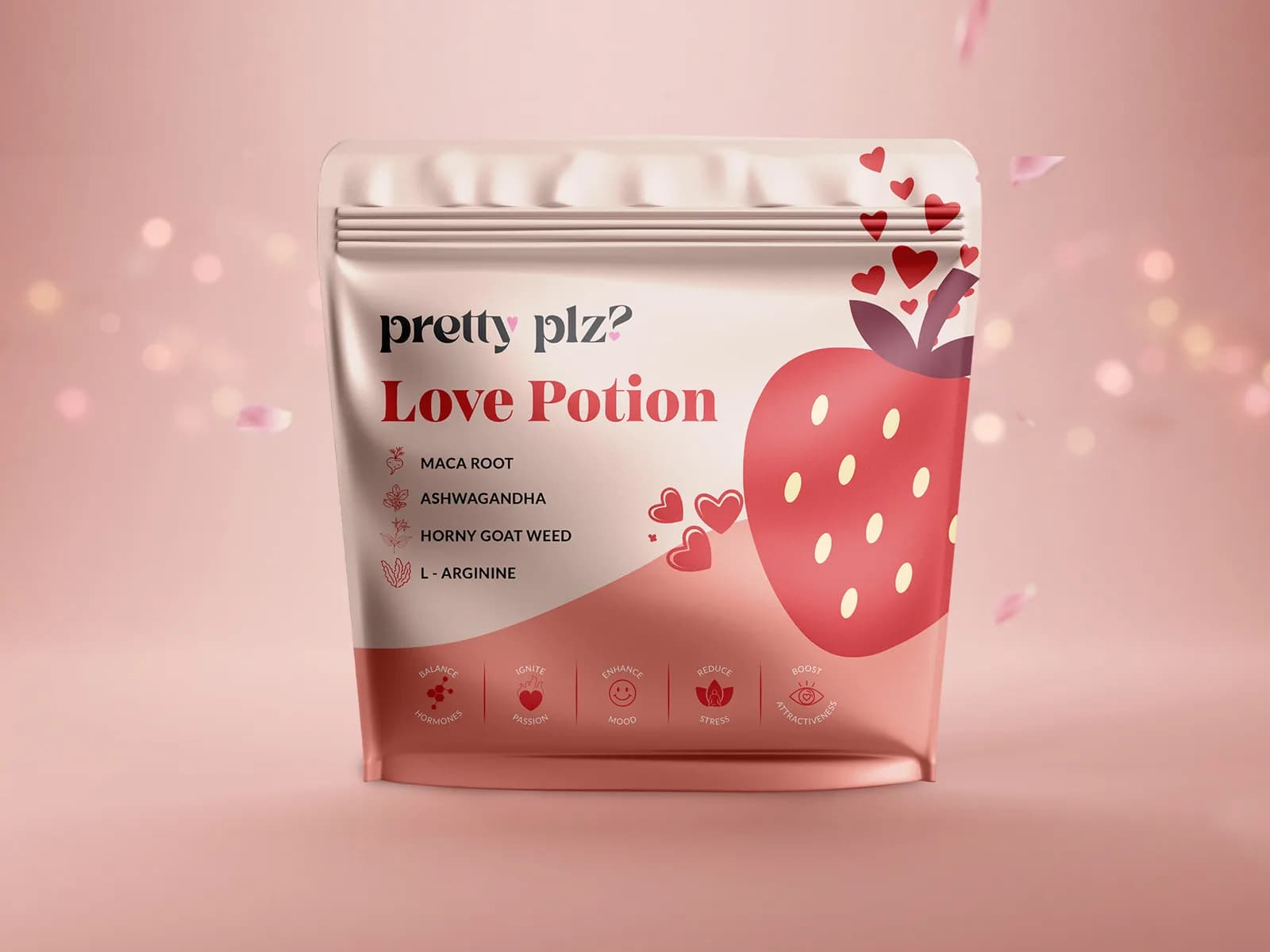
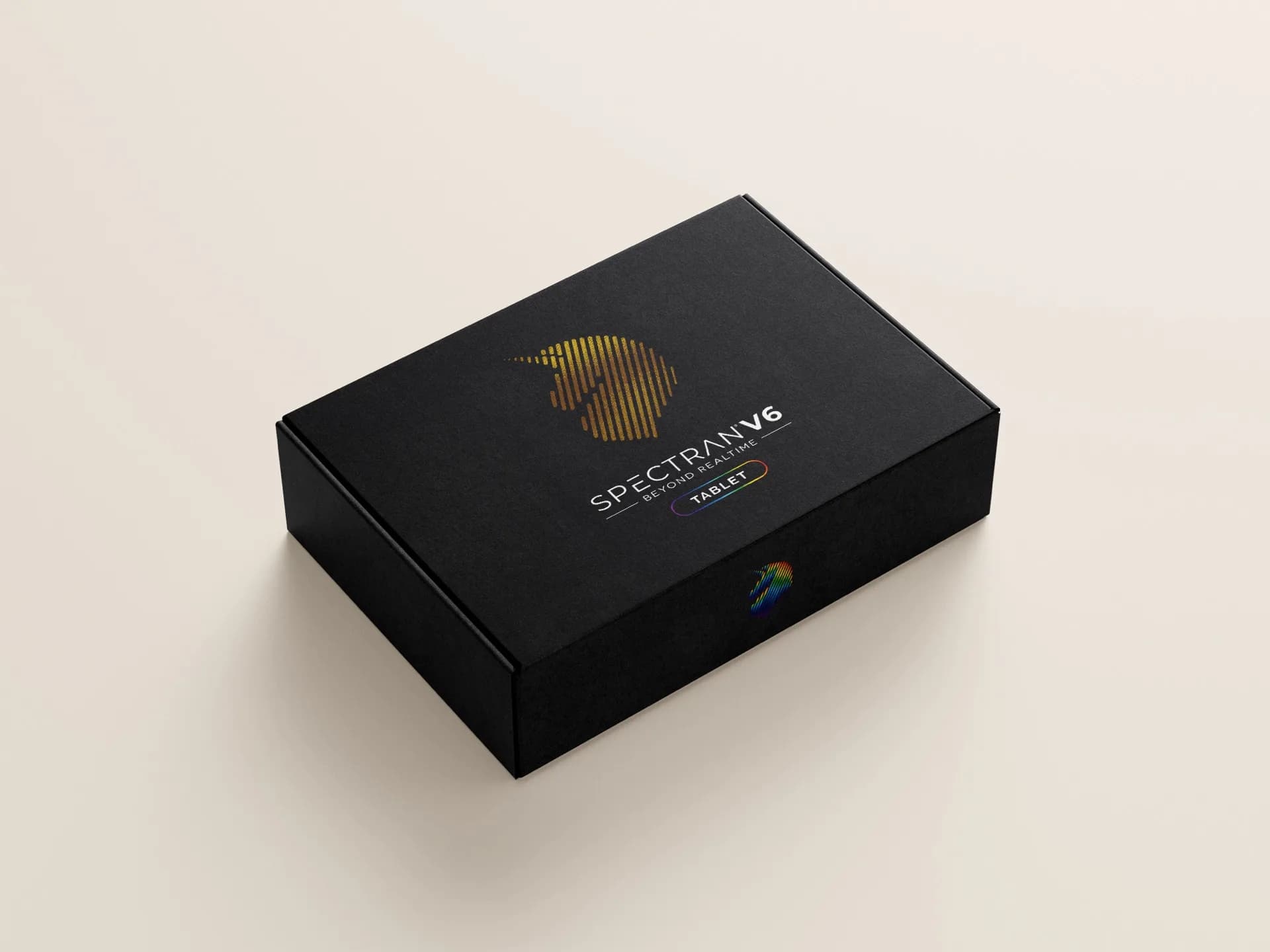
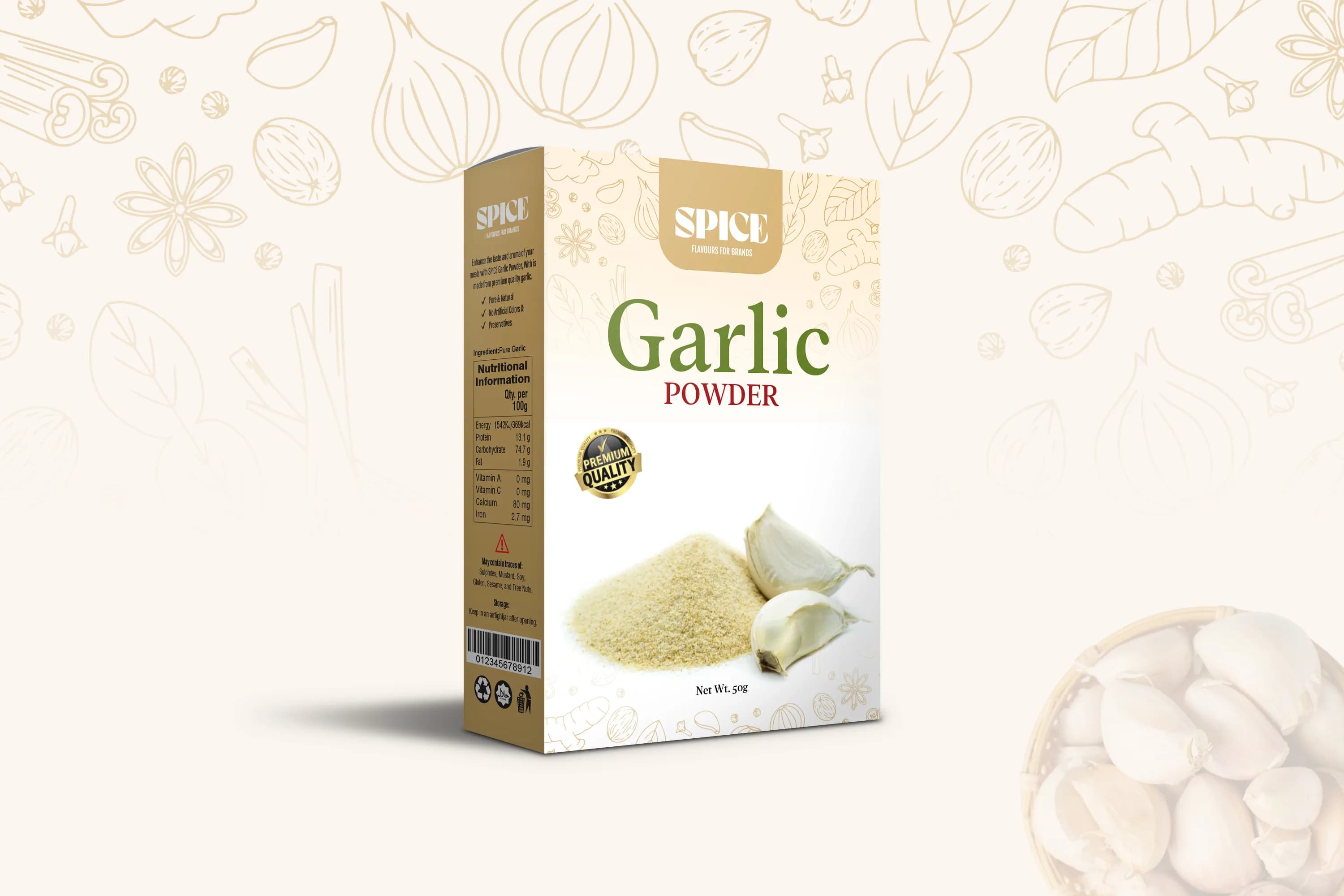
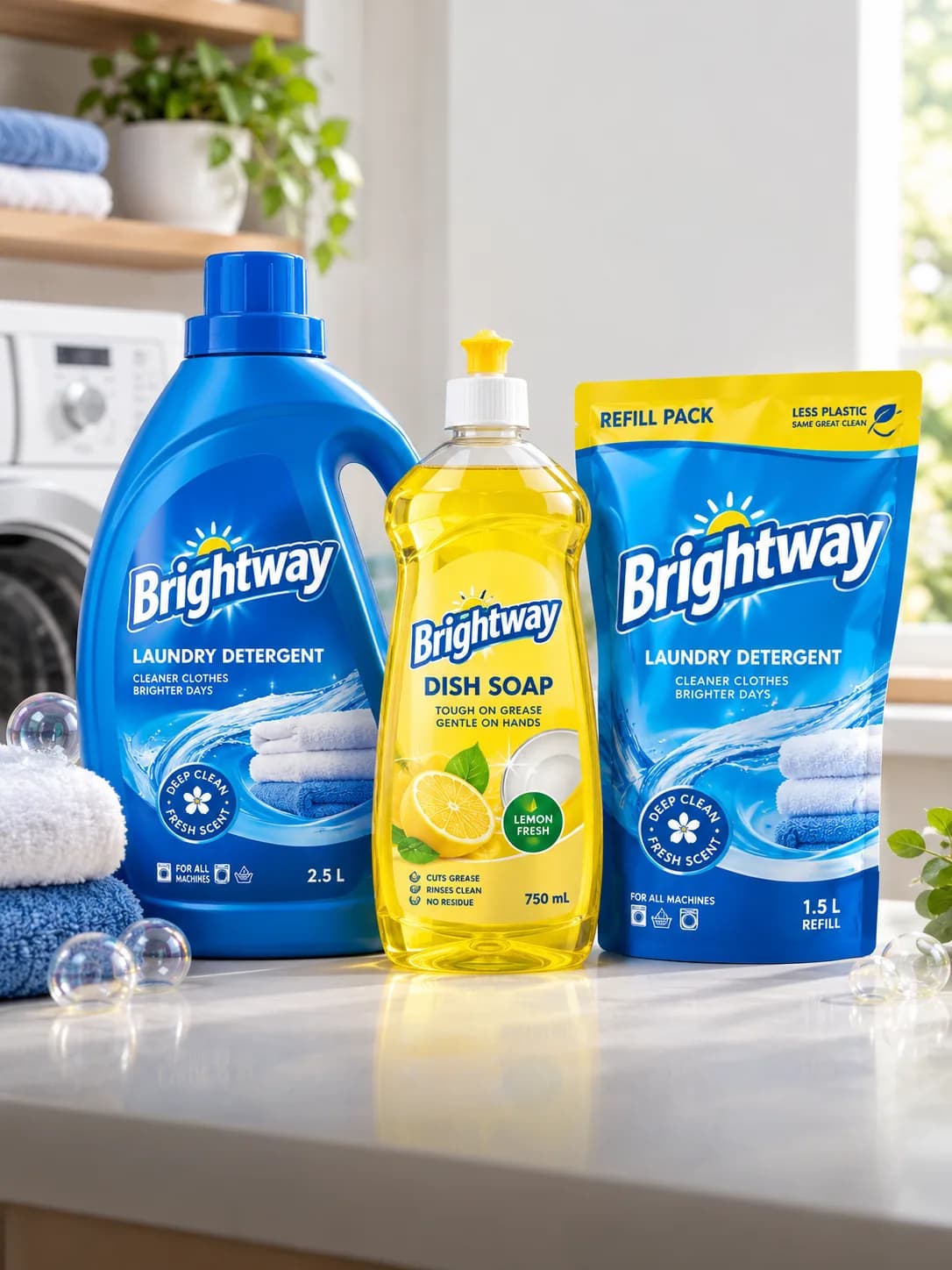
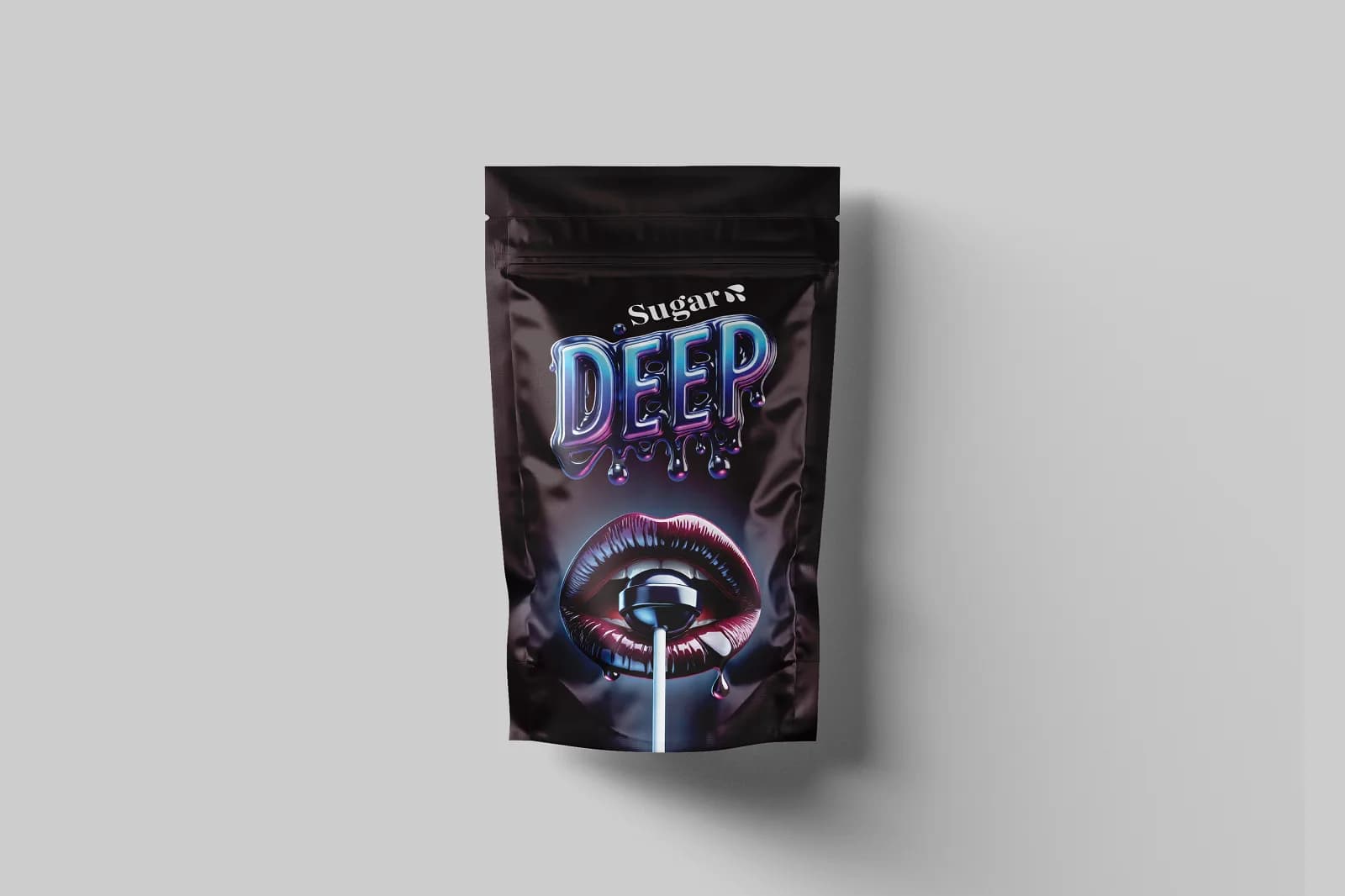
We're always-on to deliver the
packaging you want, when you need it
Full print-ready artwork suite
Flexographic colour separations
Retailer specification checklist
Range architecture system
3D shelf planogram renders
FMCG Packaging Design: The Complete Guide
A complete reference for brand managers, designers, and marketers making packaging decisions.
The Category
What makes FMCG packaging its own discipline
Fast-moving consumer goods are bought often, cheaply and without much thought. Nobody studies a bottle of washing-up liquid. They reach for the pack they recognise, check it's the right variant, and move on. That habit shapes almost every decision in this category.
Your pack is also rarely judged on its own. It sits in a row of identical facings, next to a supermarket own-label lookalike and two or three national brands. Shoppers read the block of colour first and the words last, if at all.
Recognition beats explanation
The challengeNew FMCG brands often want the front of pack to tell their whole story. On a crowded fixture there's no time for it. The pack has to be found before it can be read.
Our approachWe decide early which one or two assets will do the recognising, such as a colour, a shape or a graphic device, and protect them on every SKU so the range builds a visible block on shelf.
Scale magnifies every error
The challengeA typo on a small-batch product costs one print run. On an FMCG line it can mean several SKUs, repeat runs and pallets of finished stock before anyone spots it.
Our approachWe build artwork from master templates with locked copy areas. A change to one mandatory line flows through the whole range instead of being retyped by hand on each pack.
Most FMCG categories carry legal labelling. Groceries follow food information rules, many household cleaners need hazard labelling such as CLP or GHS pictograms, and toiletries fall under cosmetics rules. The details depend on the product and the market, so confirm them with the relevant authority or a regulatory adviser before artwork is signed off. Our job is to make room for those elements in the first layout, not squeeze them in at the end.
Design Decisions
The decisions that shape an FMCG pack
Most of the important choices are made before anyone picks a typeface. These are the ones that matter most in fast-moving categories.
- Range architecture first. Settle how brand, product type and variant sit in the hierarchy before designing a single pack. A cleaning brand with eight fragrances needs a system where the brand stays fixed and one element, usually colour, does the variant work.
- Formats you may not get to choose. The filler or co-packer often sets the format: their bottle moulds, their carton sizes, their film widths. Find out what's fixed early. Designing around a shape the line can't run wastes weeks.
- Print process and substrate. Long runs usually go to flexo or gravure on film, board or labels. Each has limits on fine detail, small reversed type and colour consistency. Designing within those limits keeps the tenth run looking like the first.
- Shelf realities. Packs are seen from a distance, at an angle, often on the bottom shelf. Check the design at actual size, in a mock shelf row with competitors, from a couple of metres back. If the variant isn't obvious from there, it isn't obvious.
- Room for promotions. Price-marked packs, multipacks, "extra free" flashes and seasonal editions will all be requested at some point. Give them a defined space so each promotion doesn't wreck the layout.
Treat sustainability wording with the same care as legal text. Recycling labels and environmental claims are increasingly regulated, and the rules vary by country. Only say what's true for your pack in the market it's sold in, and check current guidance before you print.
The Process
How an FMCG packaging project runs
FMCG projects involve more people than most: brand, marketing, regulatory, procurement, the printer and sometimes the retailer. A clear sequence stops them from undoing each other's work.
Technical brief and fixture review
We collect the spec first: format, substrate, print process and dieline. Then we look at the fixtures where the product will sit, noting which colour codes competitors already own and which gaps nobody is using.
Range concepts
We present two or three routes, each shown across several SKUs rather than one hero pack. A route that looks great on the lead variant and falls apart on the eighth isn't a route.
Shelf testing
The strongest routes go into mock shelf images at real scale, next to competitors, and get reviewed at distance. Weak variant coding almost always shows up here, while it's still cheap to fix.
Artwork and compliance
The chosen route is built on master templates. Mandatory text, nutrition or hazard panels, barcodes and recycling marks go in now and are checked against the spec and your regulatory sign-off.
Press preparation and proofing
Files are set up for the specific press, including separations, minimum line weights and distortion where the pack is shrunk or formed. We review the printer's proof against the approved design whenever the printer shares one, before anything goes to plates or cylinders.
Costs and Pitfalls
Common mistakes, cost drivers and alternatives
Redesigning away your recognition
Changing the colour or logo shape that regular buyers use to find you can confuse them overnight. Evolve recognition assets gradually, and keep the main one intact unless there's a clear reason to change it.
Approving one hero pack
Signing off a design on the flagship SKU, then finding the system doesn't stretch to the small size, the multipack or the refill. Always review the range, not the single pack.
Bringing the printer in last
Fine gradients, tiny reversed type and too many spot colours look fine on screen and fail on press. Get the printer's specification at the start, not at file handover.
Too many claims
Five flashes and three badges fight each other and none of them gets read. Pick the one claim most likely to win the sale and make it legible.
Design fees are only part of the bill. These are the things that move the total cost of an FMCG project:
- SKU count. Every variant and size needs its own artwork file and checks, even when the system is shared.
- Markets and languages. Multilingual packs need more panel space, translation checks and a compliance review for each market.
- Approval layers. The more people who must sign off, the more revision rounds a project tends to need.
- Print set-up. Number of colours, special finishes and new plates or cylinders often affect the printer's invoice more than the design fee does.
- Structural change. A new shape or format needs tooling and line trials. Keeping the existing format is usually the cheaper route.
An FMCG approach isn't always right. If you sell mainly online or by subscription, the pack has more time to tell a story, and e-commerce priorities such as transit protection and unboxing matter more. A small brand stocked in independent shops can often stand out with fewer, richer SKUs and a speciality retail approach. And if a manufacturer makes the product under a retailer's own brand, private label packaging comes with that retailer's guidelines attached.
Got Any Questions?


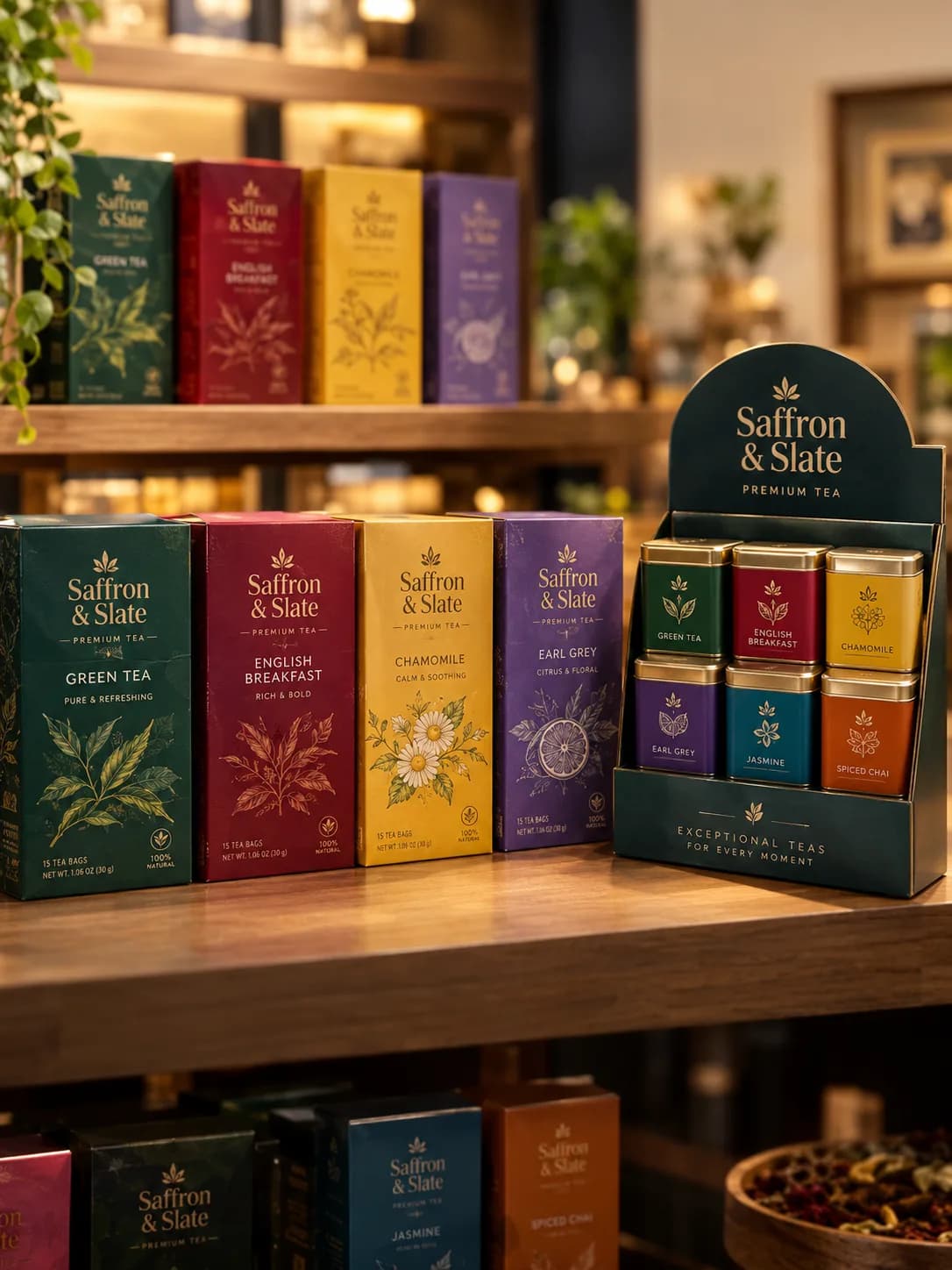
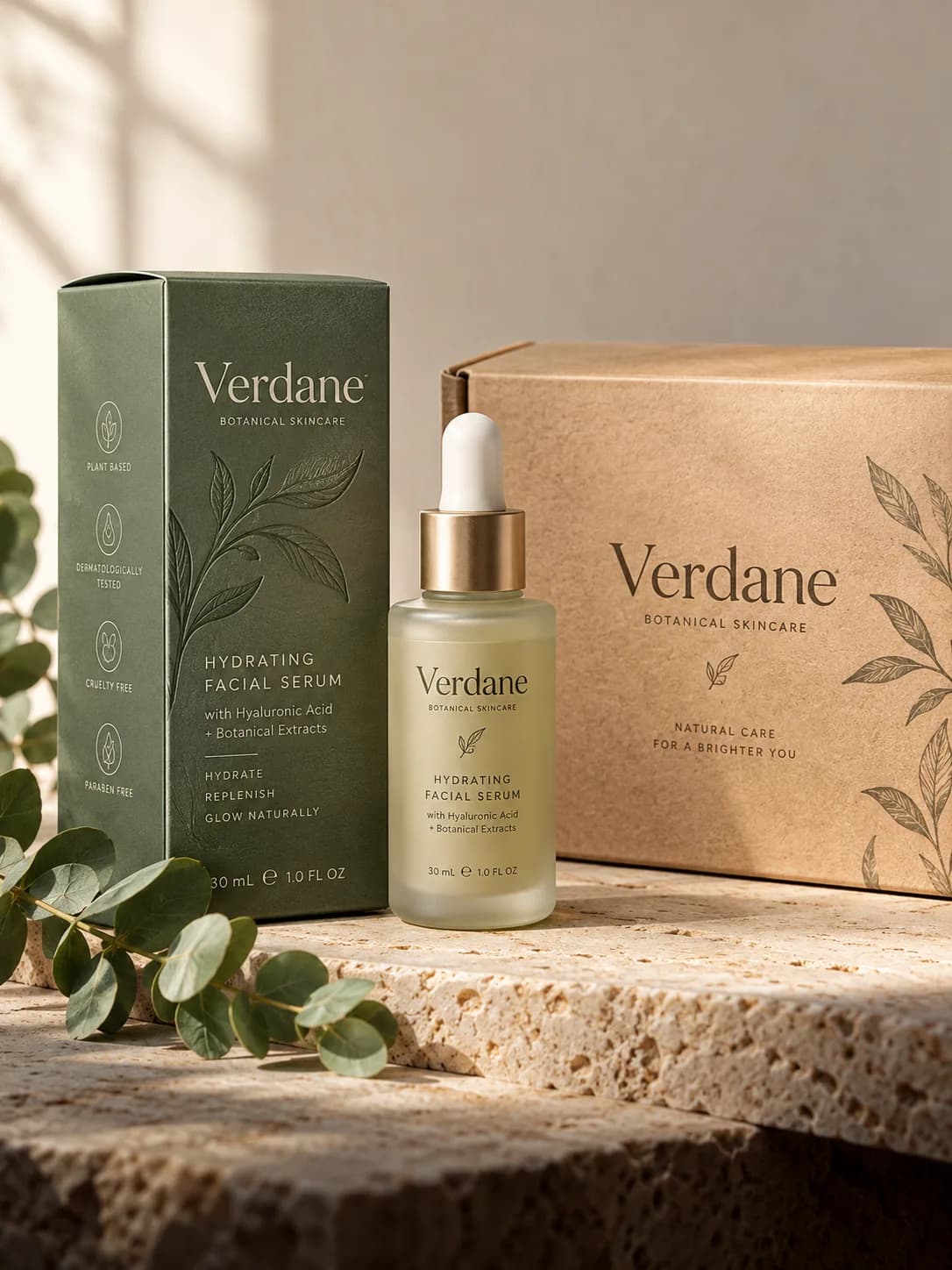
Your packaging deserves
better than “good enough.”
Book a free 15-minute call and we'll scope your packaging together — or send us a message to get started.