
Service
Food Packaging Design
Shelf-ready food packaging that drives trial.
Food packaging has one job: make a hungry consumer choose your product in under 3 seconds. We create bold food packaging, laid out for FDA labelling rules, that's built to win that moment.
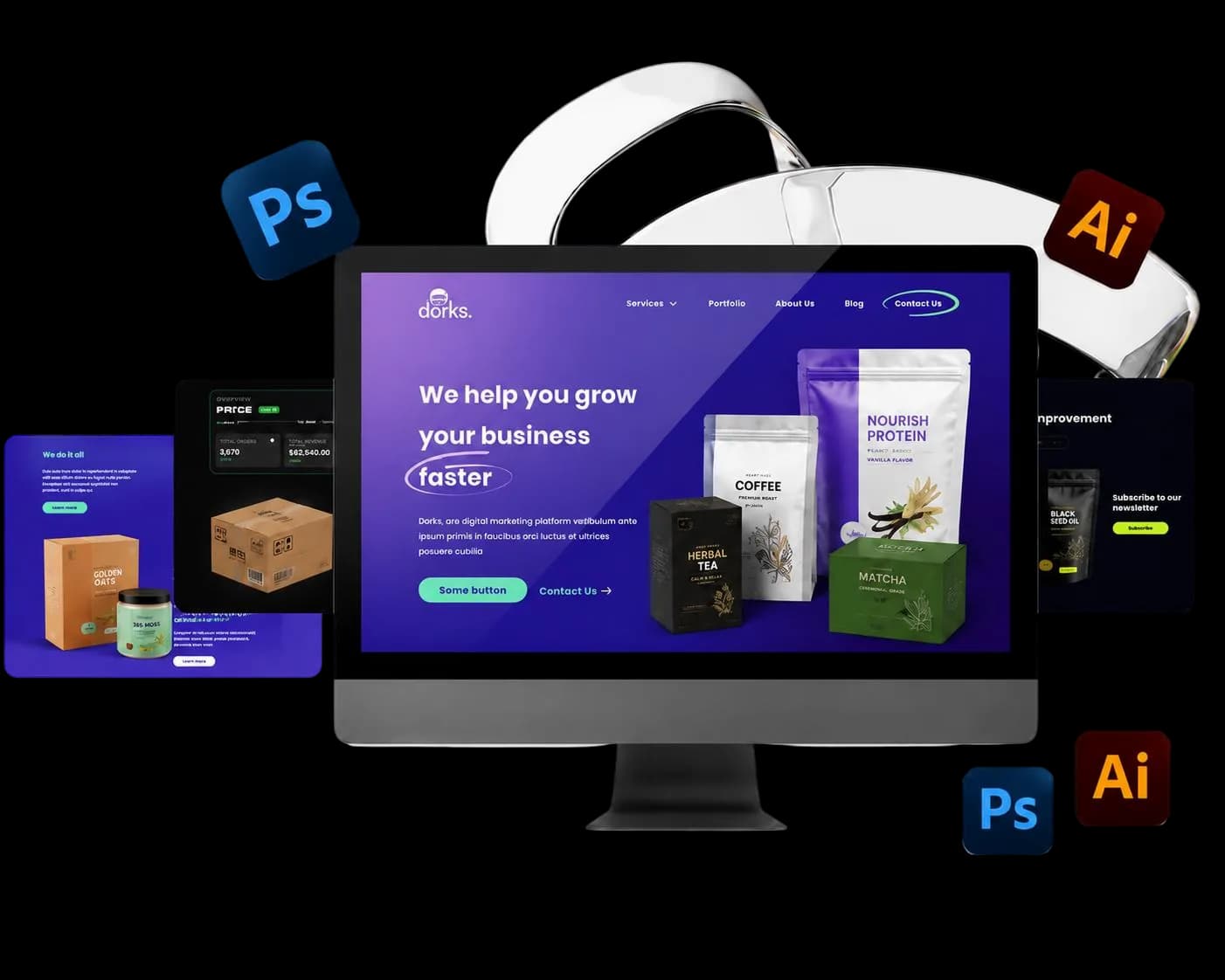
Quick Answer
Food packaging design produces shelf-ready, compliance-checked artwork for food products — covering FDA Nutrition Facts panels, allergen declarations, and all mandatory labelling elements required for retail and e-commerce distribution.
What's Included
Everything delivered, as standard
Every Food Packaging Design project includes these deliverables — no extras, no upsells, no surprises.
Packaging expertise across
7 product categories
Snacks & Chips
Frozen Food
Organic & Natural
Bakery
Condiments & Sauces
Ready Meals
Pet Food
Food Packaging Design
Shelf-ready food packaging that drives trial.
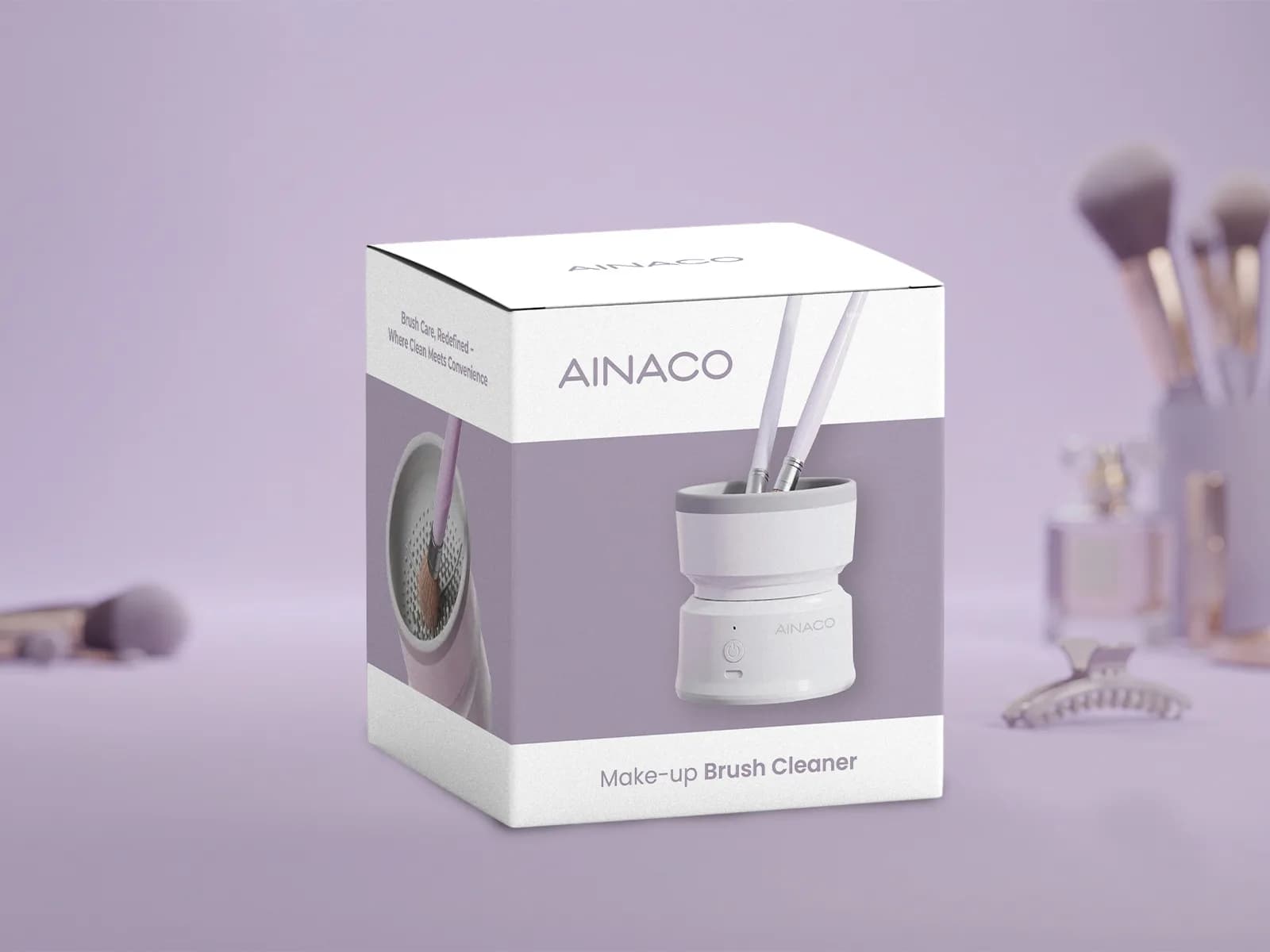
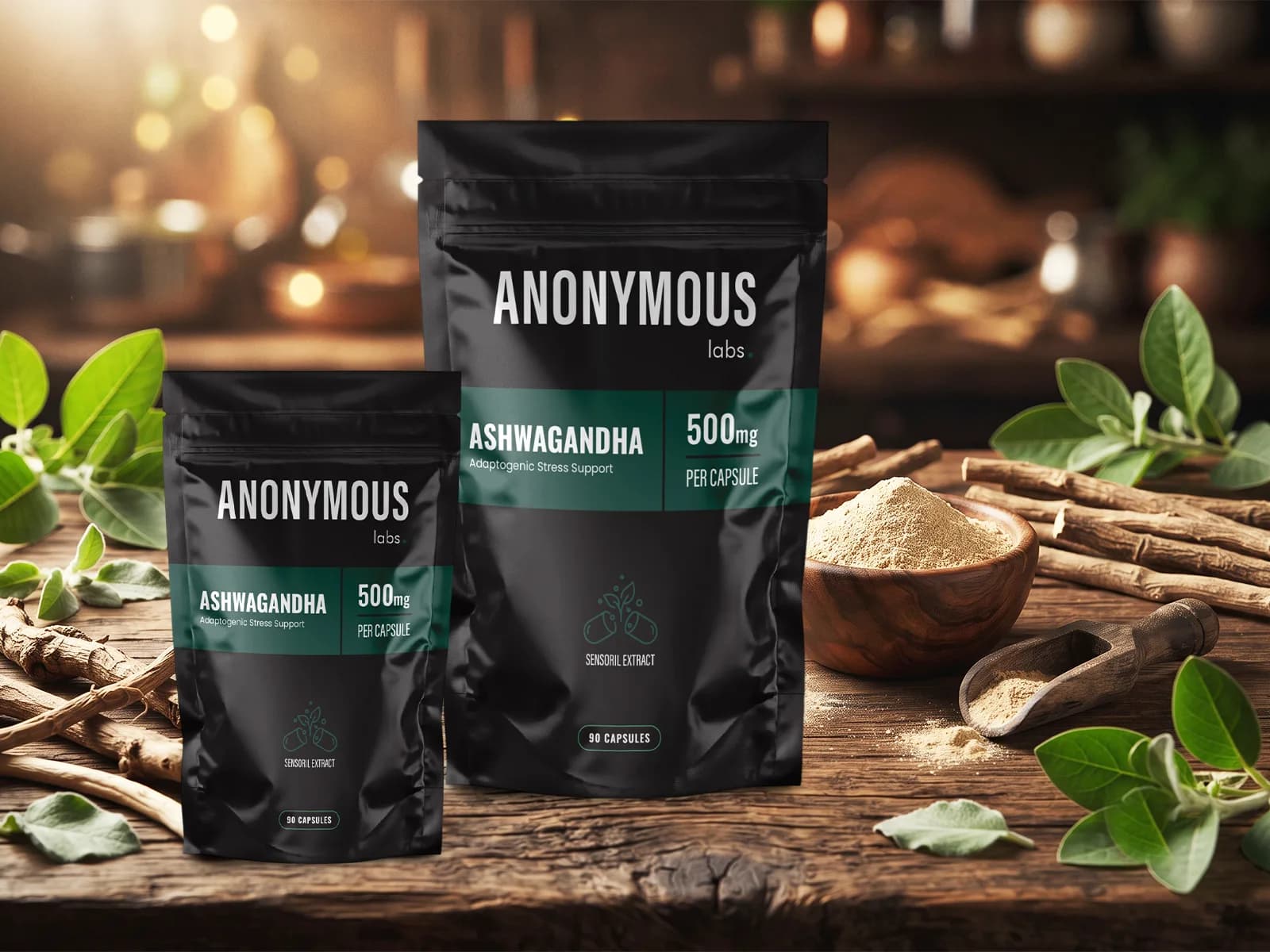
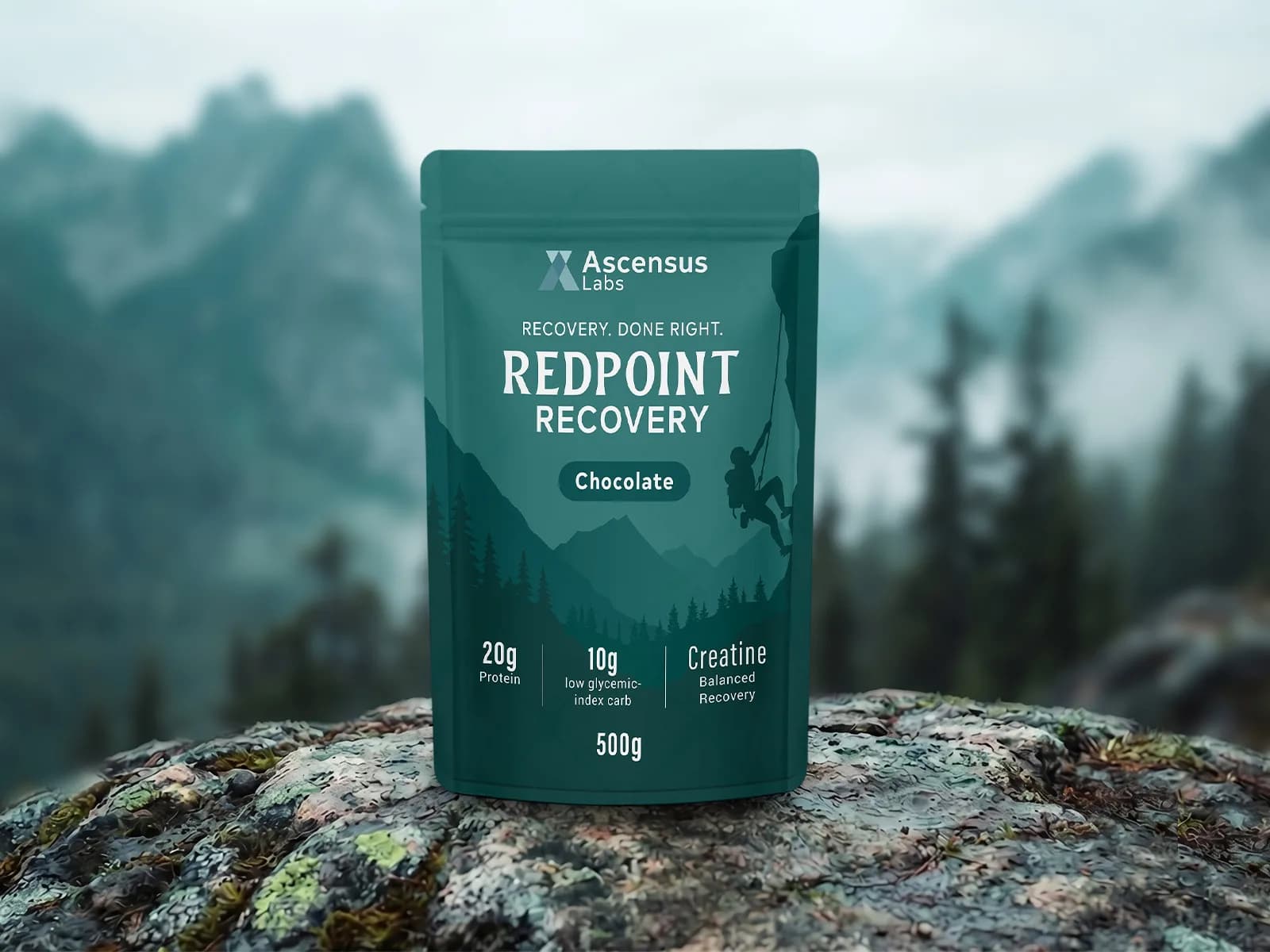
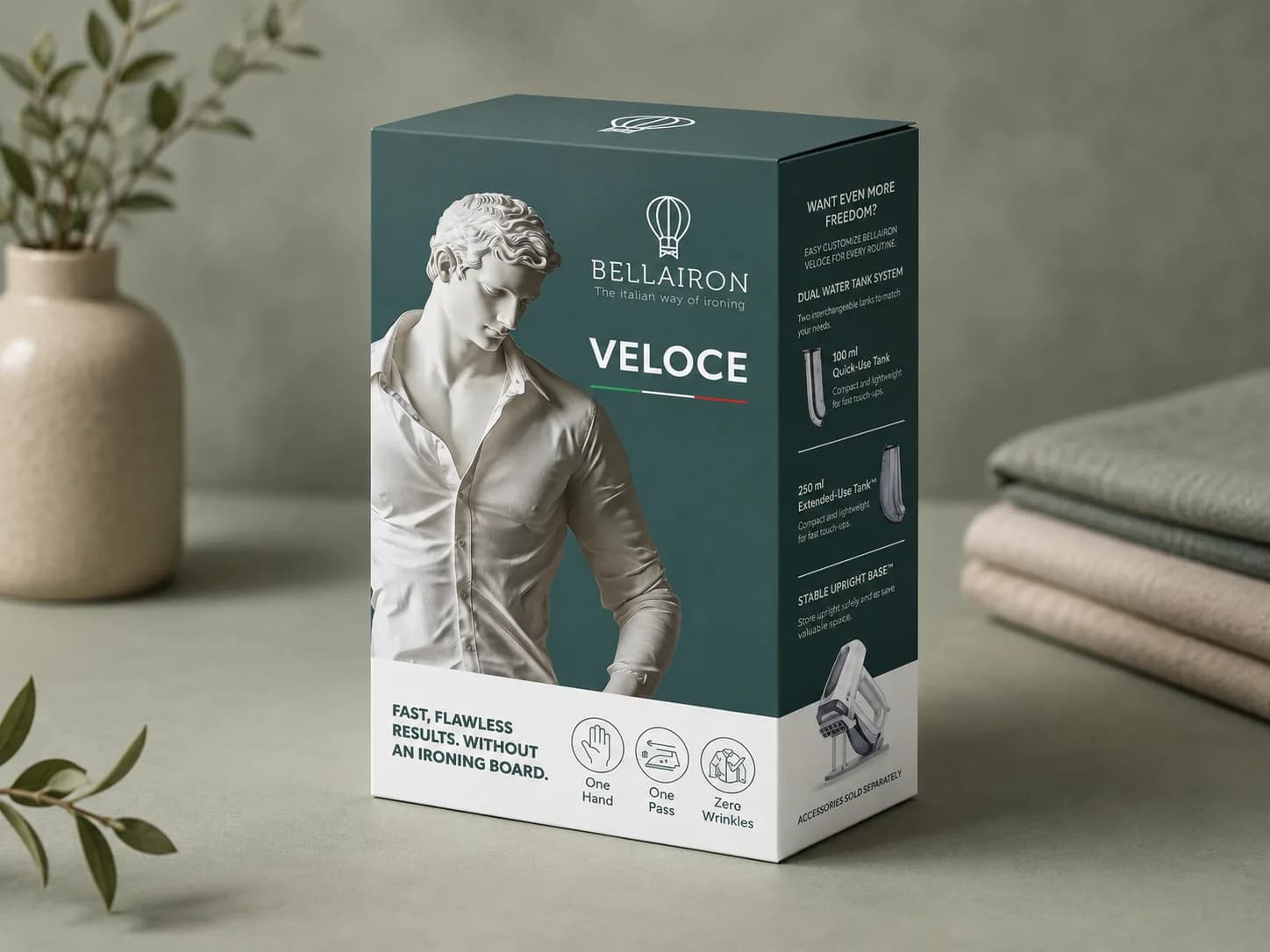

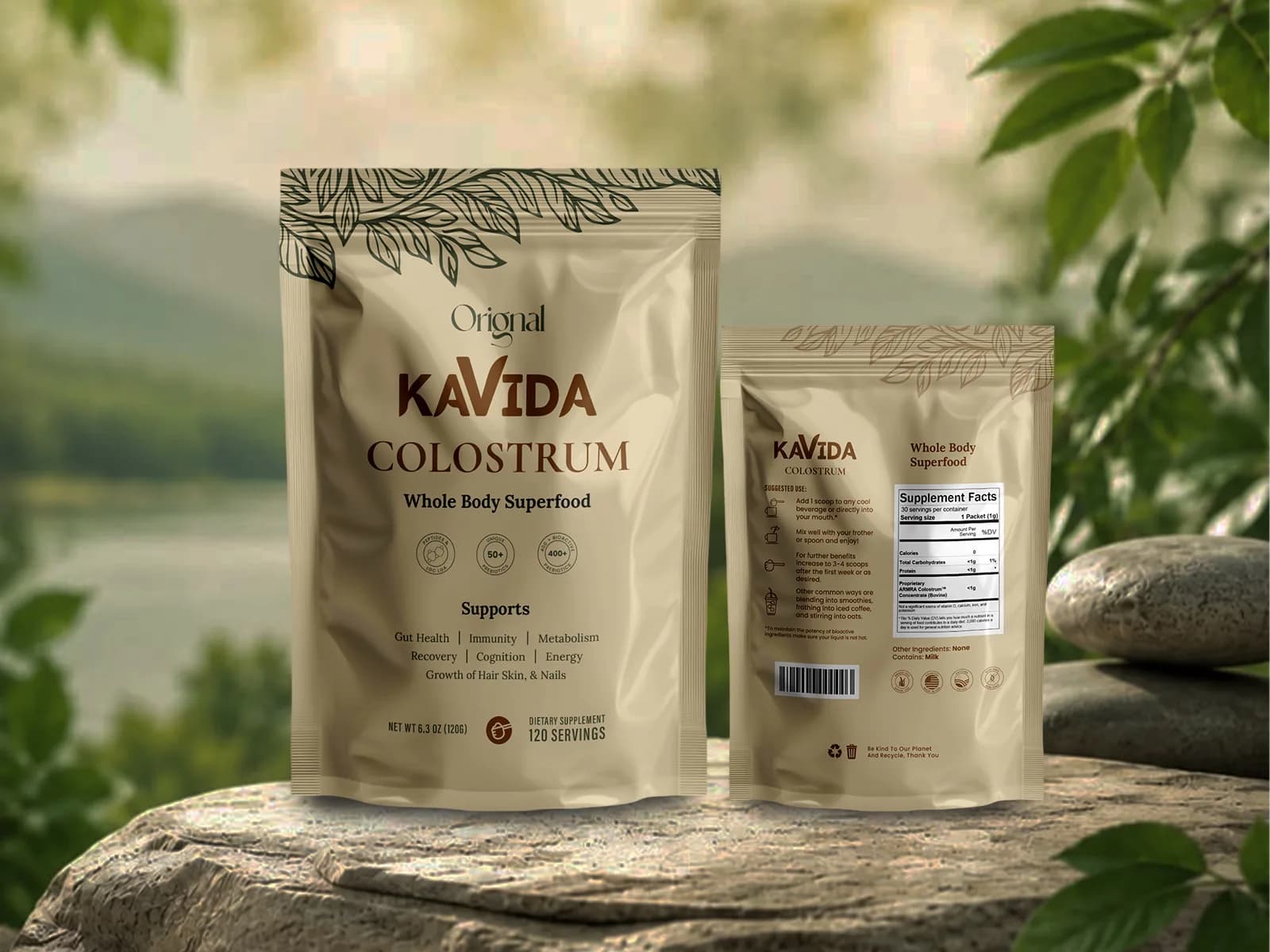
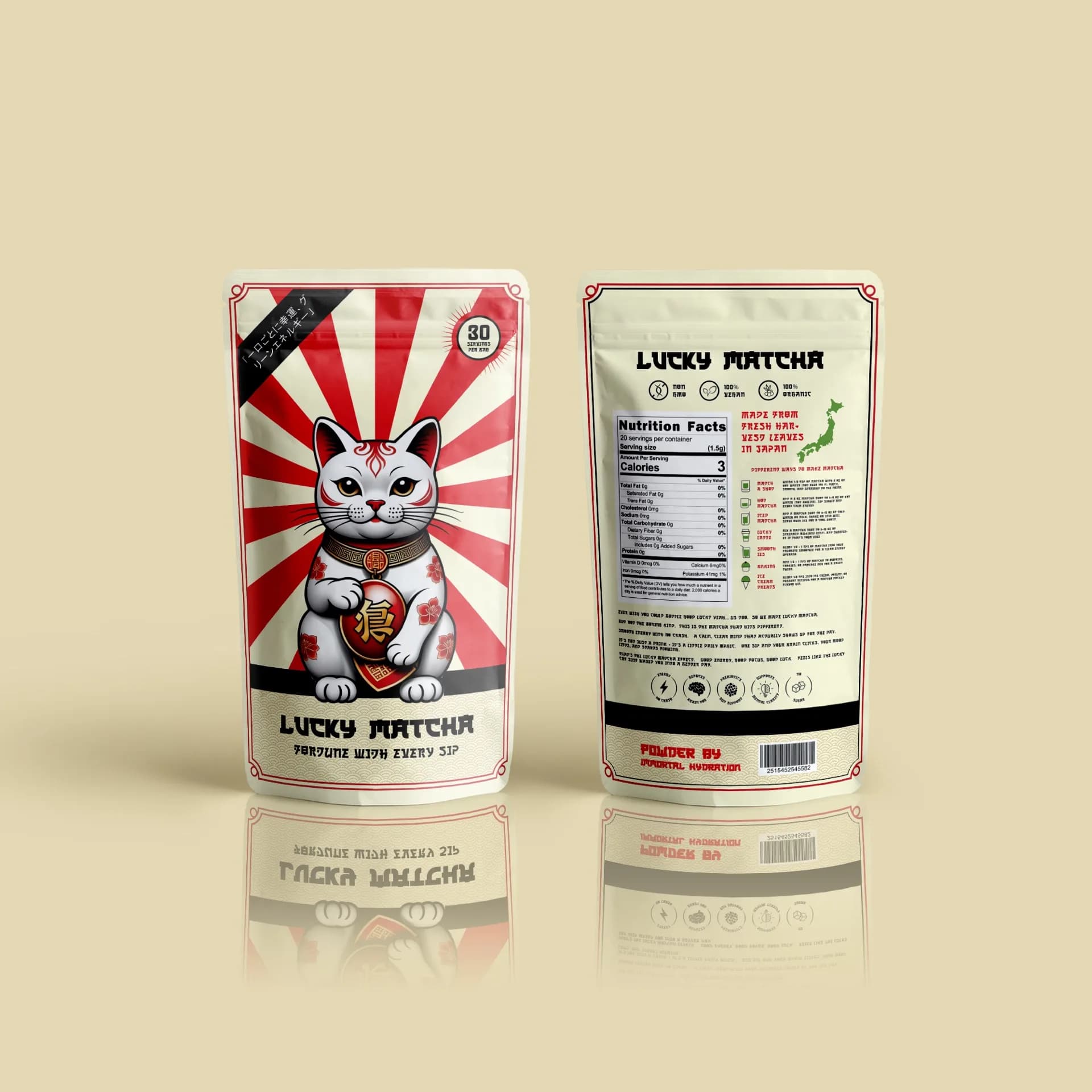

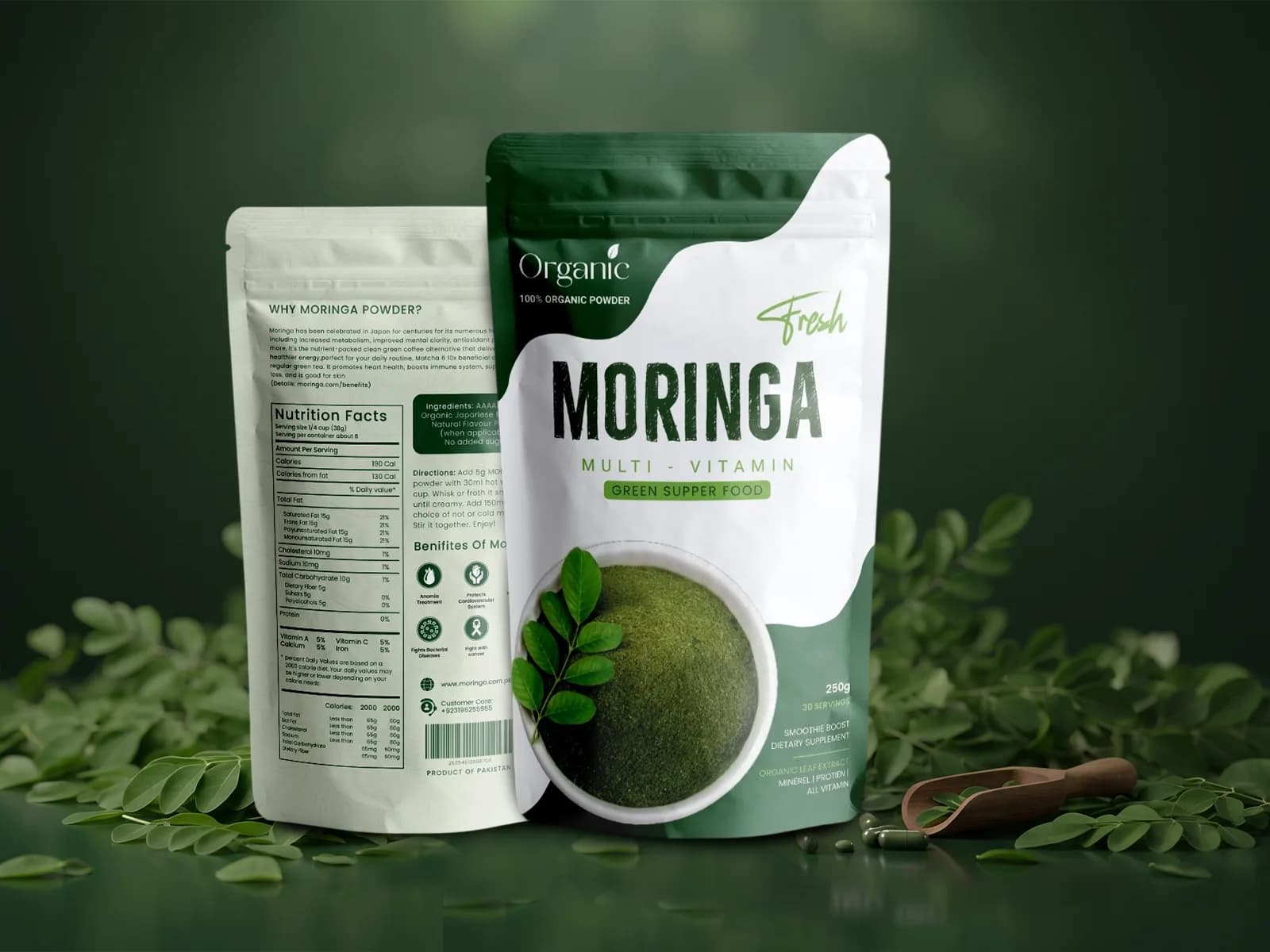
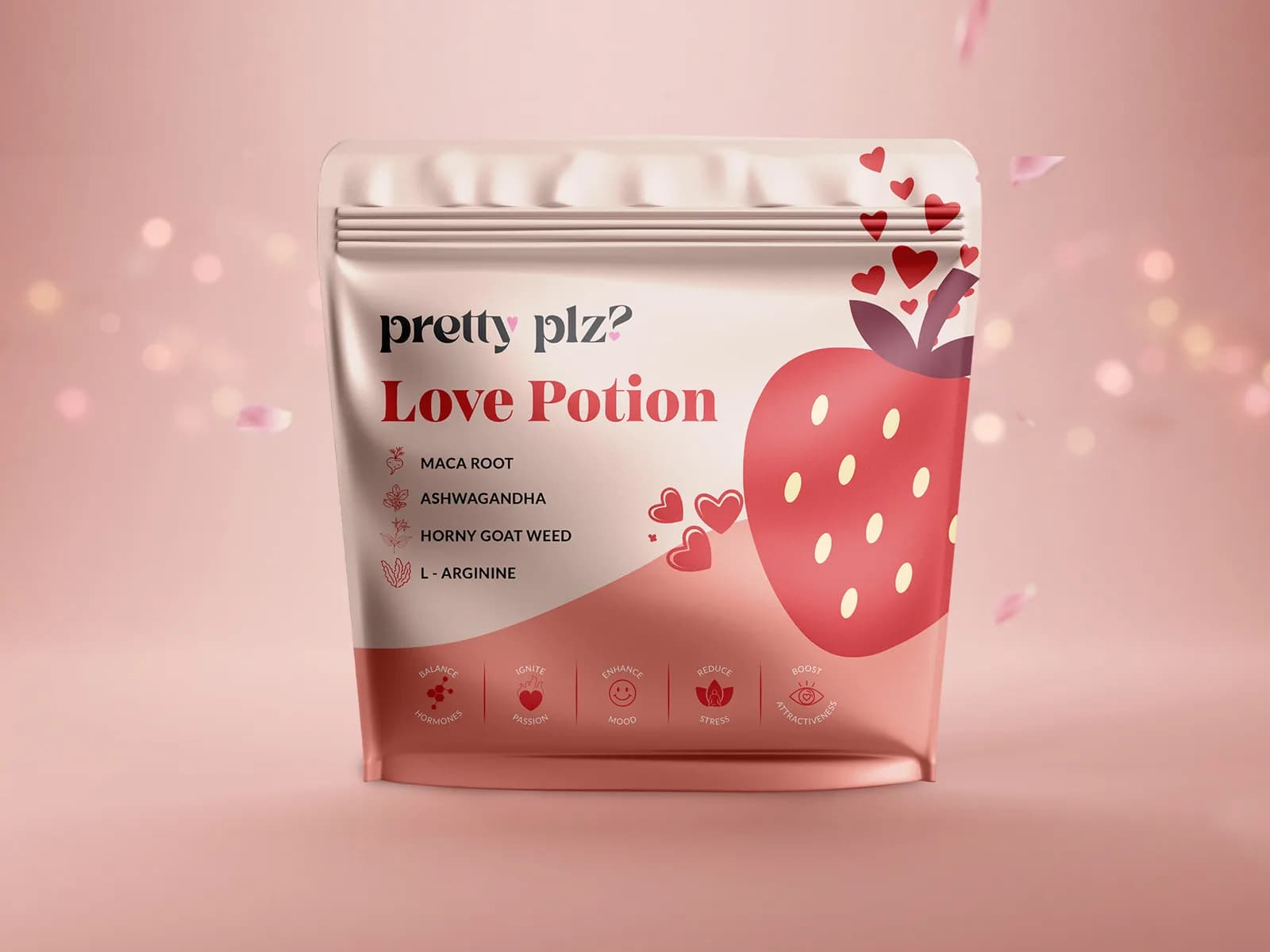
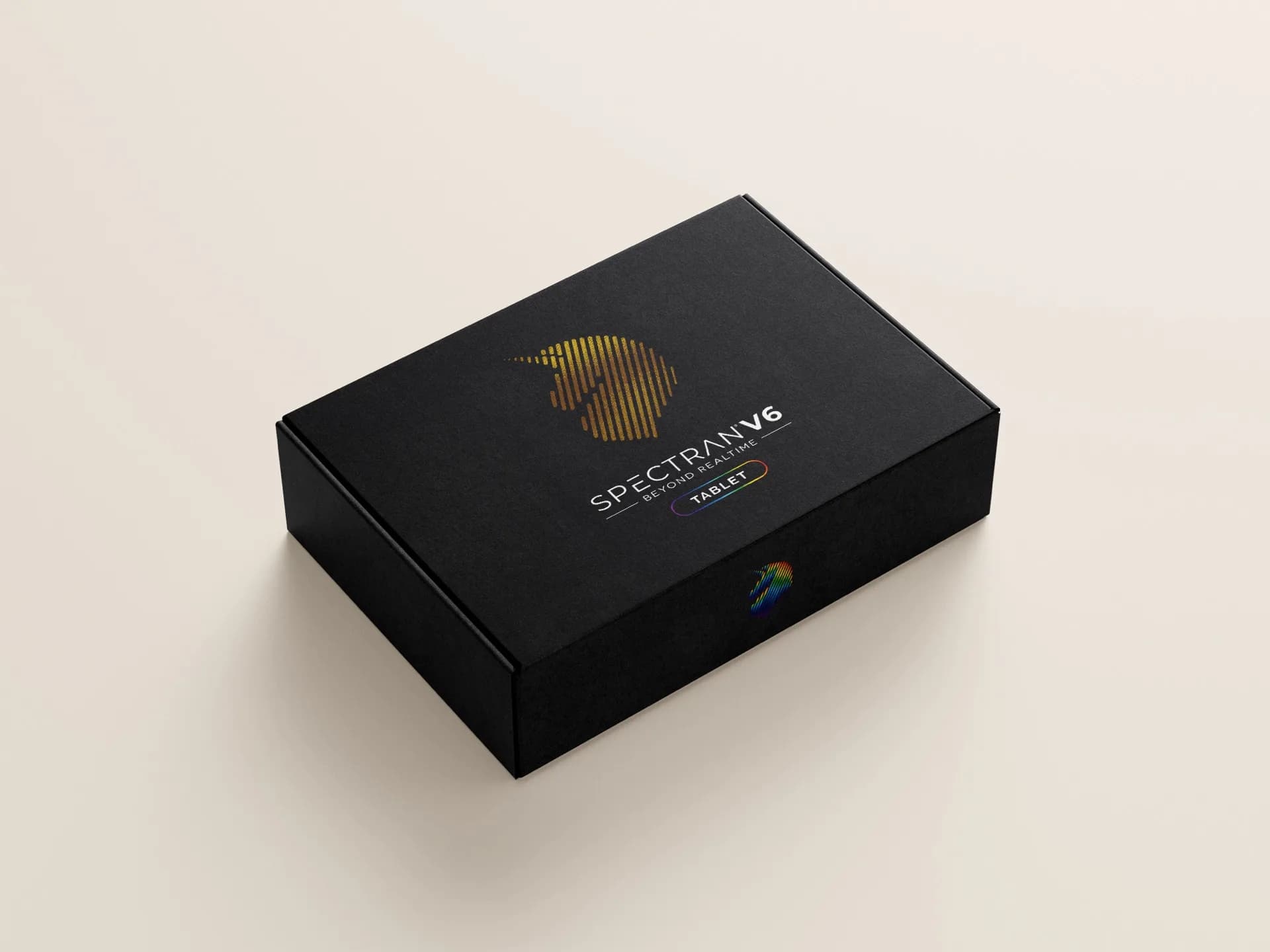
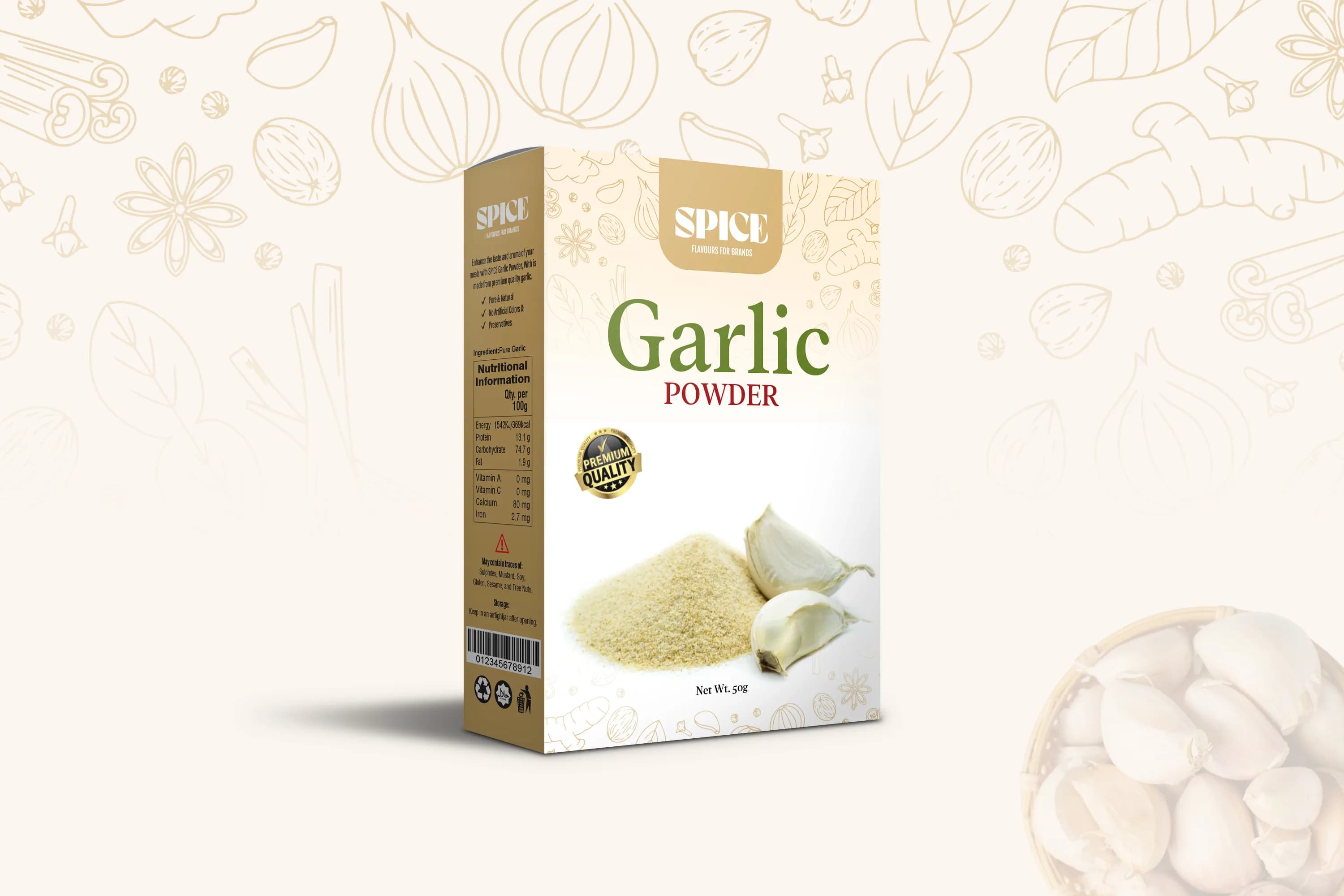
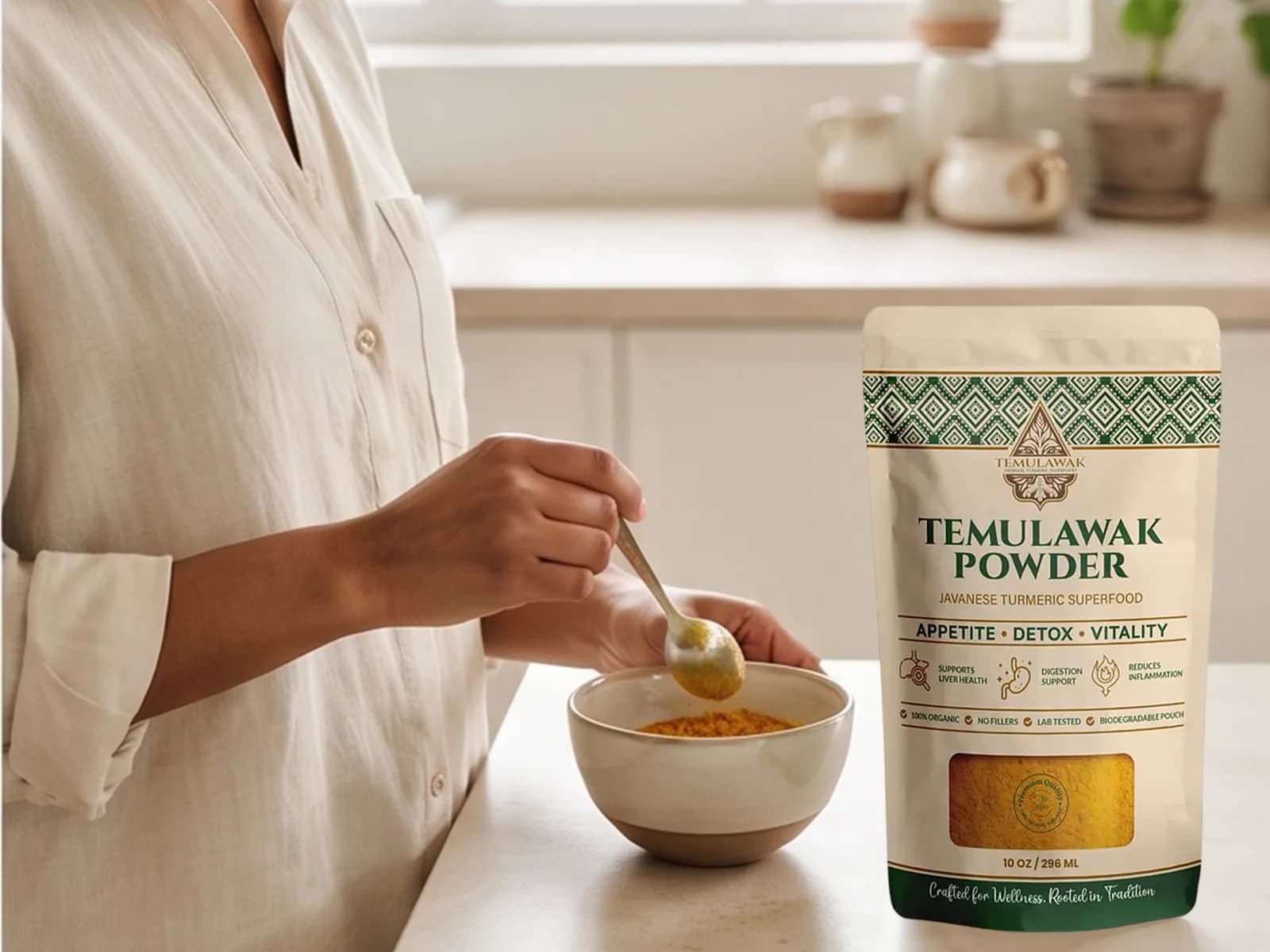
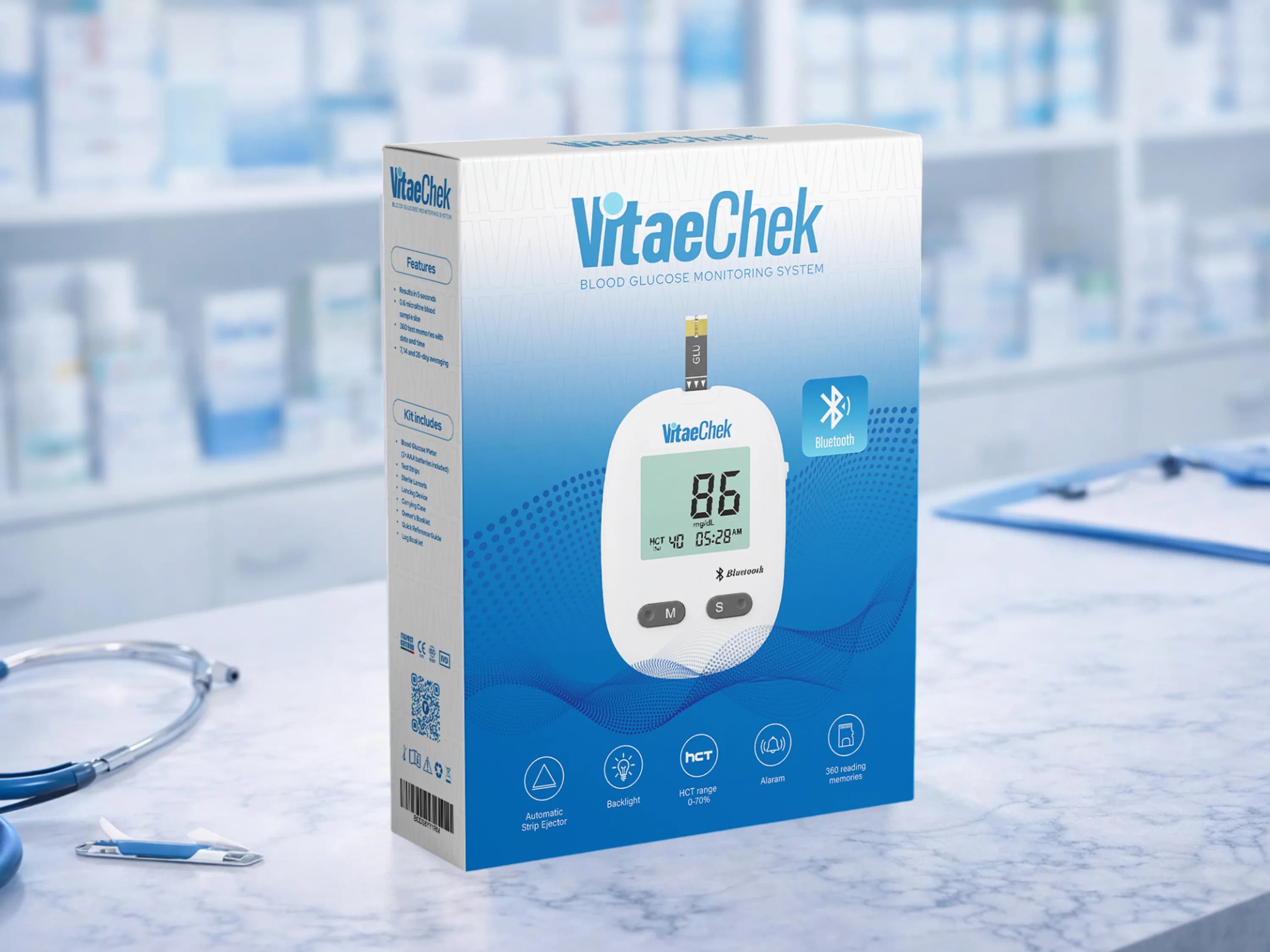
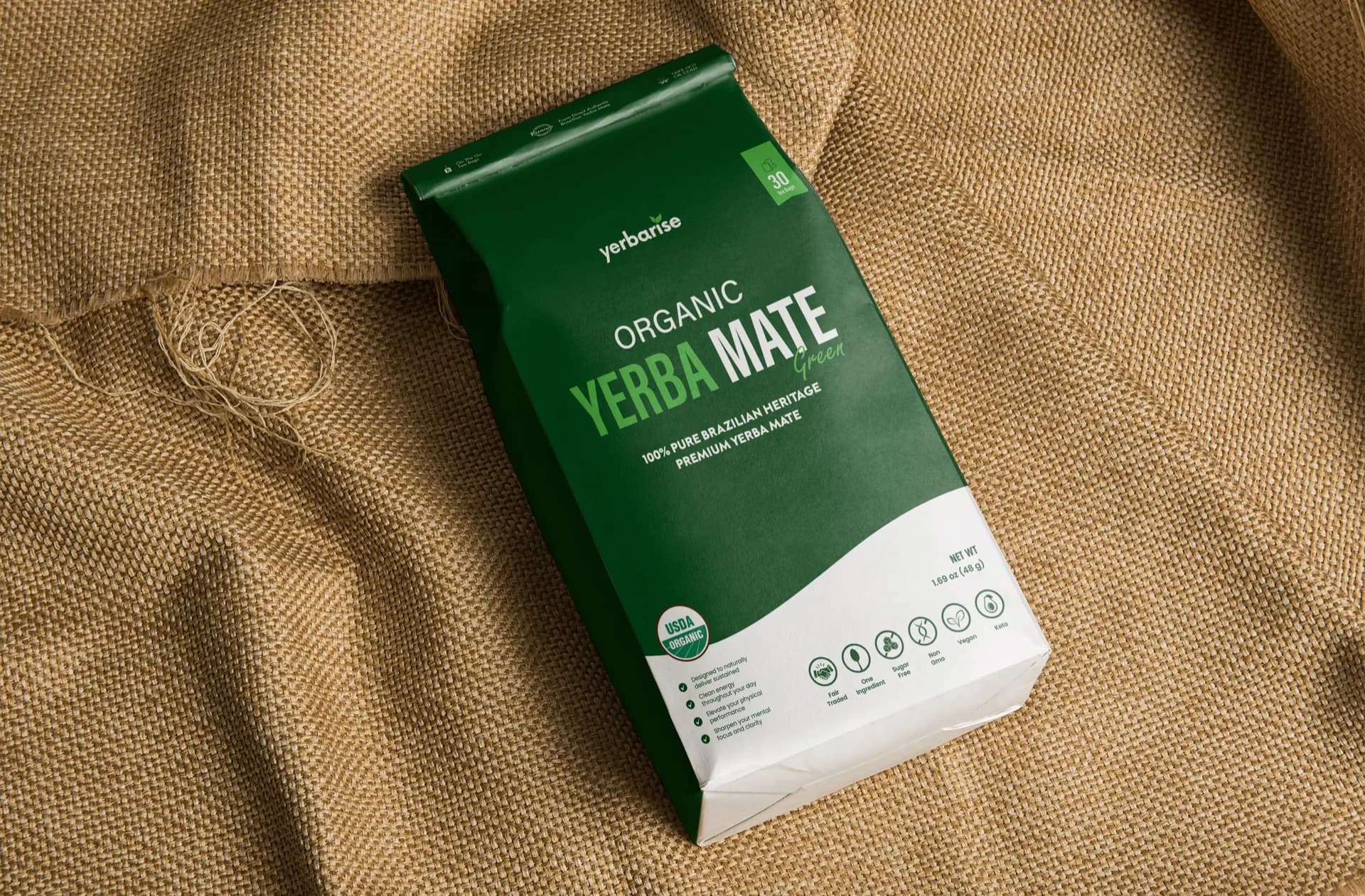
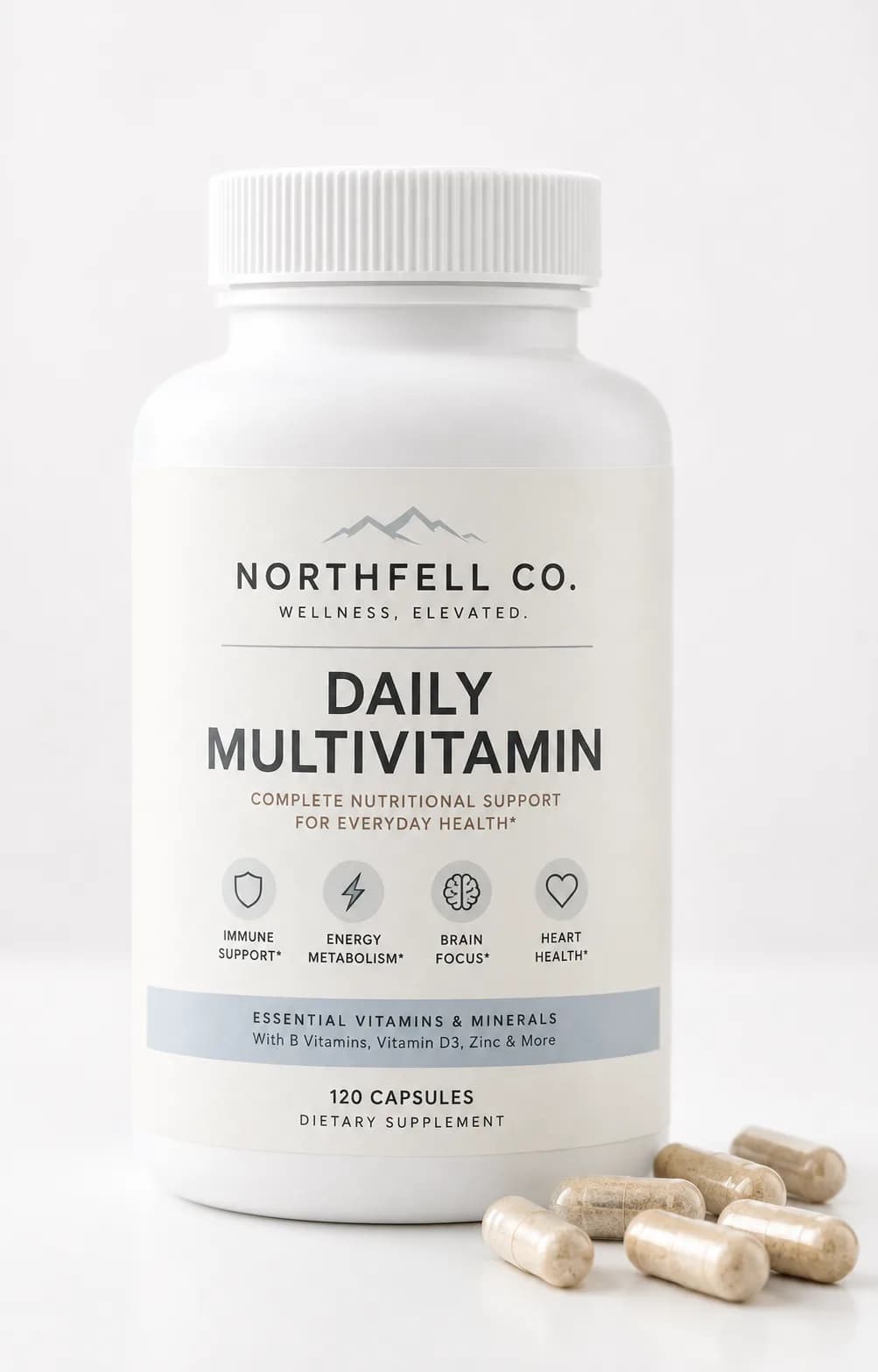
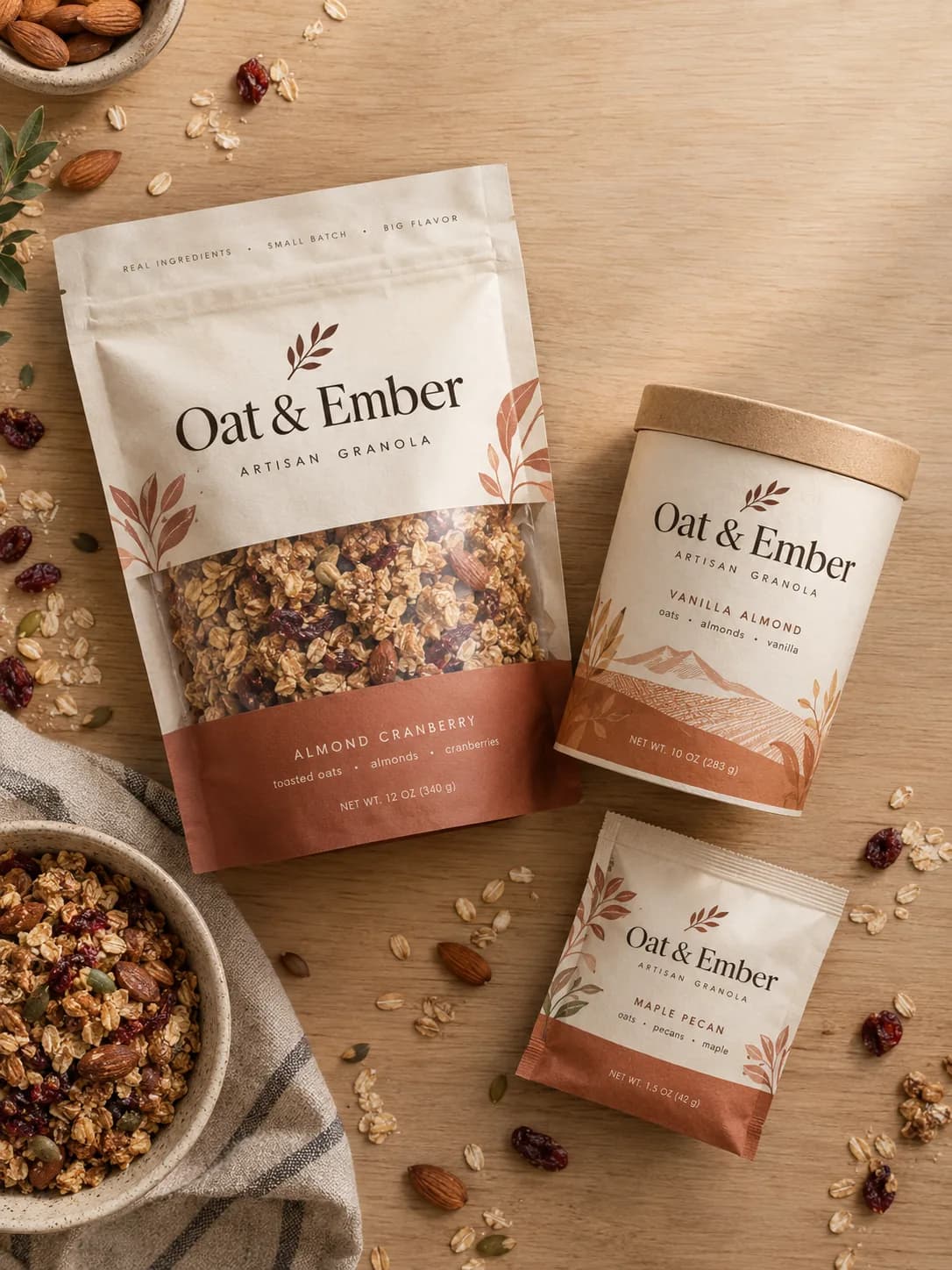
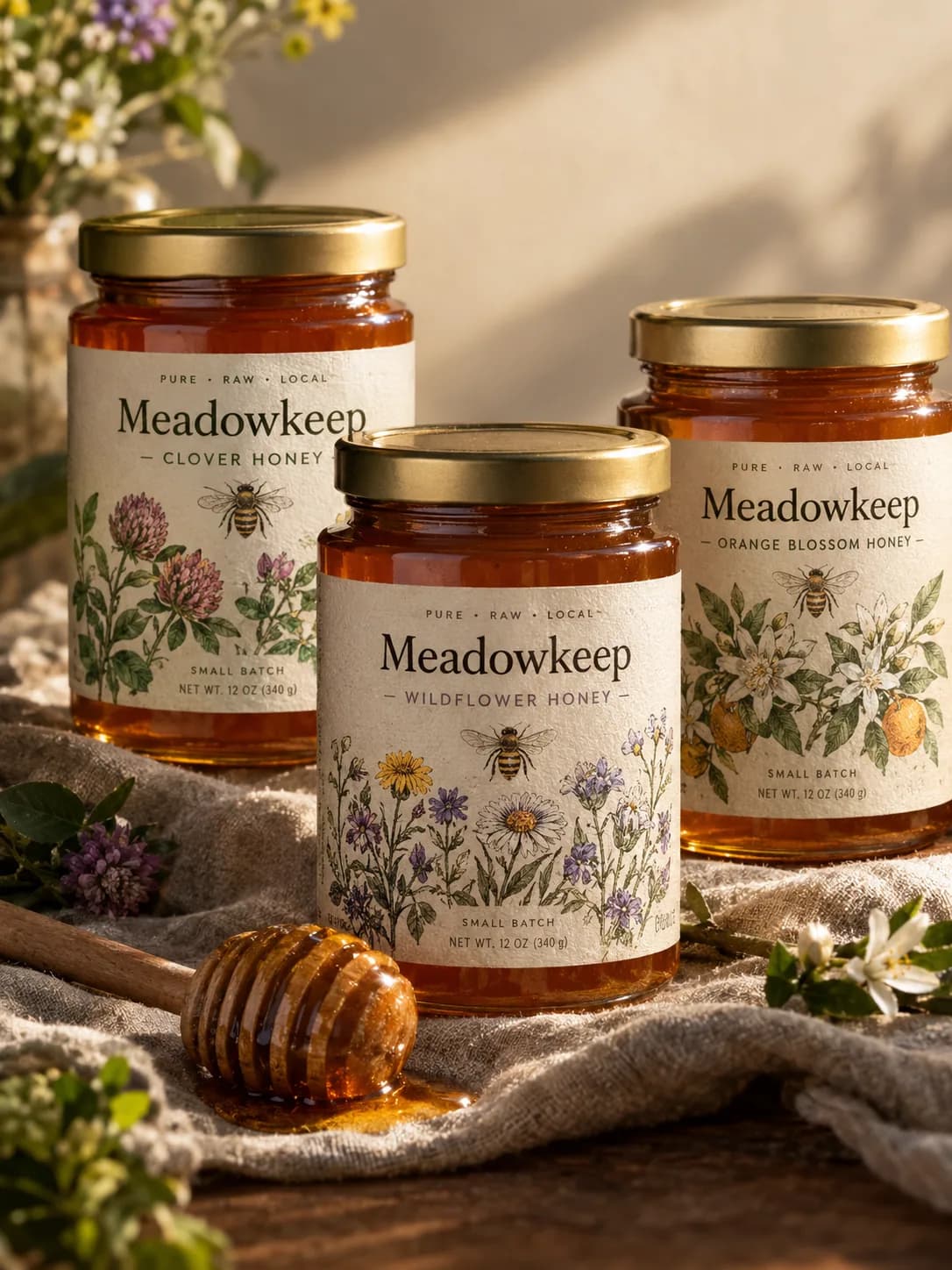
We're always-on to deliver the
packaging you want, when you need it
Print-ready packaging files
Nutrition facts panel artwork
Dieline template
3D packshot renders
Printer specification sheet
Food Packaging Design: The Complete Guide
A complete reference for brand managers, designers, and marketers making packaging decisions.
What makes food packaging design different from other packaging
Five simultaneous demands
The challengeFood packaging must attract a distracted shopper in under three seconds, communicate benefits clearly, satisfy mandatory labelling law, survive cold chain and humidity, and remain legible on an Amazon thumbnail — all at once. Getting any one wrong costs sales.
Our approachWe design every panel with its primary function in mind: the front face for shelf impact, the information panel for compliance, the back for consumer narrative — so each element does its job without competing with everything else.
The highest regulatory stakes
The challengeFood has the highest regulatory requirements of any category. An incorrectly formatted Nutrition Facts panel triggers FDA action, retailer delisting, and potential recall — consequences far beyond most product categories.
Our approachWe review every mandatory element against current FDA, UK, and EU requirements before artwork is finalised — Nutrition Facts format, allergen declaration, net weight placement, country of origin, and all claim substantiation.
The Process
The anatomy of a compliant food label
Every food product sold in a major market has mandatory label elements defined by that territory's food authority. Understanding what's required — and how it must be formatted — is the foundation of any food packaging project.
Nutrition Facts panel (US FDA)
Under 21 CFR Part 101, any food sold in the United States must carry a Nutrition Facts panel formatted to FDA specifications. The 2020 FDA update changed the layout significantly: serving size and calories must appear in larger, bolder type; "Added Sugars" became a mandatory line item; Vitamin D and Potassium replaced Vitamins A and C. Single-serving packages with fewer than 40g or 40ml may use a simplified format. The exact format variant (standard, simplified, linear, tabular, dual-column) is determined by package dimensions and the number of servings. Getting this wrong is one of the most common and expensive food labelling errors we correct.
Ingredients list and allergen declaration
The ingredient list must name every ingredient in descending order of weight as used in manufacturing. The eight major allergens — milk, eggs, fish, shellfish, tree nuts, peanuts, wheat, and soybeans — must be declared either within the ingredient list using their common name or in a "Contains" statement directly following the ingredient list. The FDA's FASTER Act of 2021 added sesame as the ninth major allergen from January 2023. EU food allergen rules are governed by EU Regulation 1169/2011 and cover 14 allergens, including celery, lupin, and sulphur dioxide — categories the US framework doesn't require.
Front-of-pack claims
Claims like "Non-GMO," "Organic," "Gluten-Free," "Keto," and "No Added Sugar" each carry specific regulatory definitions and, in many cases, third-party certification requirements. "Organic" requires USDA NOP certification. "Gluten-Free" is an FDA-defined standard (fewer than 20 ppm). "Non-GMO" is not federally defined but is often backed by Non-GMO Project verification. Using these claims without satisfying the underlying standard creates regulatory and reputational risk. We review all claims against current regulatory guidance before they appear on artwork.
Net weight and manufacturer statement
Net weight must appear on the primary display panel (PDP) in both metric and US customary units for US products, positioned in the lower 30% of the PDP. The manufacturer, packer, or distributor statement — full legal name and address — must appear on an informational panel. These seem simple, and they are — but they're mandatory, and we see finished packaging regularly submitted without them correctly formatted.
Country of origin
Most food products require a country of origin declaration under COOL (Country of Origin Labelling) regulations. The specific requirements vary by food category — produce, seafood, muscle cuts of meat, peanuts, pecans, macadamia nuts, and ginseng have specific mandatory COOL requirements. Processed food products are generally exempt from COOL but may still carry voluntary origin claims that must meet FTC accuracy standards.
Shelf Impact
Shelf impact: the science of being chosen
Three distances, three design jobs
The challengePackaging must perform at 3 metres (aisle entry), 1 metre (browsing range), and 0.3 metres (point of selection). The design hierarchy required at each distance is different — and most brands design for only one of them.
Our approachWe structure the primary display panel so colour and form dominate at 3 metres, brand name and descriptor read at 1 metre, and supporting copy and compliance are clear at 0.3 metres.
Colour works before anything else
The challengeAt 3 metres, only colour and major form factor are visible. Brands that rely on detailed illustration, complex typography, or secondary colour palettes for recognition lose before a shopper even enters the aisle.
Our approachWe establish a dominant colour story that identifies the brand from distance — then layer in detail that rewards closer inspection without depending on it for recognition.
The category also has a dominant visual language — a set of design codes that tell shoppers what type of product something is. Premium protein powder looks nothing like mass-market cereal for good reason: the codes signal price point, target consumer, and product philosophy before a word is read. Breaking category codes can work — but only if the dissonance is intentional and controlled. Unintentional code-breaking usually reads as amateur, not disruptive.
Formats
Food packaging formats and their technical requirements
The format you choose determines the print process, the substrate, the structural requirements, and the compliance panel arrangement. These decisions should be made before creative design begins, not after.
- Flexible pouches (stand-up, flat, spouted). Typically printed by rotogravure or flexographic press in large runs, or digital for short runs. Food-grade barrier layers (foil, EVOH, PET) limit which substrates accept ink adhesion and which finishing options are available. Sealing areas must be kept clear of print on inside-facing surfaces.
- Folding cartons. Paperboard at 200—400gsm, printed offset or digitally. Recycled board substrates require specific ink systems — standard offset inks can migrate through uncoated recycled board and contact food. Food-safe ink systems and barrier coatings are required.
- Rigid boxes and tins. Used in premium food and gifting. Tin printing is lithographic with strict registration requirements. Rigid boxes are often printed paper-wrapped — the paper is printed offset or digitally, laminated, then applied to the box structure.
- Shrink sleeves. Full-coverage sleeve labels applied by heat shrink over container shapes. Artwork must be distortion-mapped for the specific container profile — flat artwork will distort predictably and must be pre-distorted to appear correct on the finished container.
- Labels (pressure-sensitive and wet-glue). Pressure-sensitive labels on glass or plastic containers are the dominant format for sauces, condiments, beverages, and specialty food. Wet-glue labels are used in high-volume beverage production. The substrate, adhesive, and container material all affect artwork specification.
Visual Approach
Photography vs. illustration in food packaging
The photography rule
The challengeBrands choose photography by default, even when the product photographs poorly — raw ingredients, processed food, products with unappealing natural colour consistently produce packaging that looks cheap at professional shoot quality.
Our approachWe use photography only when the product looks genuinely appetising at professional shoot quality. When it doesn't, illustration is the stronger choice — not a compromise or a cost-saving measure.
When illustration outperforms
The challengeBrands that avoid photography for products that would benefit from it — artisan baked goods, premium condiments, visually appealing fresh produce — leave significant shelf impact unrealised by defaulting to illustration unnecessarily.
Our approachWe evaluate each product on its visual merits. Illustration is recommended when the product doesn't photograph well, or when an illustrated style better serves the brand positioning — the choice is made on fit, not default.
Illustration as brand strategy
The challengeIllustration is widely treated as a budget alternative to photography — which misses why premium spirits, artisan confectionery, speciality tea, and craft beverage brands regularly outperform photography-led competitors.
Our approachAn illustrated pack tells a richer brand story with more control over every visual element — that's a strategic advantage. We choose between photography and illustration based on brand fit and product suitability, not cost.
Got Any Questions?


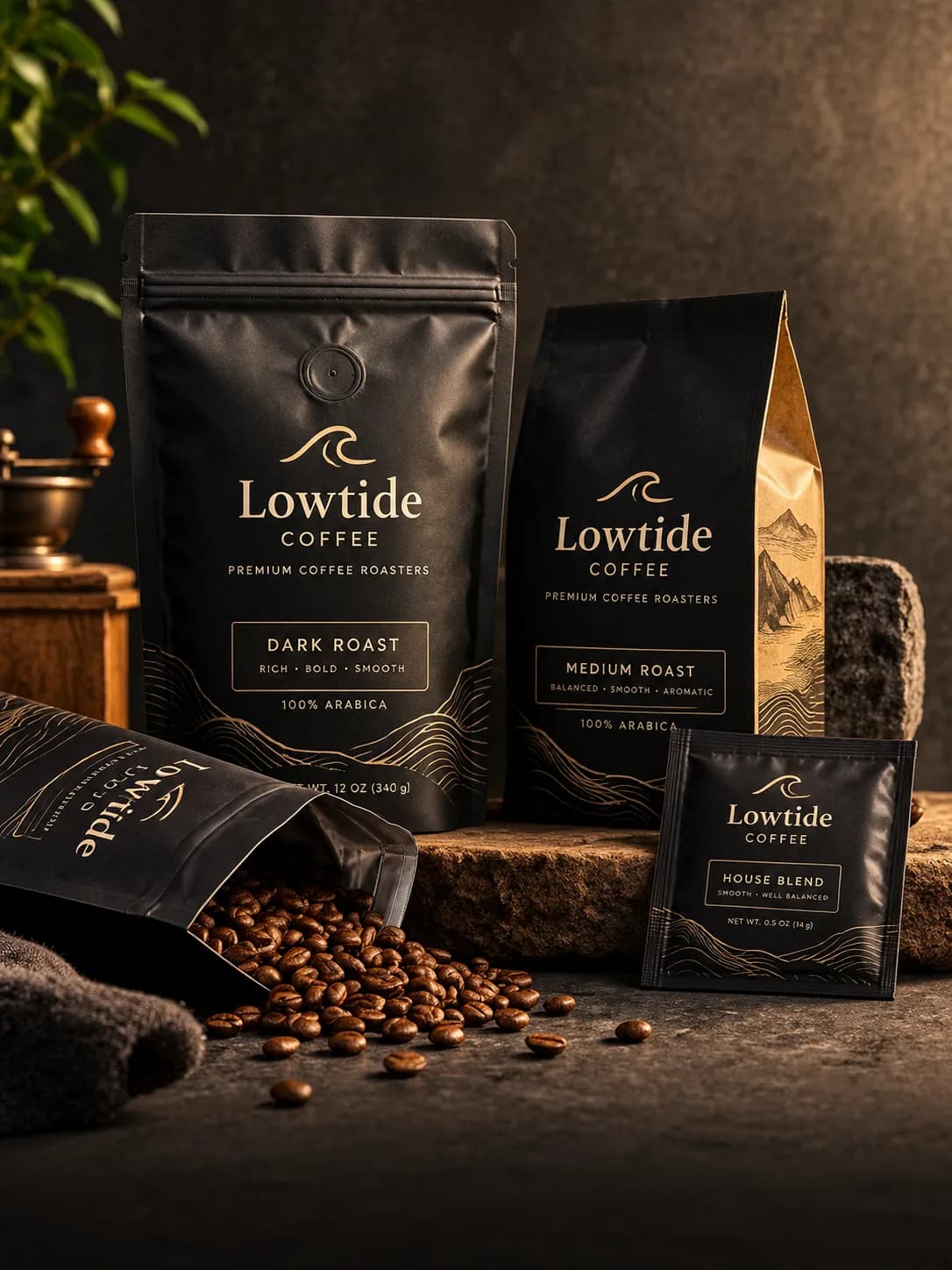
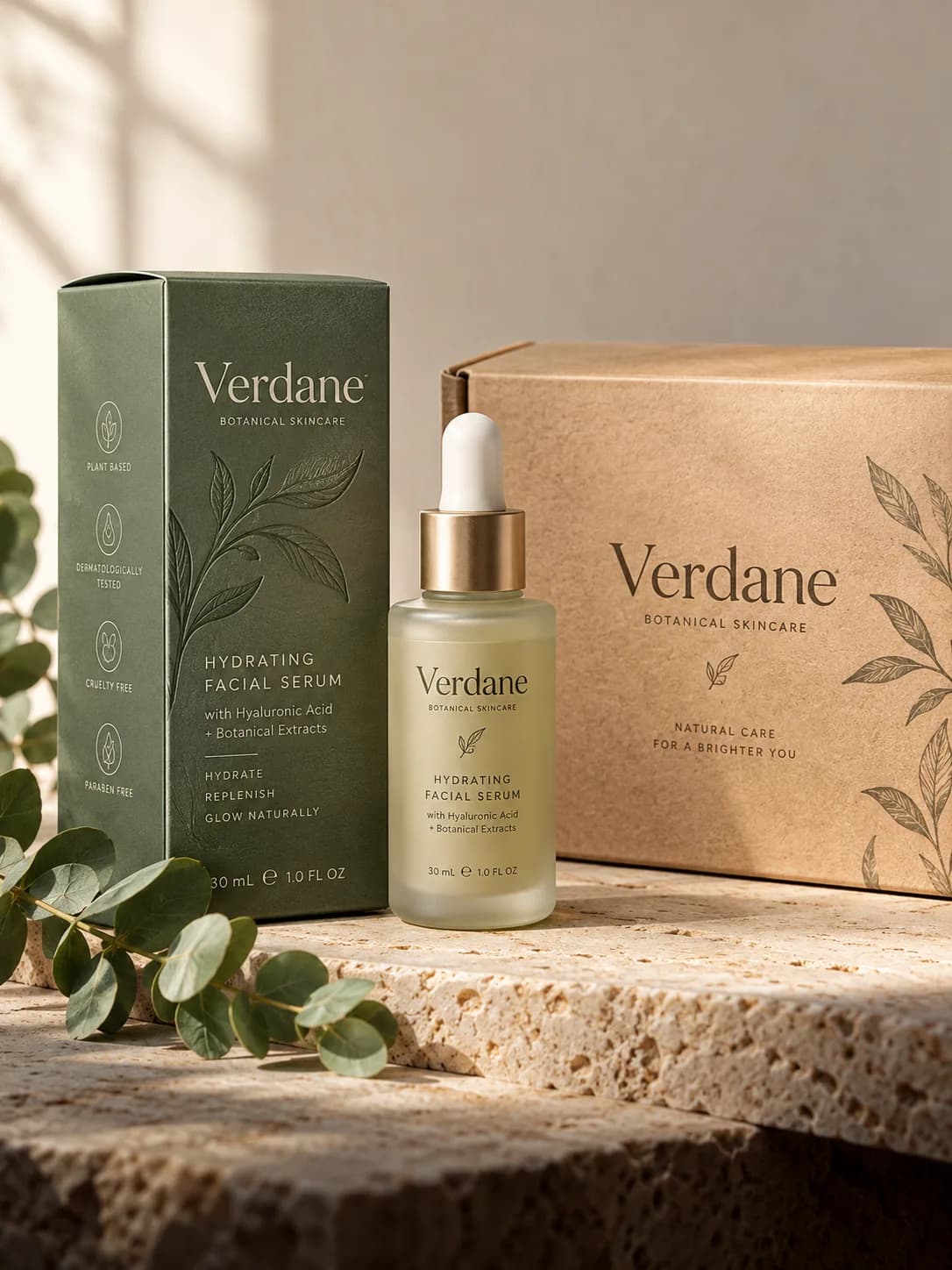
Your packaging deserves
better than “good enough.”
Book a free 15-minute call and we'll scope your packaging together — or send us a message to get started.