
Service
Retail Packaging Design
Packaging built to win at point of sale.
Retail shelf space is the most expensive real estate in the world. We design retail packaging that earns its position — using shopper psychology, category insight, and visual hierarchy to drive trial and repeat purchase.
Quick Answer
Retail packaging design creates shelf-ready artwork and structural packaging prepared to retailer guidelines for brick-and-mortar distribution — covering category code analysis, barcode set-up, and print-ready files built for consistent mass production.
What's Included
Everything delivered, as standard
Every Retail Packaging Design project includes these deliverables — no extras, no upsells, no surprises.
Packaging expertise across
6 product categories
Supermarkets
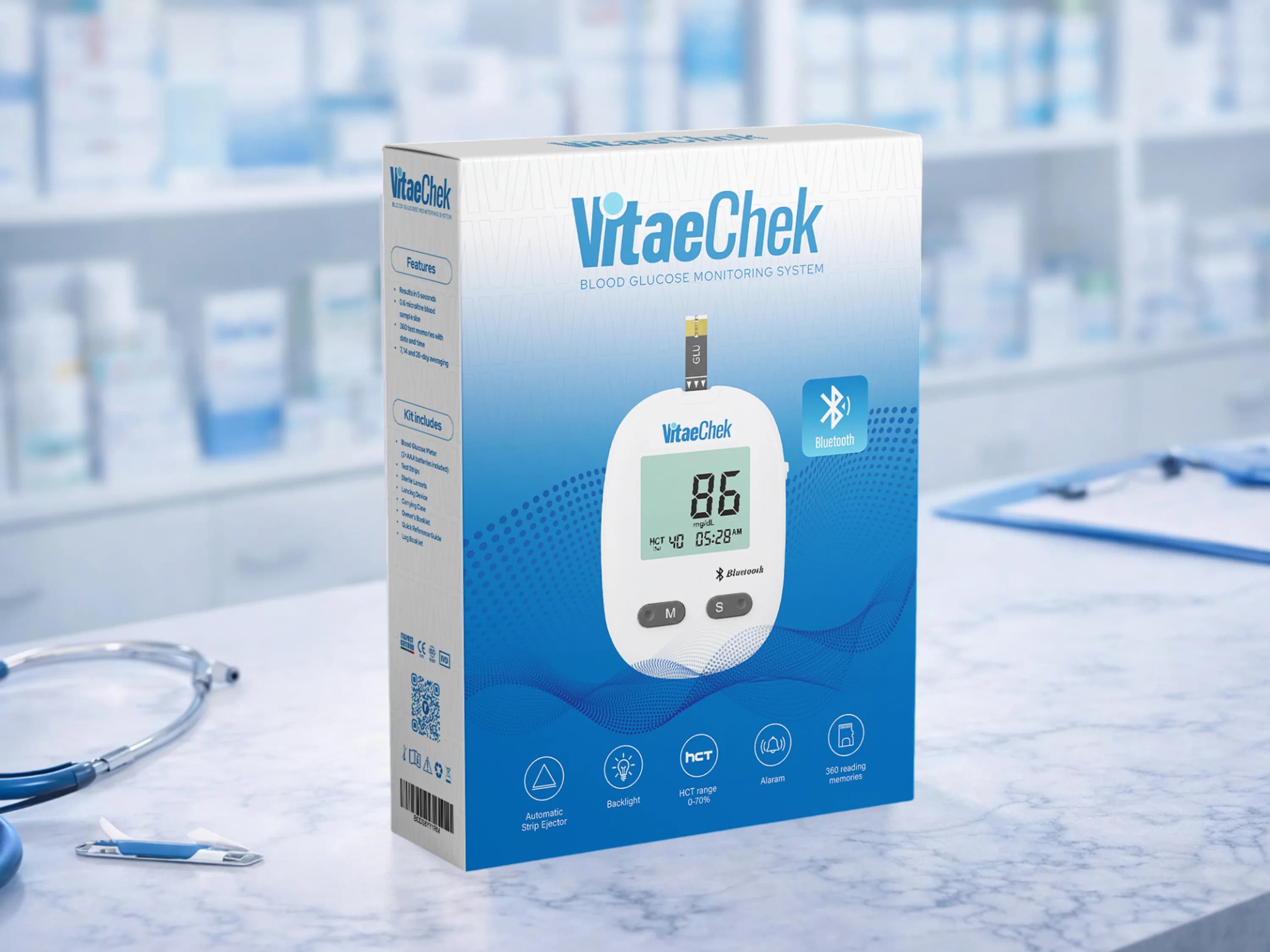
Pharmacy & Health Retail
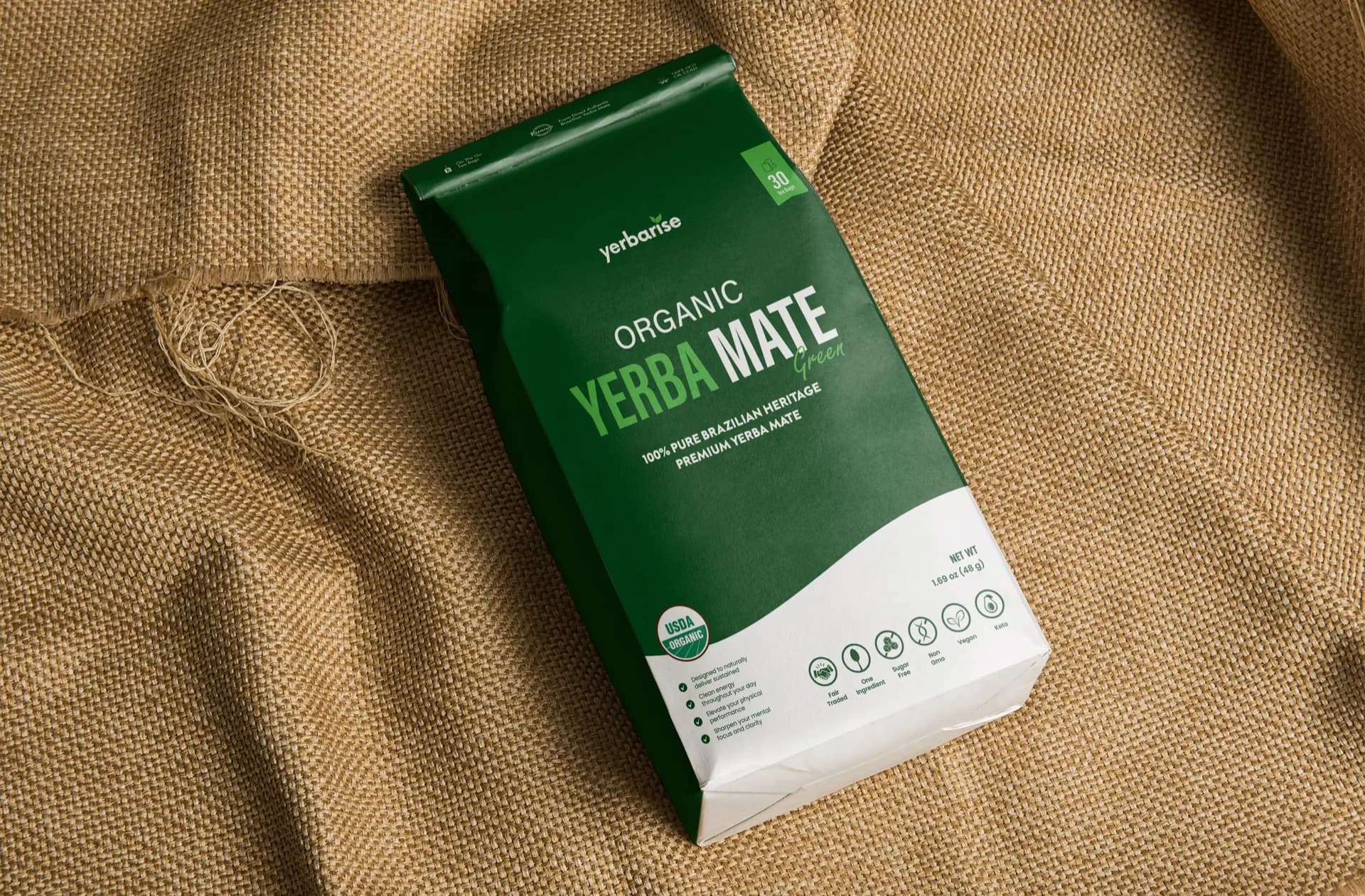
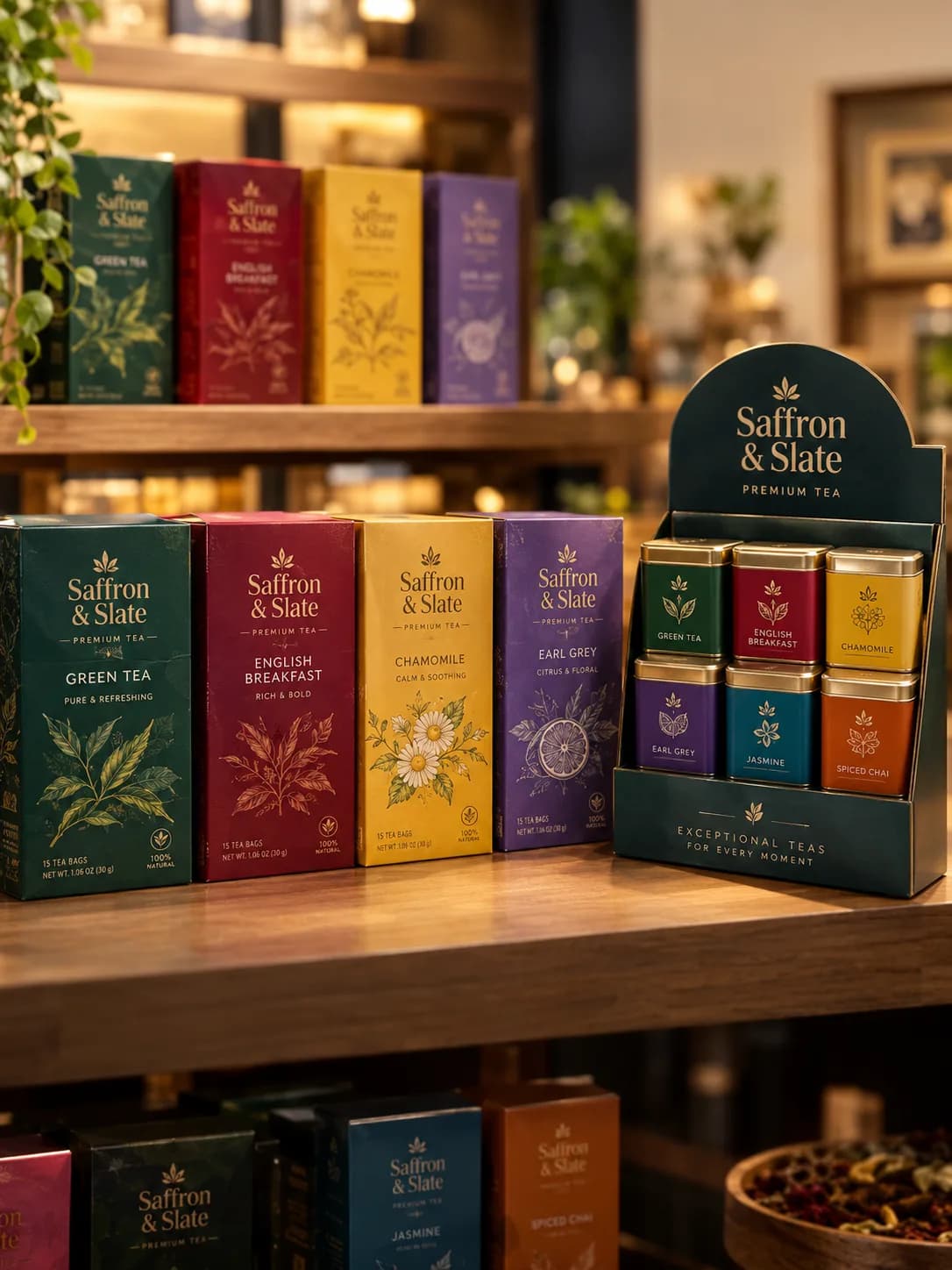
Specialty Food Retail
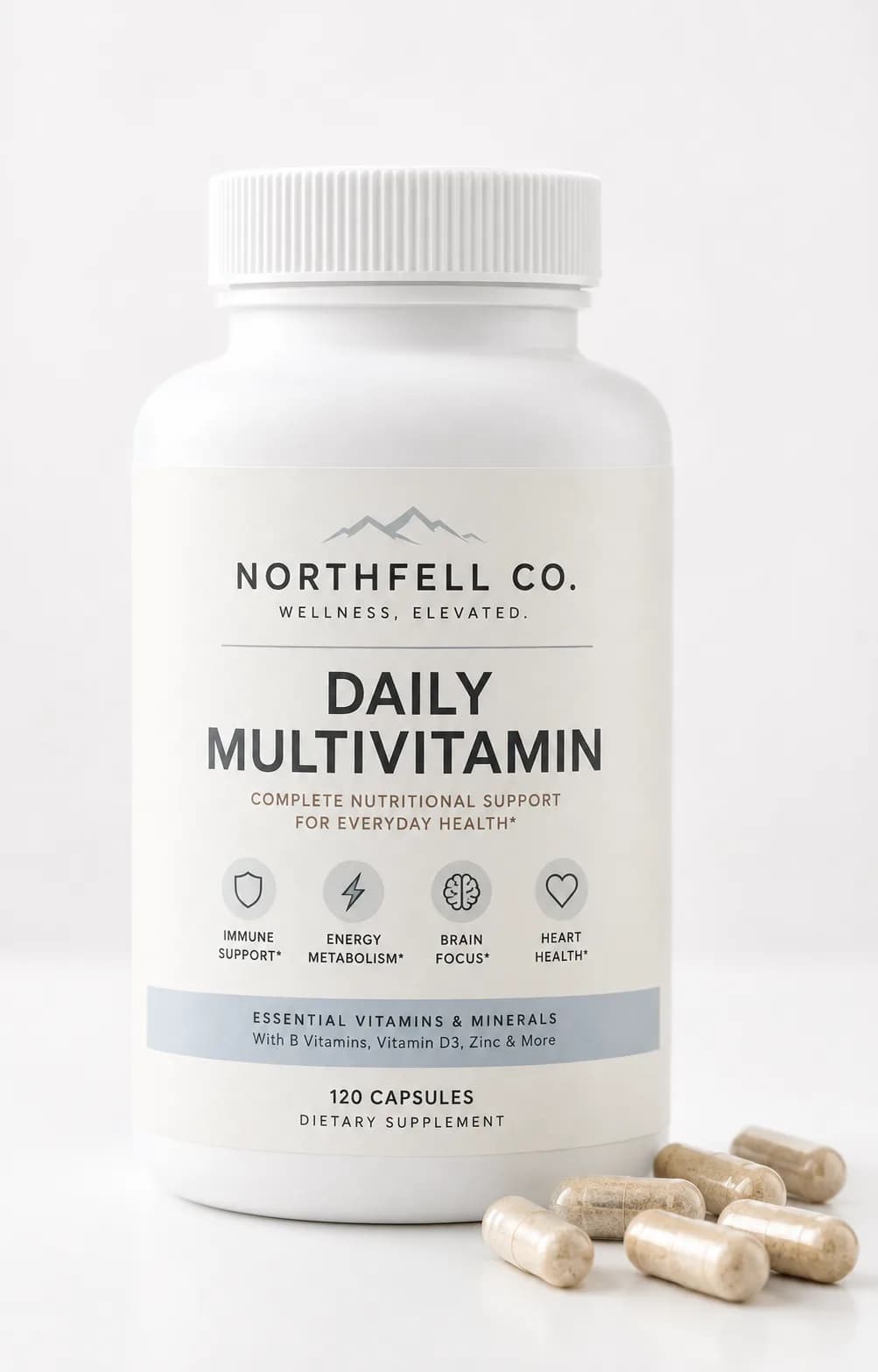
Health & Wellness Stores
Discount & Value Retail
Convenience Stores
Retail Packaging Design
Packaging built to win at point of sale.
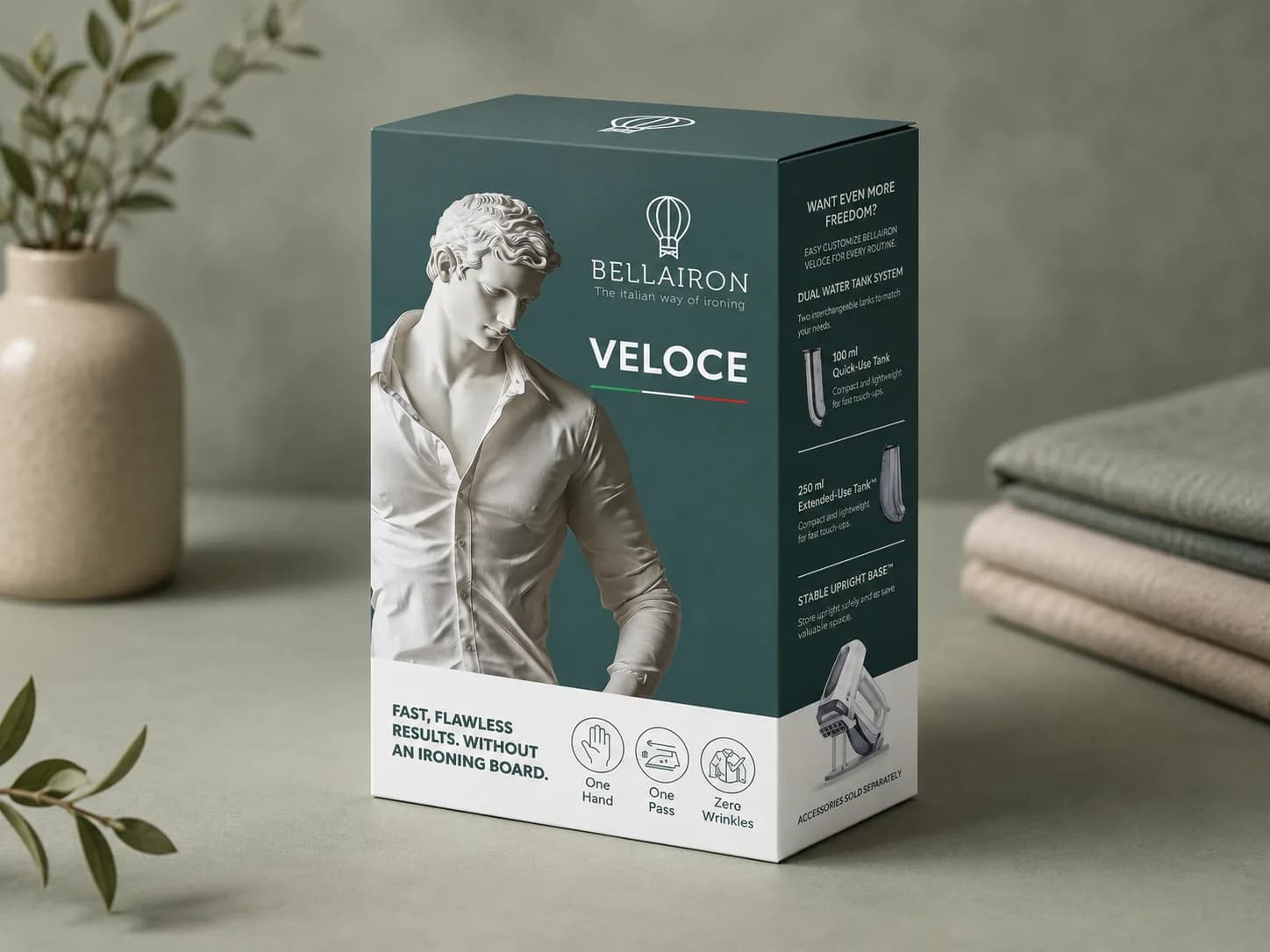

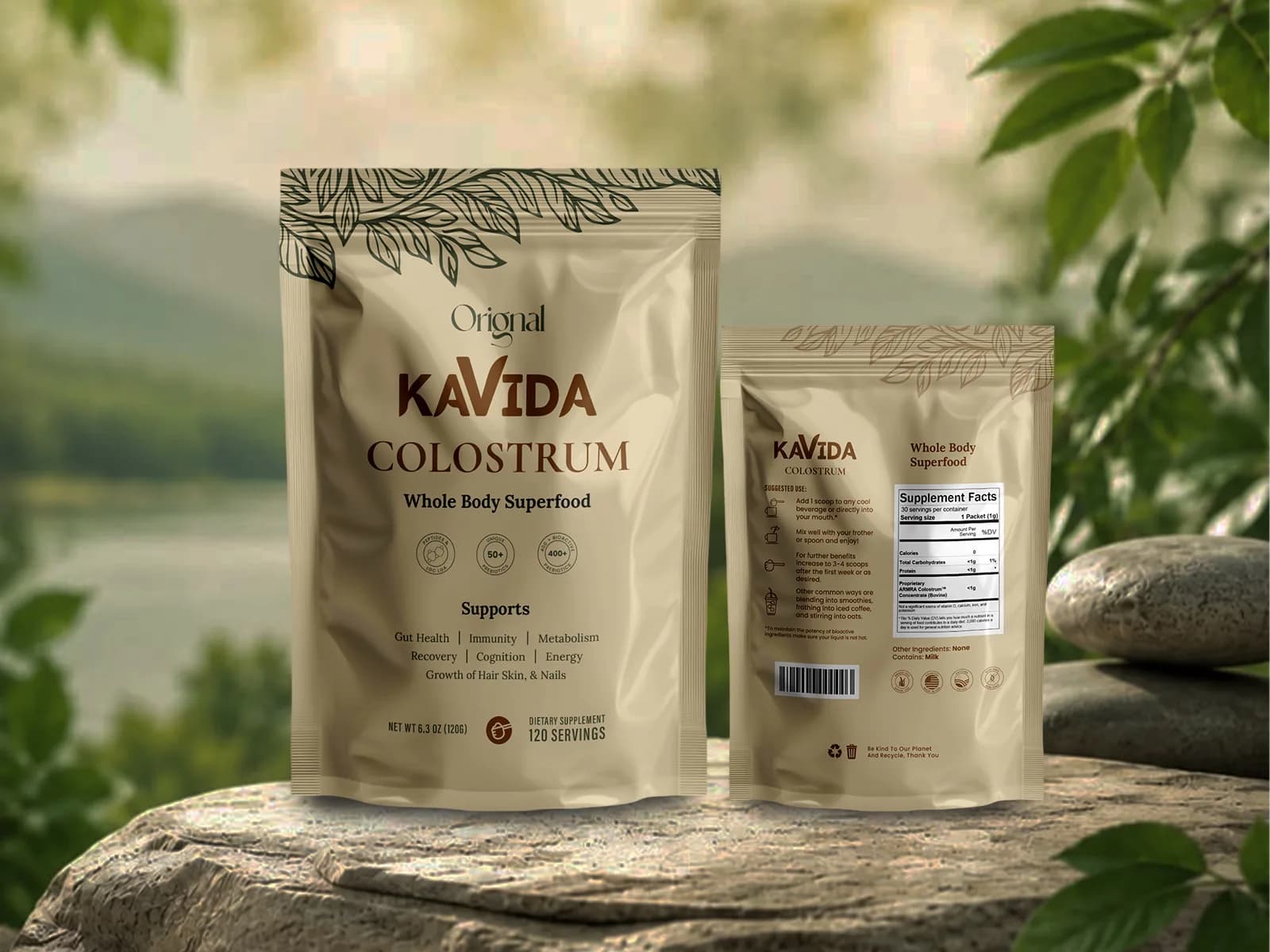
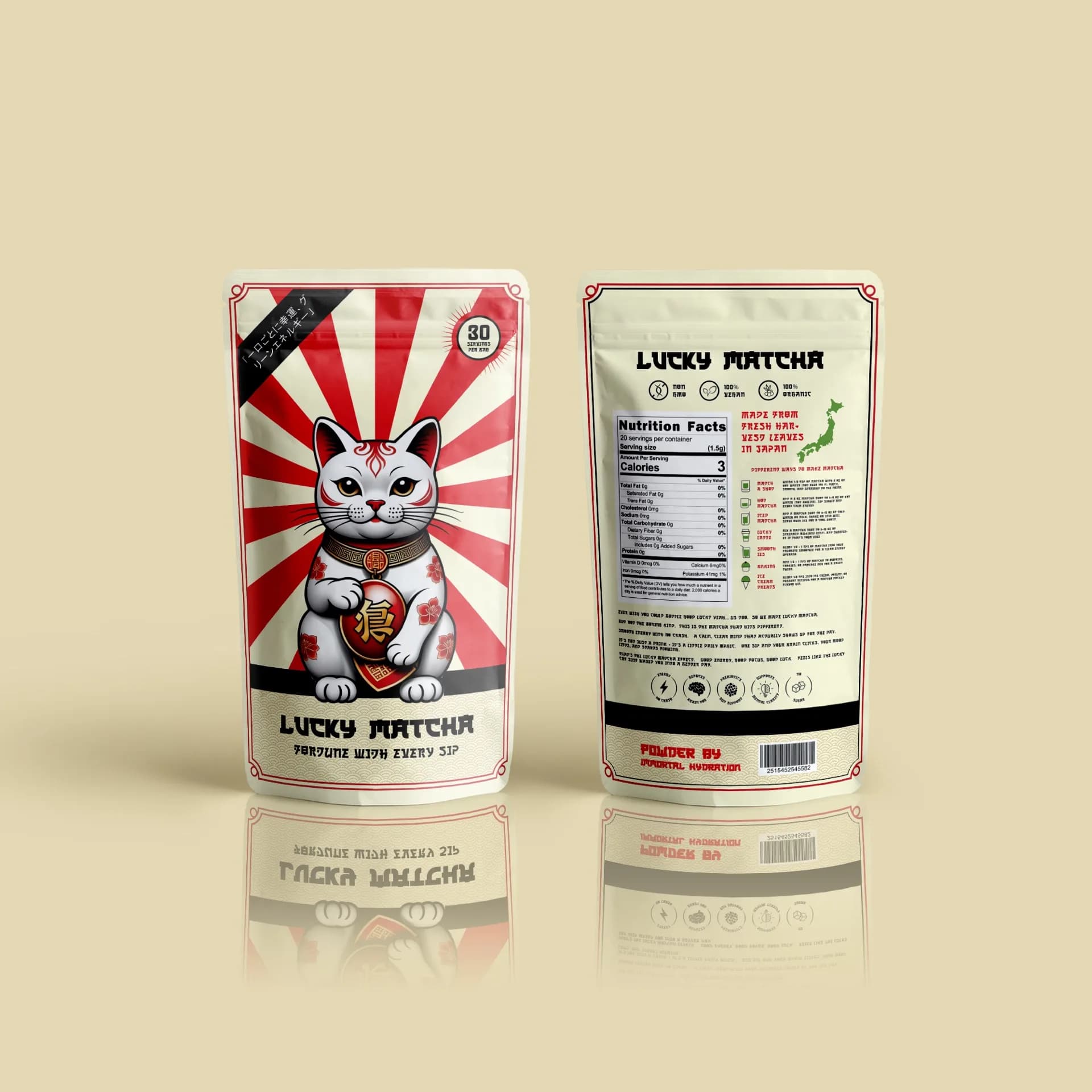

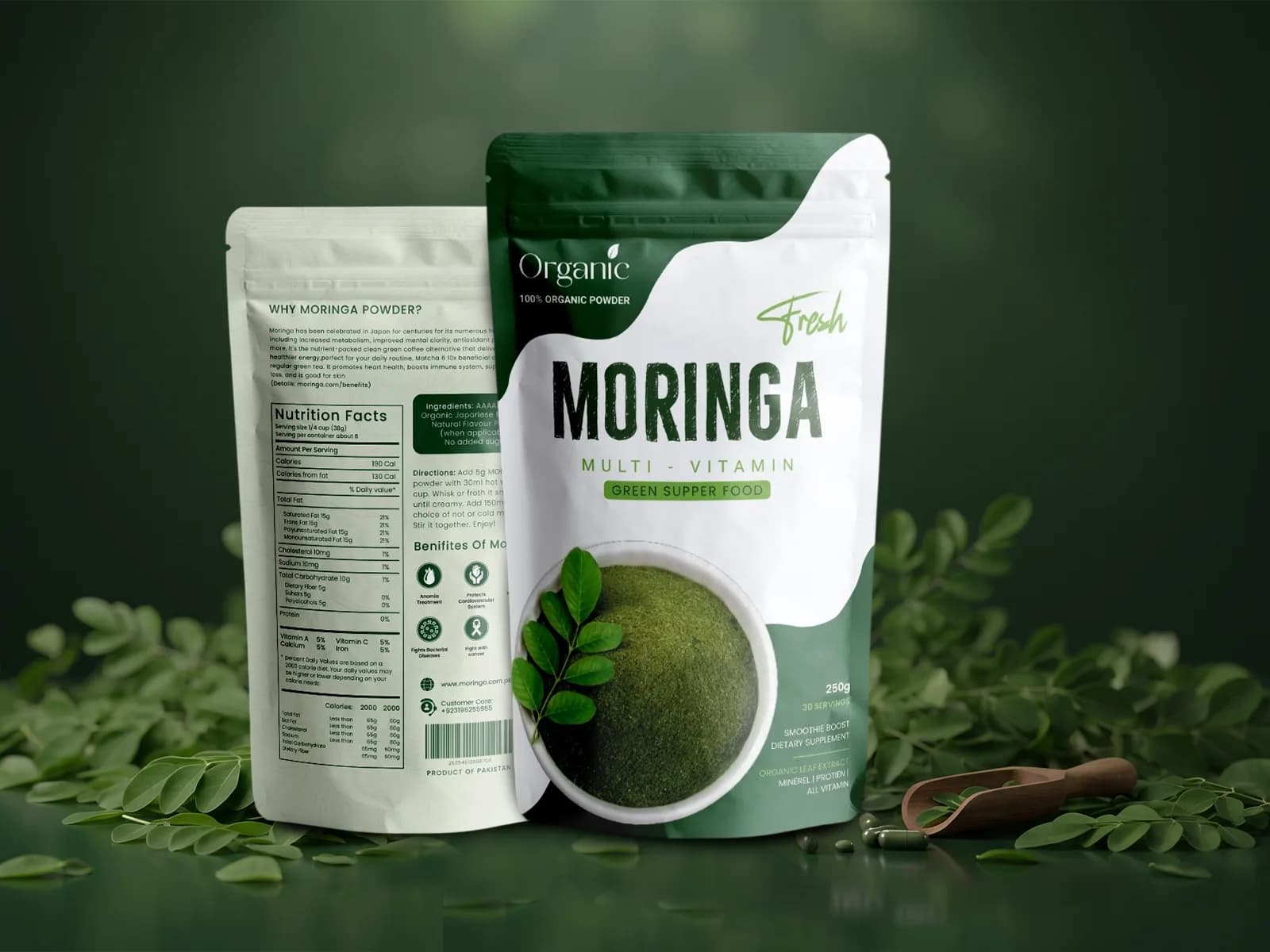
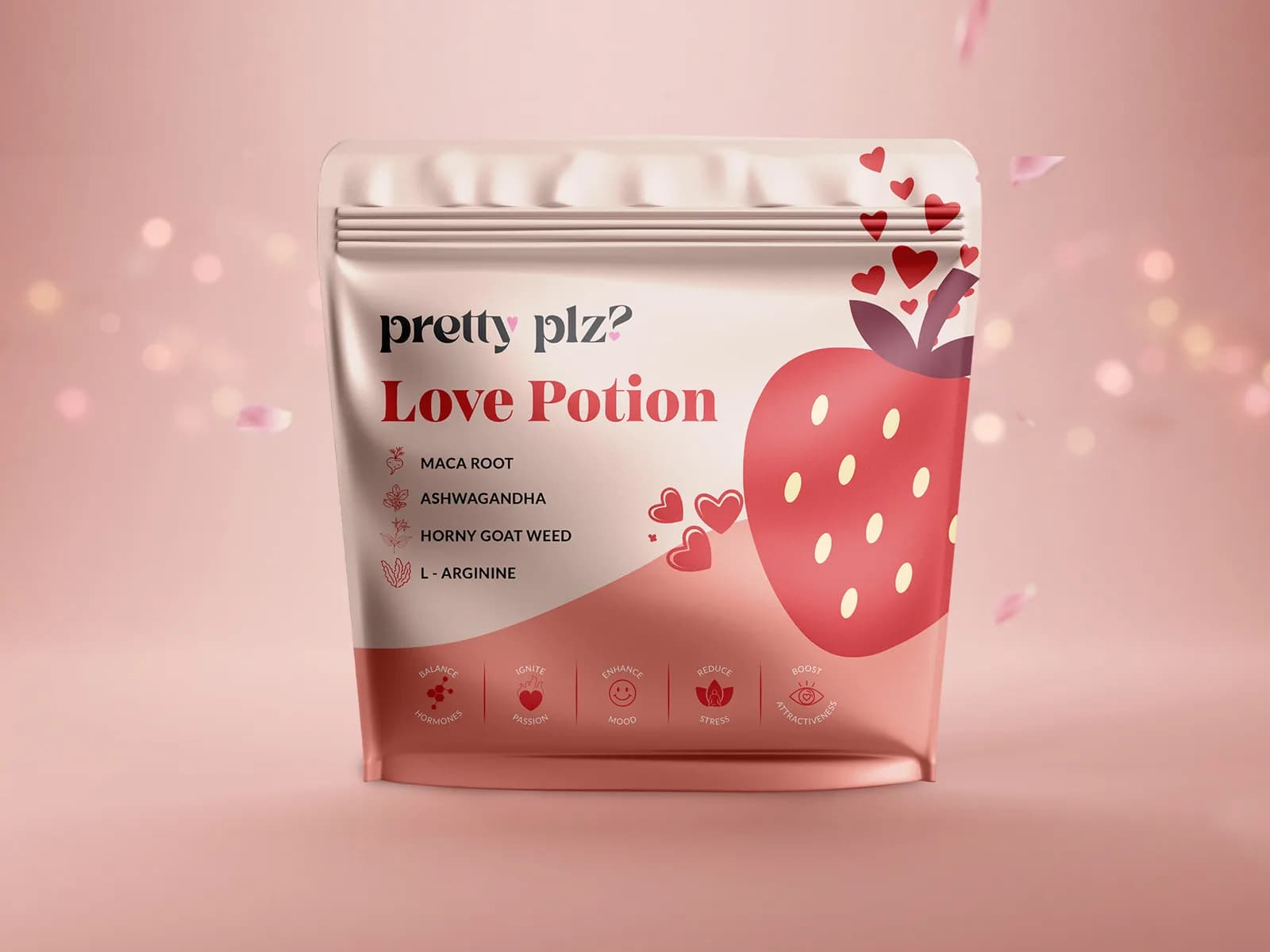
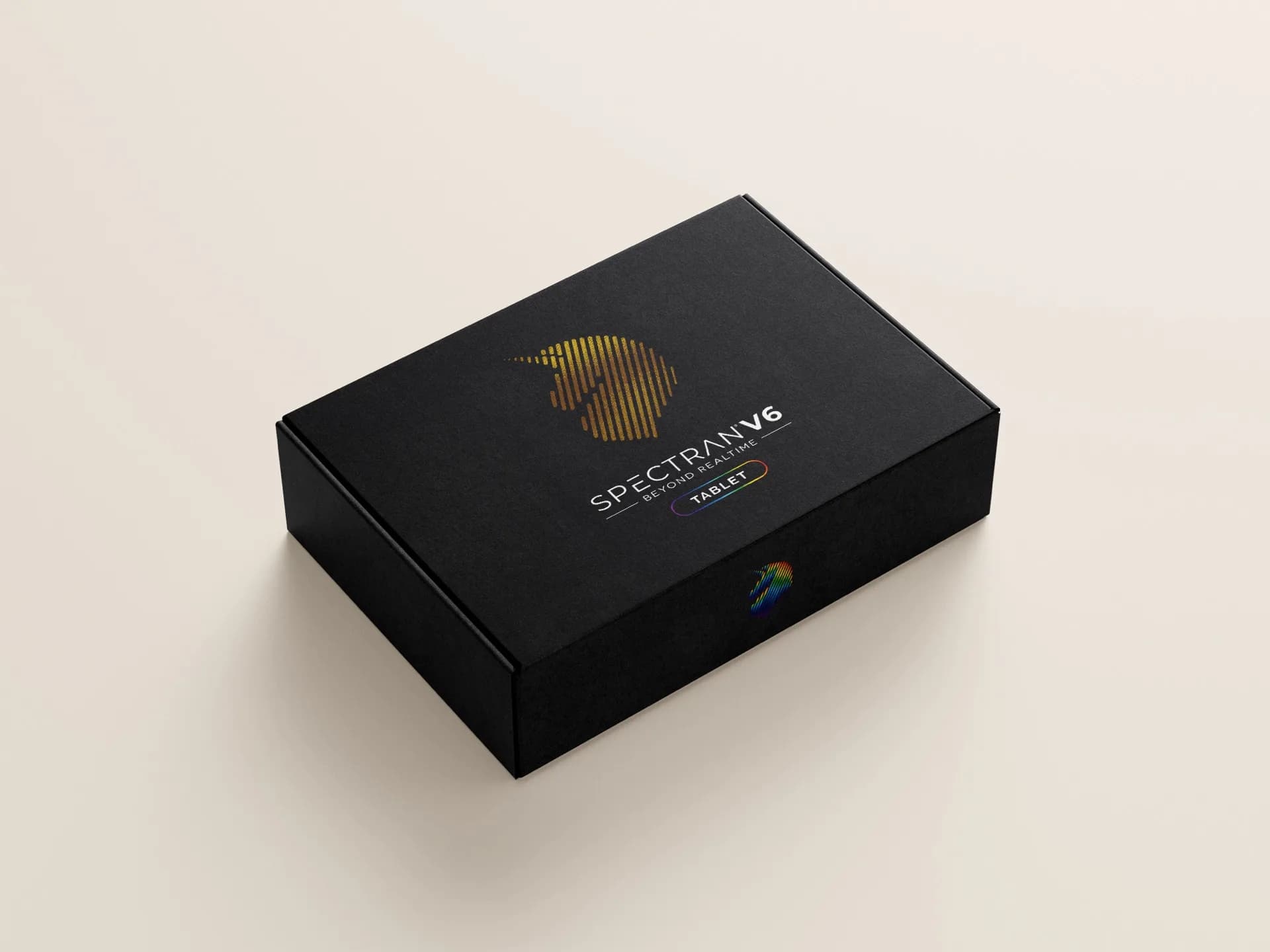
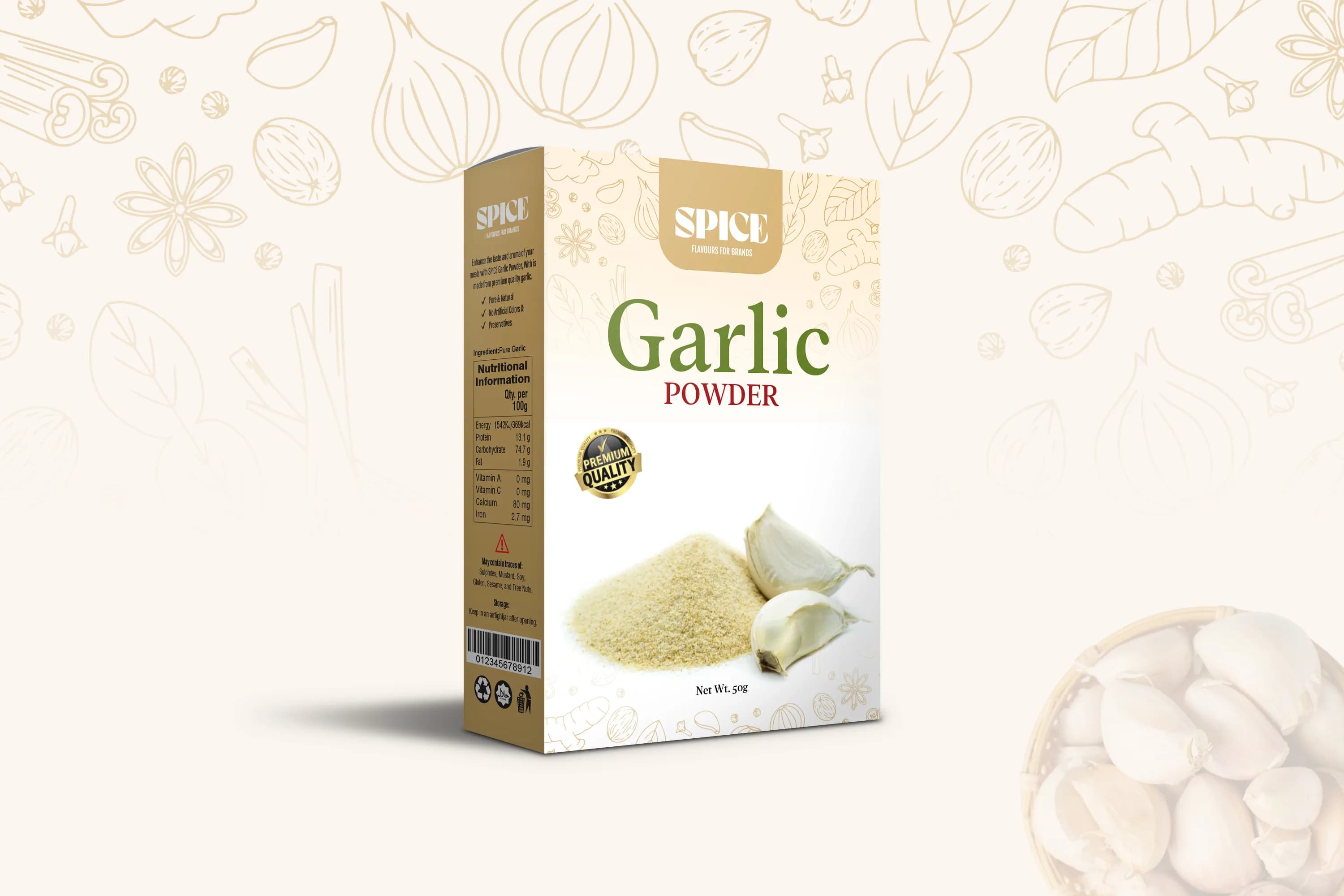
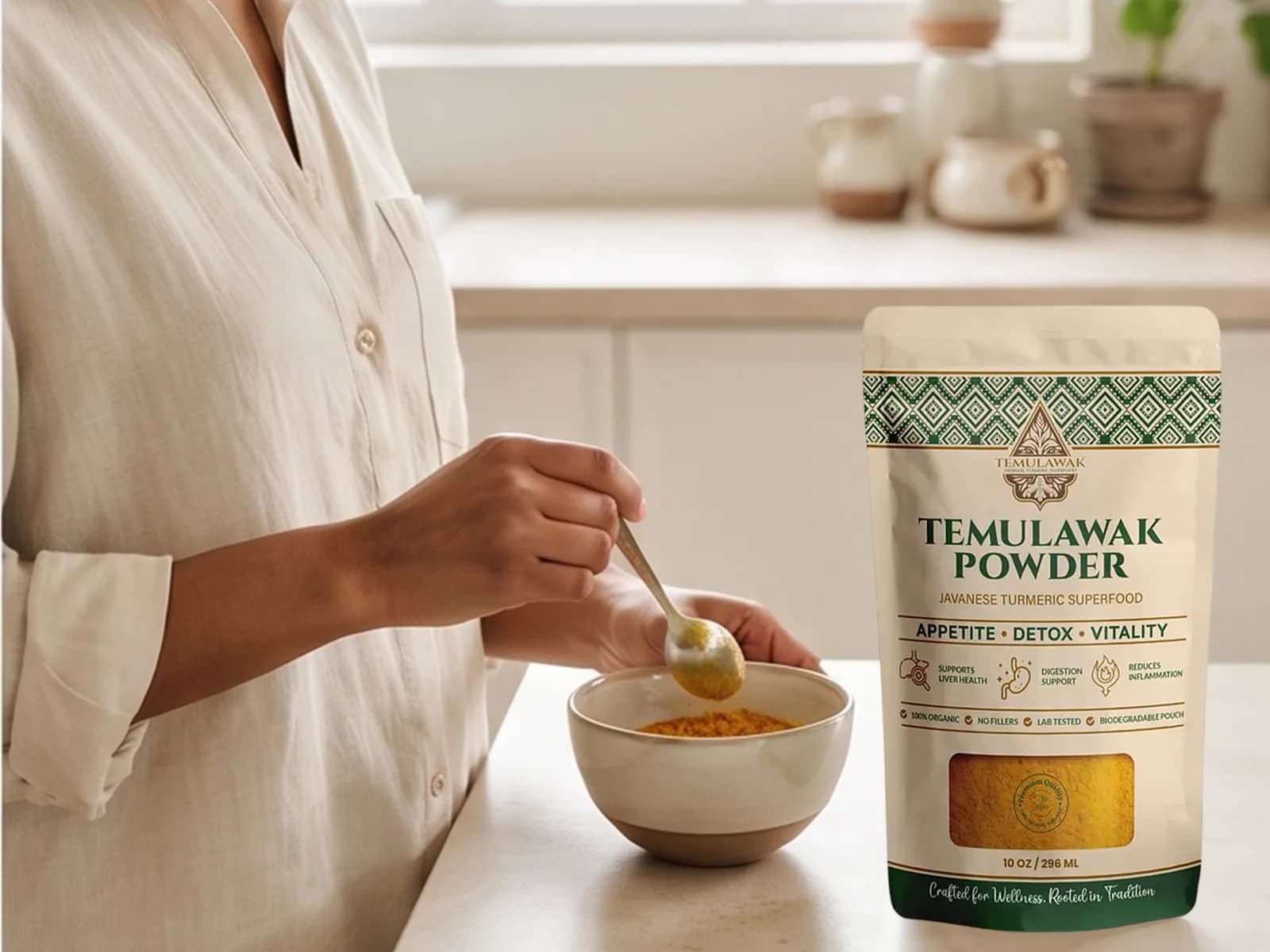
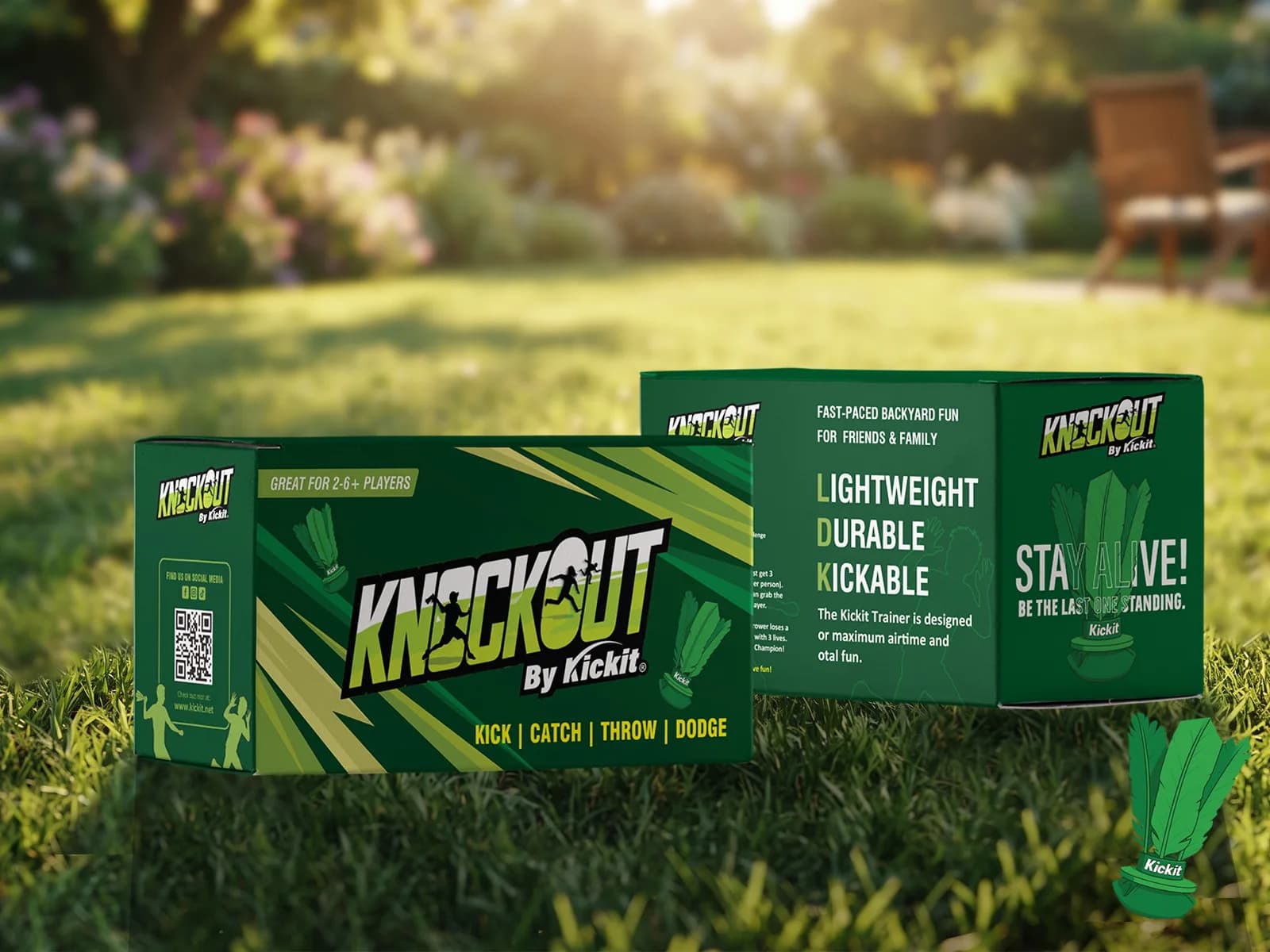
We're always-on to deliver the
packaging you want, when you need it
Print-ready retail packaging artwork
Retailer compliance specification sheet
Range architecture document
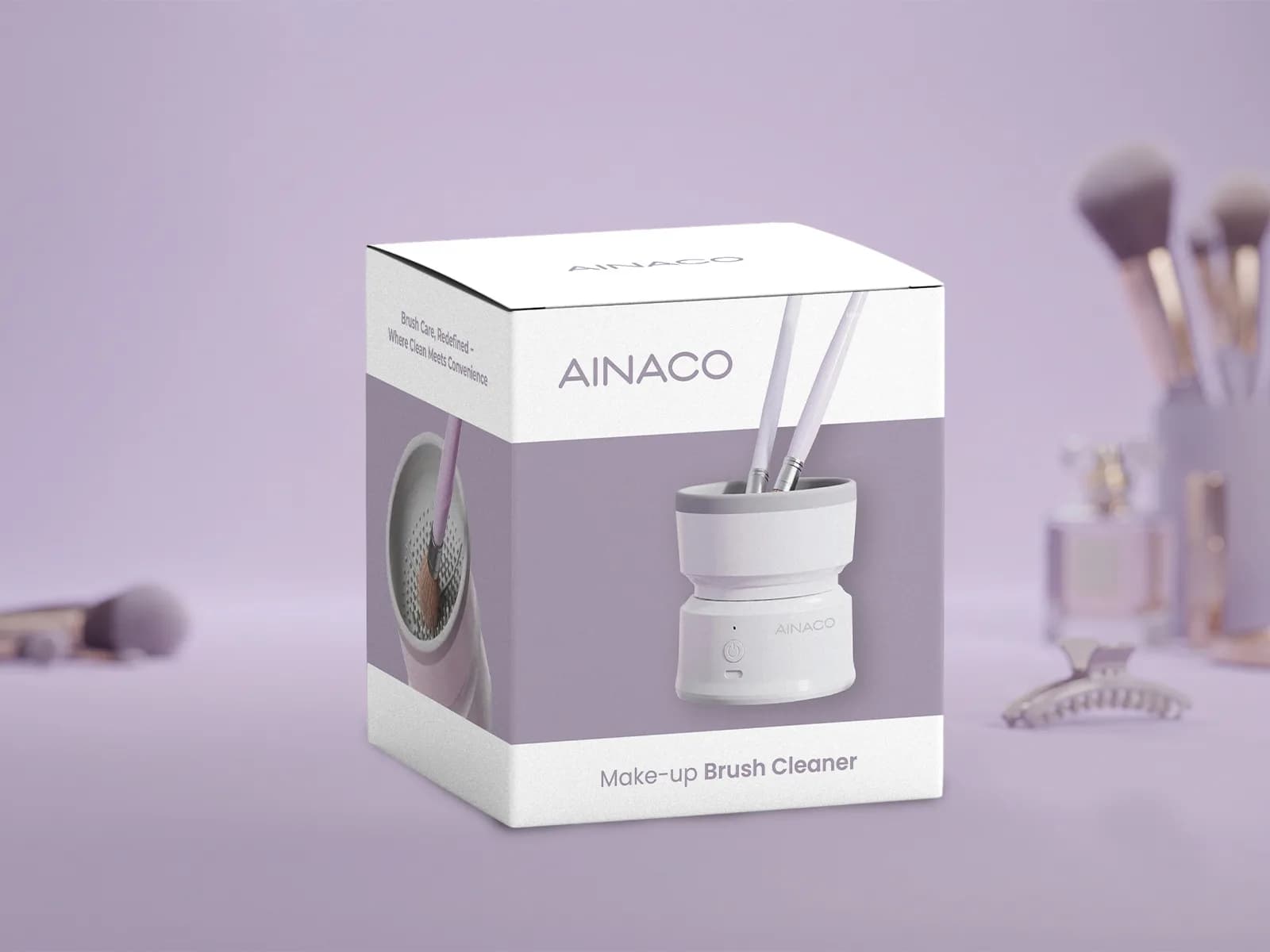
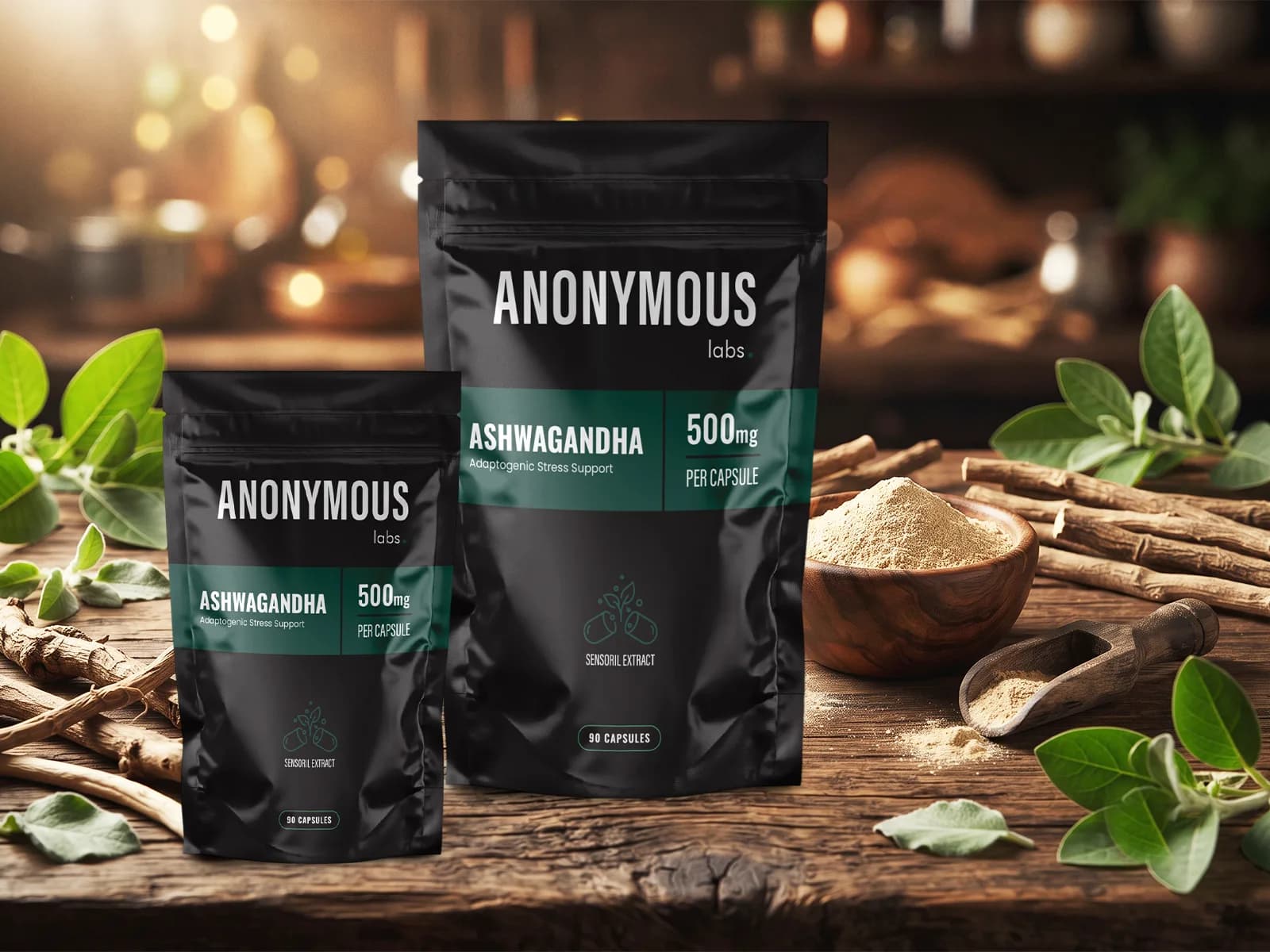
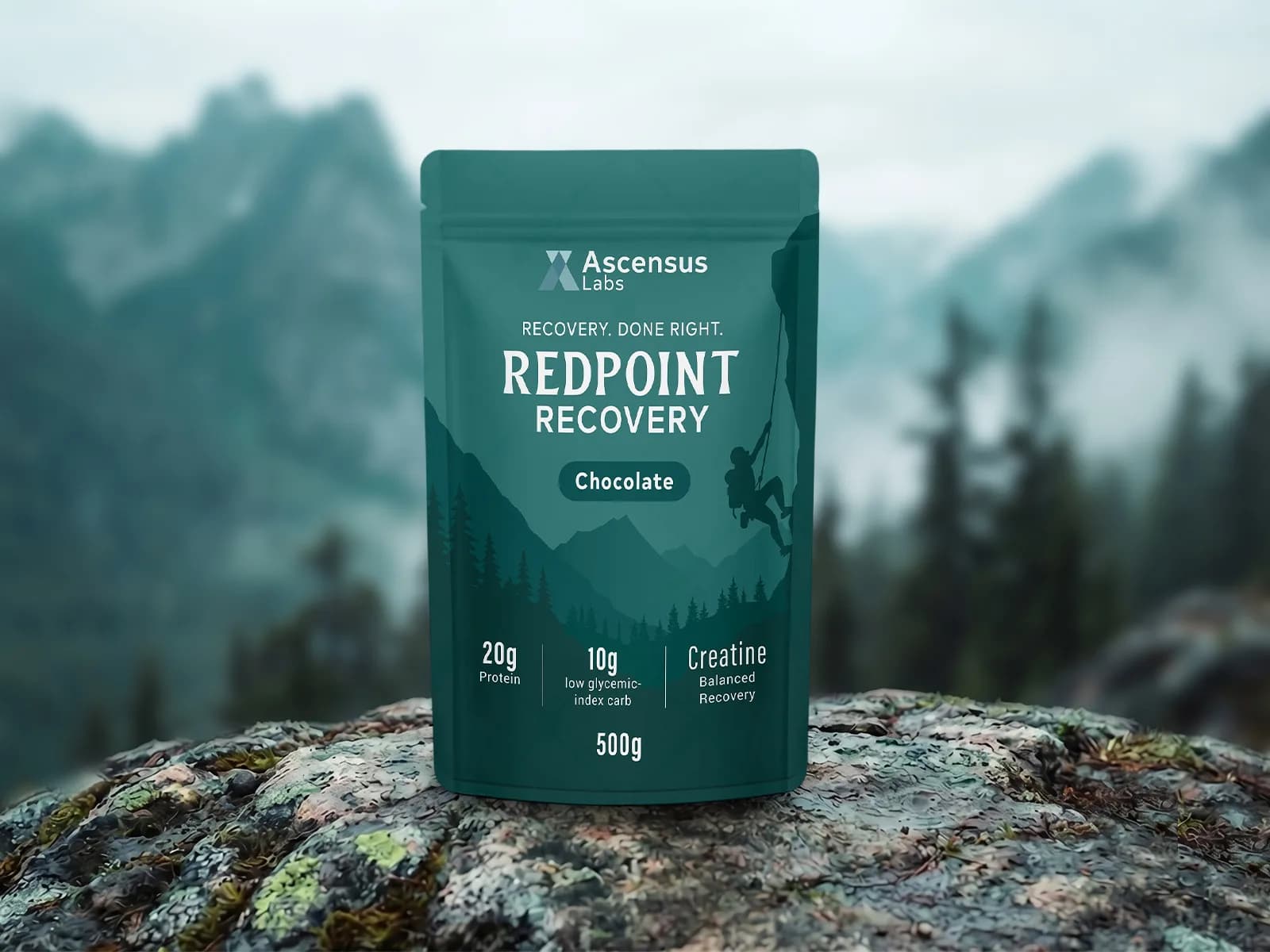
Shelf mockup renders
CMYK and Pantone print files
Retail Packaging Design: The Complete Guide
A complete reference for brand managers, designers, and marketers making packaging decisions.
The Category
What retail packaging has to do that other packaging doesn't
A retail pack works in a shop, in person, usually with nobody there to explain it. It has to stop someone walking past, answer their questions, and survive being picked up, put back and knocked over by the next customer.
It also has two audiences. Shoppers decide at the shelf, but before you get there a buyer decides whether to stock you at all. Buyers care about how the pack fits their range, how it ships and whether it'll cause problems for store staff.
Two customers, one pack
The challengeA design that excites shoppers can still be turned down by a buyer if it won't stack, doesn't fit the fixture or needs special handling in store.
Our approachWe ask for the retailer's packaging requirements at the brief stage, then design for the planogram, the outer case and the shelf at the same time.
The pack is the salesperson
The challengeIf the pack doesn't say what the product is, who it's for and why it's better, most shoppers won't stop to work it out.
Our approachWe set a strict reading order (what it is, the main benefit, then the proof) and test it on people who haven't seen the product before.
Design Decisions
Formats, structure and the realities of the shop floor
The right structure depends on how the product will be displayed. Ask the retailer how it'll be merchandised before you choose a format, not after.
- Folding cartons. Versatile, with a good print surface, and they ship flat. A window shows the product but weakens the structure and adds a step in manufacturing.
- Rigid boxes. A premium feel for gifting and higher price points. They're heavier and bulkier, which shows up in shipping and storage.
- Hang packs and blister cards. Made for peg displays. Check where the hook hole sits and make sure the card won't bow under the product's weight.
- Display trays. When the outer case opens into a tray, its front panel is often all a shopper sees from the aisle. Treat it as a small billboard, not a cardboard afterthought.
- Height and facings. A pack that's slightly too tall for the shelf gap may end up laid flat, hiding its front. Ask your retailer about typical shelf spacing before fixing dimensions.
Labelling rules depend on what's in the box, not on the shop. A food carton, a toy and a cosmetic each follow different regulations. Most markets expect a product name, net quantity and a responsible business address, and some categories need safety warnings or age markings too. Check the rules for your category with the relevant trading standards body or regulator. Retailers then add their own requirements on top, such as barcode position or recycling information.
Before final artwork, print a full-size mock-up, put it on a real shelf among competitors and walk past at normal pace. If you can't name the product and its main benefit from two steps away, the hierarchy needs more work.
The Process
Our retail packaging process, step by step
Retail projects go best when structure and graphics are developed together, because a change to one nearly always affects the other.
Retail brief
Target retailers, price point, fixture type, case quantities and any vendor guidelines you've been sent. We also ask what the buyer said in early conversations, because it often explains a lot.
Category review
Using store photos you share and our own desk research, we look at how the category is merchandised, which conventions shoppers rely on to find things, and where there's room to look different without looking out of place.
Structure and concepts
We match the structure to the display method, then develop design routes on the real dieline so nothing important gets lost in a fold or a glue flap.
Mockups and shelf review
We build the design onto the dieline as 3D mockups and place them in shelf scenes. When you or your printer make up a physical sample, we review it with you. This is where we catch panels that end up facing the back, or text that falls across a crease.
Artwork, checks and handover
Final artwork with mandatory information, barcodes and any retailer marks, followed by print-ready files and a spec sheet for your printer and the buyer's packaging team.
Costs and Pitfalls
Mistakes to avoid, what affects cost, and other options
Judging it on a monitor
A pack approved as a flat image can look quite different at actual size, under store lighting, with a price sticker over one corner. Always sign off from a physical mock-up.
Hiding what's inside
Abstract graphics can leave shoppers unsure what the product even is. If they have to turn the pack over to find out, plenty of them won't bother.
Blank sides
Shelves rarely stay tidy. After restocking, a side panel is often the face on show, so put the brand and product name there as well.
Leaving the outer case until last
Case and tray sizes affect pack dimensions. Plan them with the pack itself rather than treating them as logistics paperwork.
Costs depend far more on the specification than on the number of design hours. The main drivers are:
- Structure. Standard carton styles cost less than custom shapes, inserts, windows or rigid builds.
- Finishes. Foil, embossing, spot UV and special inks add press time and tooling. Use them where the shopper will actually notice.
- Range size. Each product and pack size is a separate artwork to build and check.
- Run length. Short runs suit digital print. Longer runs on litho or flexo usually bring the unit cost down, so the right choice depends on your volumes.
- Prototypes and approvals. Physical samples and retailer review cycles take time and money, but far less than a reprint.
Retail packaging isn't the only route. If you sell mostly online, e-commerce packaging should come first, because surviving the post matters more than standing out on a shelf. In high-volume grocery or household categories, FMCG priorities such as range blocking and consistency across long print runs take over. And if all you need is a clear label with the required information on a standard container, a label design project may cover it.
Got Any Questions?


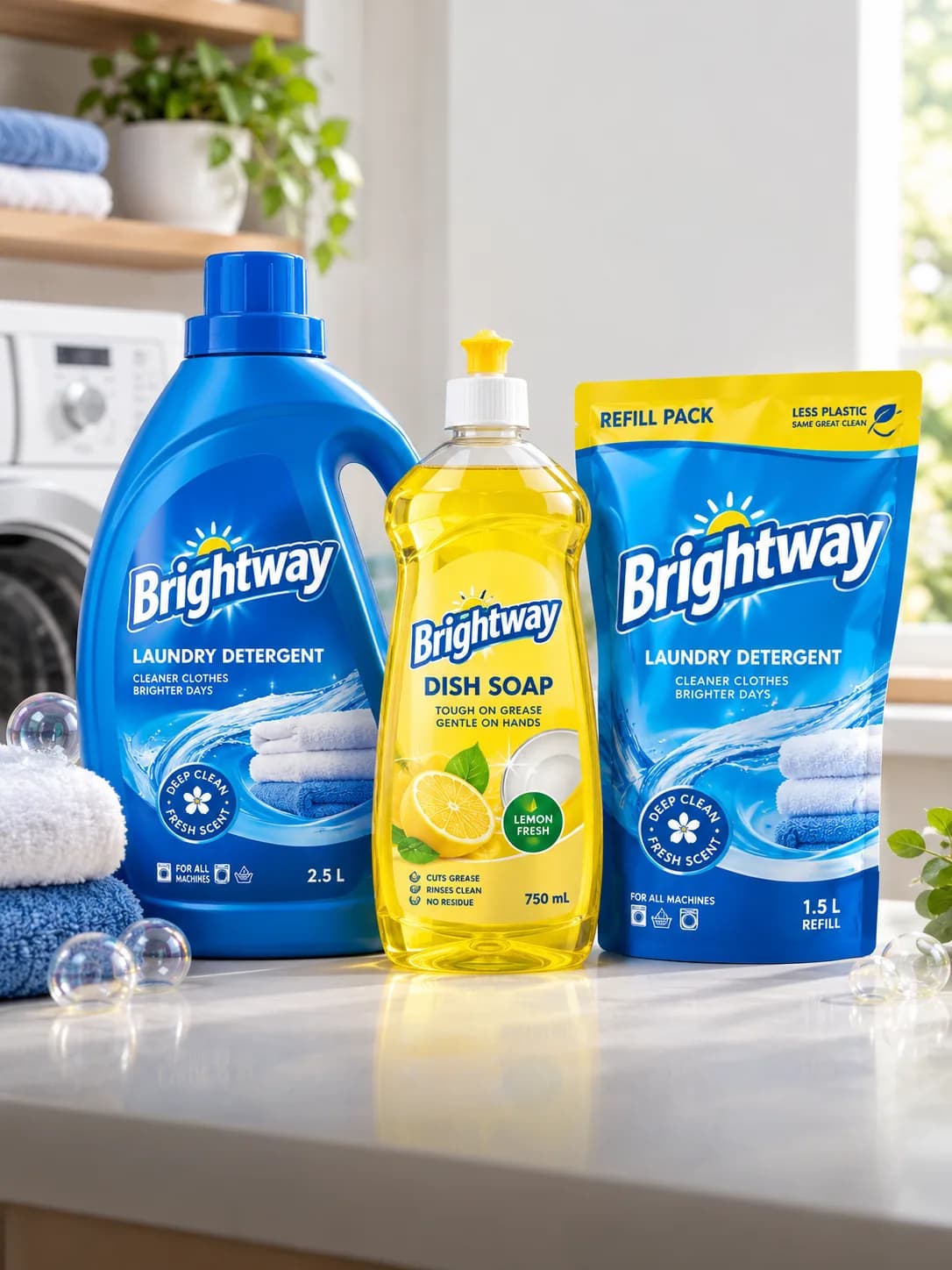

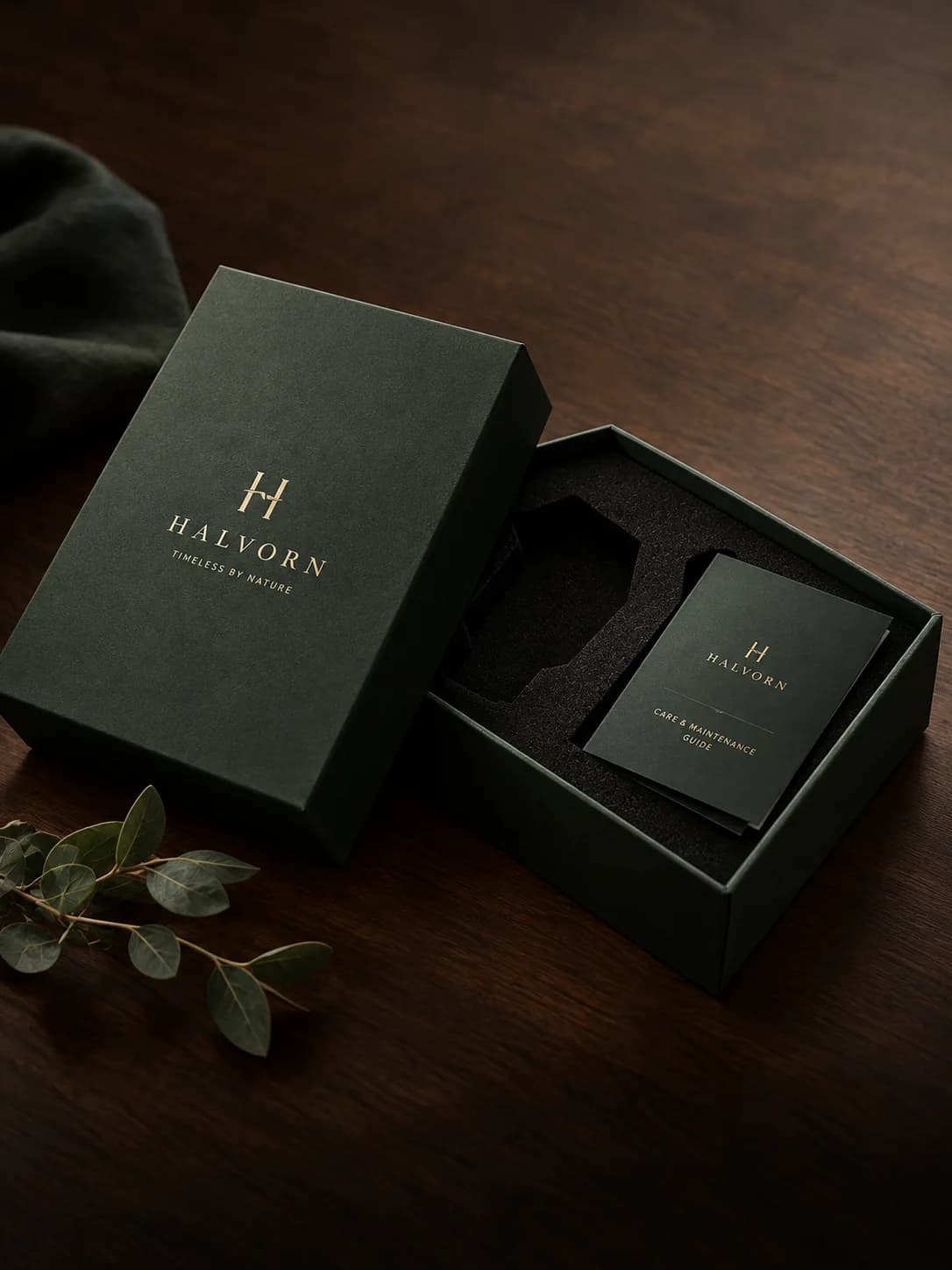
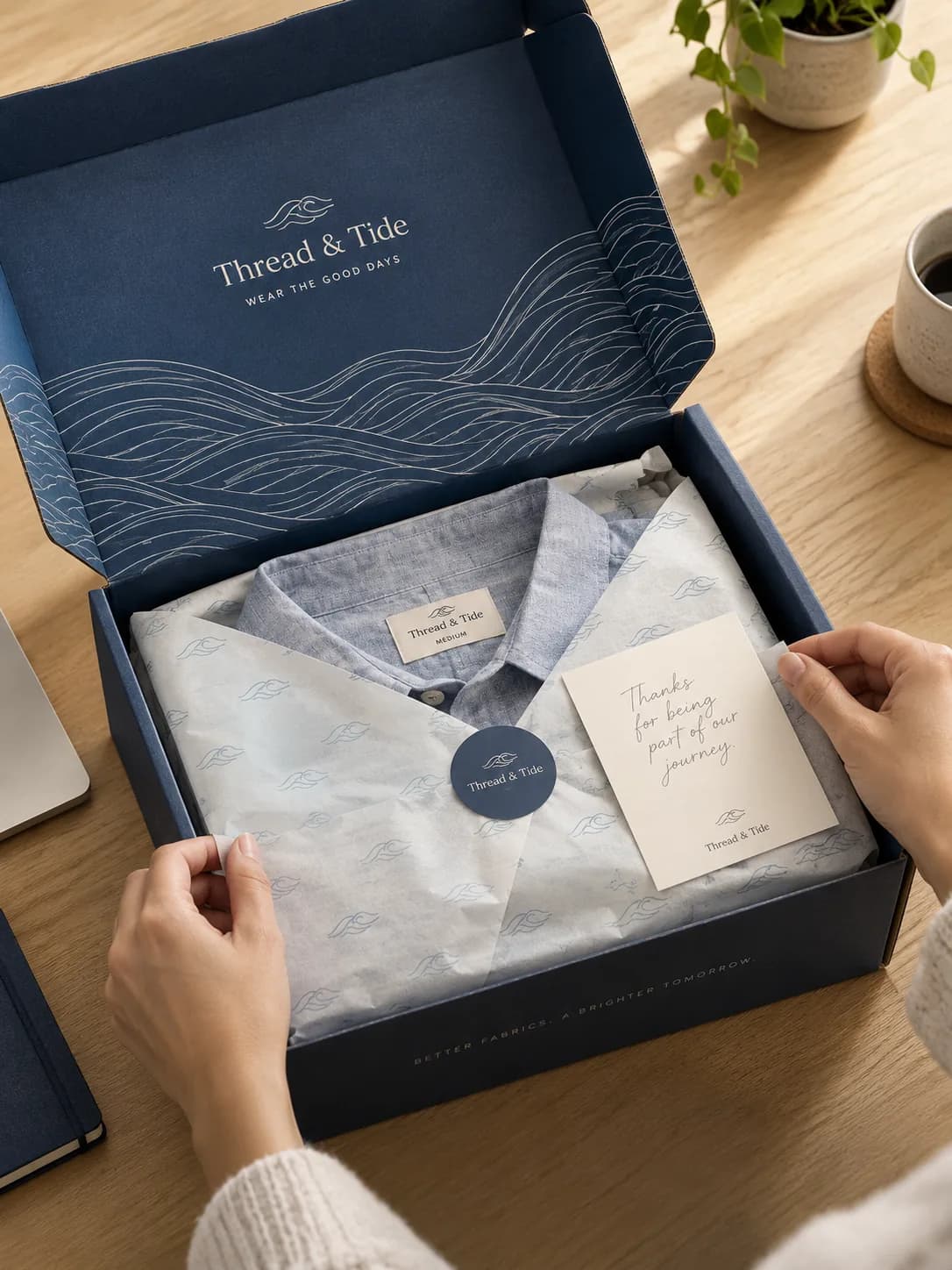

Your packaging deserves
better than “good enough.”
Book a free 15-minute call and we'll scope your packaging together — or send us a message to get started.