
Service
Packaging Redesign
Evolve your packaging. Grow your sales.
Packaging redesigns are higher-stakes than new launches — you risk losing loyal customers while trying to attract new ones. We manage that risk with a structured redesign process: preserving brand equity, modernising aesthetics, and improving shelf performance simultaneously.
Quick Answer
Packaging redesign updates existing packaging artwork to improve shelf performance, meet new compliance requirements, or refresh brand identity — delivering print-ready files that replace current artwork without disrupting production timelines.
What's Included
Everything delivered, as standard
Every Packaging Redesign project includes these deliverables — no extras, no upsells, no surprises.
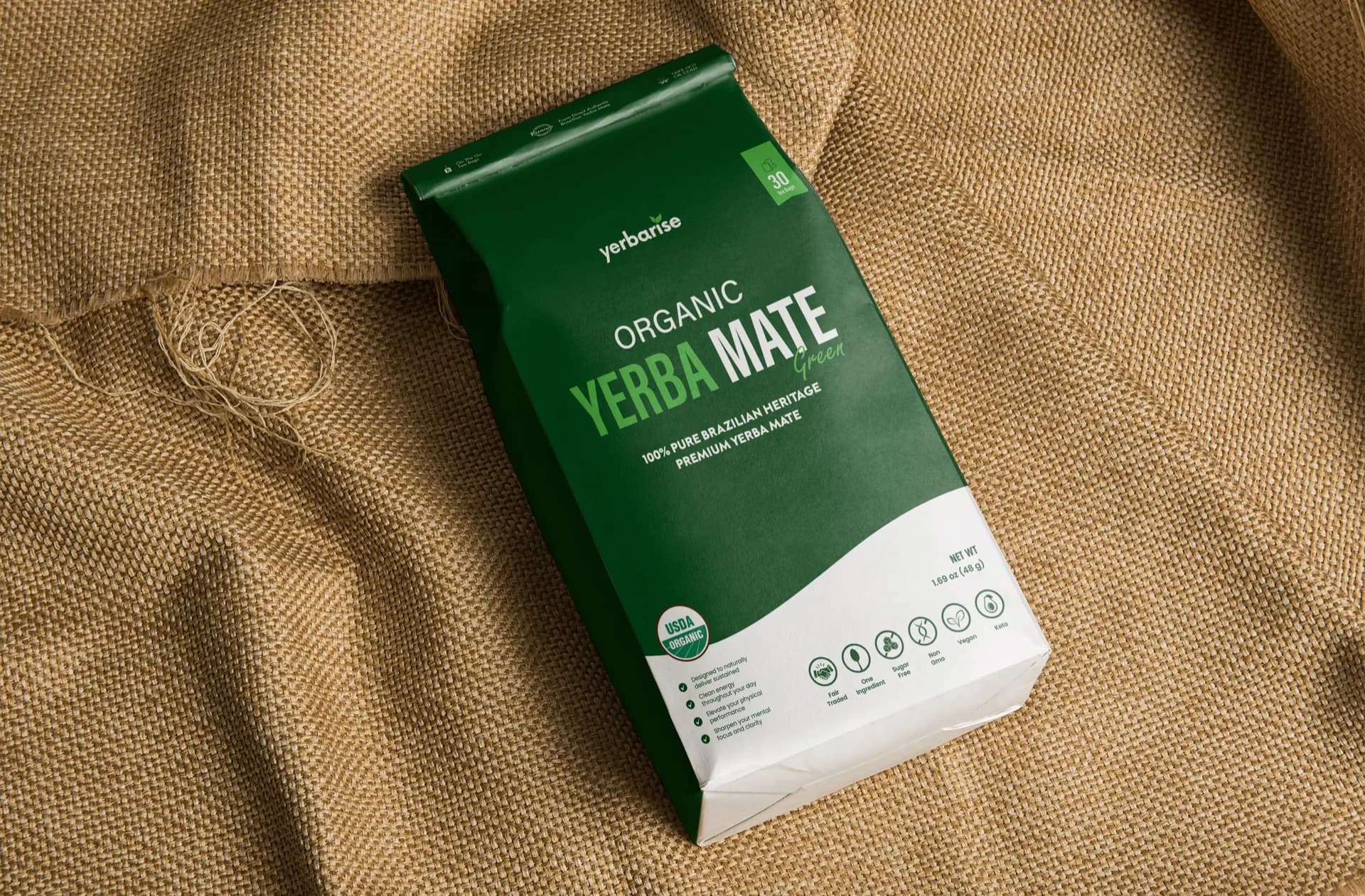
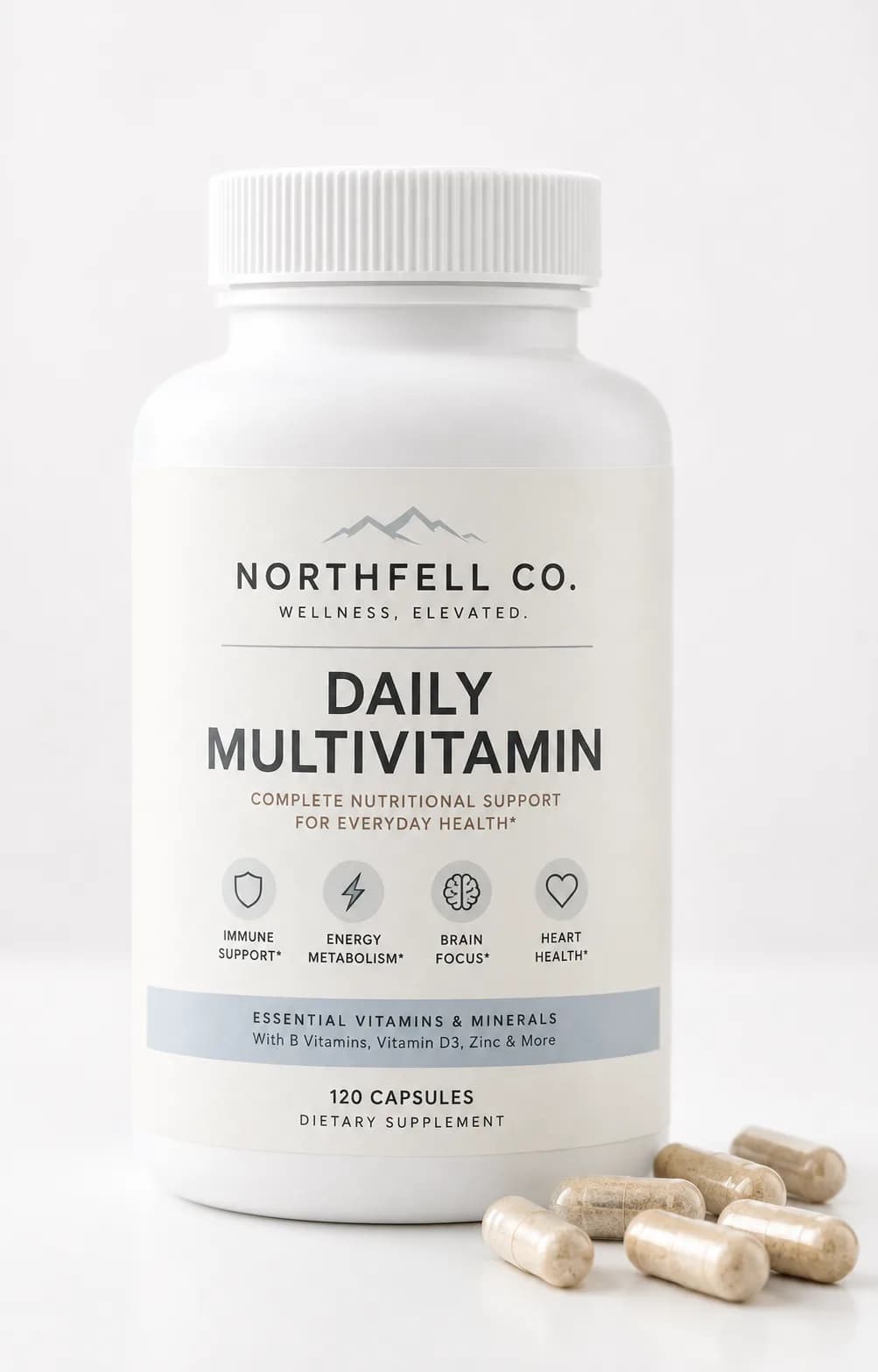
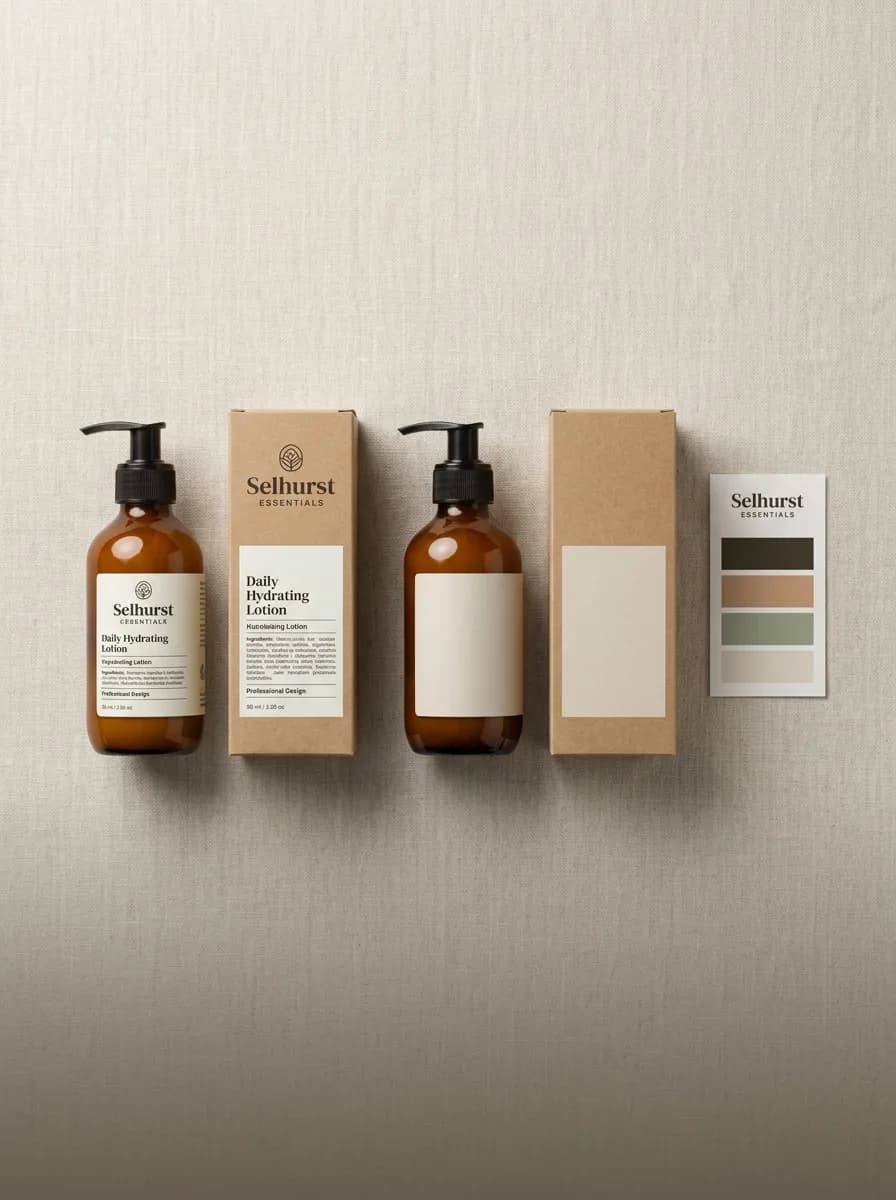
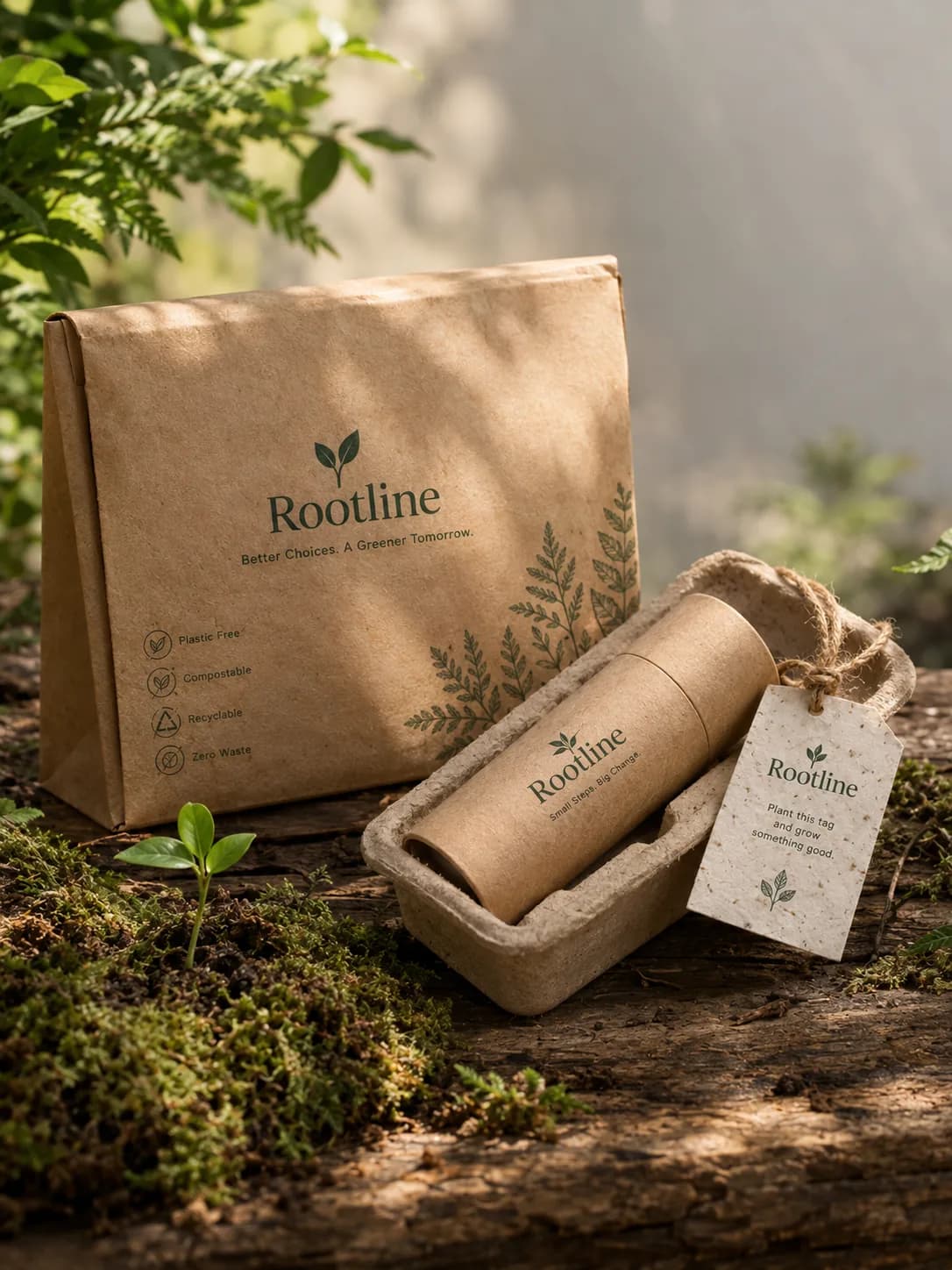
Packaging expertise across
6 product categories
Established FMCG Brands
Growing DTC Brands
Heritage Food Brands
Cosmetics & Beauty
Supplements
Beverage Brands
Packaging Redesign
Evolve your packaging. Grow your sales.
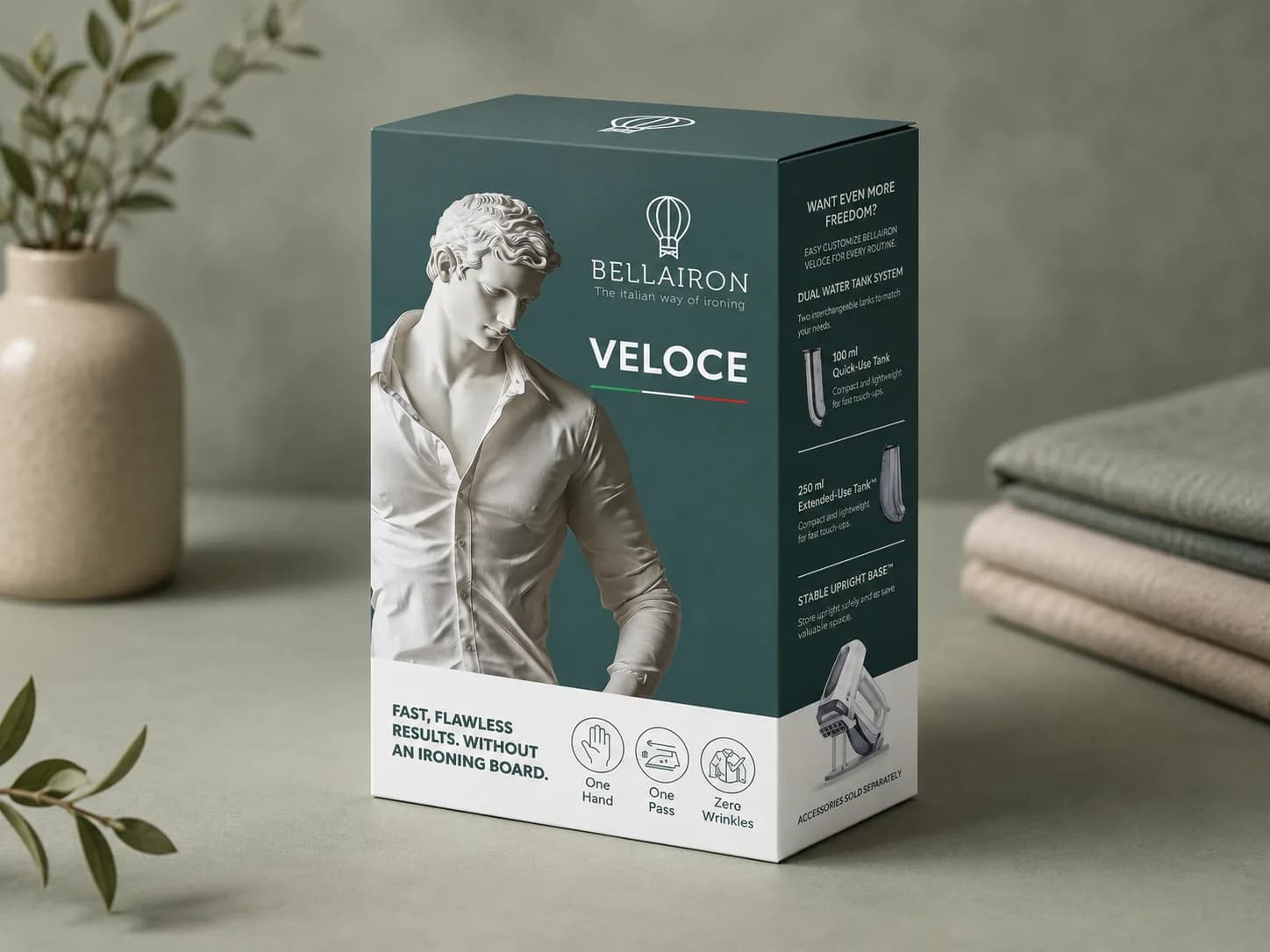

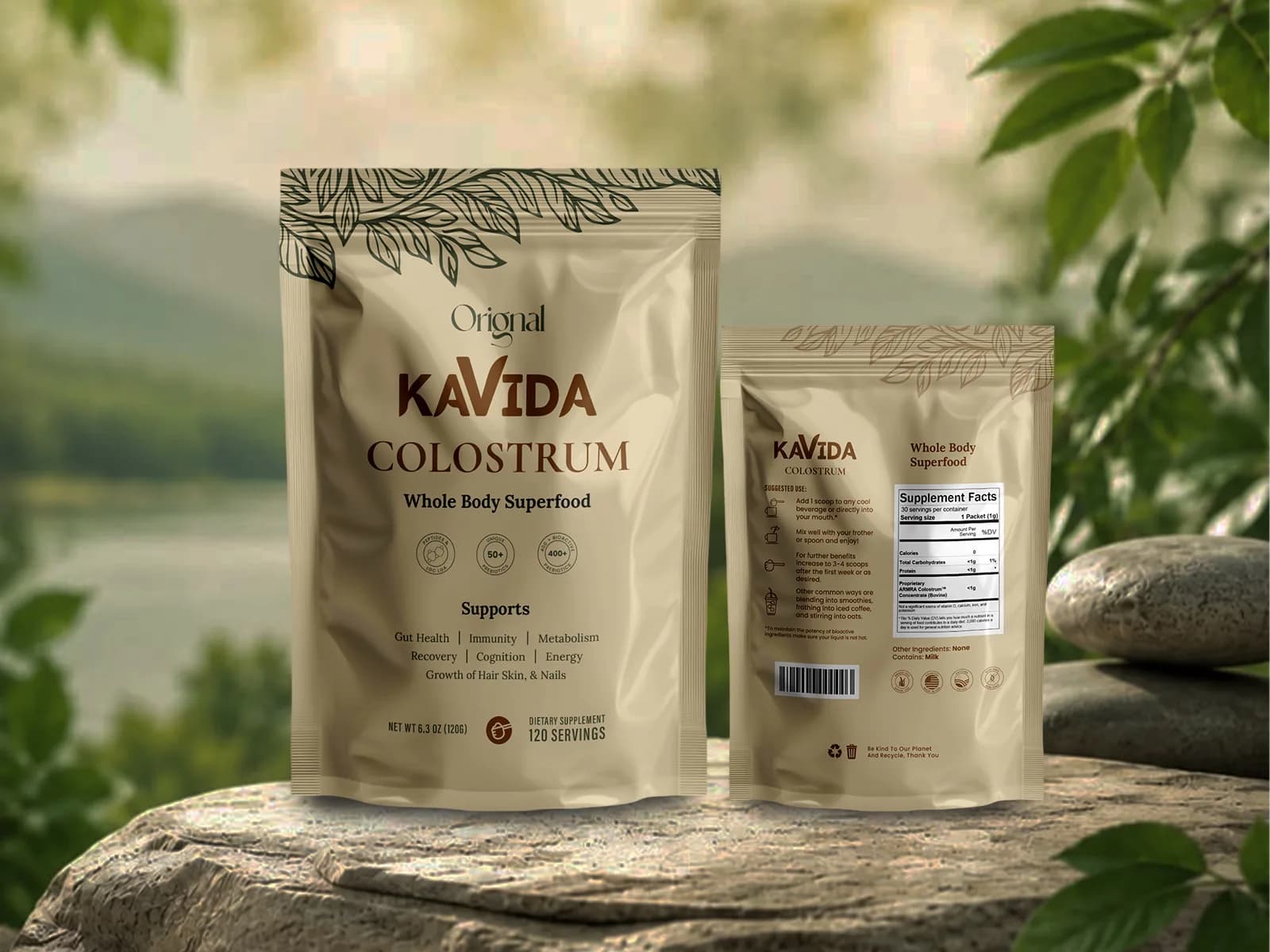
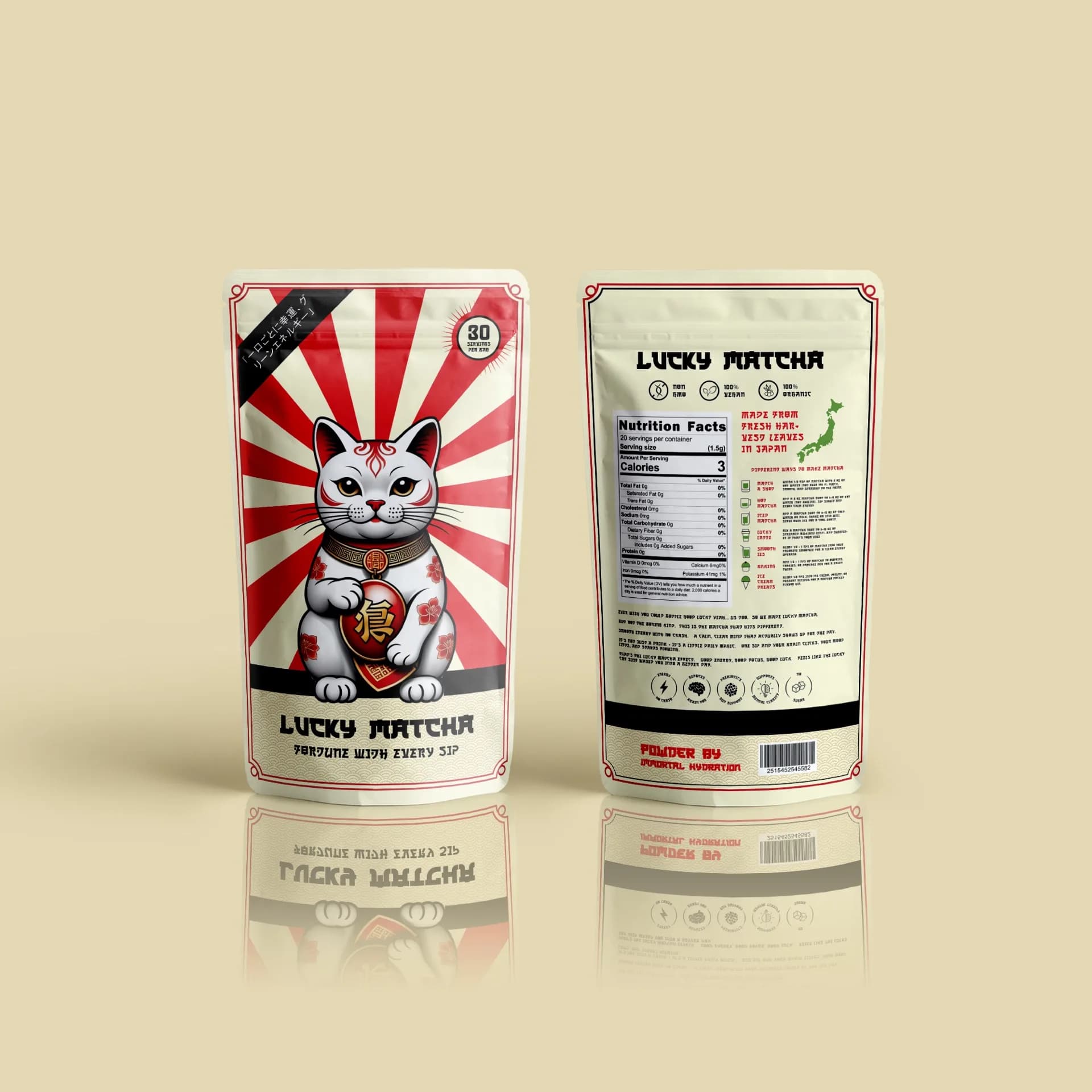

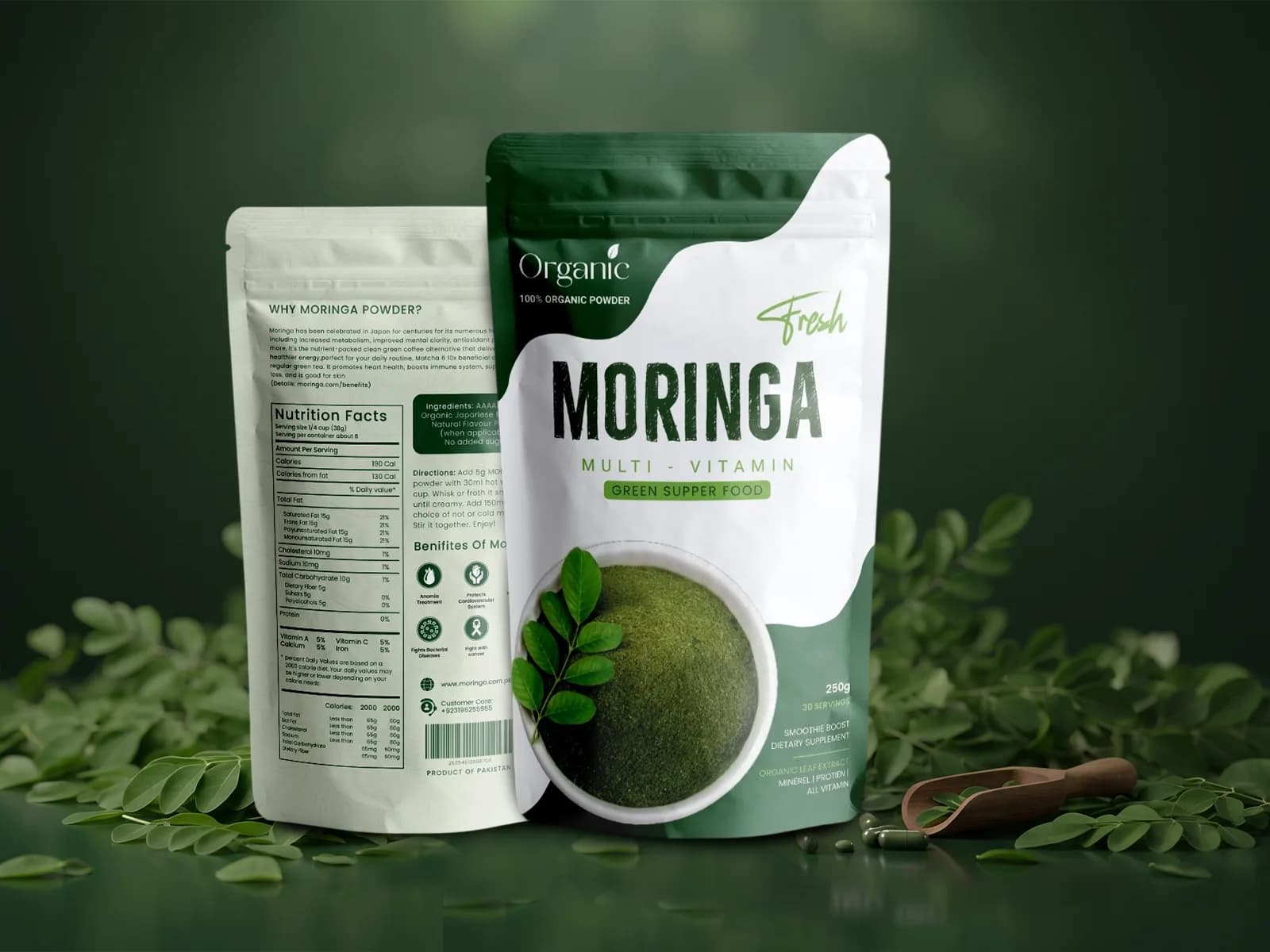

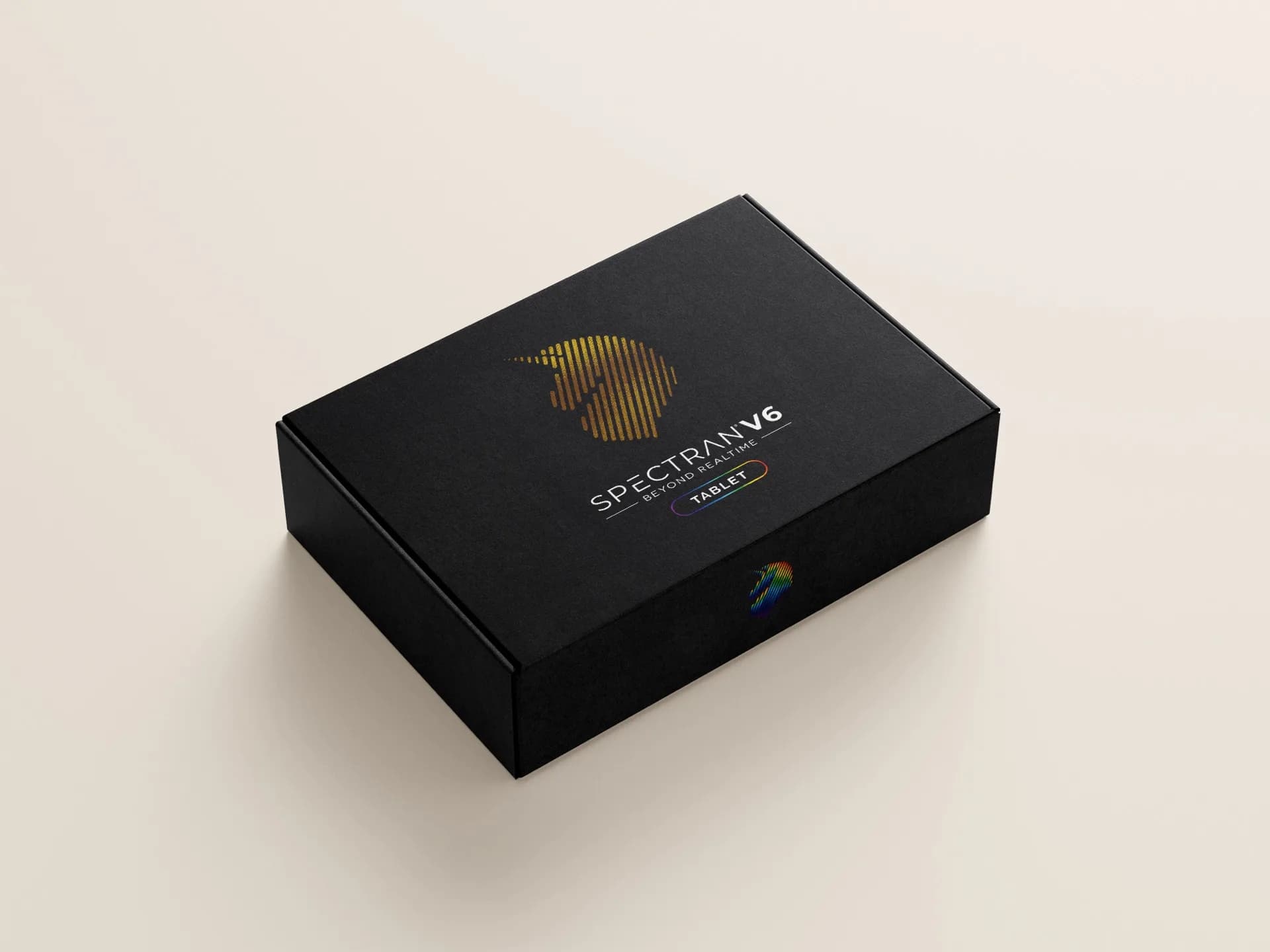
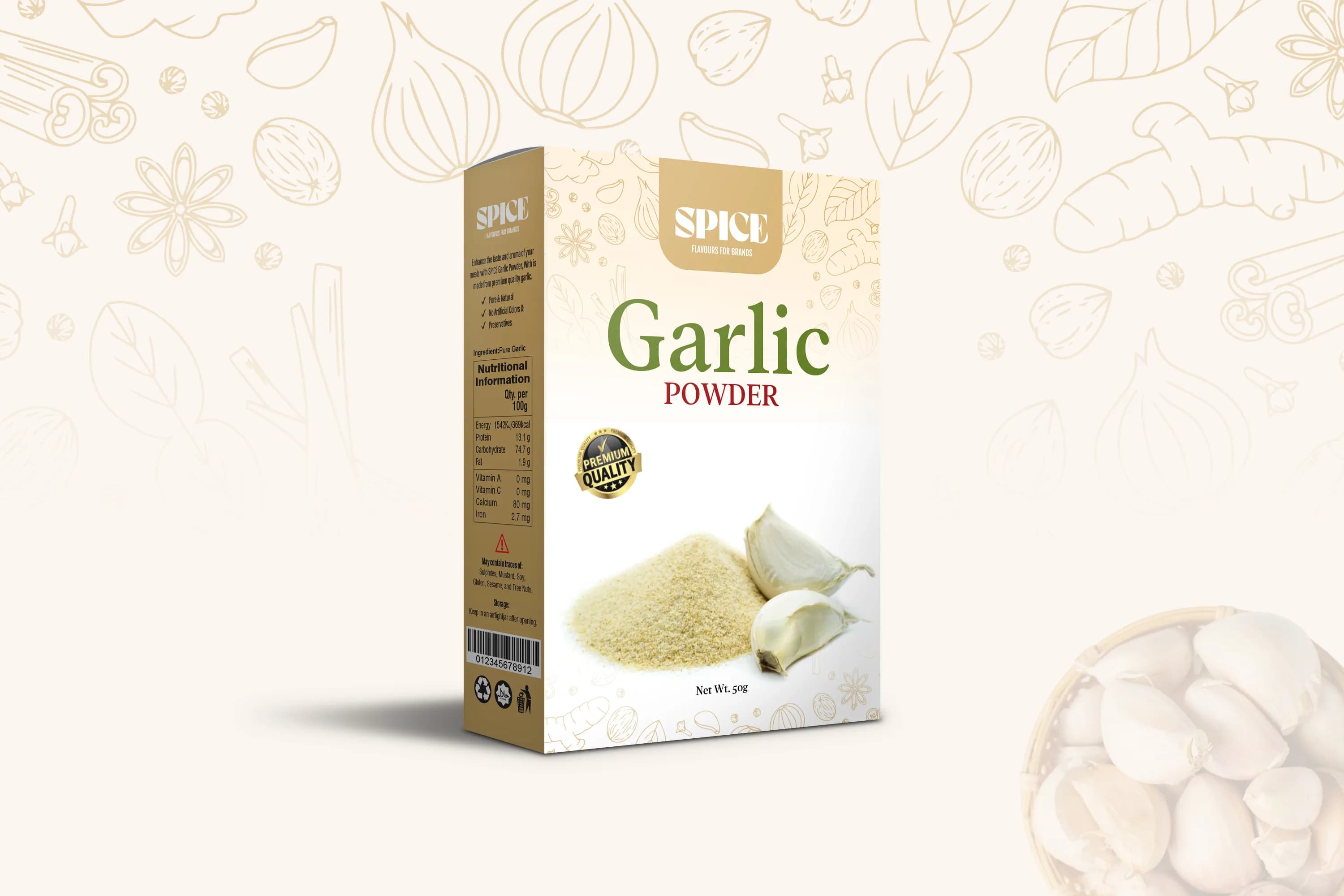
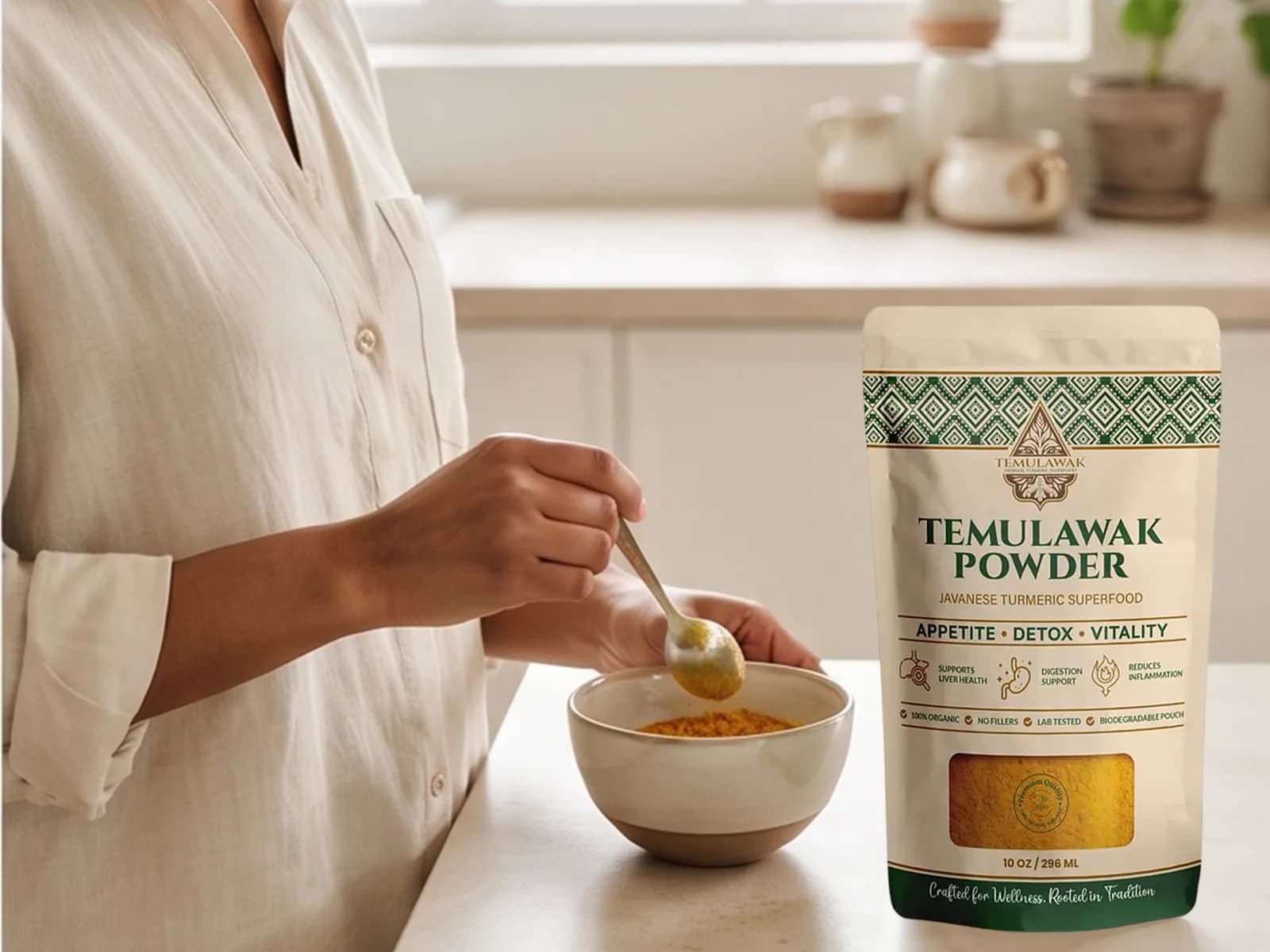
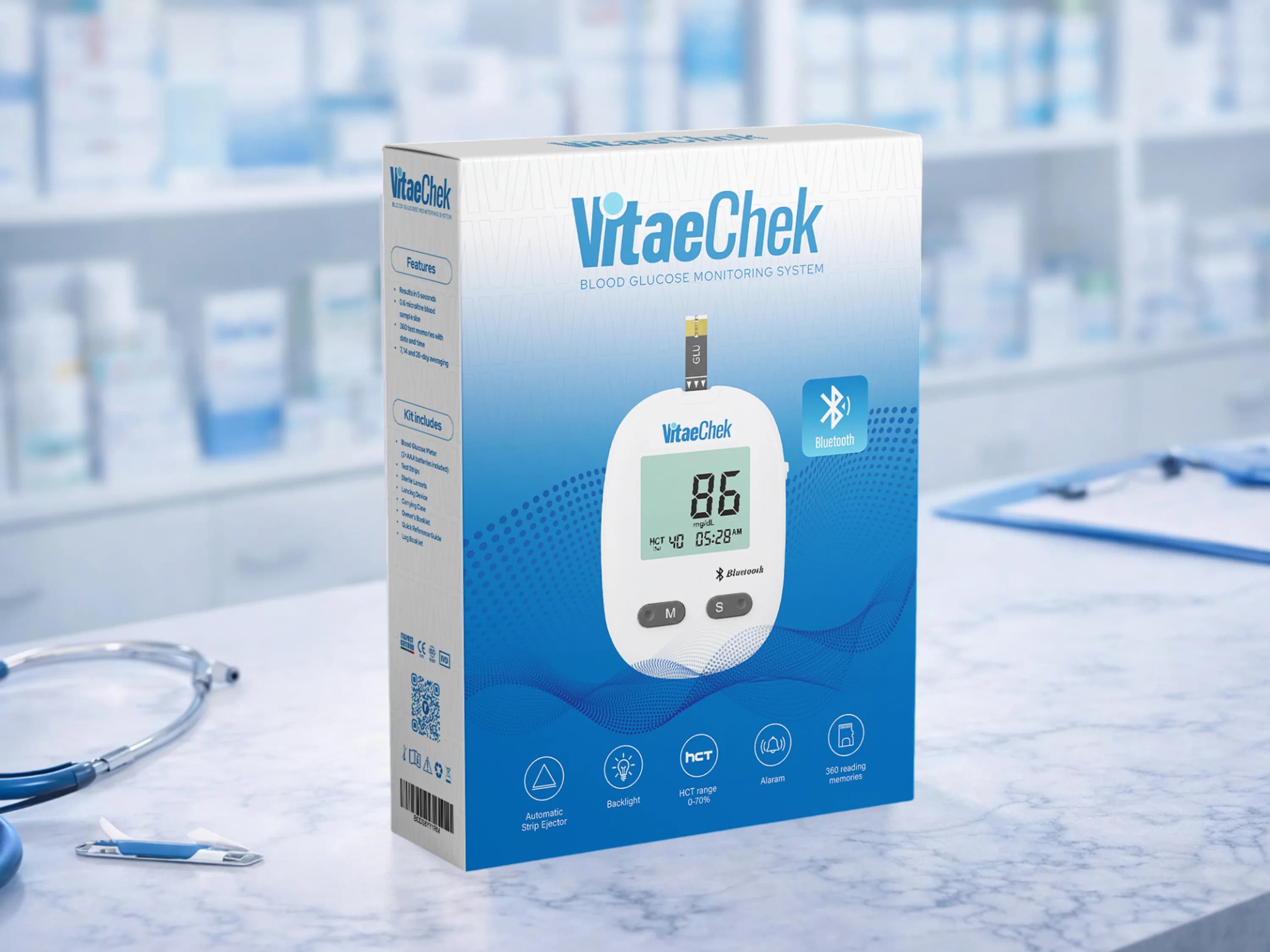
We're always-on to deliver the
packaging you want, when you need it
Redesigned print-ready packaging artwork
Brand equity audit report
Shelf mockups before and after
Transition guidelines
New dielines (if structural changes)
3D comparison mockups
Packaging Redesign: The Complete Guide
A complete reference for brand managers, designers, and marketers making packaging decisions.
The Basics
Why a redesign is a different job from a launch
A new product starts with a blank page. A redesign doesn't. Your existing pack already has buyers who know it, retailers who stock it and a supply chain that prints it. Every change has to earn its place against what's already working.
The risk runs both ways. Change too little and nobody notices the effort. Change too much and regular customers walk past the product they've bought for years because they no longer recognise it.
Redesigns also involve more people than design teams expect. Sales, operations, regulatory and your printer all have a stake, and each spots problems the others miss. Show them concepts early and you'll avoid surprises at sign-off.
Protect what people recognise
The challengeTeams often want to replace the very elements regular buyers use to find the product, because they've grown tired of seeing them.
Our approachWe list what's distinctive in the current pack, decide with you what must stay, what can evolve and what can go, and design within those rules.
Fix the real problem
The challenge"It looks dated" can mean a dozen things: poor variant navigation, weak shelf presence, cluttered claims or a mismatch with the price point.
Our approachWe pin down the specific problems first, so the brief targets those instead of a vague refresh.
Design Decisions
How much to change, and where
Redesigns sit on a scale from light refresh to complete overhaul. Deciding where you sit is the most important call in the project.
- Refresh. Same structure and core assets, tidier hierarchy, updated type and photography. Low risk and quick to roll out.
- Evolution. Key assets kept but redrawn or rebalanced, with a new system for variants and claims. The most common choice for established brands.
- Overhaul. New identity, new look and sometimes new structure. Worth it when the brand is repositioning, entering new channels or the current pack is actively holding it back.
- Structure. Changing format or materials can lower costs or improve sustainability, but it affects filling lines, cases and pallets. Involve operations before committing.
- Retailer timing. Retailers may need notice of pack changes, new images and updated product data. Ask your buyers what lead time they expect.
Measure before you change. Note how the current pack performs: which variants sell, what customers say in reviews, which questions your customer service team keeps hearing. Those details tell you what the redesign must fix, and give you something to compare against after launch.
A redesign is also a good moment to bring labelling up to date. Regulations, retailer requirements and your own product details change over time, and old packs often carry outdated wording, addresses or certification marks. Review the mandatory information against current rules with your regulatory adviser, rather than copying it across from the old artwork.
Old and new packs often sit on shelf together for a while. Decide how long the overlap will last and make sure both versions are clearly the same product, so shoppers don't think they're buying something different.
The Process
How we run a packaging redesign
A good redesign is mostly diagnosis and discipline. The creative work comes after the rules are clear.
Current pack review
We review the existing packs, artwork files, sales feedback you share and photos of how the product appears in store and online. Where we can, we also look at earlier versions of the pack, which often show what customers have already adapted to.
Asset decisions
Together we decide which elements stay, which evolve and which go. This list becomes the backbone of the brief. Writing it down stops the project drifting later.
Concepts across the scale
Routes from cautious to bold, each shown next to the current pack and competitors, so you can see exactly how far each one moves. Seeing the routes beside the current pack makes the conversation about risk concrete.
Range rollout
The chosen route is applied across every SKU, with mandatory information updated and checked against your regulatory sign-off.
Production files and handover
Print-ready artwork for each pack, updated images for retailers and marketplaces, and a review of printer proofs when they're shared.
Costs and Pitfalls
Redesign mistakes, costs and alternatives
Redesigning for the boardroom
Judging the new design on a big screen in a meeting instead of on shelf, at actual size, next to the old pack and competitors.
Changing everything at once
Dropping the colour, logo and pack shape together leaves loyal buyers with nothing familiar to find.
Copying old compliance text
Moving old mandatory text onto the new design without checking it carries old errors into a fresh print run.
No plan for old stock
Launching new packs while warehouses still hold months of the old ones creates confusion and waste. Time the switch with your stock levels.
Leaving the printer out
Production limits found after approval, such as a colour the printer can't hold consistently, force late compromises. Share concepts with your printer before final sign-off.
Redesign costs depend on how far you go and how many packs are involved:
- Depth of change. A refresh takes far less design time than an evolution or a full overhaul.
- Range size. Every SKU needs new artwork and checks, so large ranges make up most of the effort in rollout.
- Structural change. New formats or materials bring tooling, line trials and new dielines.
- Print set-up. New colours, finishes or plates add to the printer's costs.
- Supporting assets. New pack photography or renders for retailers and marketplaces are often needed alongside the redesign.
A full redesign isn't always the answer. If the main worry is compliance or print quality, a packaging audit can pinpoint fixes without changing the look. If you're unsure what's wrong, a consultation helps you decide whether to redesign at all. And if only one SKU or a new variant needs attention, extending the current system may be enough. Sometimes a phased approach works best: refresh now, and plan a bigger change once you've seen how customers respond.
Got Any Questions?




Your packaging deserves
better than “good enough.”
Book a free 15-minute call and we'll scope your packaging together — or send us a message to get started.