
Service
Private Label Packaging Design
Your brand. Your packaging. Your market.
Private label gives you the margin of a manufacturer with the flexibility of a brand. We design private label packaging that positions your product as premium and credible — whether you're launching on Amazon, in retail, or for wholesale.
Quick Answer
Private label packaging design creates branded artwork for manufacturer-made products sold under your brand name — covering FDA or EMEA compliance, responsible party labelling, and print-ready files that your contract manufacturer can take directly to press.
What's Included
Everything delivered, as standard
Every Private Label Packaging Design project includes these deliverables — no extras, no upsells, no surprises.
Packaging expertise across
6 product categories
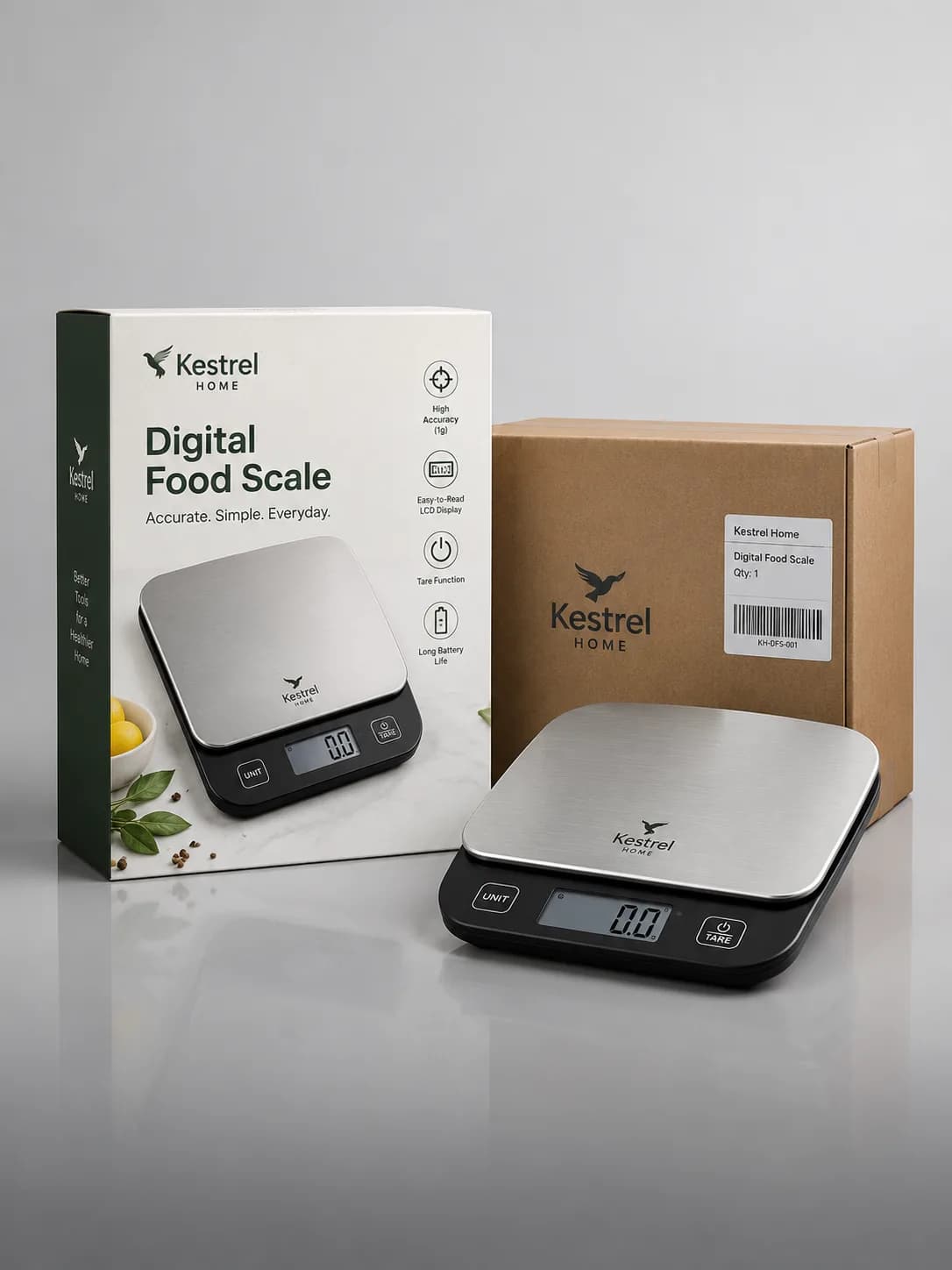
Amazon FBA Sellers
Retail Private Label
Wholesale & Distribution
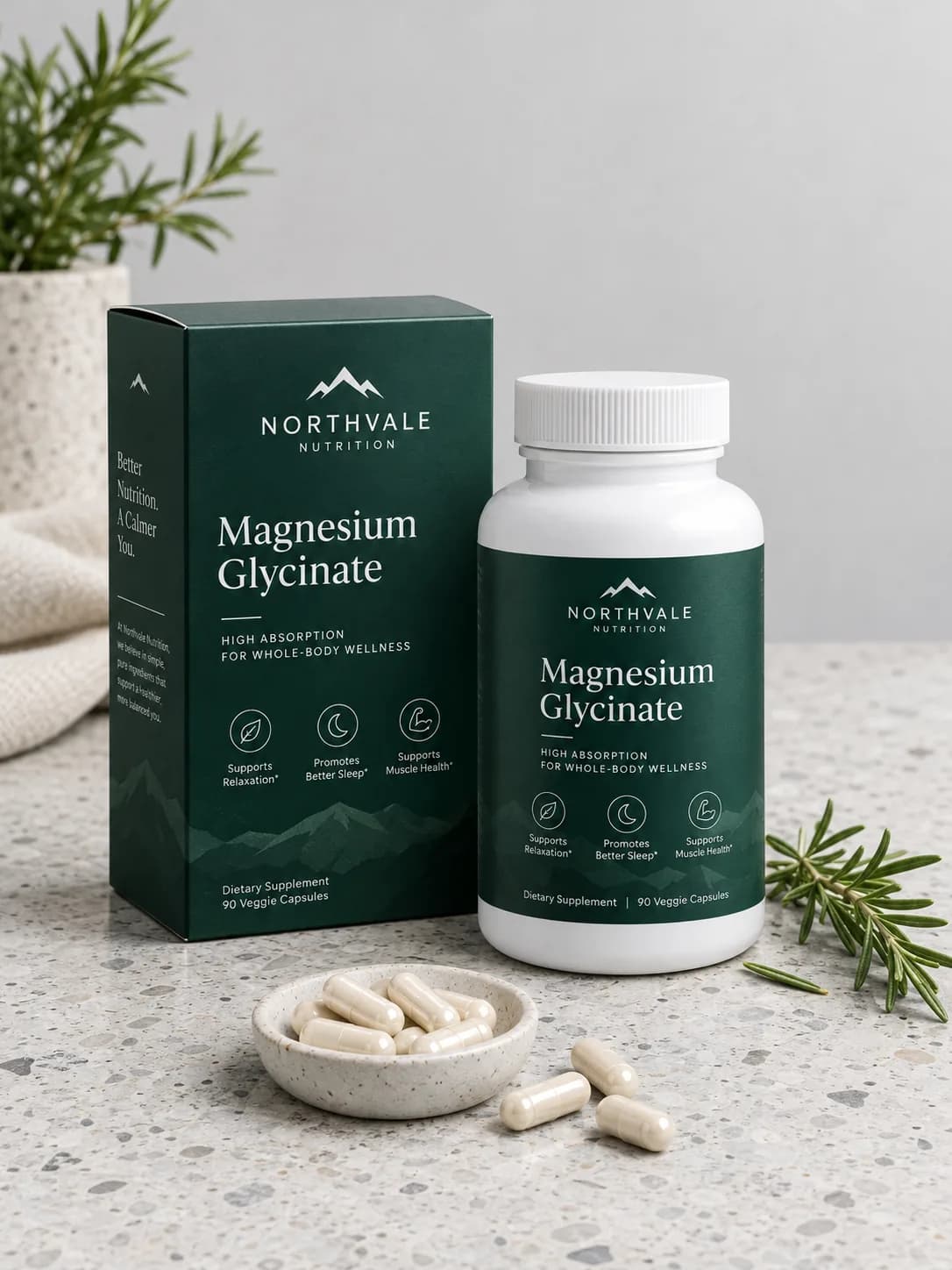
Supplements & Nutraceuticals
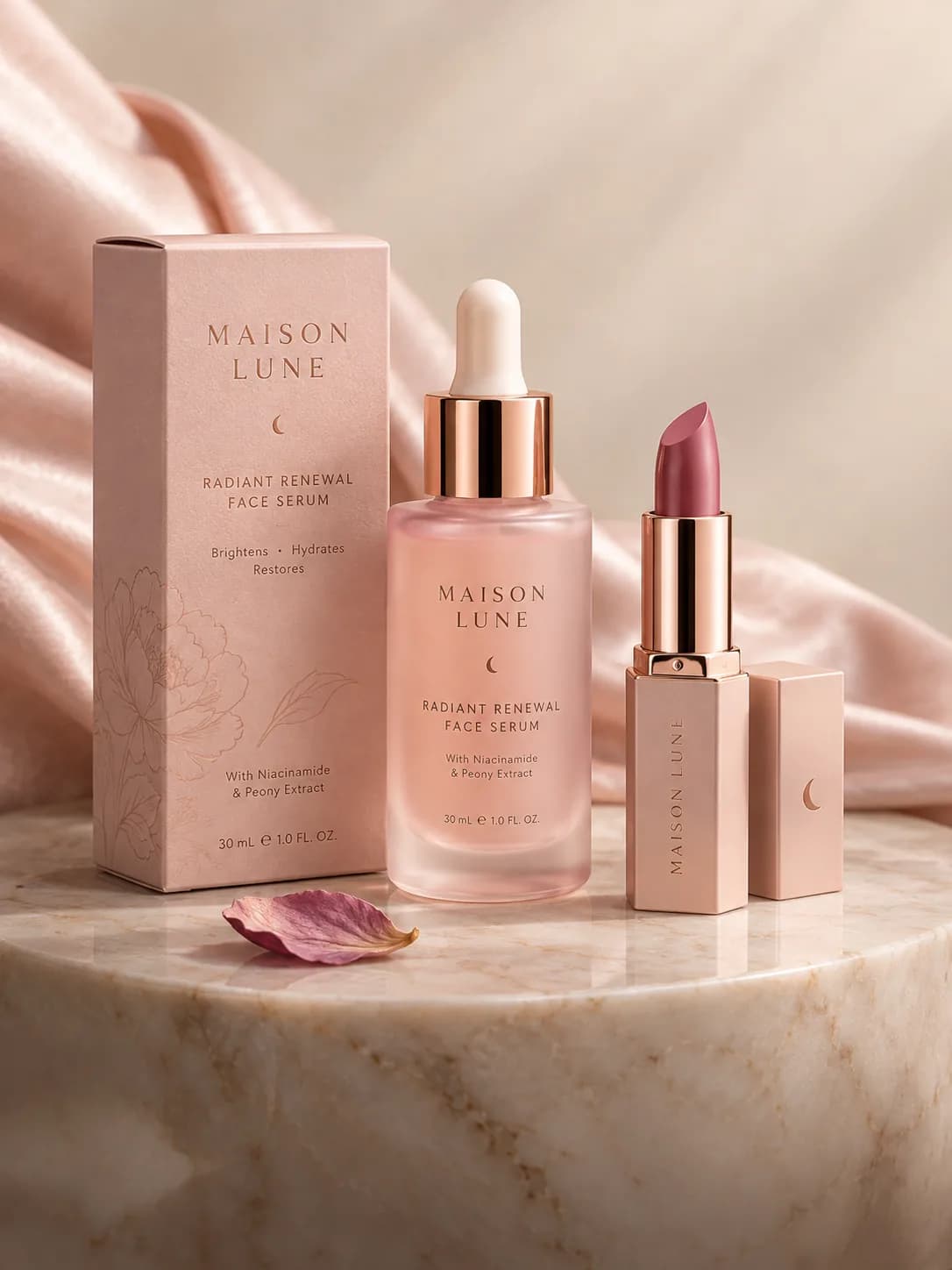
Beauty & Personal Care
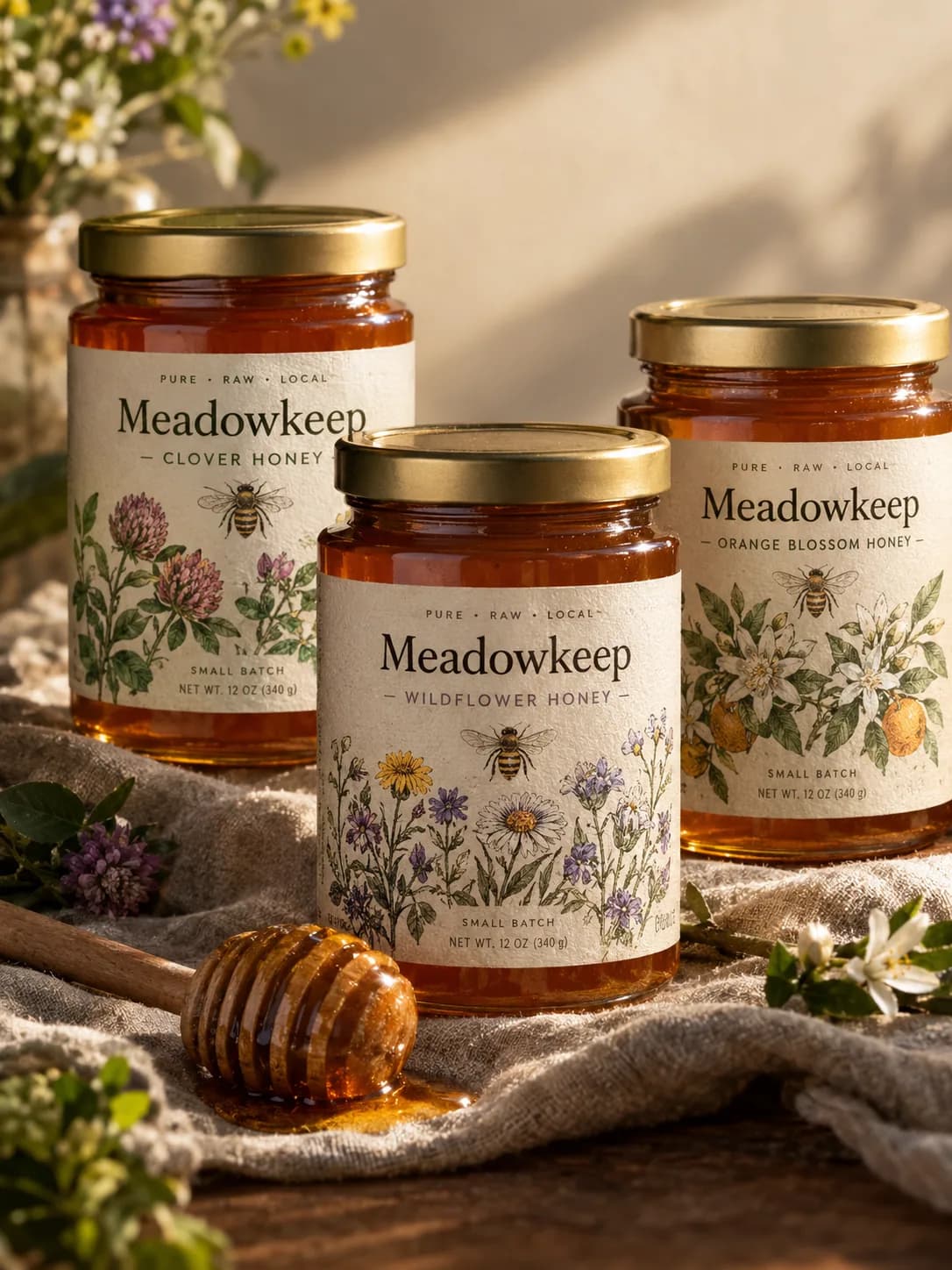
Food & Grocery
Private Label Packaging Design
Your brand. Your packaging. Your market.
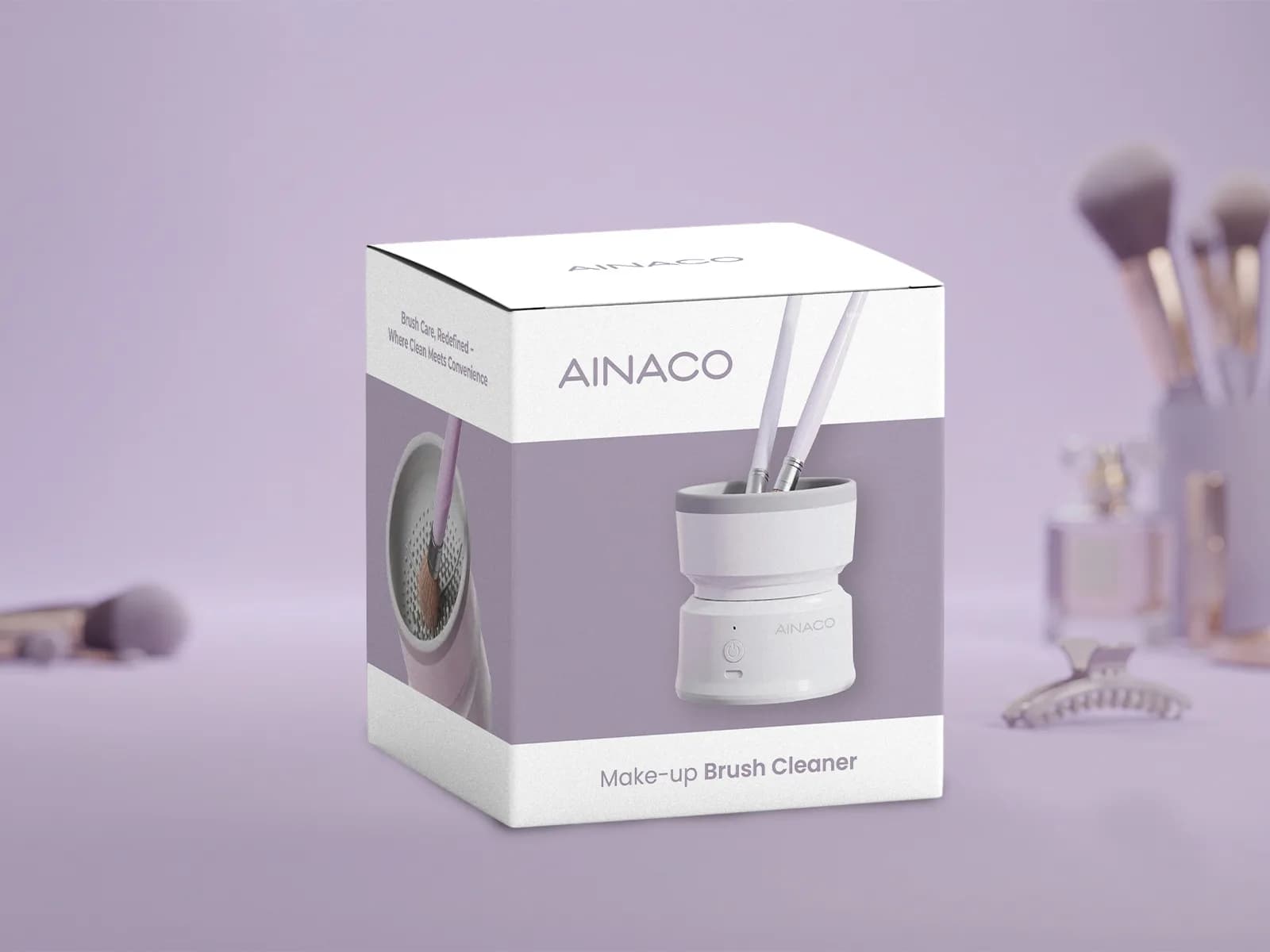
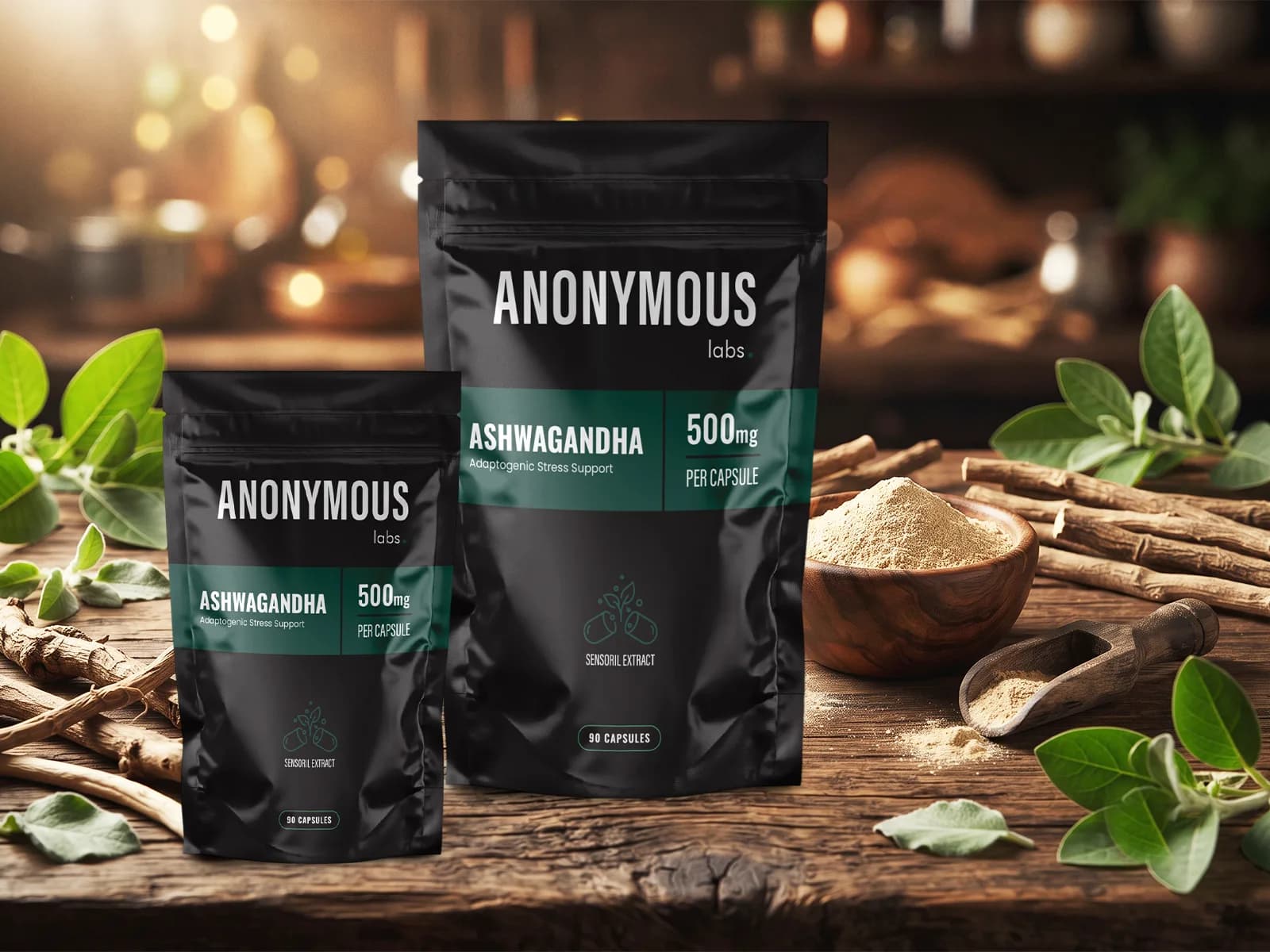
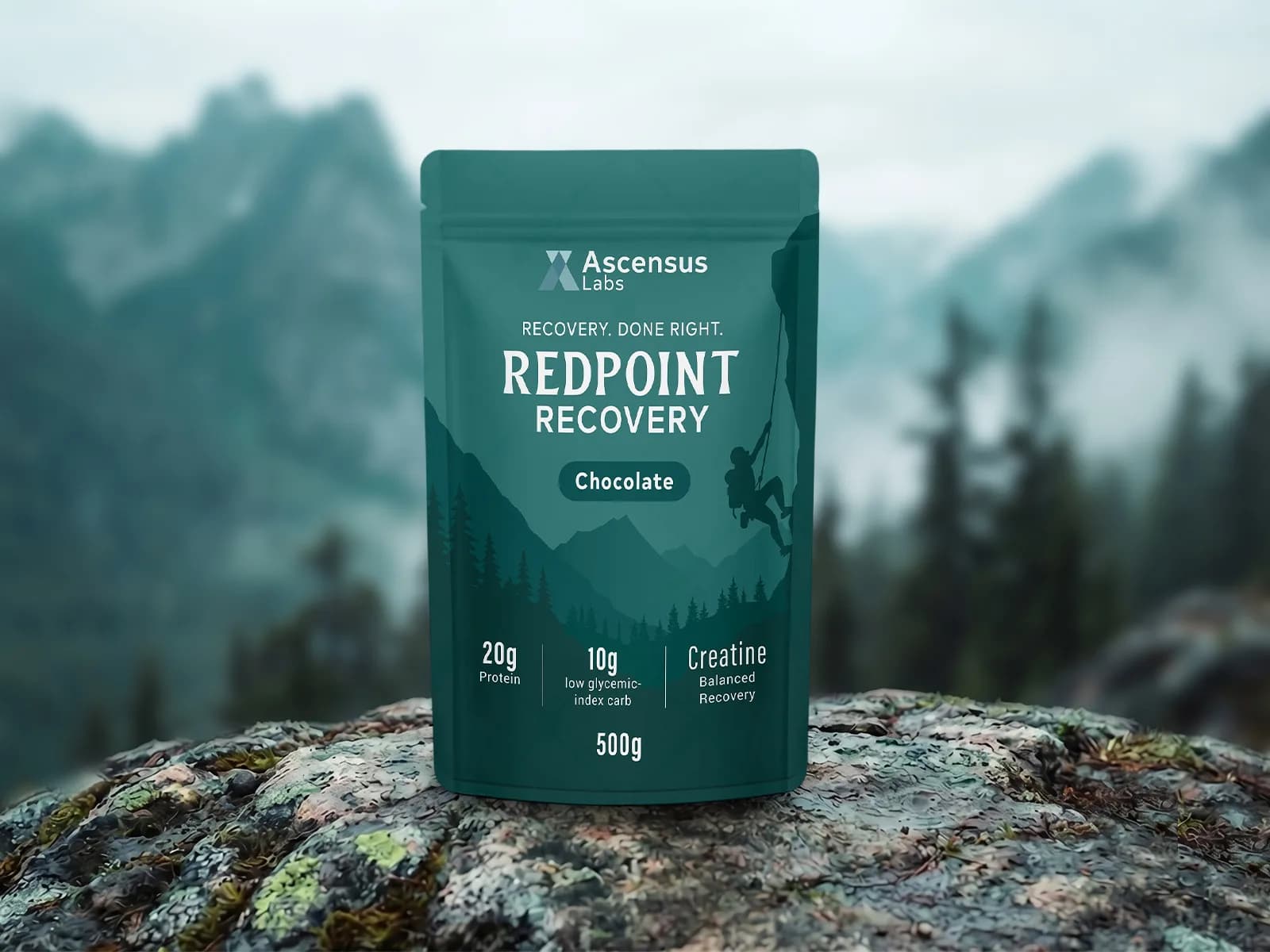
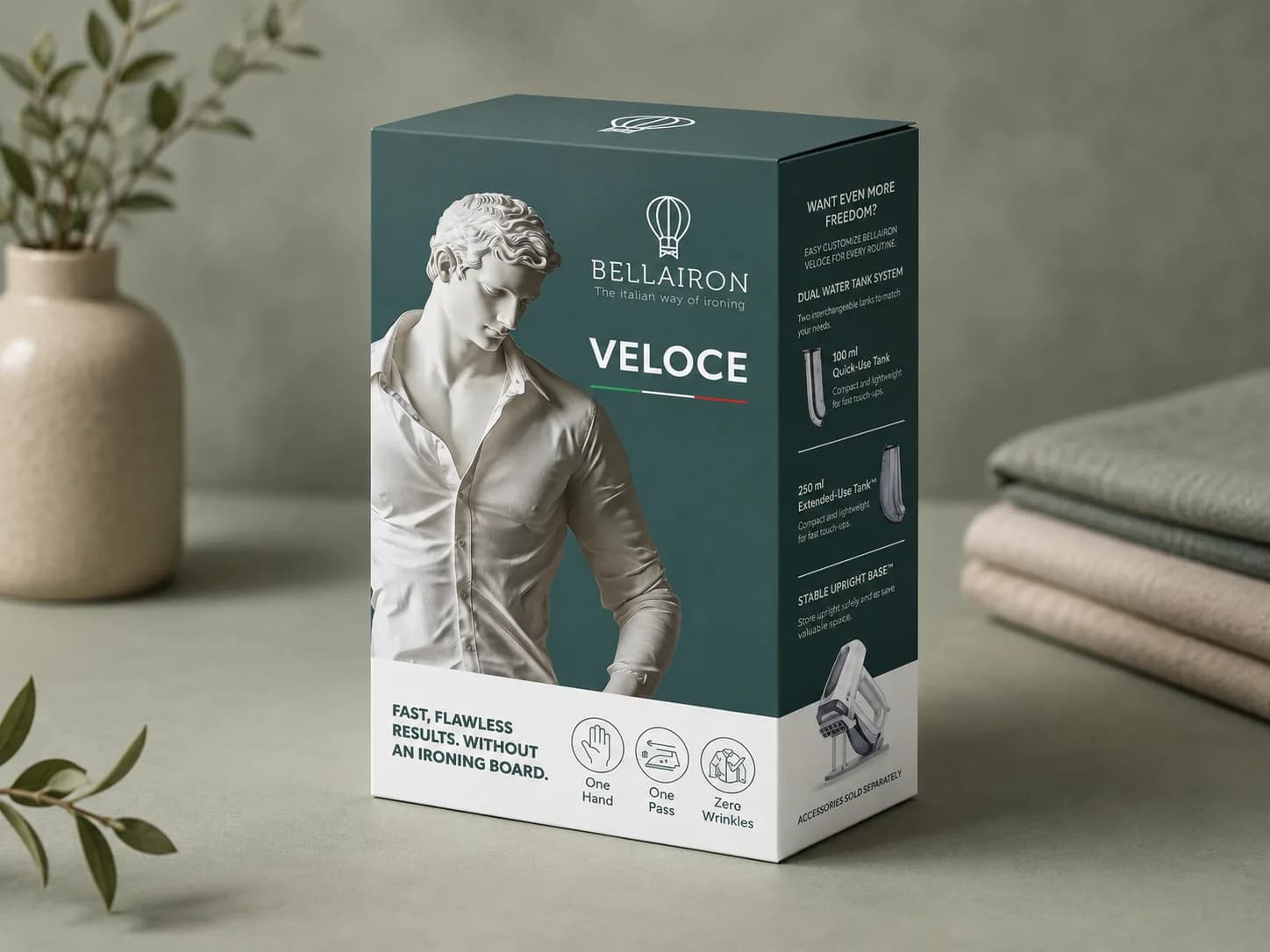
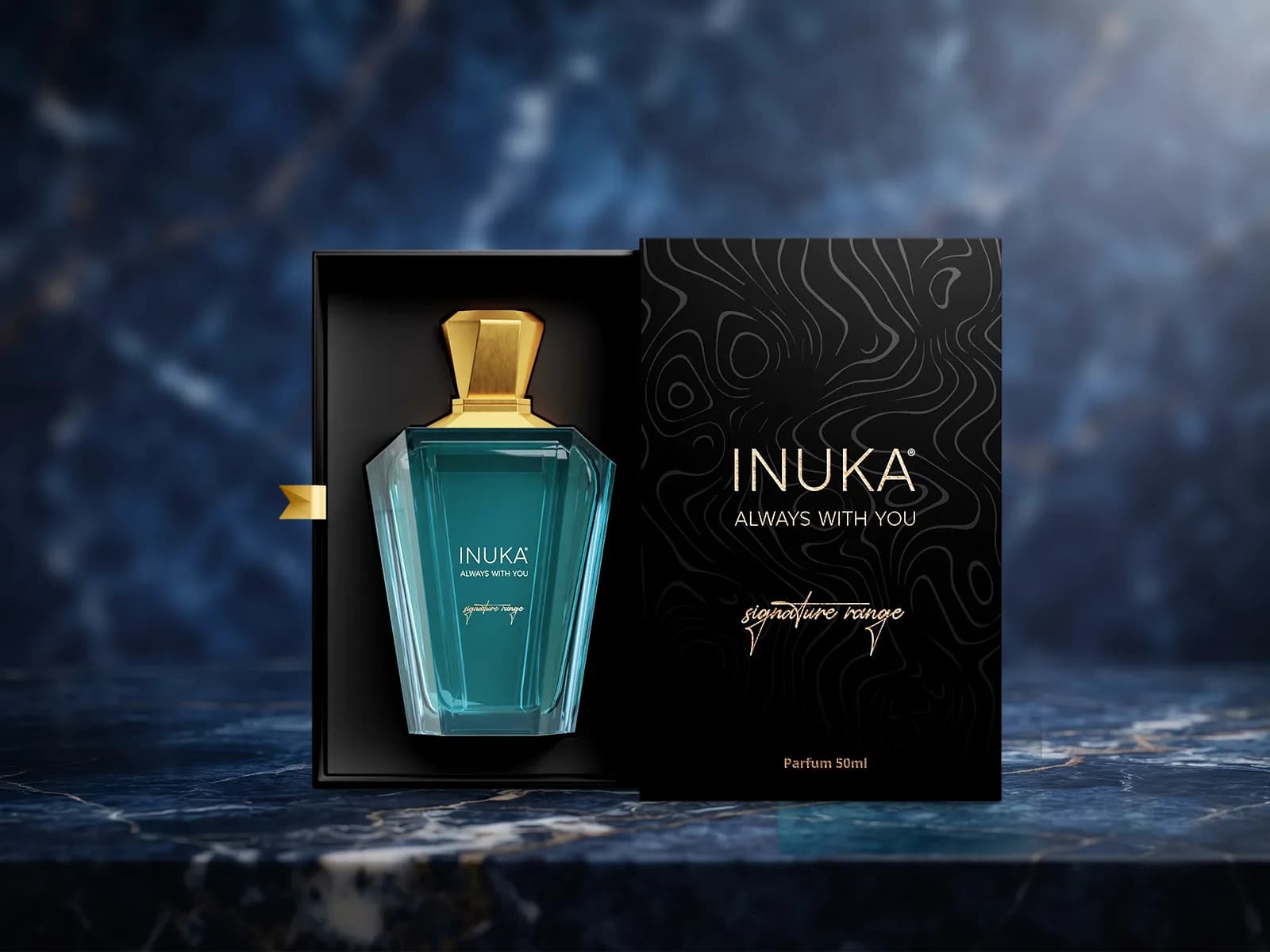
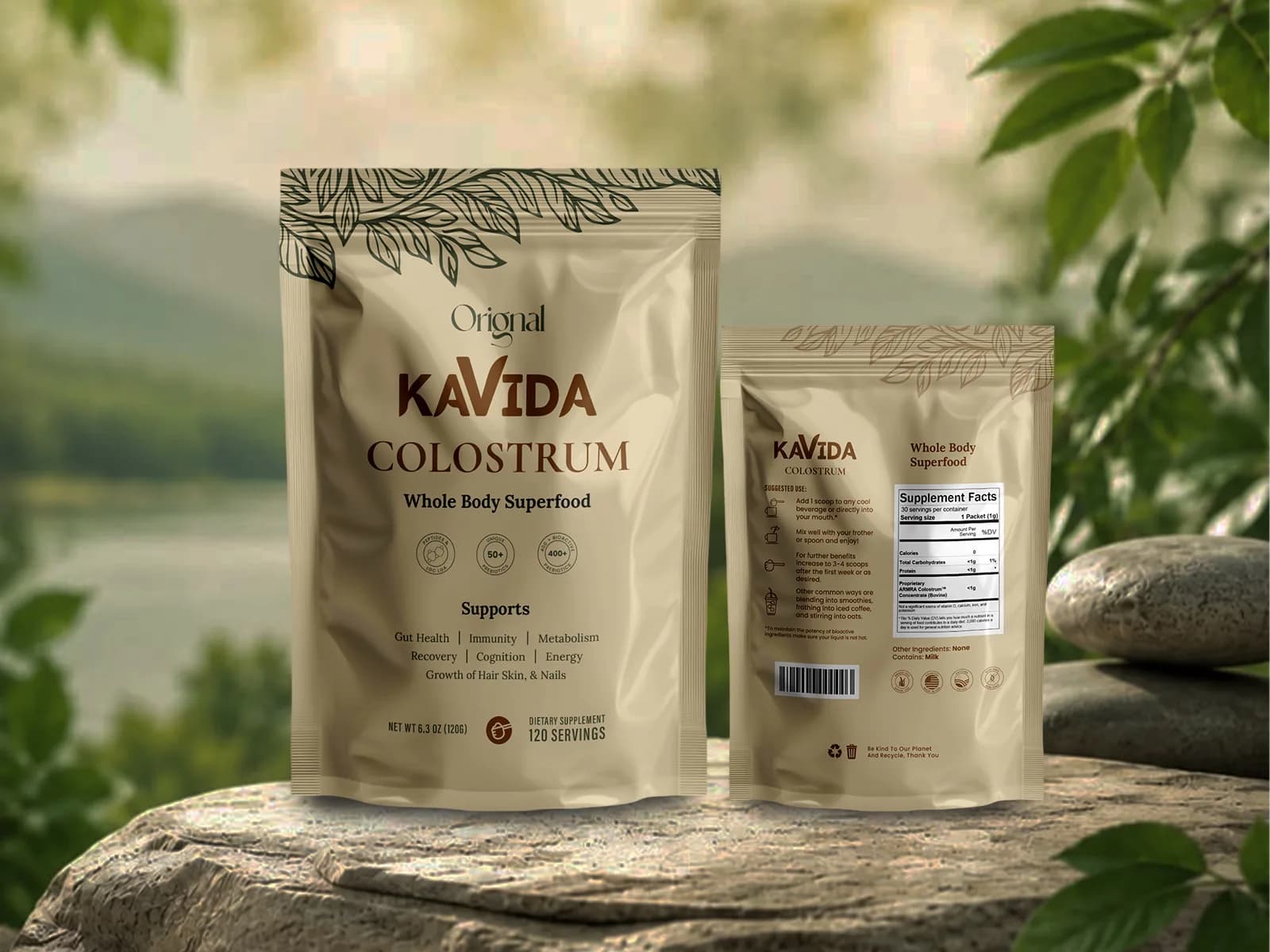
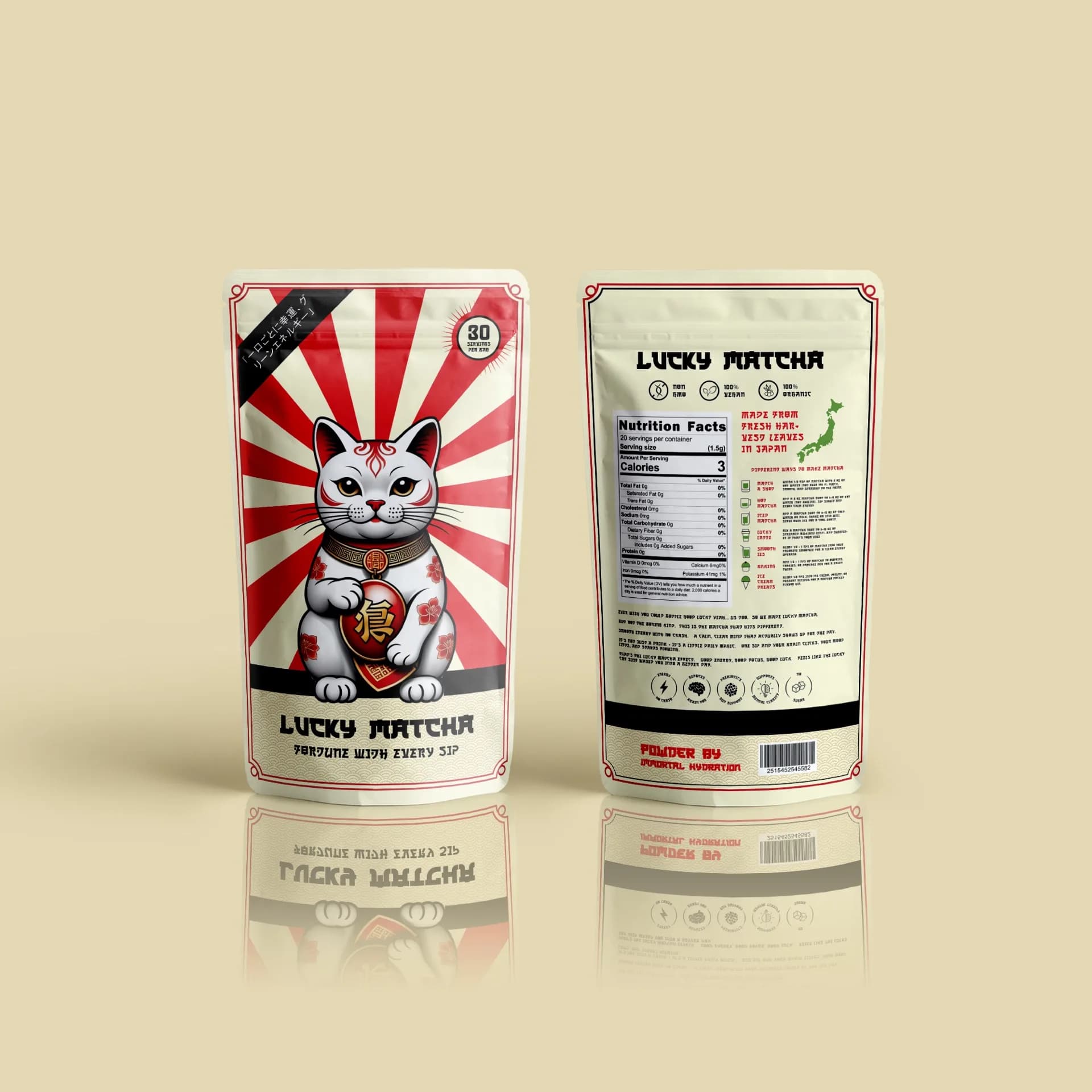
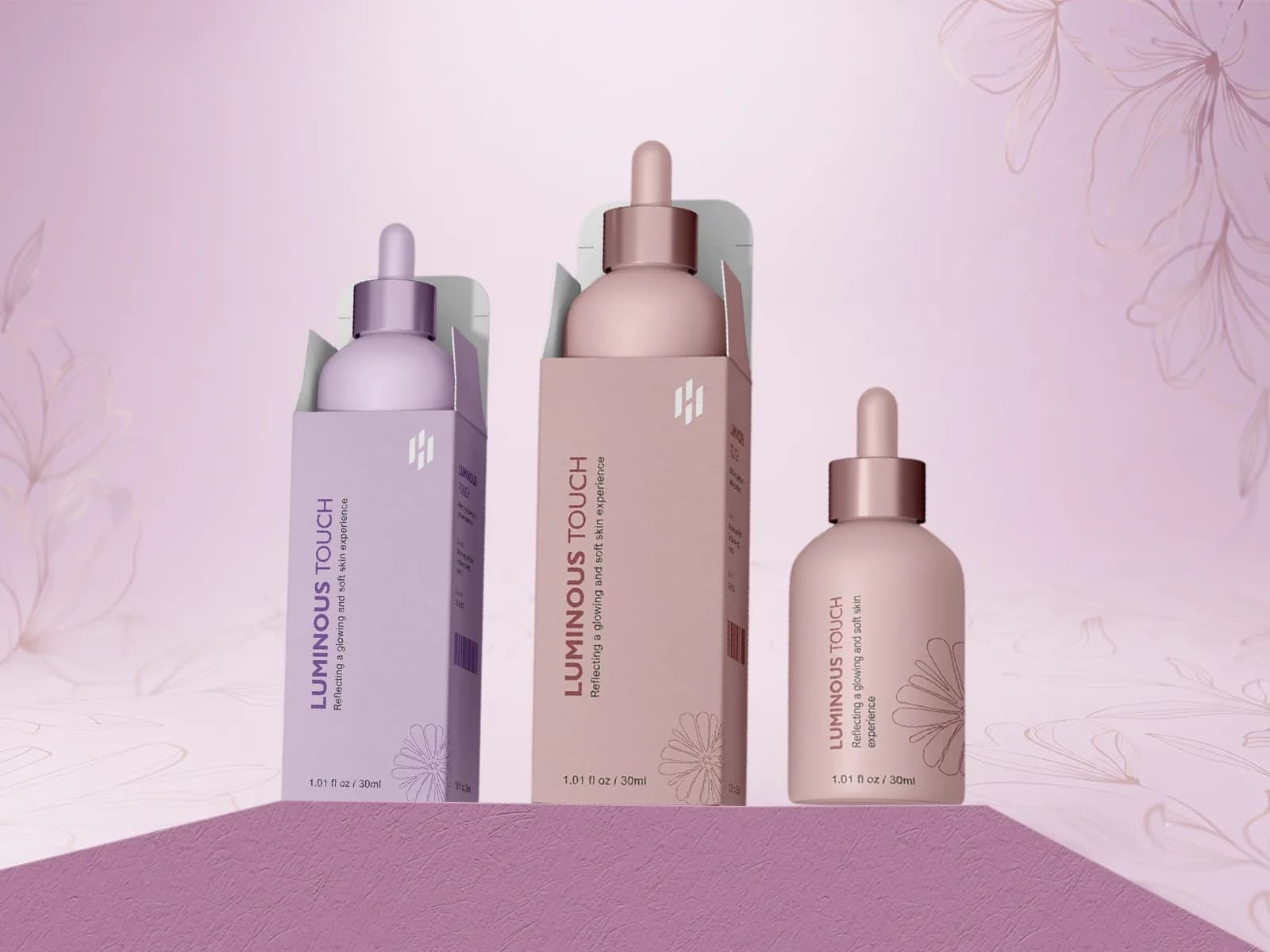
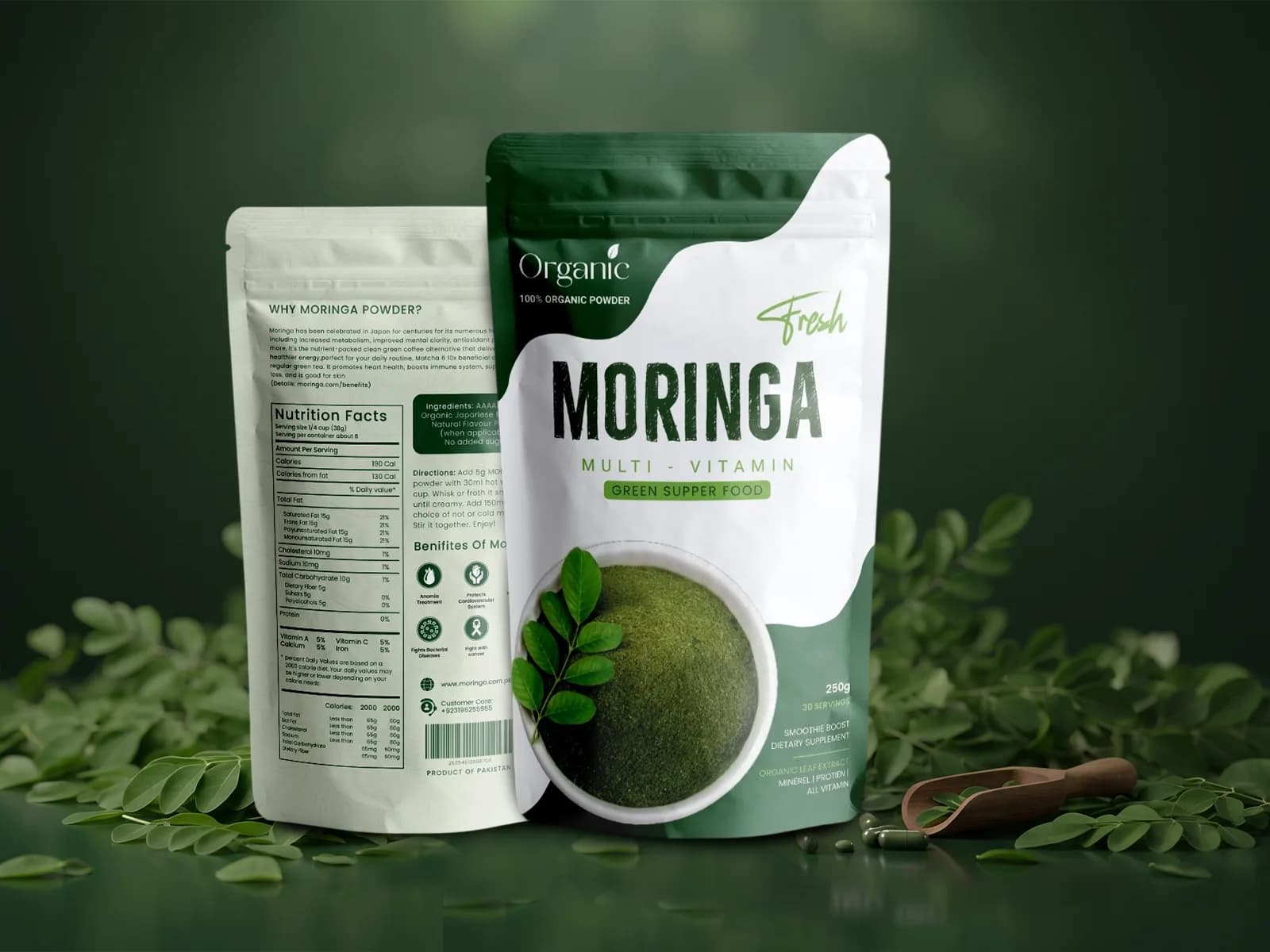
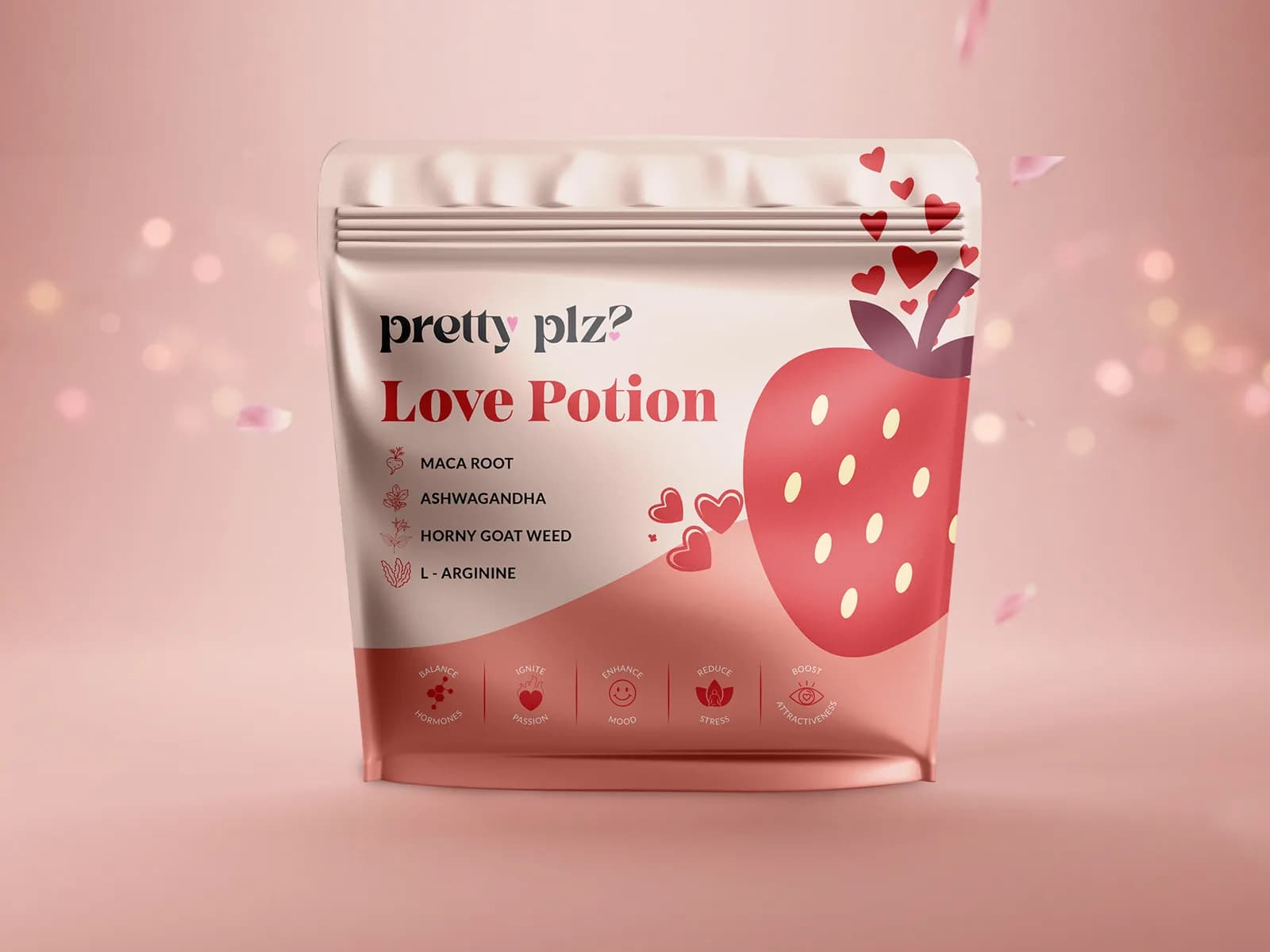
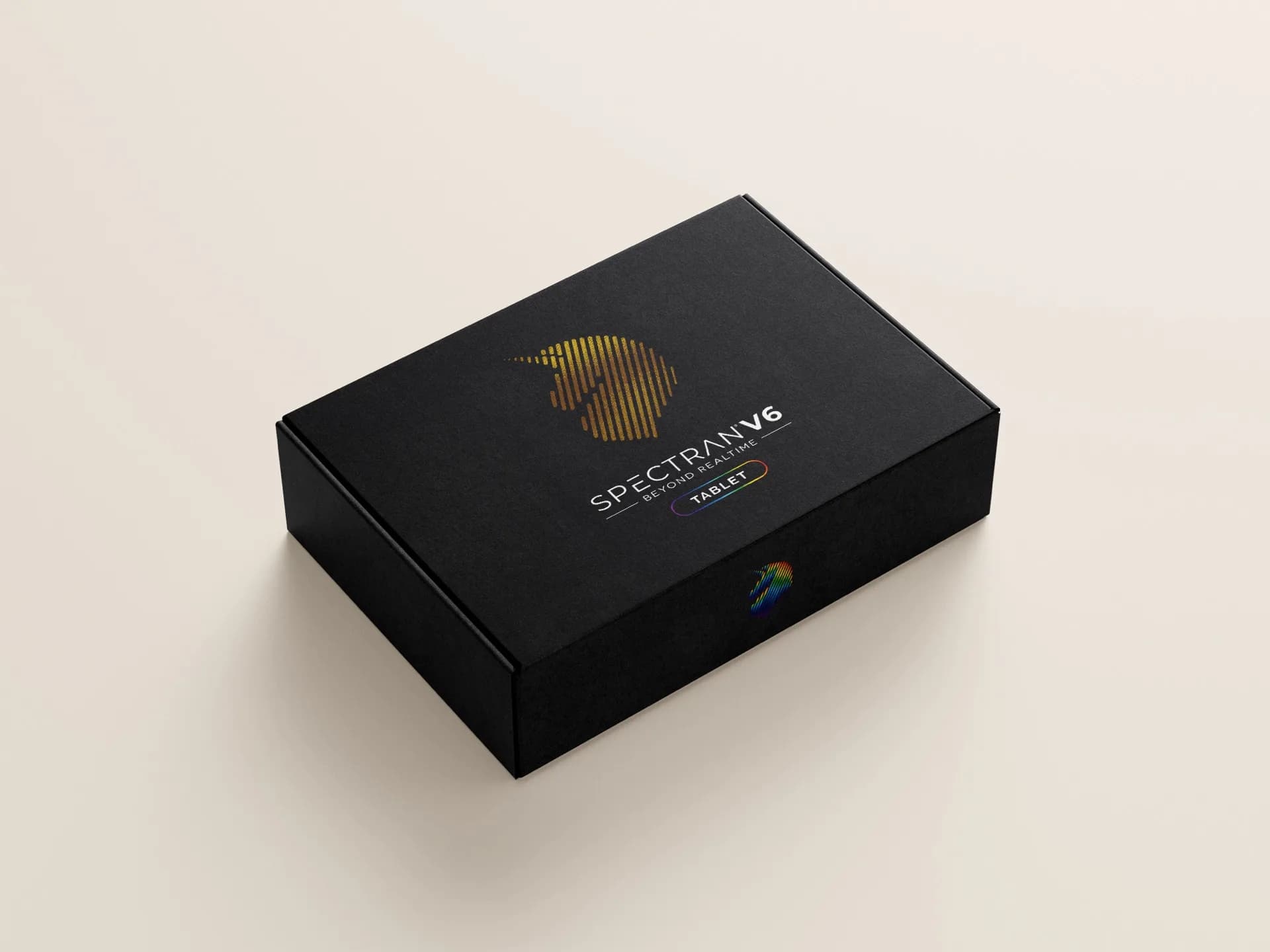
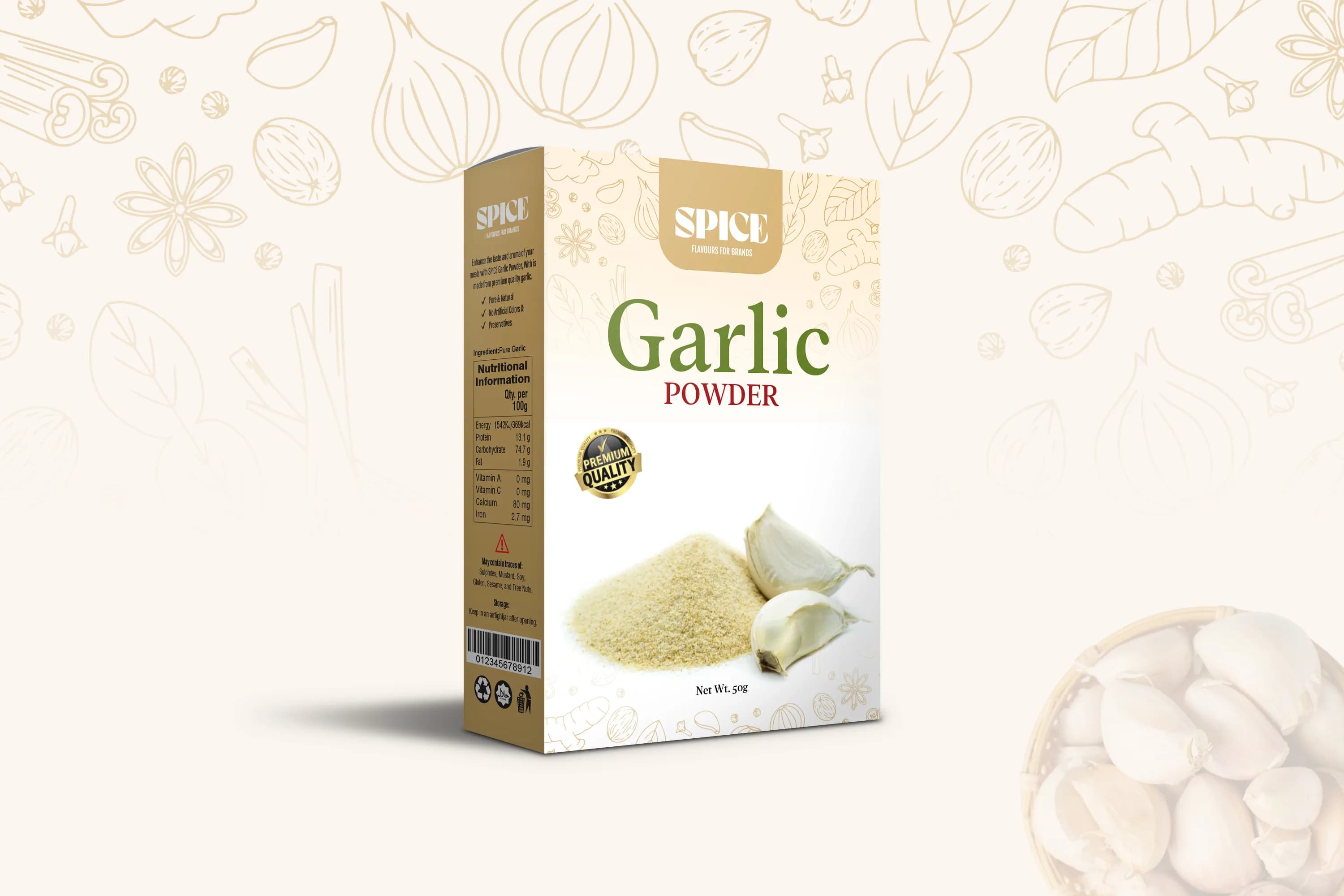
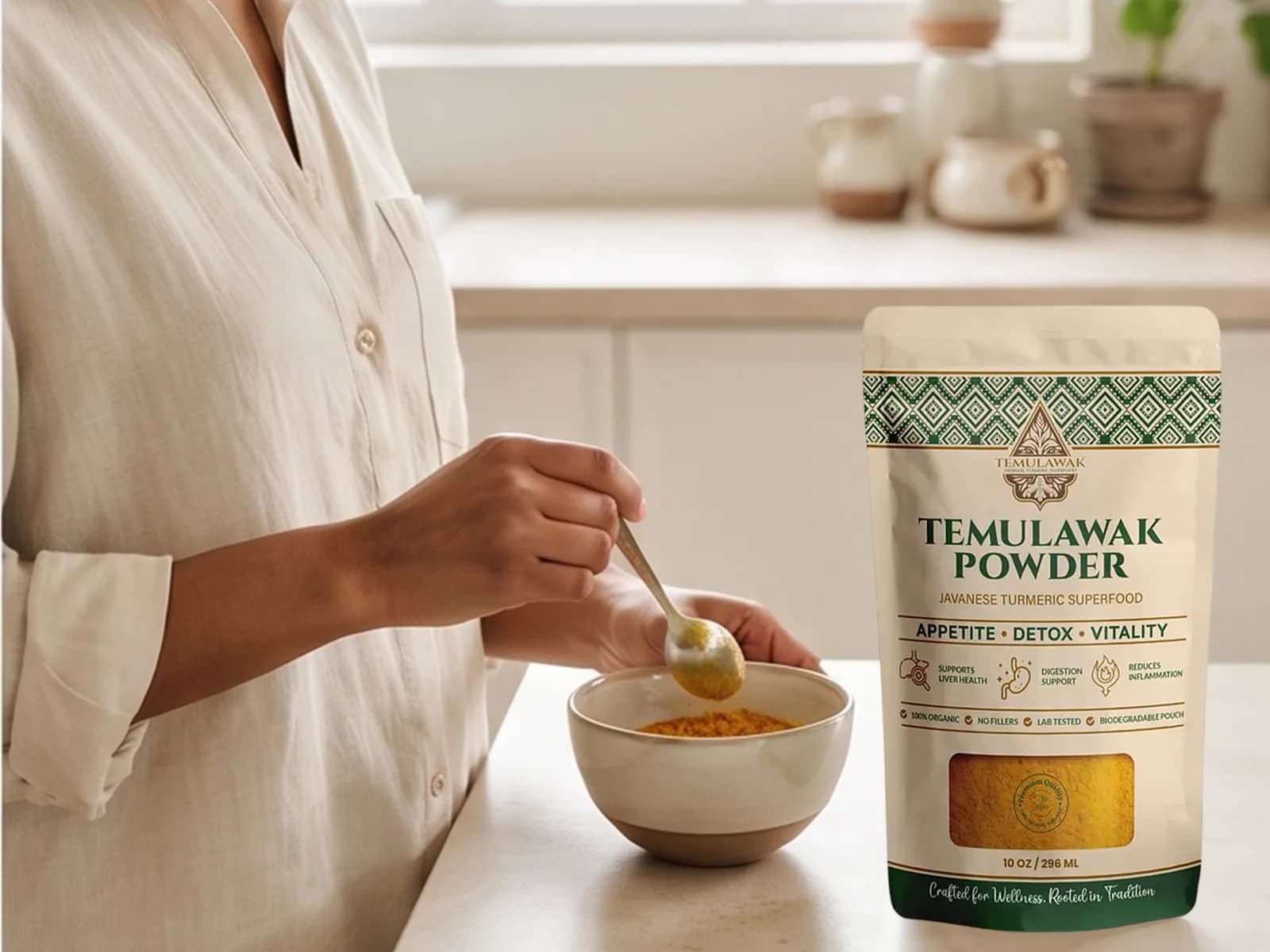
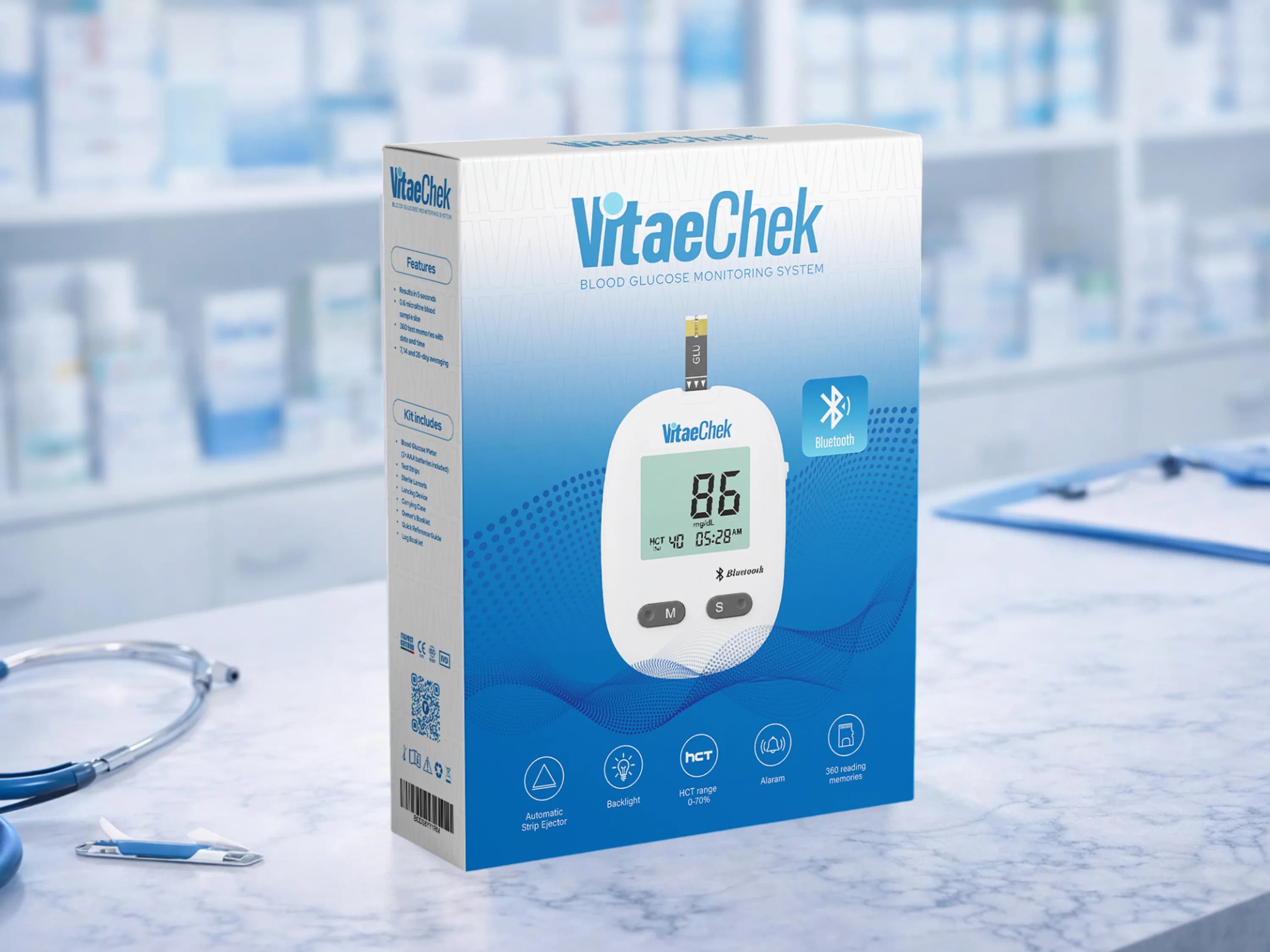
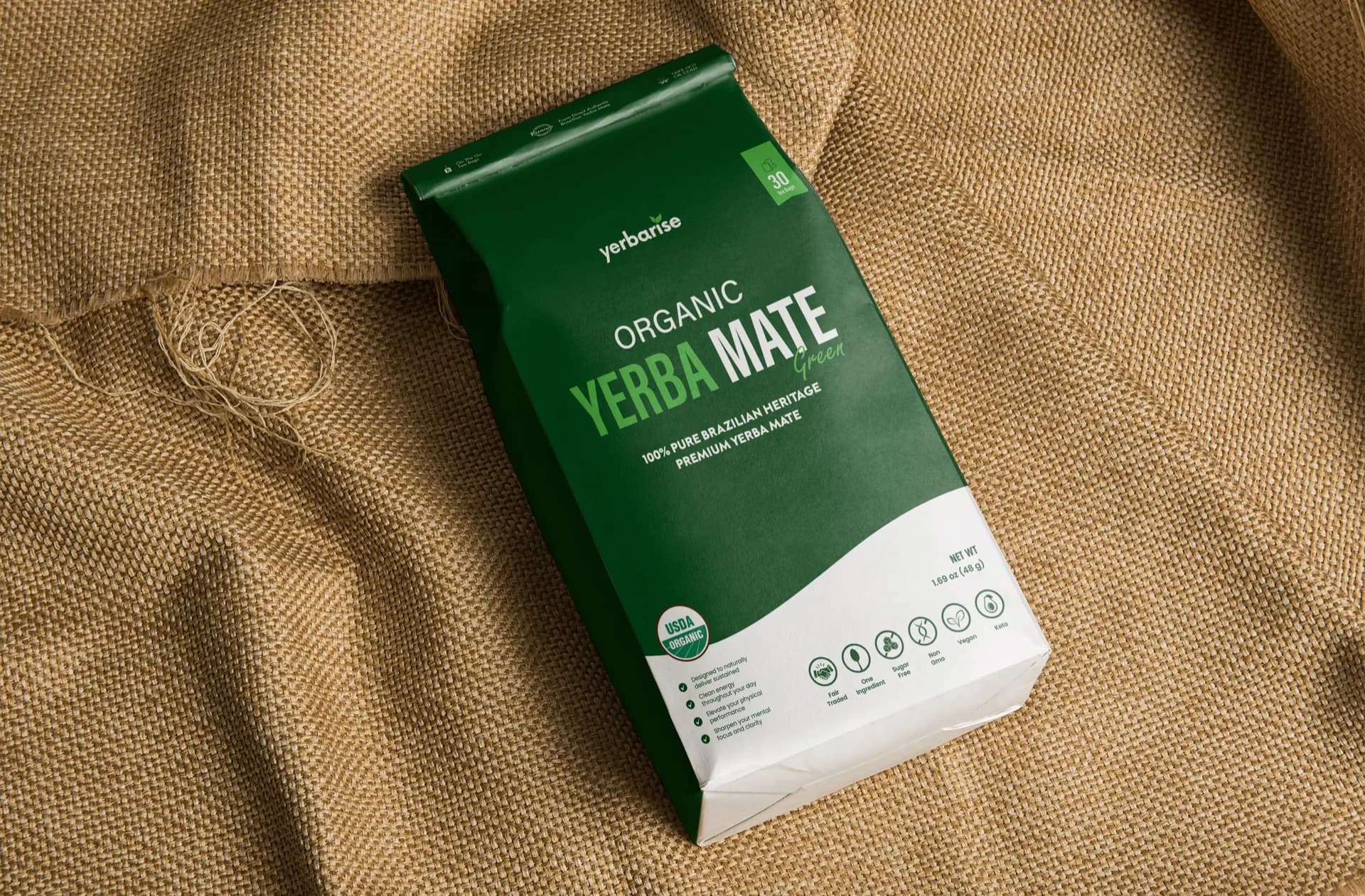
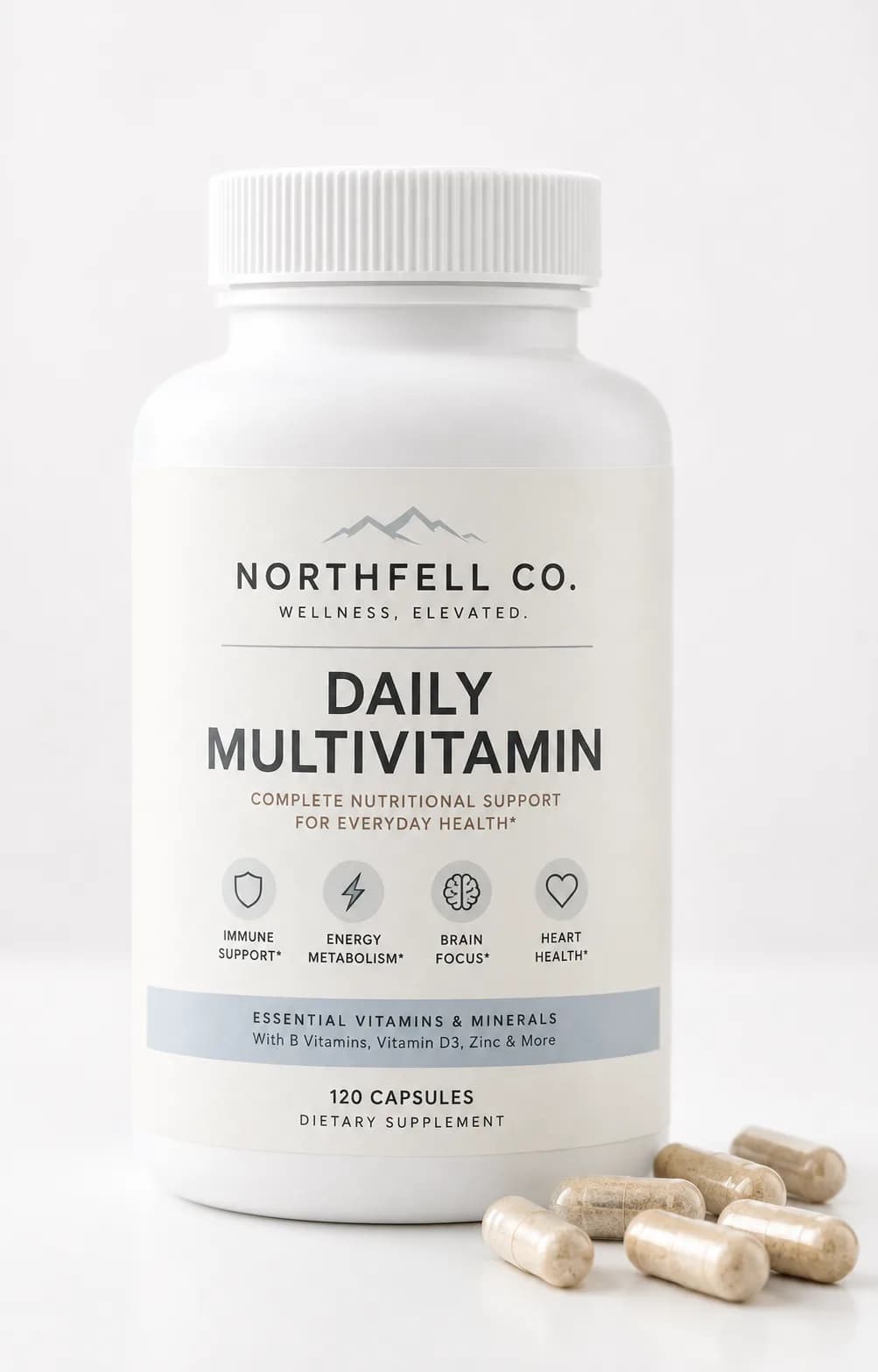
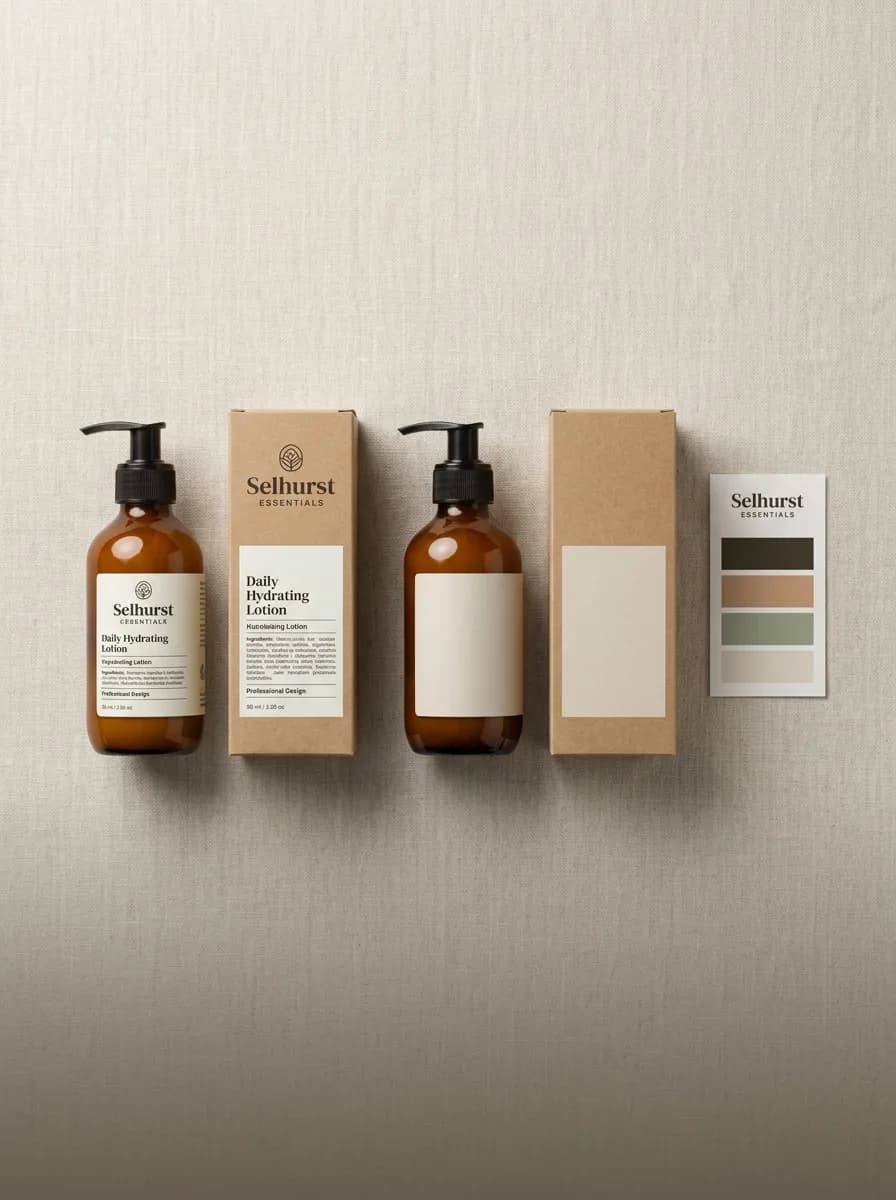
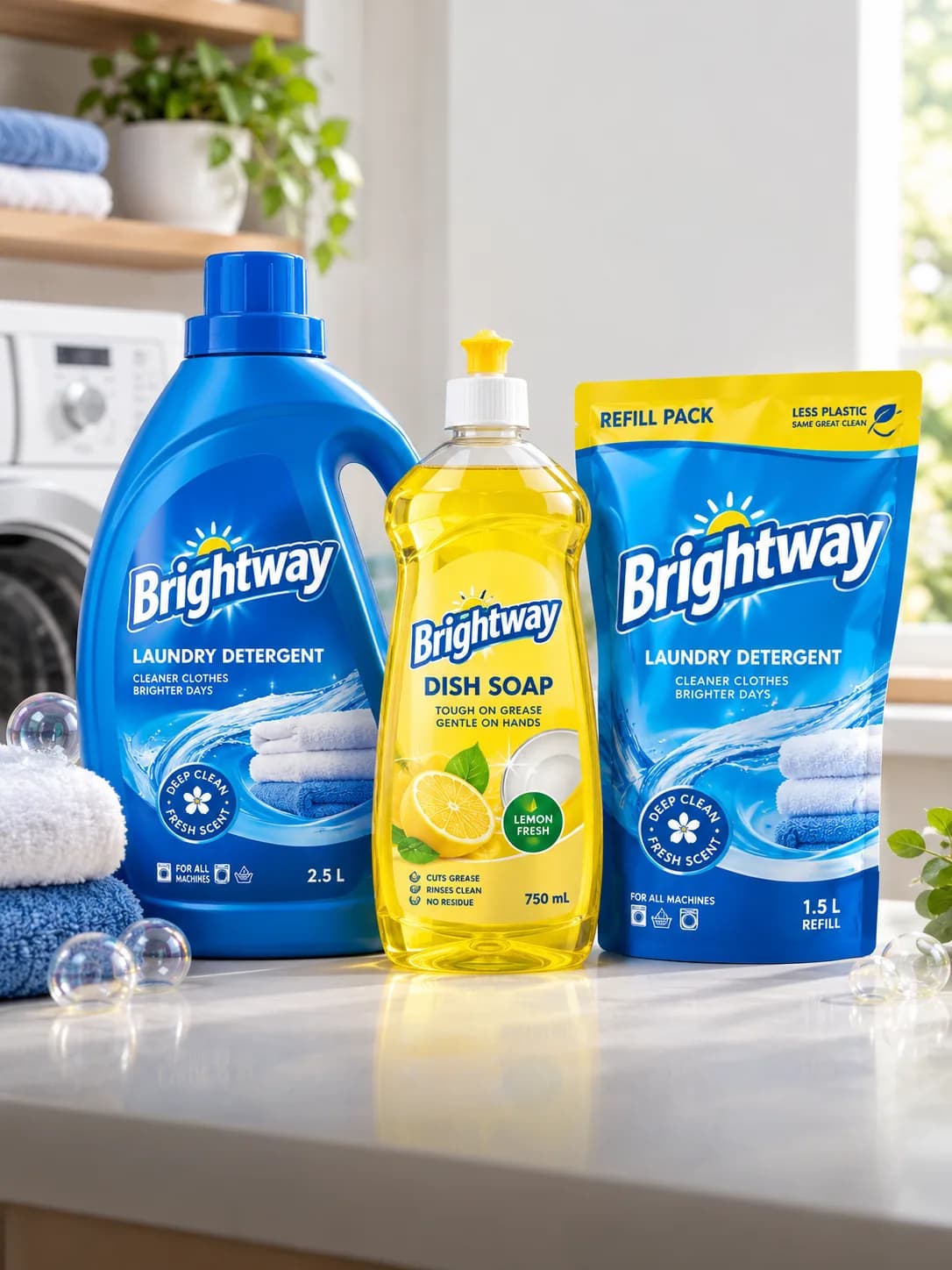
We're always-on to deliver the
packaging you want, when you need it
Print-ready private label artwork
Supplier-format dieline files
Compliance declarations
3D product mockups
Amazon listing images
Private Label Packaging Design: The Complete Guide
A complete reference for brand managers, designers, and marketers making packaging decisions.
The Category
What makes private label packaging different
With private label, someone else makes the product and you sell it under your own brand. That's a fast way to launch, but it changes the packaging job. You're often working with the manufacturer's containers, their fill lines and their minimum order quantities, and your brand has to stand out in a market where competitors may be selling something very similar.
It also shifts responsibility. Once your name is on the pack, you're usually the business answerable for what the label says, even though you didn't write the formula. The manufacturer supplies the ingredient and technical information. Checking that the label presents it correctly falls to you.
Same product, different brand
The challengeOther brands may buy from the same manufacturer, in the same stock bottle or pouch. If the packaging is generic too, there's nothing left to choose you by.
Our approachWe work out what can genuinely set you apart, such as a clear audience, a sharper name or a distinctive visual system, and put the design effort there instead of on the parts everyone shares.
Your label, your responsibility
The challengeManufacturers' spec sheets aren't written for consumers, and they don't always match the regulations of every market you sell in.
Our approachWe lay out the label from the manufacturer's information and flag anything that looks inconsistent or missing, so you can confirm it with them and your regulatory adviser before printing.
Design Decisions
Containers, labels and channels
The biggest decisions are about how much you customise and where you'll sell. Both affect cost, lead time and how premium the product can look.
- Stock or custom containers. Stock bottles, jars and pouches from the manufacturer keep minimums low and launch fast. Custom shapes or colours set you apart but bring tooling, higher minimums and longer lead times.
- Label-only or full pack. Many private label launches start with a branded label on a stock container. Adding a printed carton or a custom-printed pouch gives more room for the brand, at more cost.
- Planning a range. If you plan to add flavours, strengths or sizes, design the system now. A single launch label that can't stretch to a range means redesigning everything later.
- Channel. A product for marketplaces needs to read as a small thumbnail and survive parcel delivery. A product for shops needs shelf presence. Wholesale buyers may want case labels and barcodes in a particular format.
- Barcodes. Retailers and marketplaces generally expect barcodes registered to your business, not the manufacturer's. Organise them before artwork is finalised.
The rules that apply depend on the product. Supplements, cosmetics, food and household products each have their own labelling requirements, and most markets expect the label to name the business responsible for the product. Whether that's your company, the manufacturer or both, and how it must be worded, varies between markets. Confirm it with the relevant authority or your regulatory adviser. Claims are another area to check: if the manufacturer's marketing sheet makes a claim, it's still your job to make sure you can use it.
Before design starts, ask the manufacturer for the container specification, label size, the full ingredient or formula information, and any compliance documents they hold. Missing paperwork is the most common reason private label artwork stalls at the last minute.
The Process
How a private label packaging project runs
Private label projects often run against a manufacturer's production slot, so we keep the steps tight and the dependencies visible.
Manufacturer specs and documents
We collect the container or pouch template, label dimensions, ingredient information and the manufacturer's artwork requirements, and list any gaps for you to chase.
Positioning and name check
We look at competing products in your channel and agree how your brand will be different. If you're still choosing a name, we check how it works on pack at small sizes.
Brand and pack concepts
Design routes shown on the actual container as mockups, along with a marketplace thumbnail view if you sell online.
Compliance layout
Mandatory information from the manufacturer's data is laid out, and anything that looks inconsistent is flagged for you to confirm with them and your adviser.
Files for the manufacturer
Print-ready artwork prepared to the manufacturer's or printer's specification, with a review of their proof when they send one.
Costs and Pitfalls
Private label mistakes, costs and alternatives
Trusting the spec sheet blindly
Copying the manufacturer's ingredient list or claims straight onto the label without checking them against the rules for your market. Errors become your errors.
Designing before the container is fixed
Switching from one stock bottle to another late in the project changes the label size and often the whole layout.
Looking like everyone else
Using the same stock container and a template-style label as other sellers leaves price as the only difference. Spend design effort on the parts customers see first.
Ignoring the minimum order
Designing a large range of variants when the manufacturer's minimums mean you can only afford to launch two. Plan the range to match the stock you can actually buy.
The cost of private label packaging comes from a handful of choices:
- Container choice. Stock containers are the cheapest route. Custom moulds, colours or printing direct onto the container add tooling and raise minimums.
- Pack components. A label alone costs less than a label plus carton, insert or printed pouch.
- Number of SKUs. Each product, flavour or size needs its own artwork and checks.
- Markets. Selling in more than one country can mean extra languages, different mandatory text and separate label versions.
- Lead time. Rushing to meet a production slot leaves less room for revisions, so late changes cost more.
Private label isn't the only way in. If you want a product nobody else can buy, custom formulation with a manufacturer takes longer but gives you something unique to package. If you only need a label for an existing container, a focused label design project may be enough. And if you're supplying a supermarket's own-brand range, that retailer's brand guidelines will shape the design far more than your own preferences.
Got Any Questions?


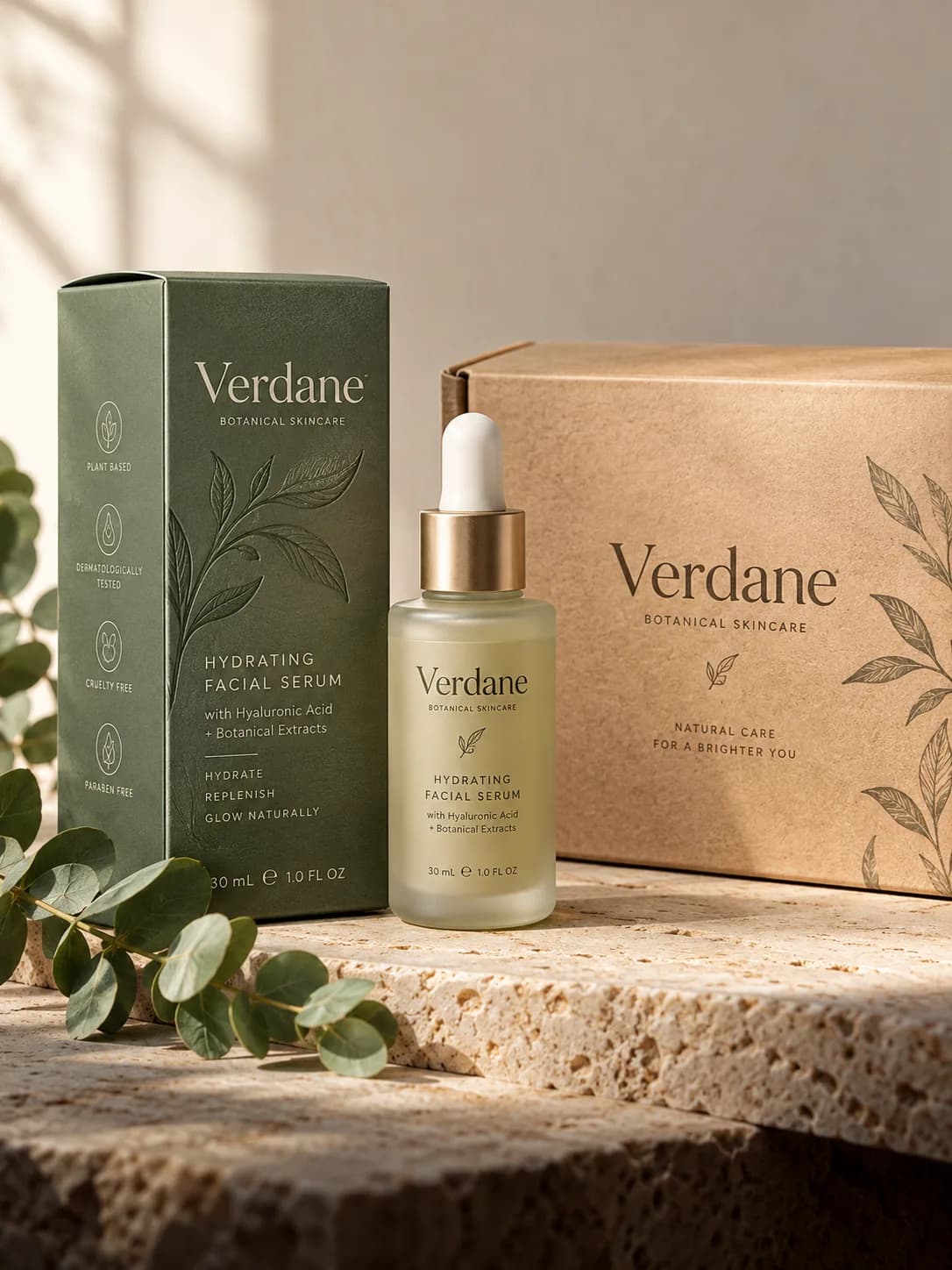
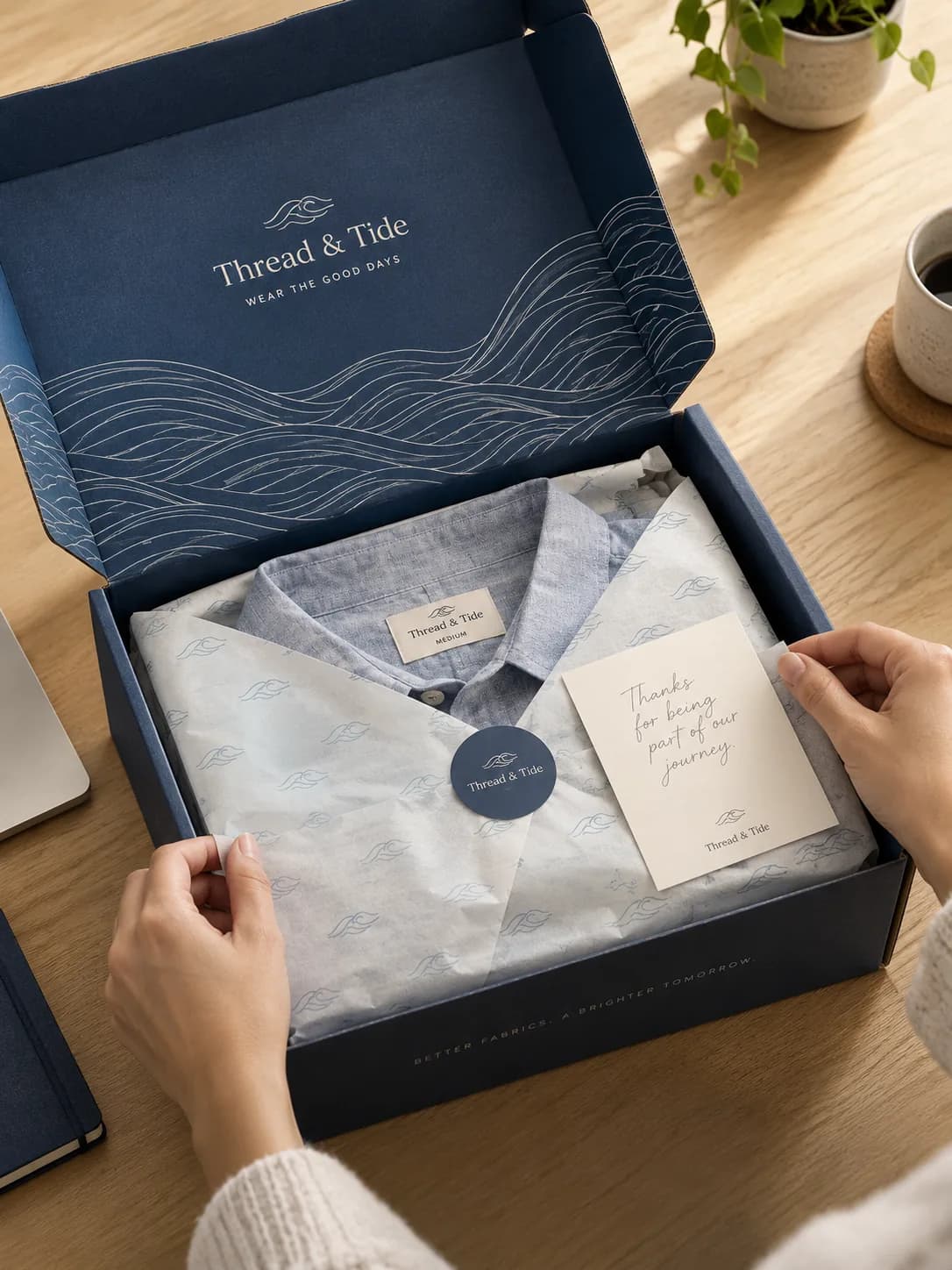
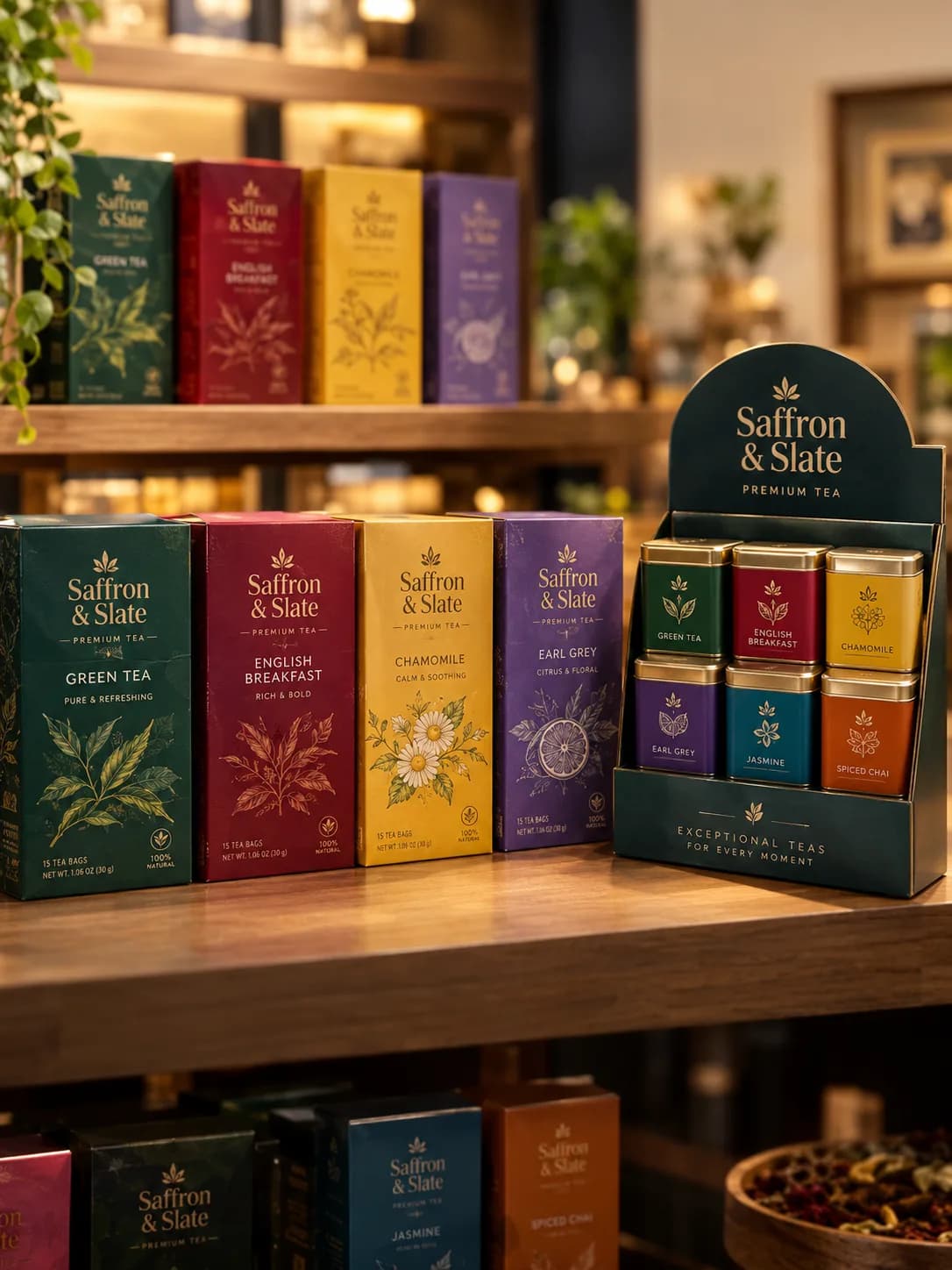
Your packaging deserves
better than “good enough.”
Book a free 15-minute call and we'll scope your packaging together — or send us a message to get started.