
Service
Supplement Packaging Design
Supplement packaging that builds trust and drives sales.
The supplement market is saturated — packaging has to be compelling and correctly labelled to cut through. We design supplement packaging that communicates efficacy and safety, while meeting every FDA and FTC requirement.

Quick Answer
Supplement packaging design lays out Supplement Facts panels to FDA requirements, structure/function claims, and print-ready artwork for vitamins, proteins, and nutraceuticals sold in US retail and e-commerce channels.
What's Included
Everything delivered, as standard
Every Supplement Packaging Design project includes these deliverables — no extras, no upsells, no surprises.
Packaging expertise across
7 product categories
Vitamins & Minerals
Protein Supplements
Nootropics
Pre-Workout
Weight Management
Herbal Supplements
Sports Nutrition
Supplement Packaging Design
Supplement packaging that builds trust and drives sales.

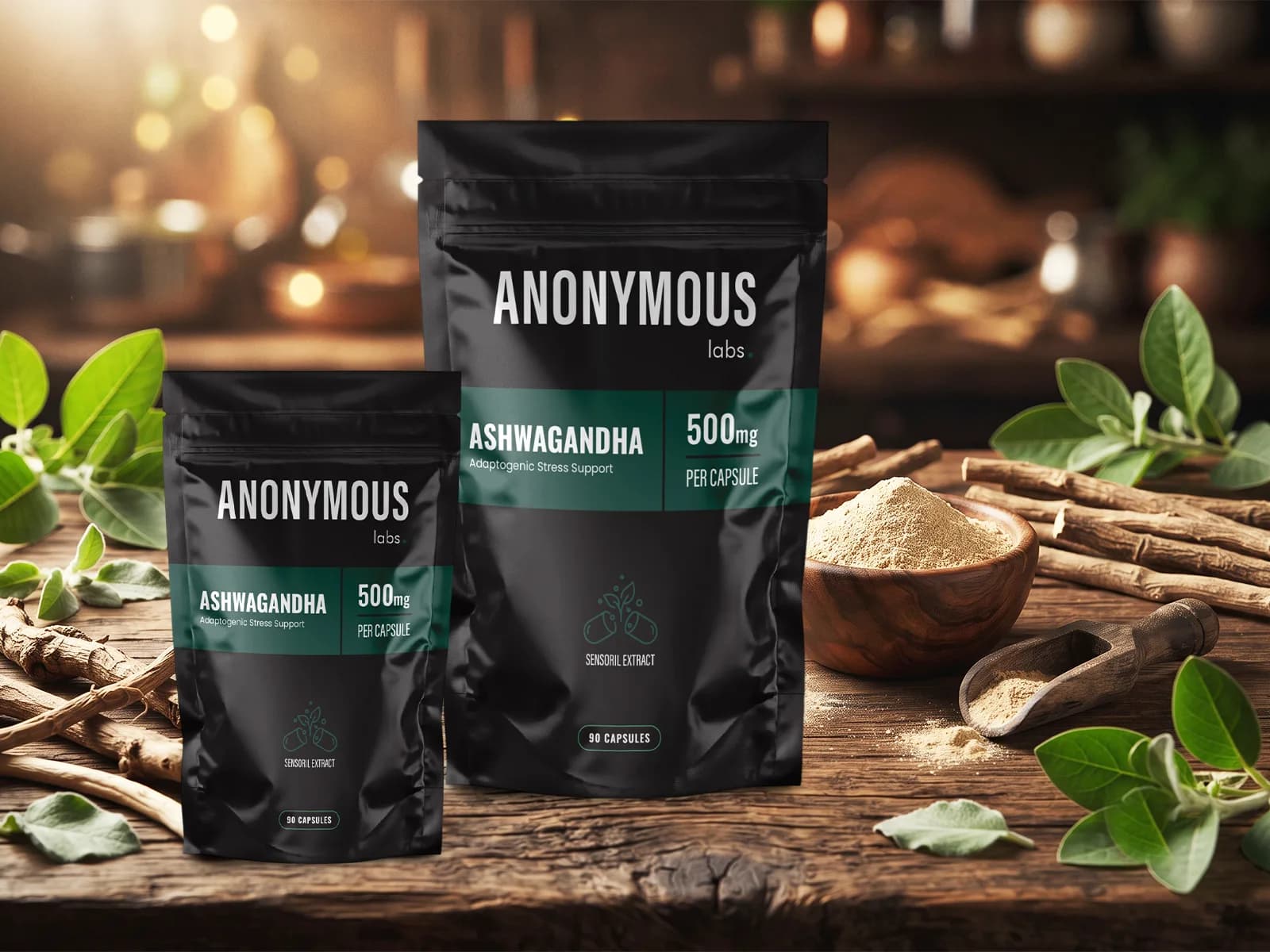
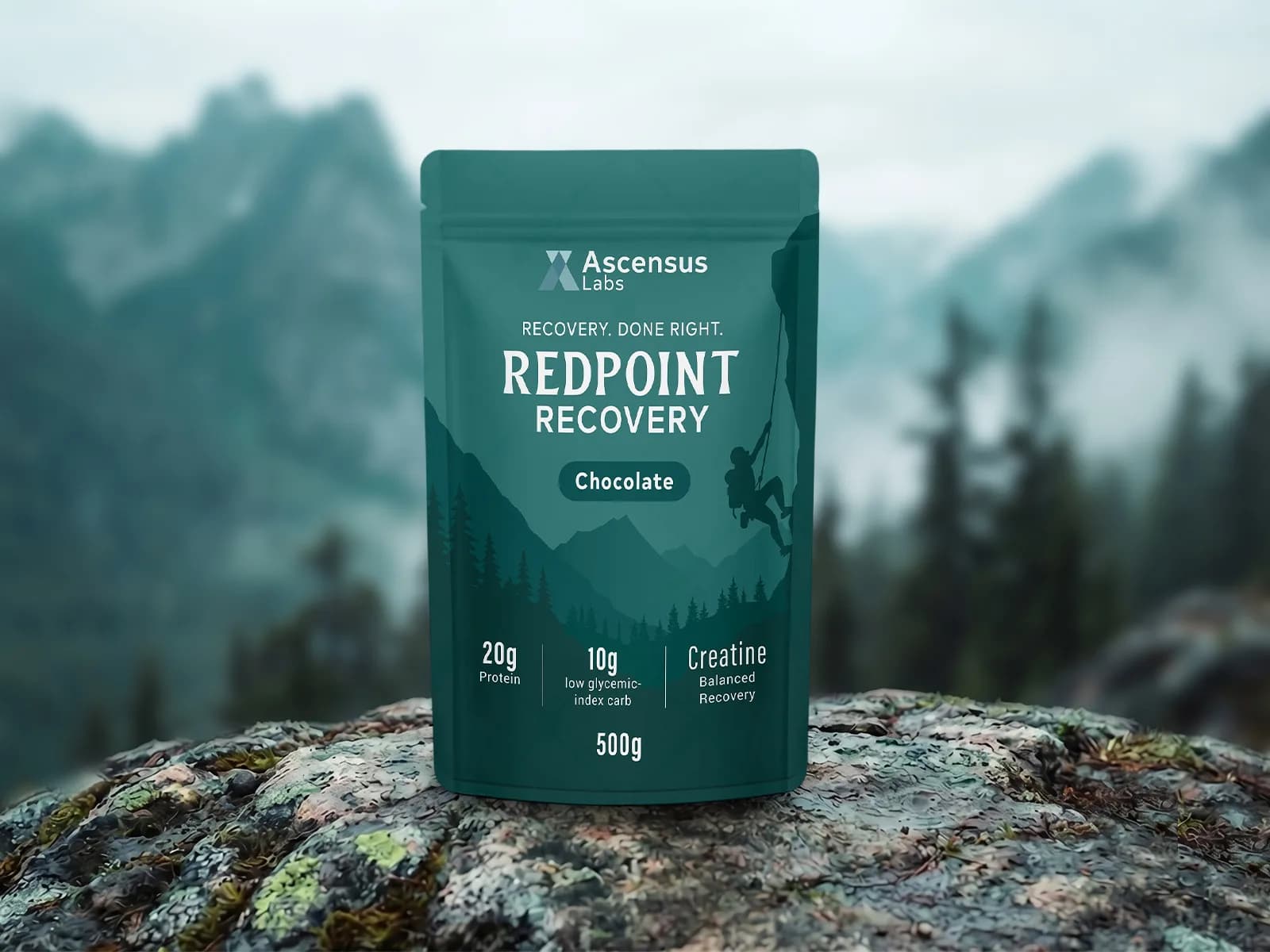
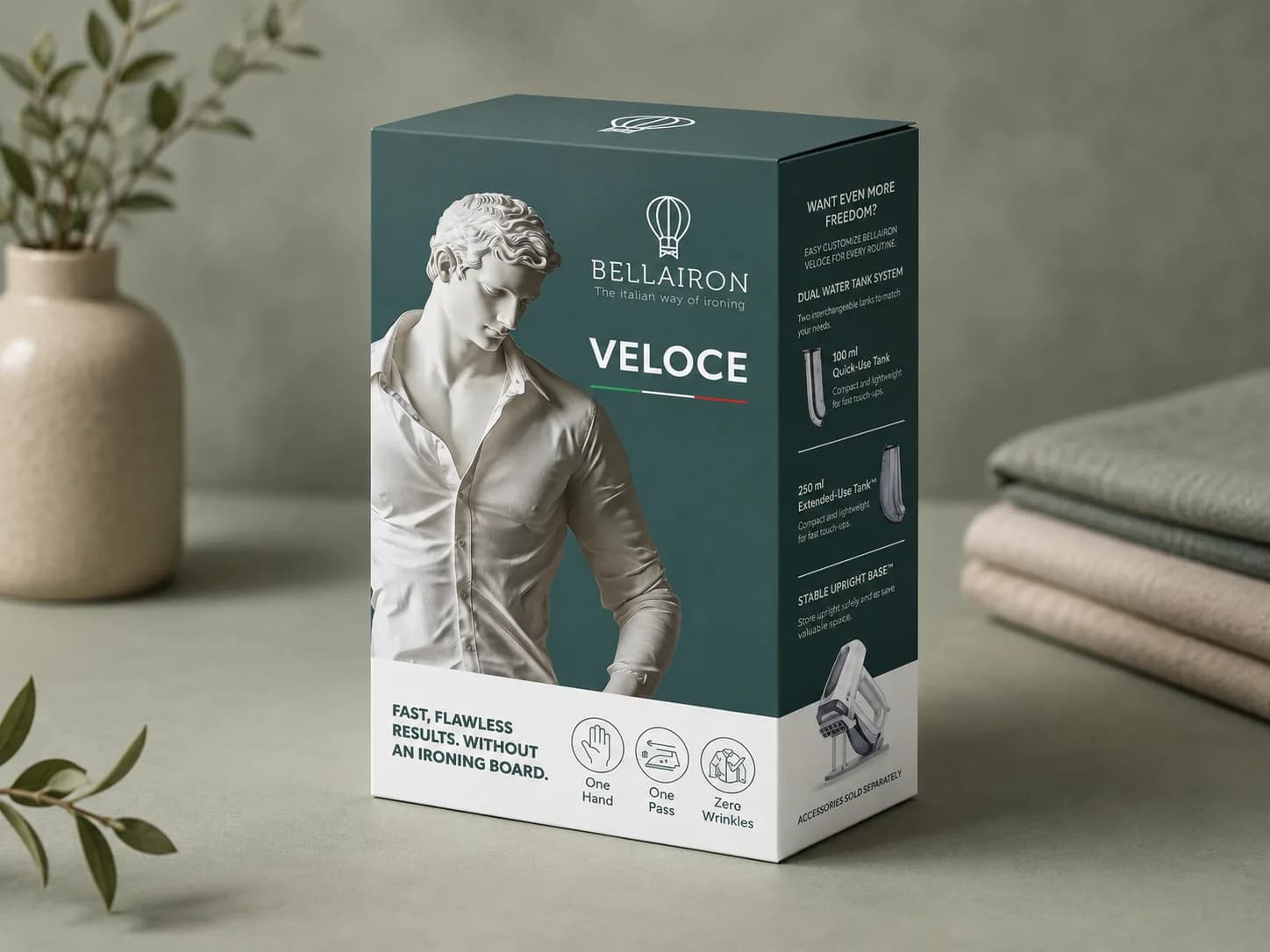

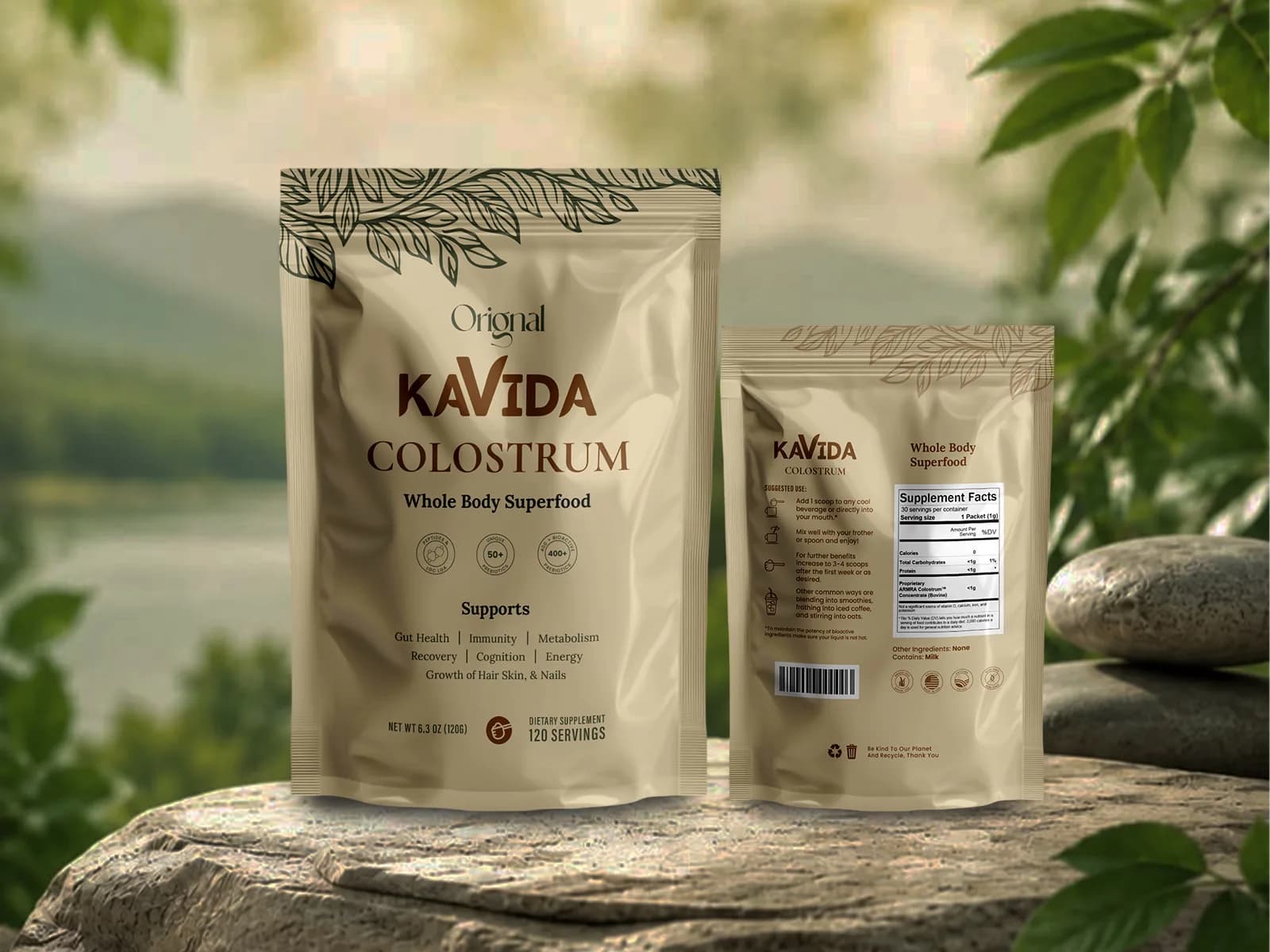
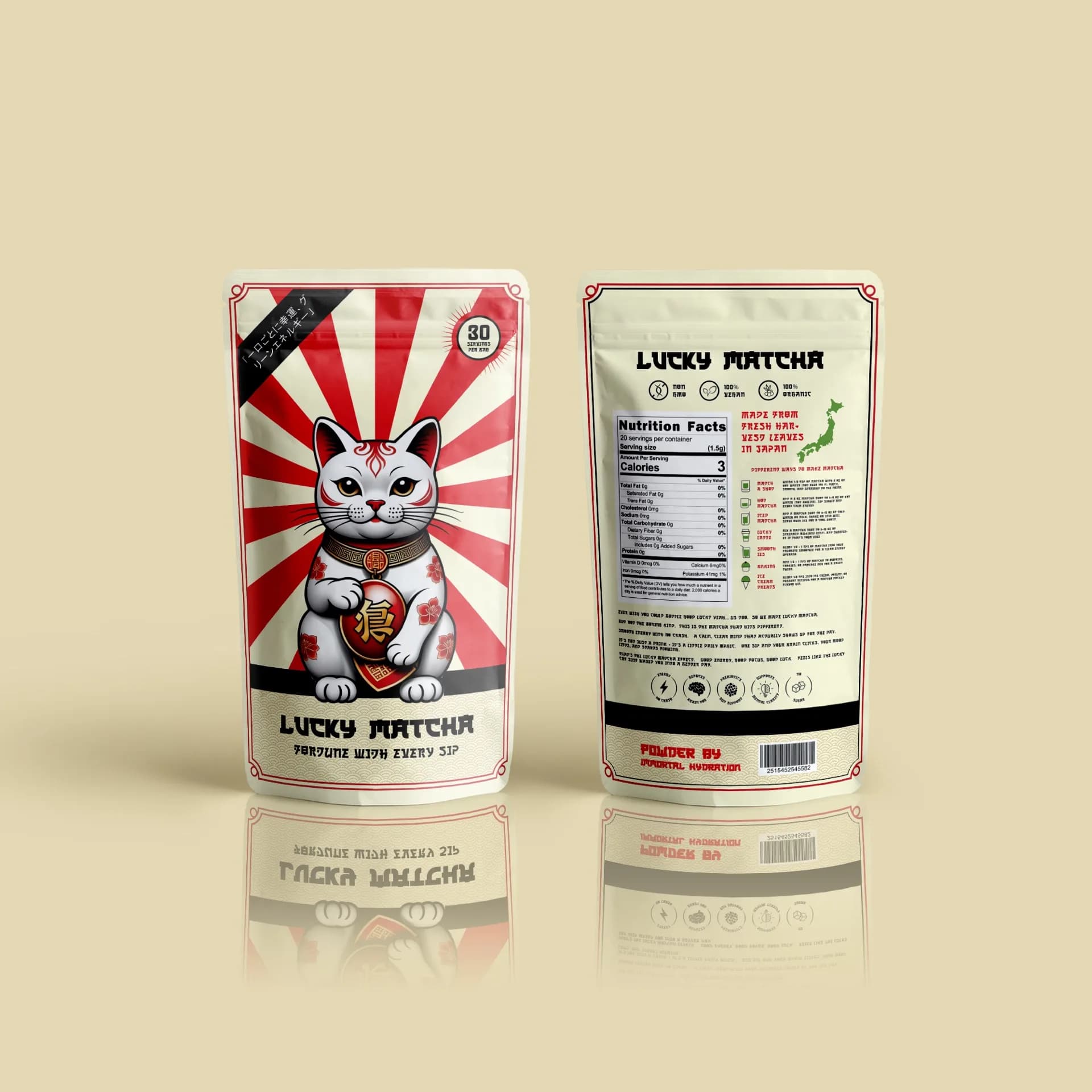

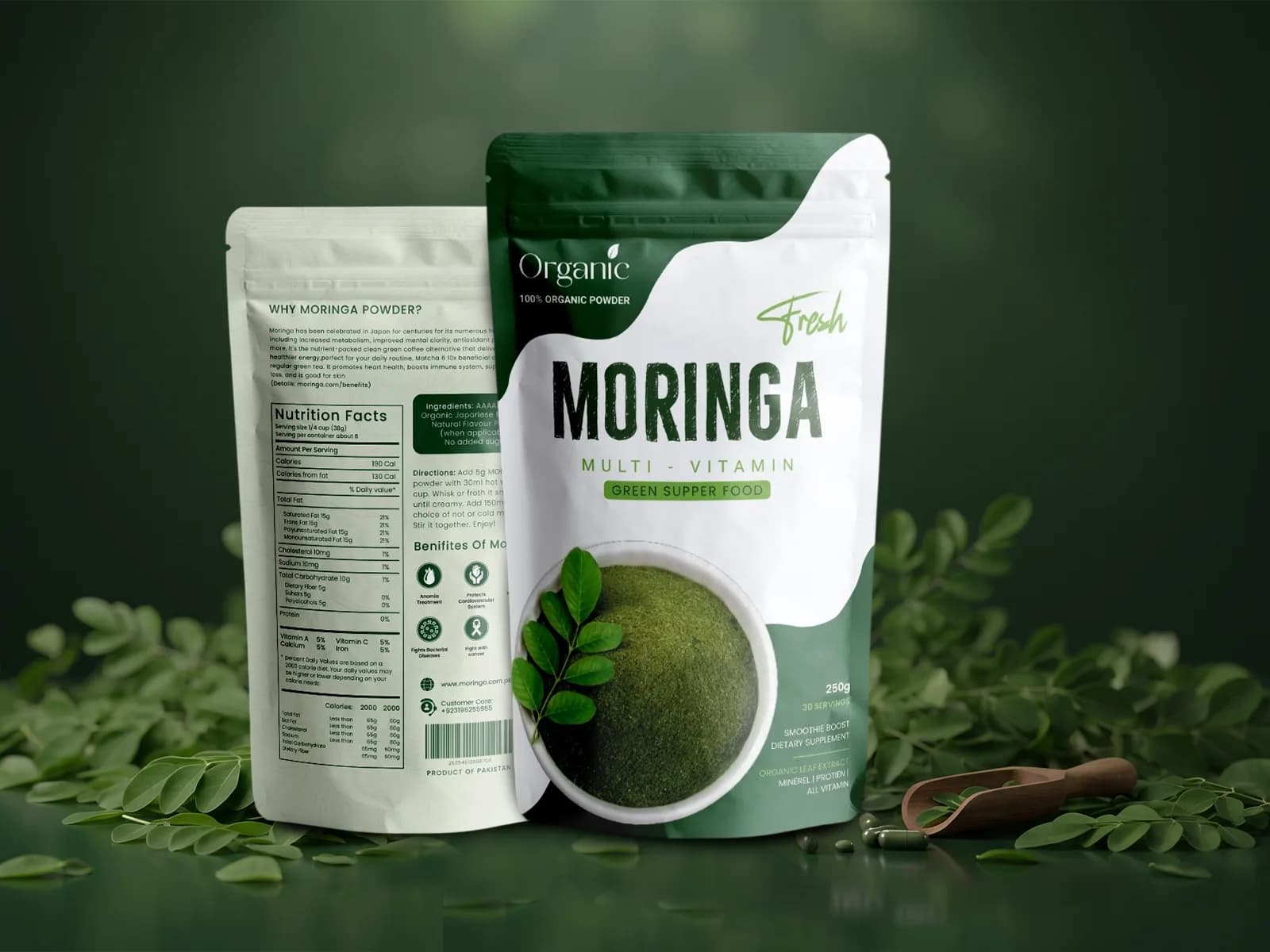
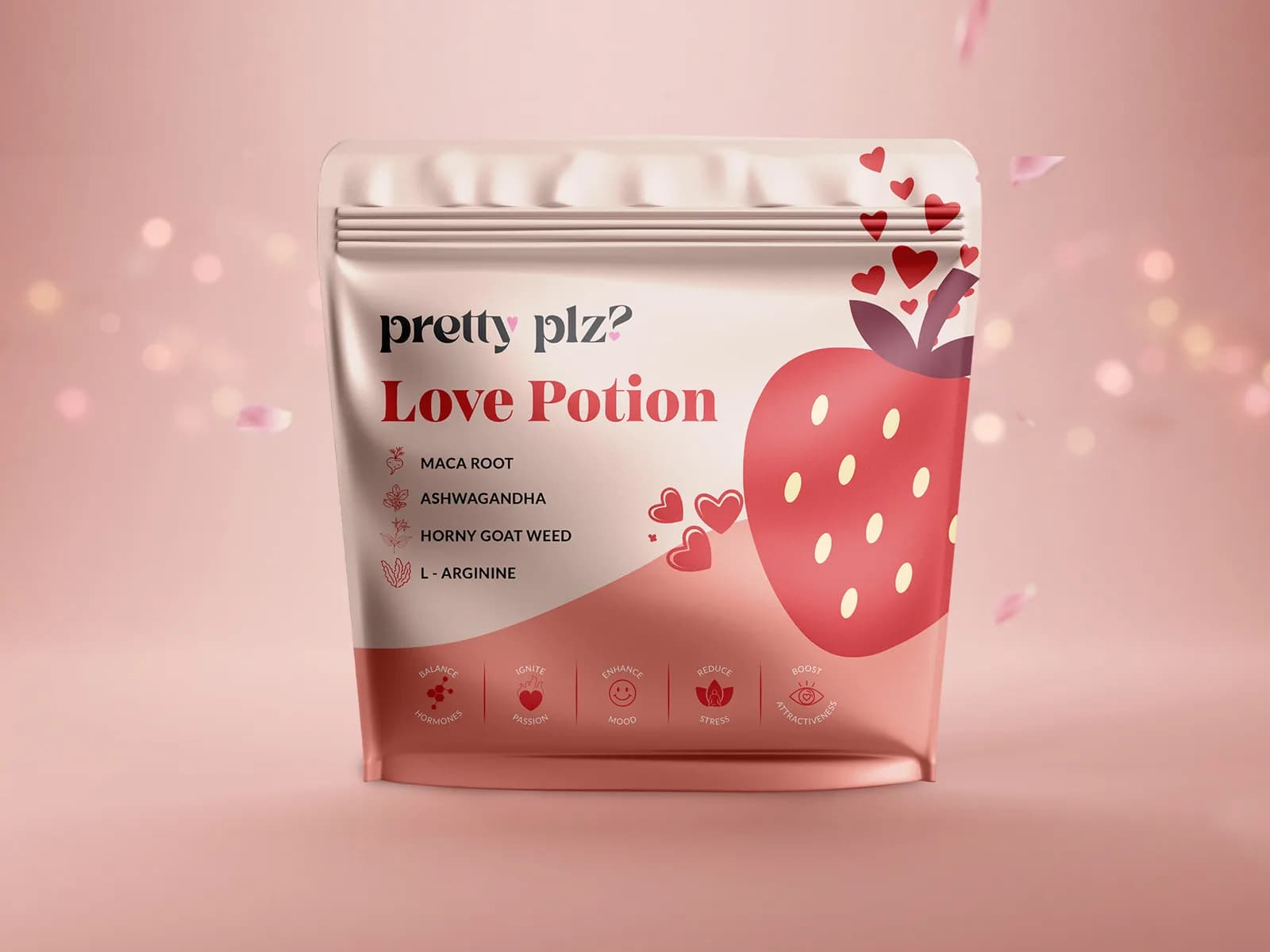

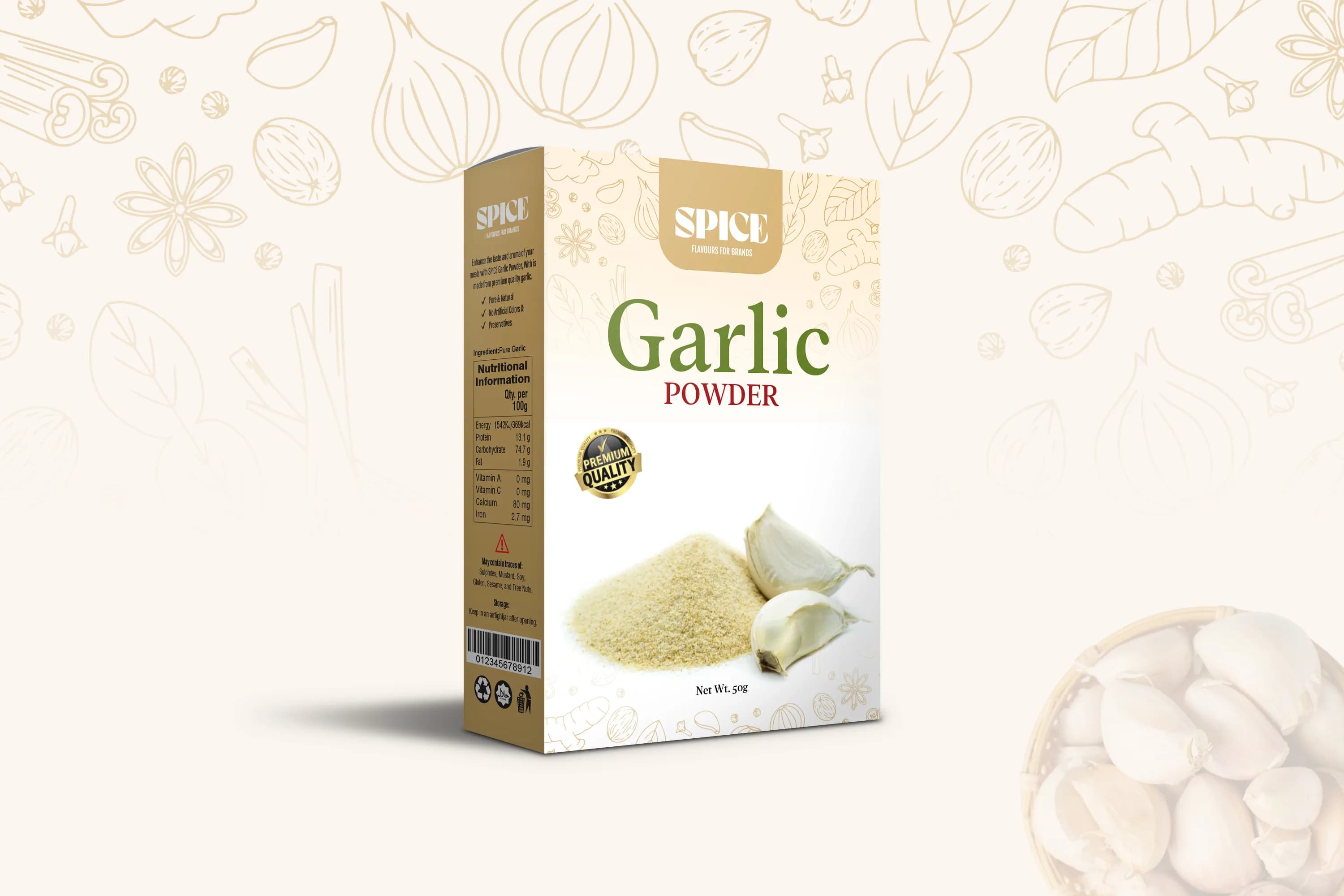
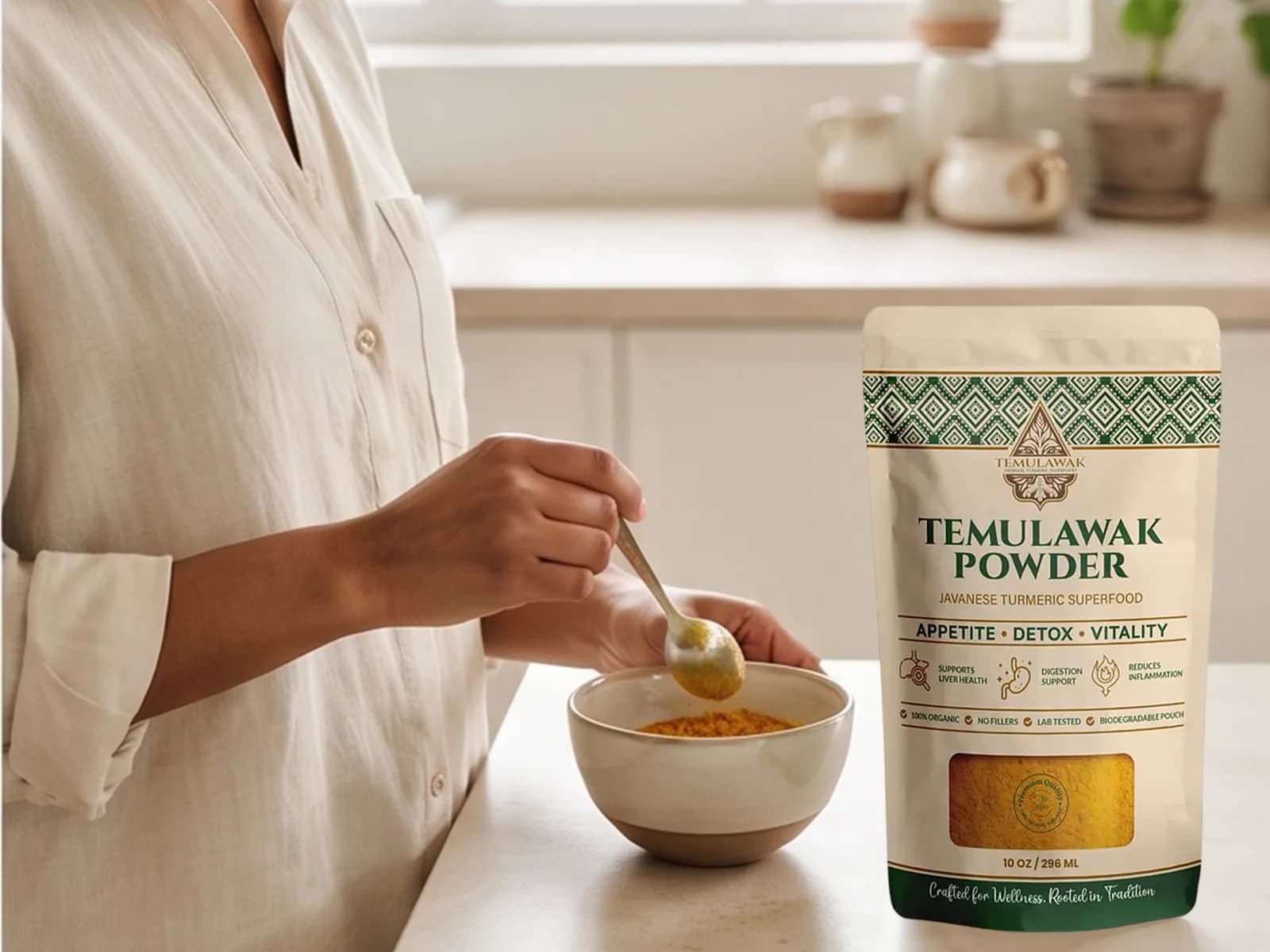
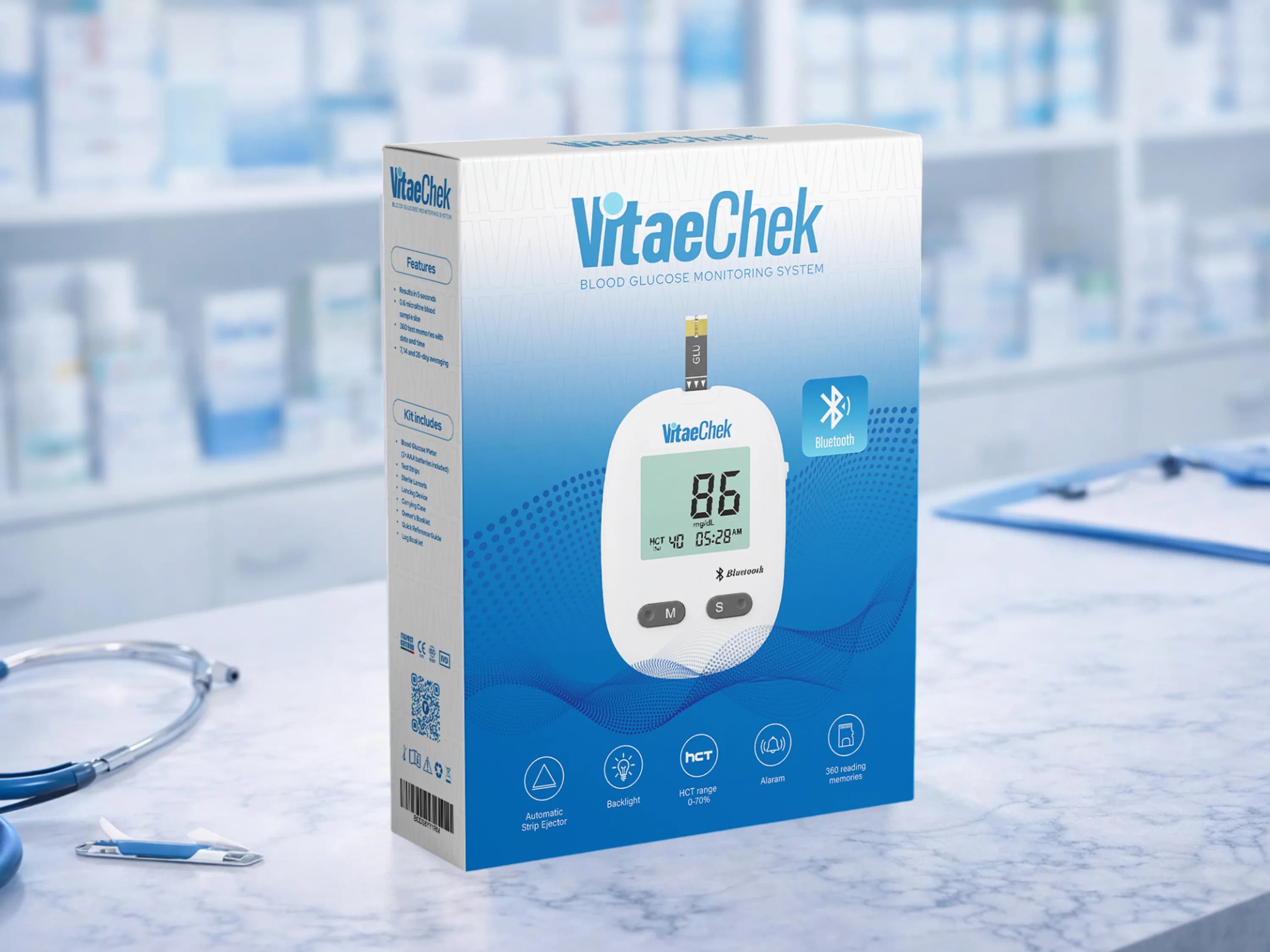
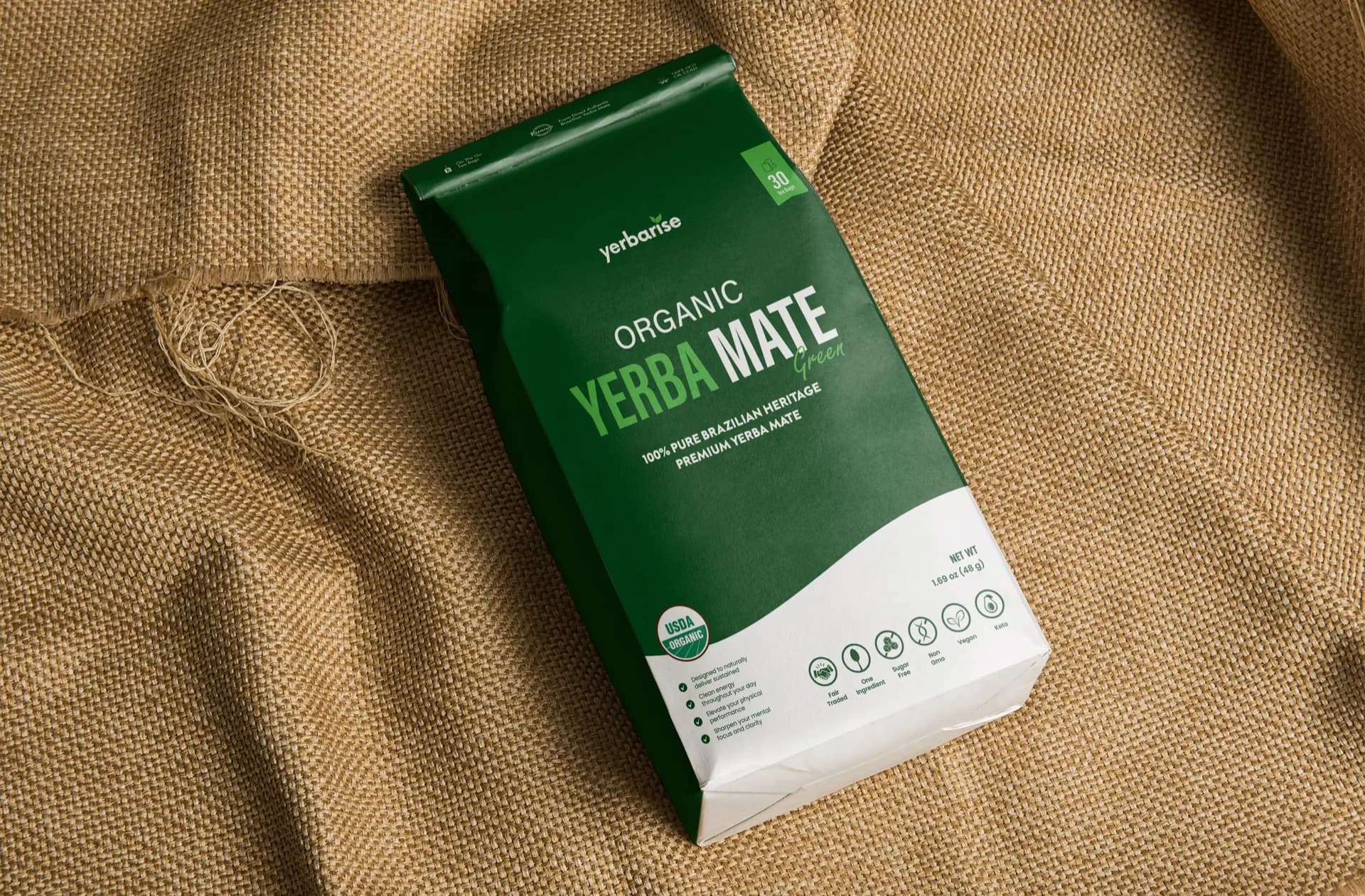
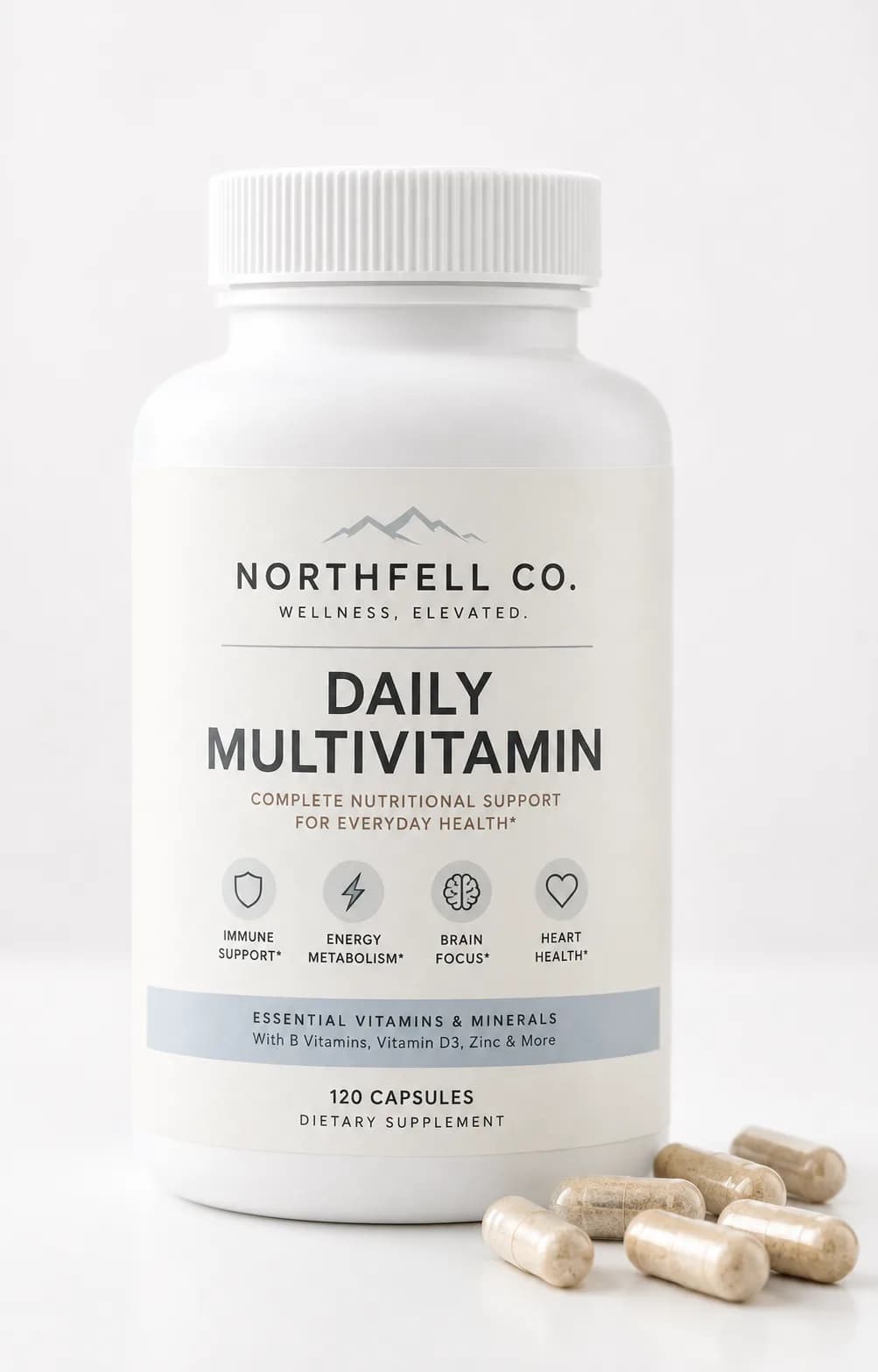
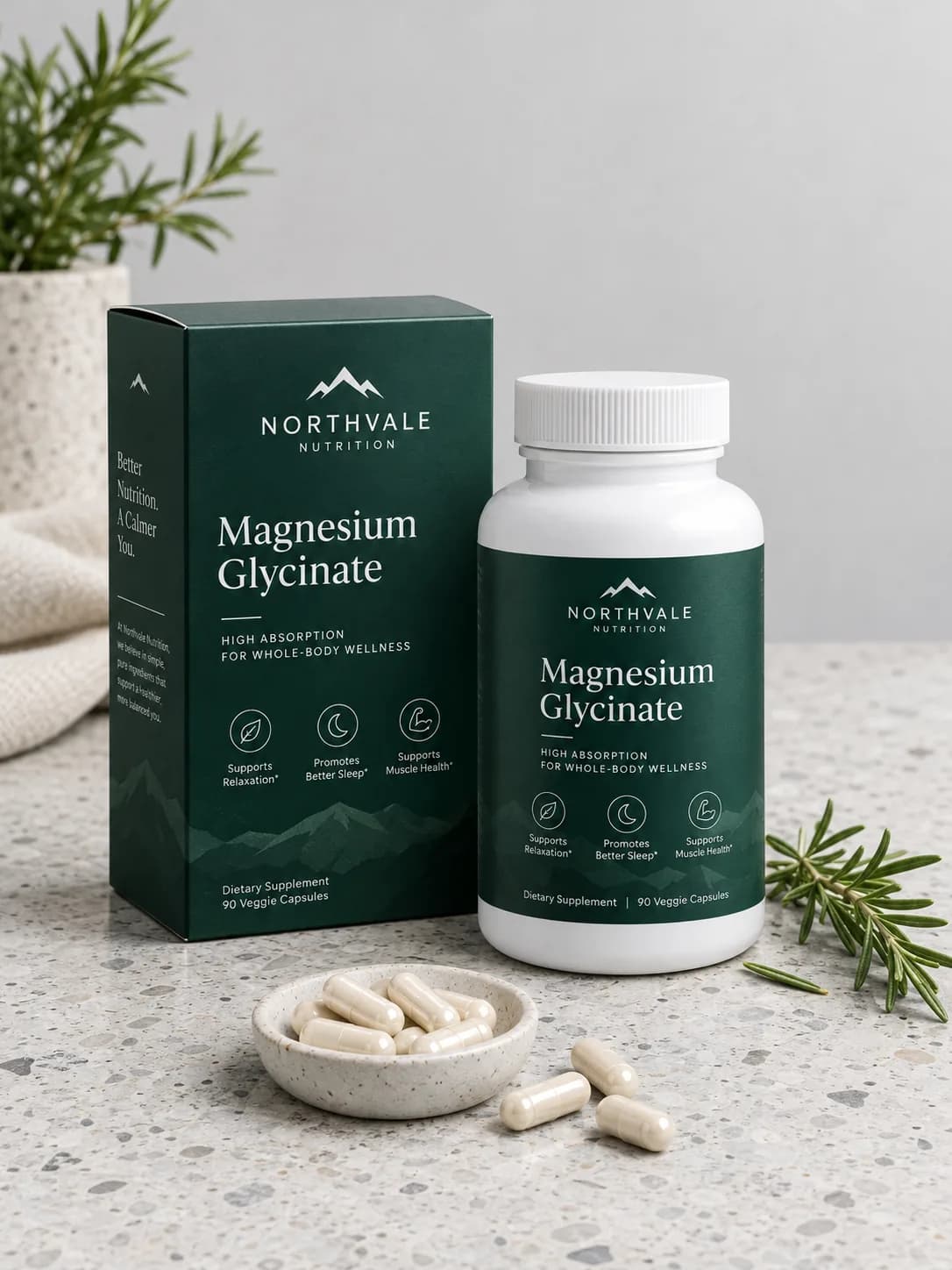
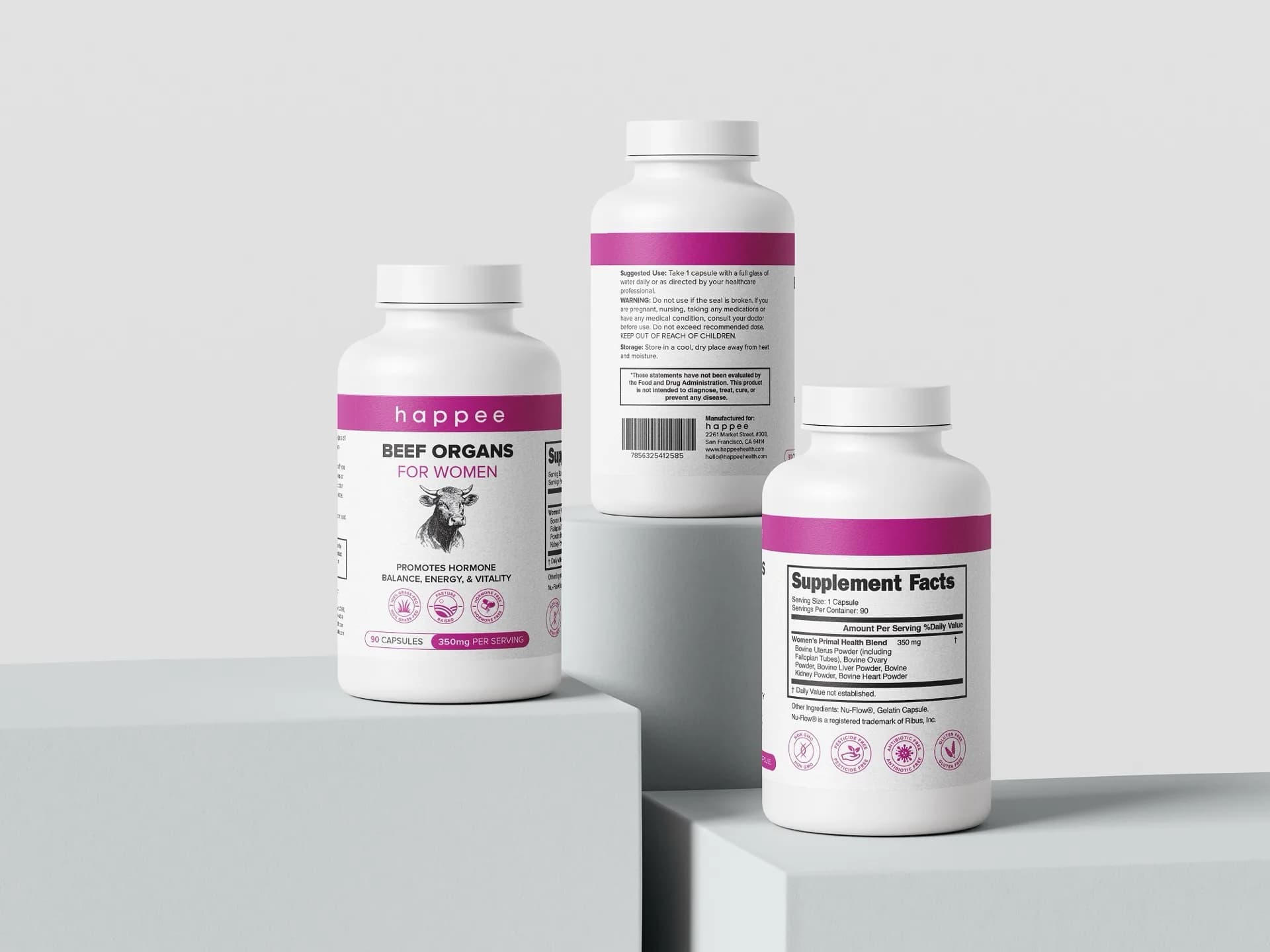
We're always-on to deliver the
packaging you want, when you need it
Label artwork laid out for FDA requirements
Supplement facts panel
Print-ready bottle label files
3D bottle and pouch mockups
CMYK and Pantone specifications
Supplement Packaging Design: The Complete Guide
A complete reference for brand managers, designers, and marketers making packaging decisions.
The regulatory complexity of supplement packaging
The DSHEA framework
The challengeSupplement packaging is governed by DSHEA (1994) and FDA regulations at 21 CFR Part 101. The category has significant commercial freedom — no pre-market approval required — but strictly enforced labelling requirements that must be met precisely to avoid regulatory action.
Our approachWe apply the DSHEA labelling framework from the first concept stage — Supplement Facts panel format, structure/function claim rules, mandatory disclaimer placement — so the required elements are built in, not bolted on after the design is finalised.
Retailer compliance is a second gate
The challengeNon-compliance is not only a regulatory risk. Amazon, Walmart, Whole Foods, and most major supplement retailers have their own compliance review processes. A label that fails retailer review doesn't get listed — and a listing that triggers a complaint gets pulled without warning.
Our approachWe review supplement labels against both FDA requirements and major retailer compliance standards before print — because a label that's technically FDA-compliant can still fail an Amazon or Whole Foods listing review on specific formatting grounds.
The Process
The Supplement Facts panel: what it requires
The Supplement Facts panel is the regulatory core of any supplement label. Unlike the Nutrition Facts panel for food, the Supplement Facts panel must include every ingredient that contributes to the product's function, not just macronutrients. It has a specific prescribed format defined at 21 CFR Part 101.36.
Serving size and servings per container
Serving size must be stated in the unit appropriate to the product — capsules, tablets, softgels, scoops, millilitres, grams — and must match the serving size used for all nutrient declarations in the panel. Servings per container must be declared. Both must appear at the top of the panel. Common errors: serving size in the header doesn't match ingredient amounts in the body; servings per container is missing or incorrect.
Dietary ingredients and daily values
Ingredients with an established Reference Daily Intake (RDI) or Daily Reference Value (DRV) must declare the amount per serving and the percentage of daily value (%DV). Ingredients without an established DV — most botanical extracts, amino acids not at RDI levels, proprietary blends — must declare amount per serving but show a dagger symbol (†) in place of a %DV, with the footnote "Daily Value not established" below the panel. Getting this distinction wrong is extremely common and creates immediate compliance failure.
Other ingredients
Inactive ingredients — fillers, binders, flow agents, capsule material, flavouring — must be declared in an "Other Ingredients" list below the Supplement Facts panel, in descending order of weight. This includes the capsule material (e.g. "Vegetable Cellulose (Capsule)") which is mandatory and frequently omitted in early design rounds. Kosher, vegan, and allergy claims often turn on what appears here.
Structure/function claims and the DSHEA disclaimer
DSHEA permits structure/function claims — statements about the role of an ingredient in normal body function — without FDA pre-approval. Claims like "supports immune health," "promotes joint comfort," or "helps maintain healthy cholesterol levels already within normal range" are permitted, but they must be truthful, substantiated, and accompanied by a mandatory disclaimer: "This statement has not been evaluated by the Food and Drug Administration. This product is not intended to diagnose, treat, cure, or prevent any disease." This disclaimer must be prominent and conspicuous on any panel carrying a structure/function claim.
Contact information and net quantity
The name and place of business of the manufacturer, packer, or distributor must appear on the label. Net quantity of contents — stated in terms of weight, measure, or count (e.g. "60 Capsules") — must appear on the principal display panel. The statement of identity — the name of the dietary supplement — must also appear on the PDP and on any information panel where the Supplement Facts panel appears.
Commercial Effectiveness
What makes supplement packaging effective commercially
The supplement market has specific design dynamics that differ from food or cosmetics. Trust is the primary purchase driver — consumers are putting something inside their body, and the packaging must communicate credibility, quality, and transparency before any claim is read.
The supplement shelf is one of the most visually noisy environments in retail. Many brands compete by adding more — more claims, more certifications, more ingredient callouts, more visual complexity. The brands that consistently outperform are the ones that edit ruthlessly: three claims instead of ten, a clean Supplement Facts panel instead of an overwhelming one, a colour palette that signals quality rather than urgency. Trust is communicated through restraint, not volume.
The secondary purchase driver is efficacy signal — the consumer must believe the product will work. This comes from ingredient transparency (full disclosure of ingredient amounts, not proprietary blends where possible), clinical evidence callouts where substantiated, dosage clarity, and brand authority signals such as third-party testing certifications (NSF, Informed Sport, USP).
- Certifications worth featuring. NSF Certified for Sport and Informed Sport are critical for sports nutrition brands targeting serious athletes. USP Verified is a high-credibility signal in general wellness. CGMP compliance and third-party testing claims are lower-specificity but still contribute to trust. Don't feature certifications the product doesn't hold.
- Dosage clarity. Professional-quality supplement packaging makes it immediately clear what dose the consumer is taking. This is particularly important for single-ingredient products where clinical dosages are well-established — a magnesium label where you have to do arithmetic to understand the actual elemental magnesium content per serving will lose to a competitor whose label makes it obvious.
- Stack compatibility. Supplement consumers frequently take multiple products. Packaging that communicates what's in the product (full ingredient disclosure) helps stack-aware consumers make faster decisions. Proprietary blend formulations are a commercial disadvantage with this audience.
Formats
Format decisions in supplement packaging
Supplement packaging format is primarily driven by the physical form of the product, but there are commercial and cost considerations that affect the final specification.
- Bottle and label (capsules, tablets, softgels, gummies). HDPE or PET bottles with pressure-sensitive labels are the dominant format. Label print quality — particularly Supplement Facts legibility at small type sizes — is the primary technical constraint. Child-resistant closures are required for certain categories.
- Stand-up pouches (powder). Powder products — protein, creatine, pre-workout — use flexible pouches with a resealable zipper. Large front panels carry brand and flavour information; back panels carry the full Supplement Facts panel, ingredient list, and directions. Panel area must accommodate a full Supplement Facts panel at regulatory minimum type size.
- Sachet and stick-pack. Single-serving formats. Very limited panel area for compliance elements — requires careful layout planning to fit all mandatory elements at minimum legal type sizes. Often supplemented with outer carton carrying the full Supplement Facts panel.
- Outer carton. Bottled supplements often use an outer carton for retail shelf presence and additional marketing real estate. The carton carries the Supplement Facts panel, but the bottle label must also be complete and compliant as a standalone unit.
Got Any Questions?





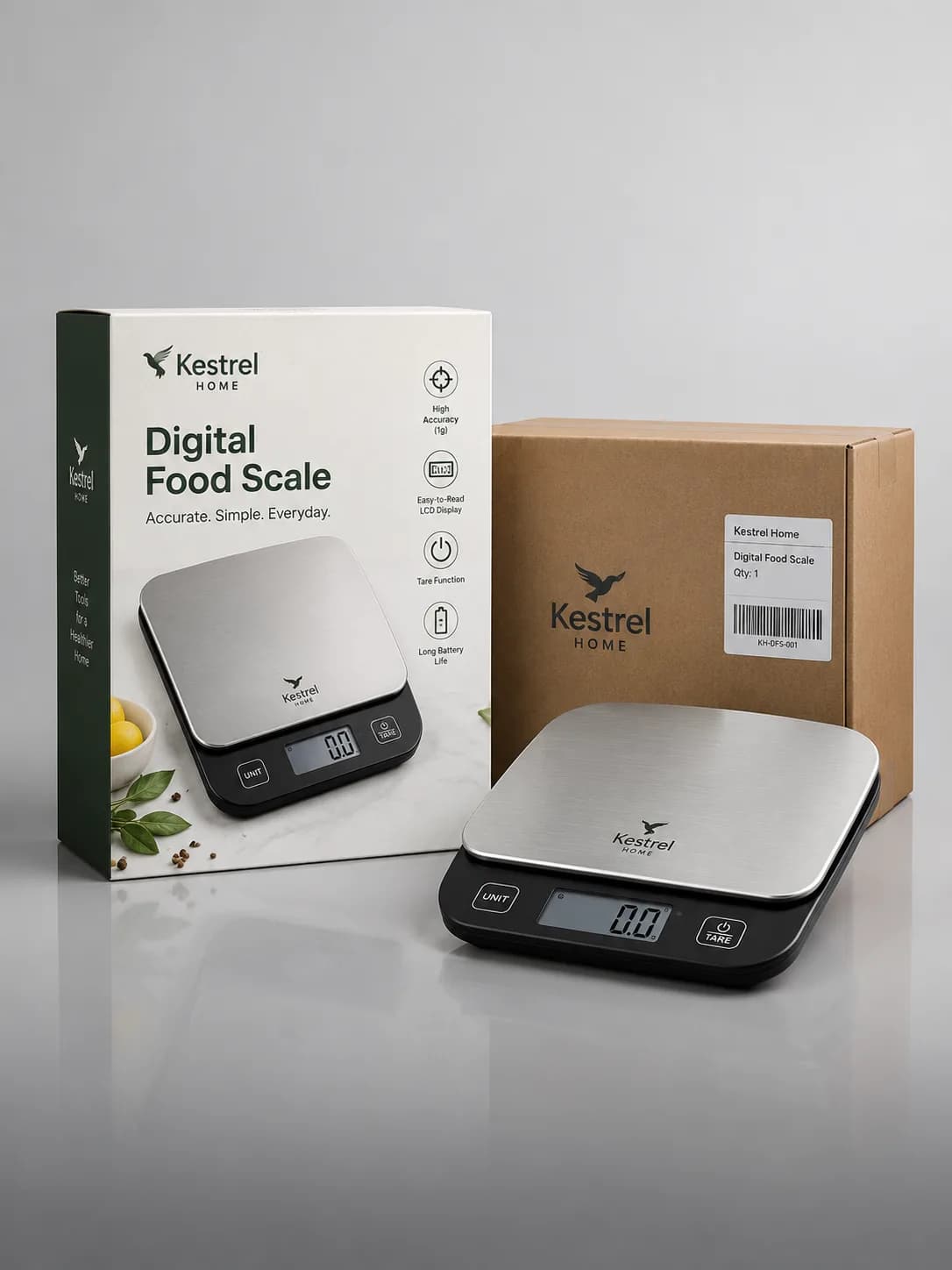
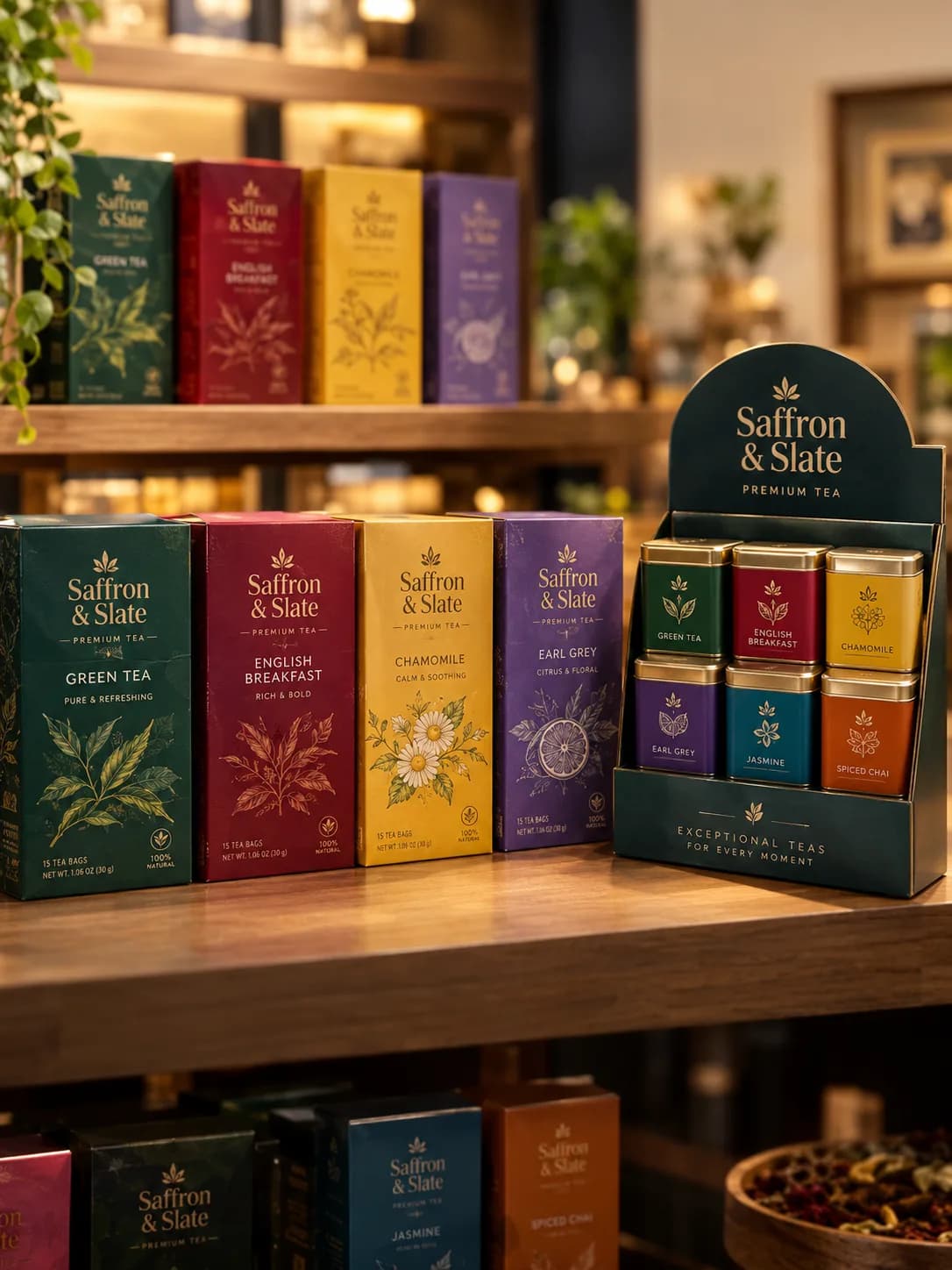
Your packaging deserves
better than “good enough.”
Book a free 15-minute call and we'll scope your packaging together — or send us a message to get started.