
Service
Jar Label Design
Labels designed for the jar, not just the screen.
Jar labels present unique design challenges — curved surfaces, multiple viewing angles, and the need to communicate compliance information in limited space. We design jar labels that look beautiful on the shelf and pass every regulatory check.
Quick Answer
Jar label design creates wrap-around or panel label artwork for glass and plastic jars — with correct curvature compensation, compliance panels, and substrate-matched print files for food, supplement, and cosmetic products.
What's Included
Everything delivered, as standard
Every Jar Label Design project includes these deliverables — no extras, no upsells, no surprises.
Packaging expertise across
7 product categories
Food & Condiments
Honey & Preserves
Cosmetics & Skincare
Candles & Home
Supplements
CBD Topicals
Hair Care
Jar Label Design
Labels designed for the jar, not just the screen.
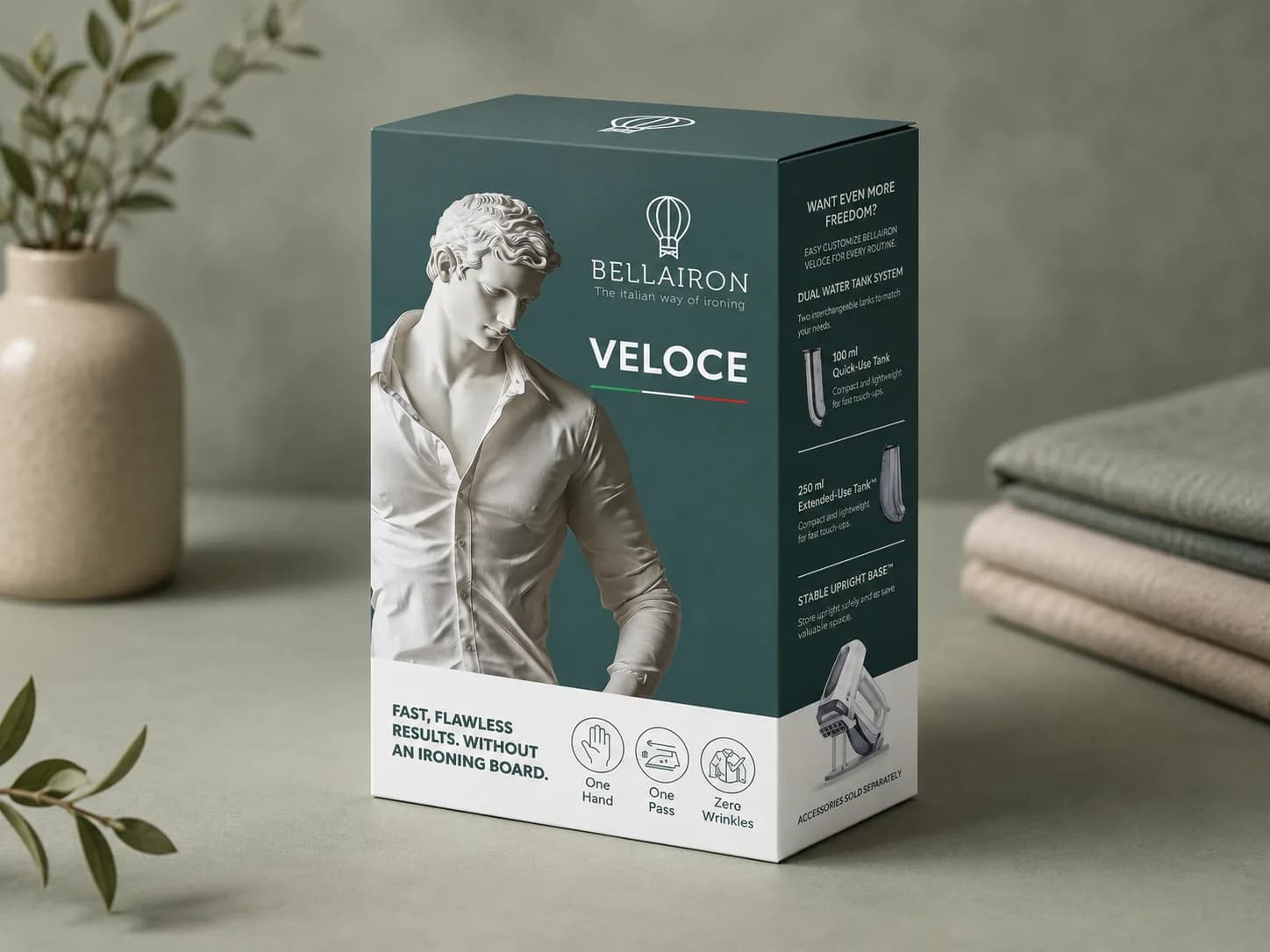
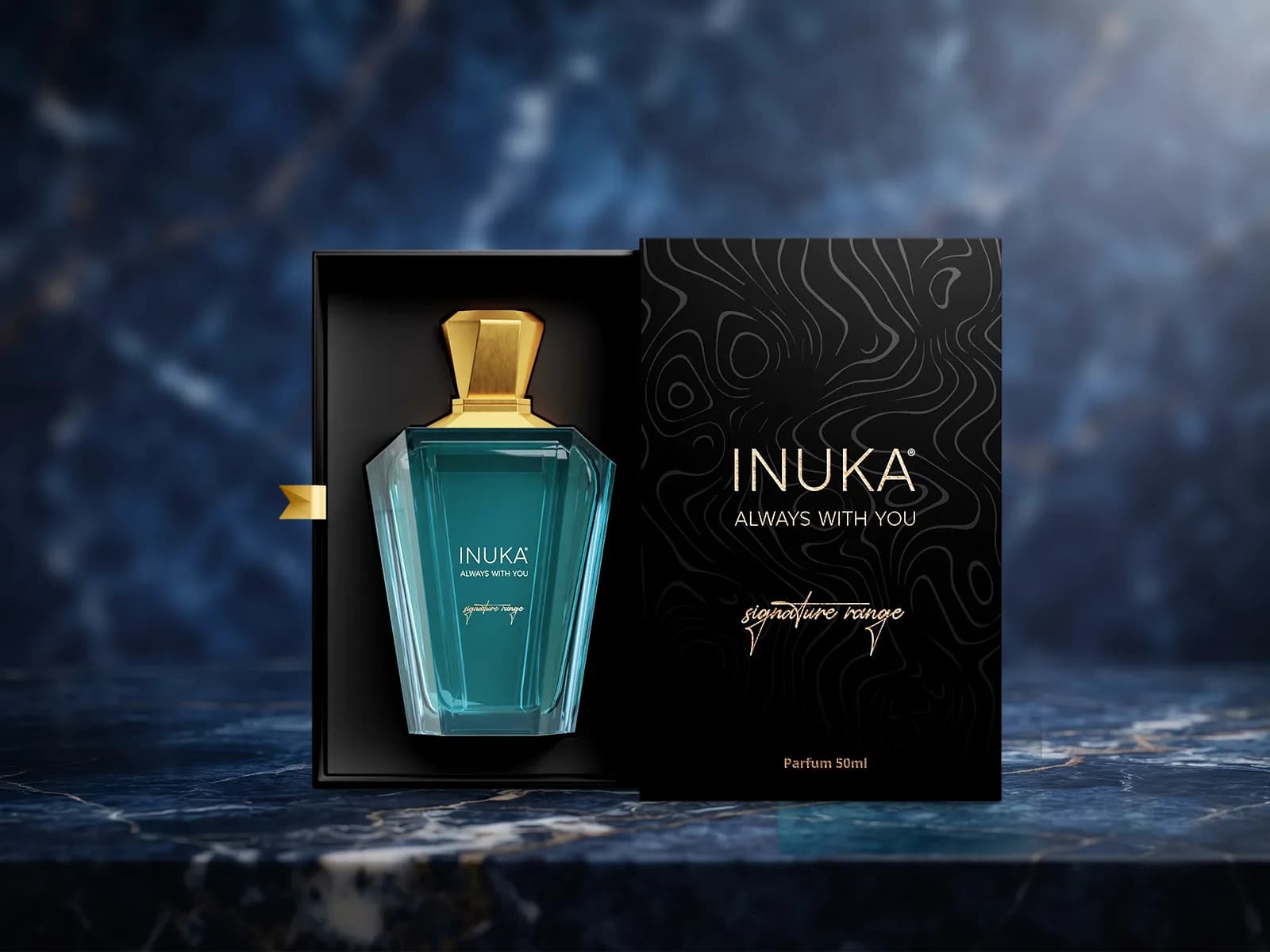
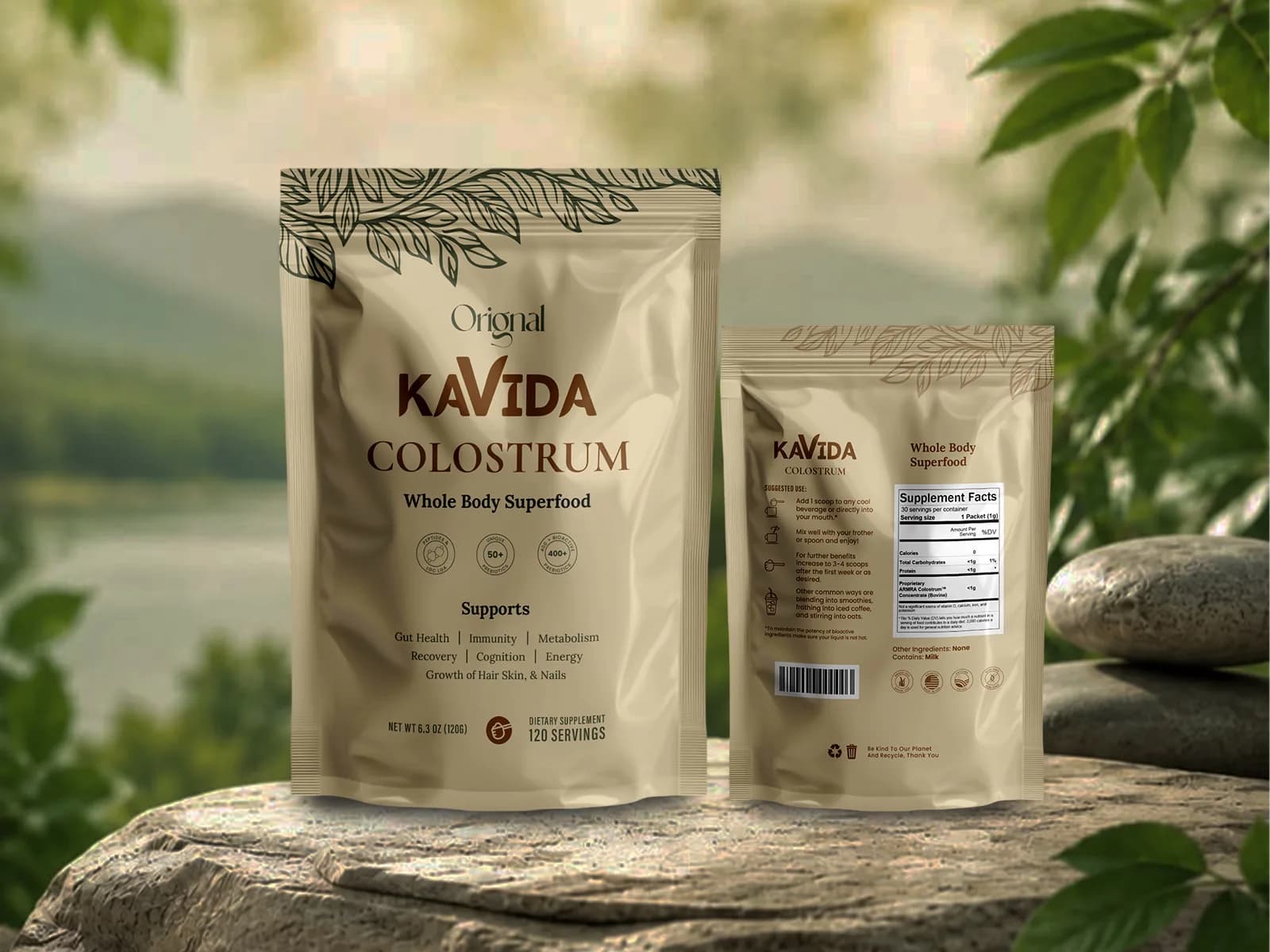
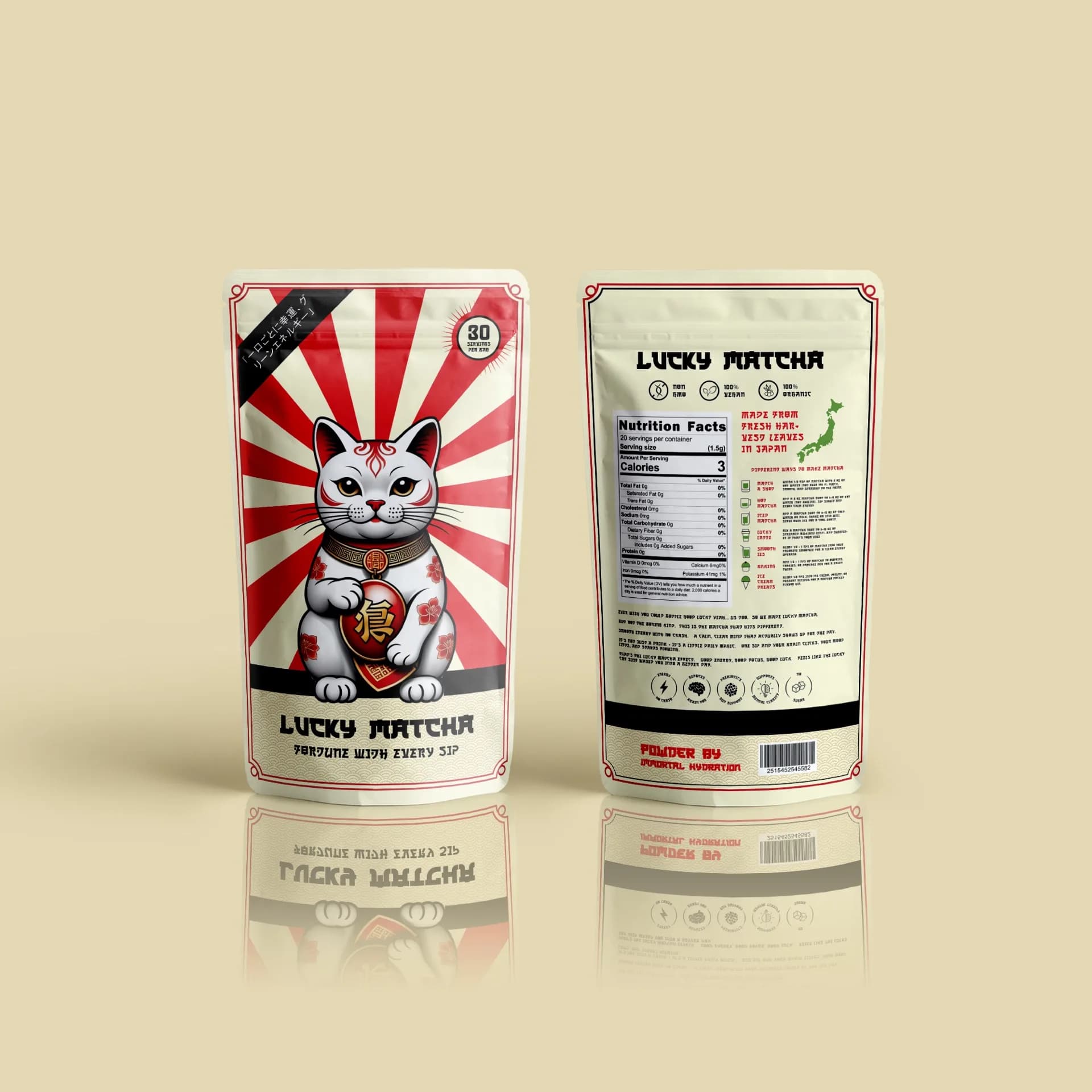
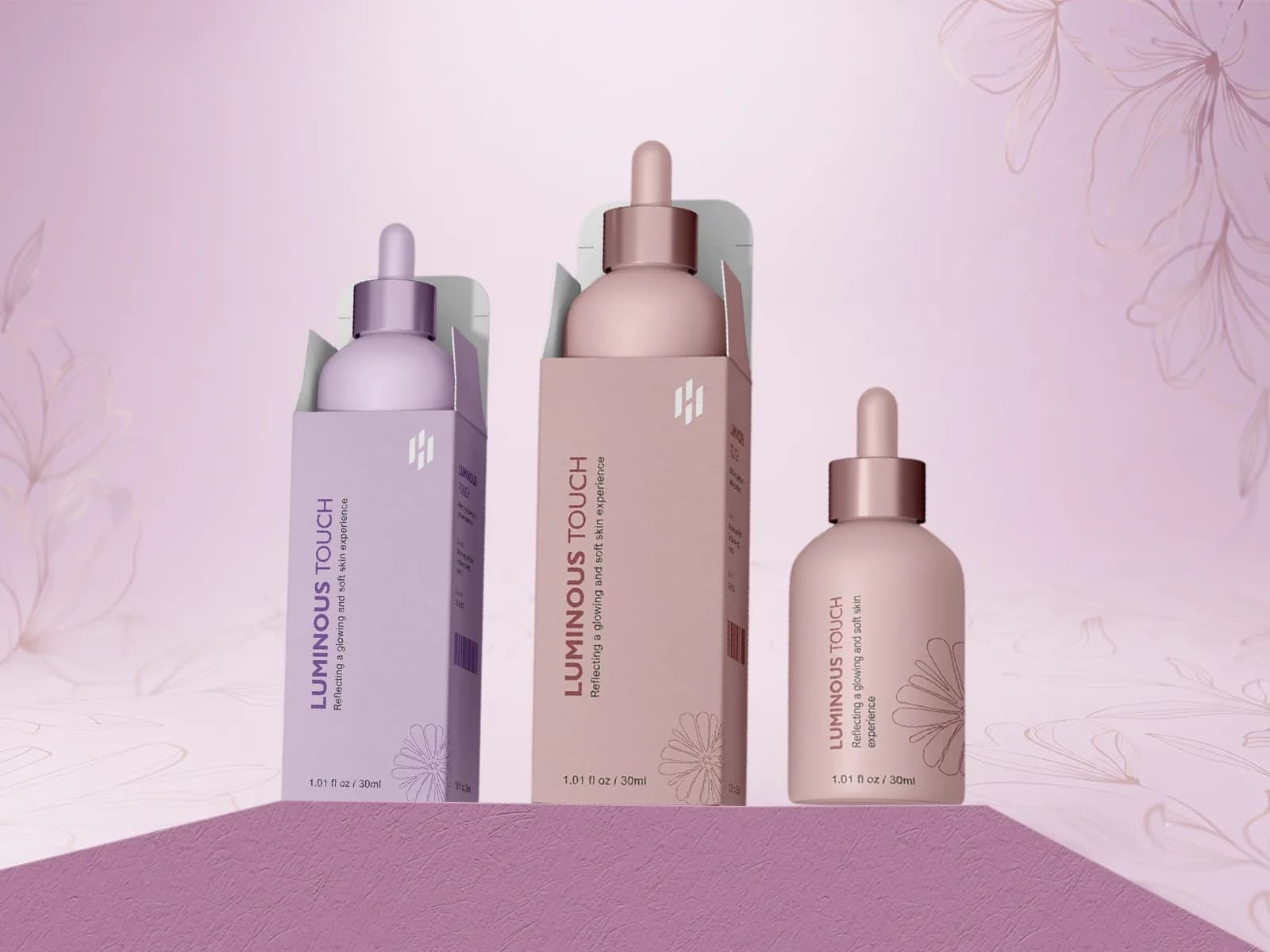
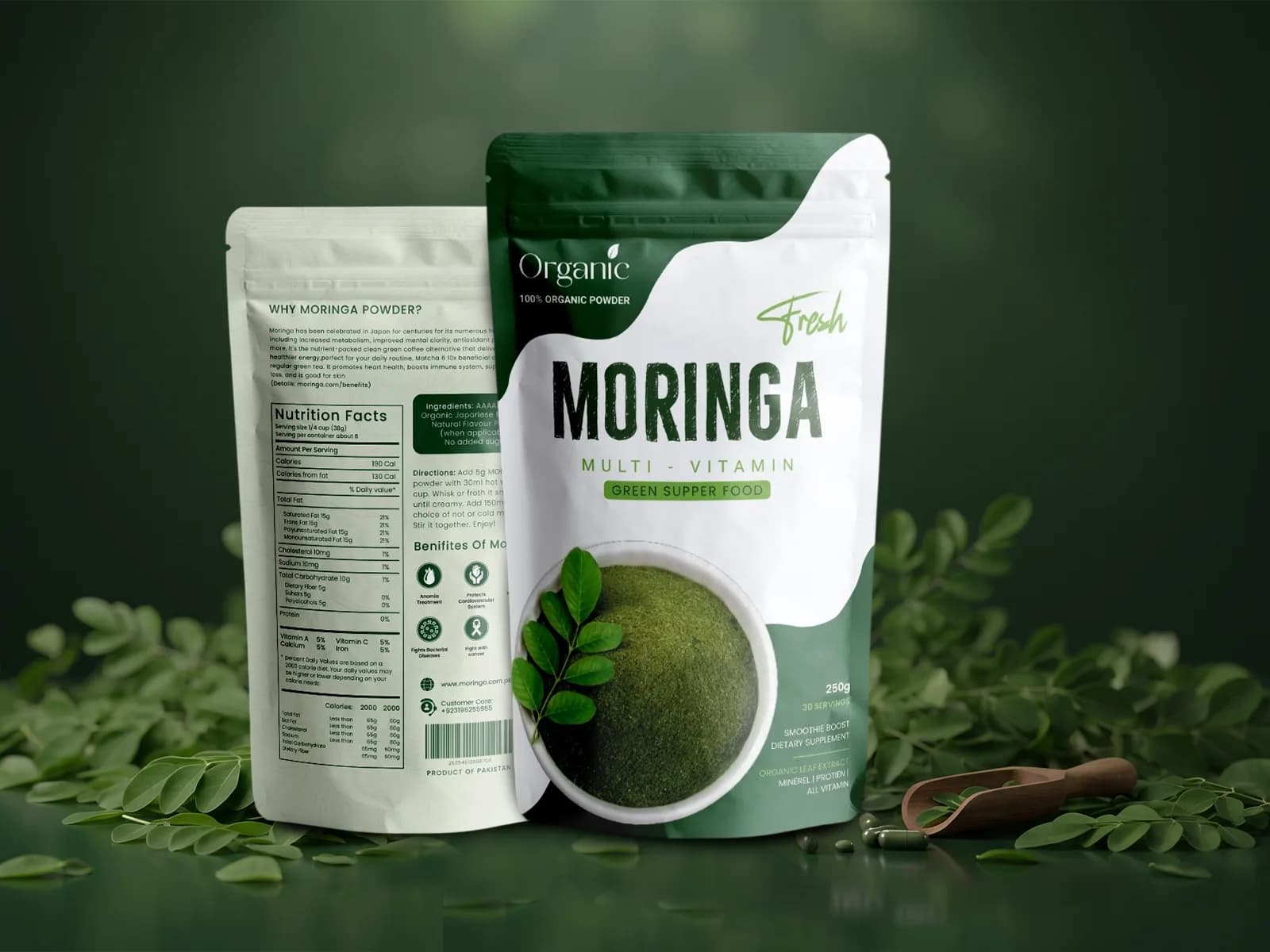
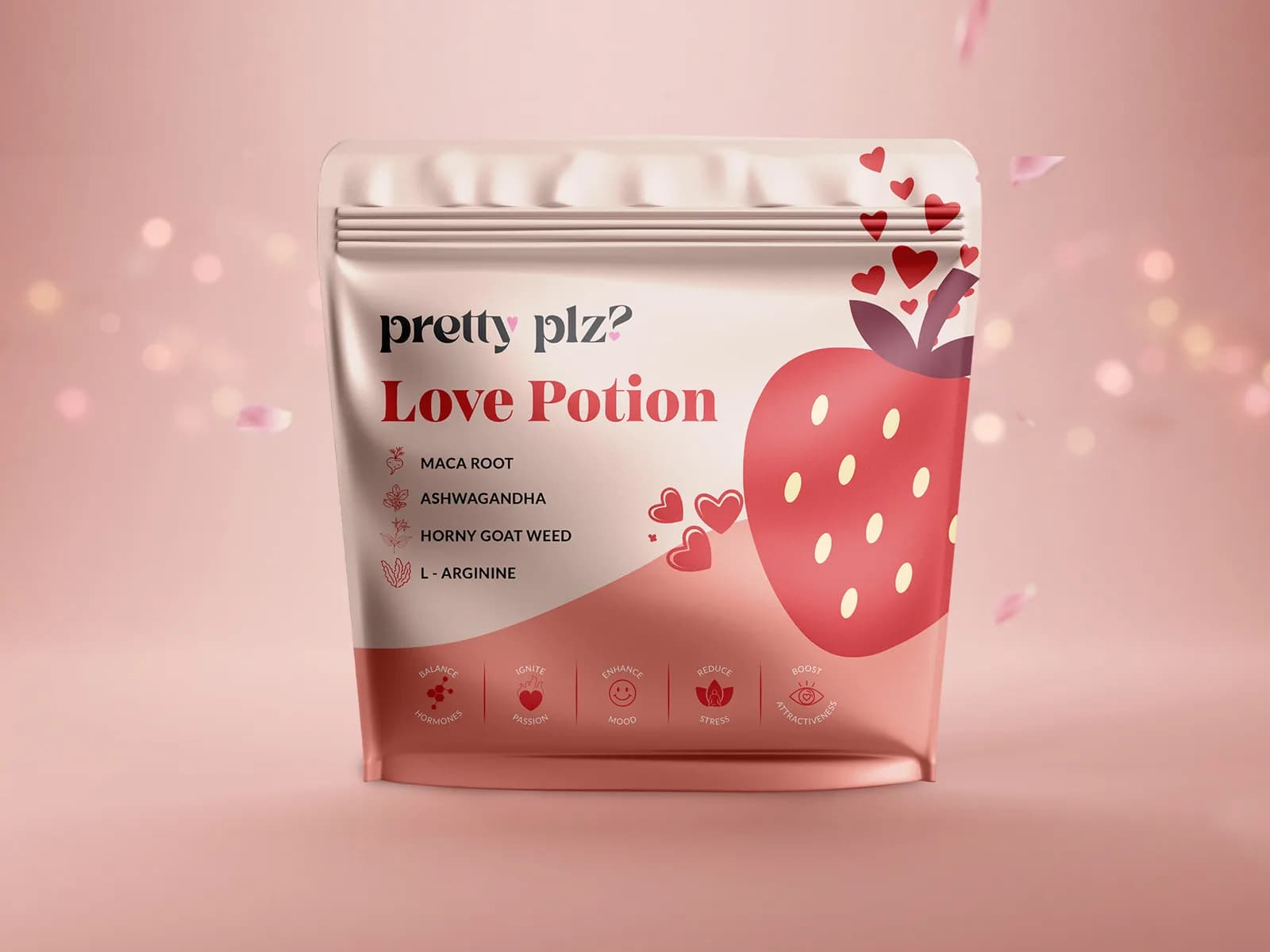
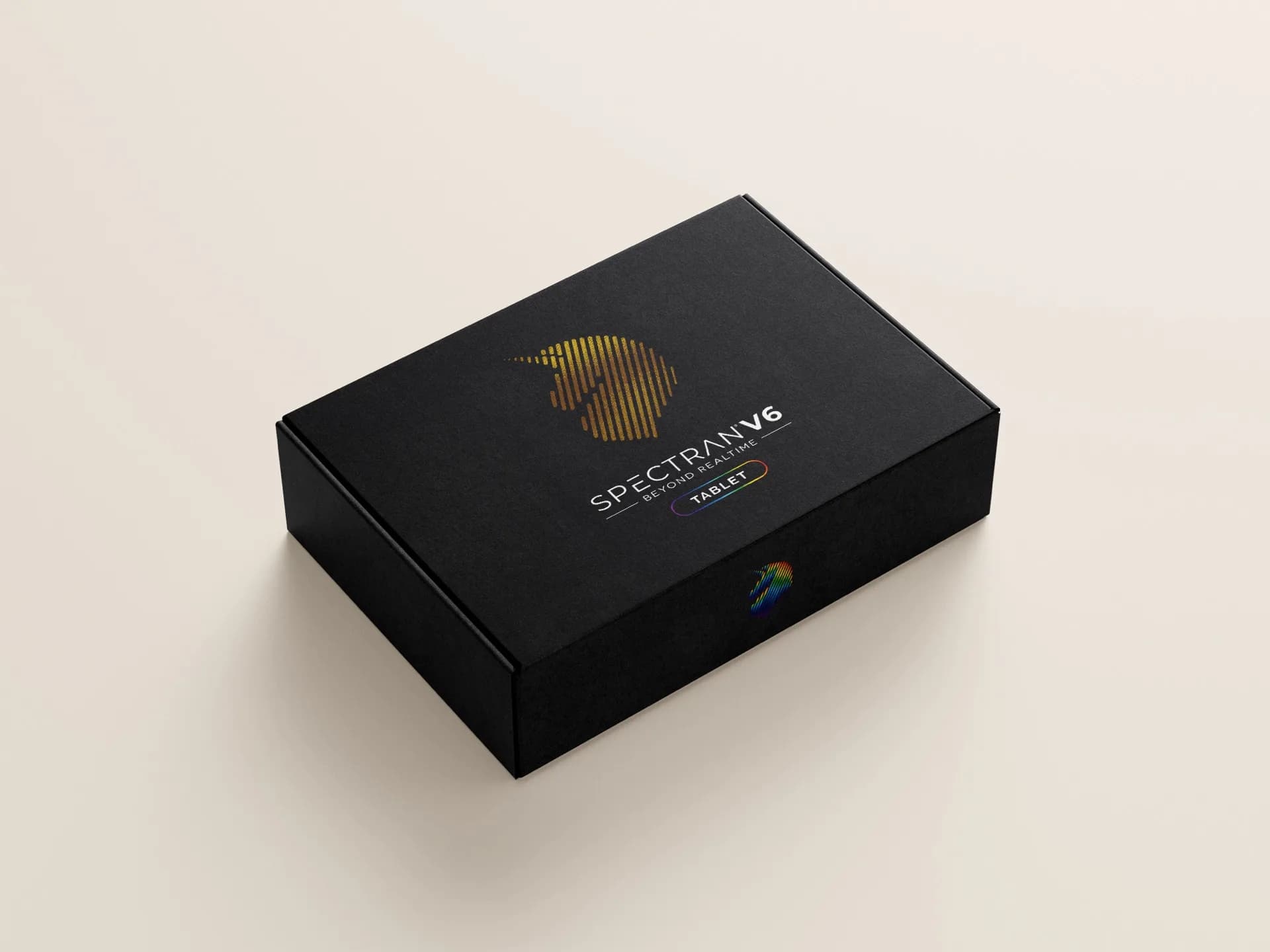
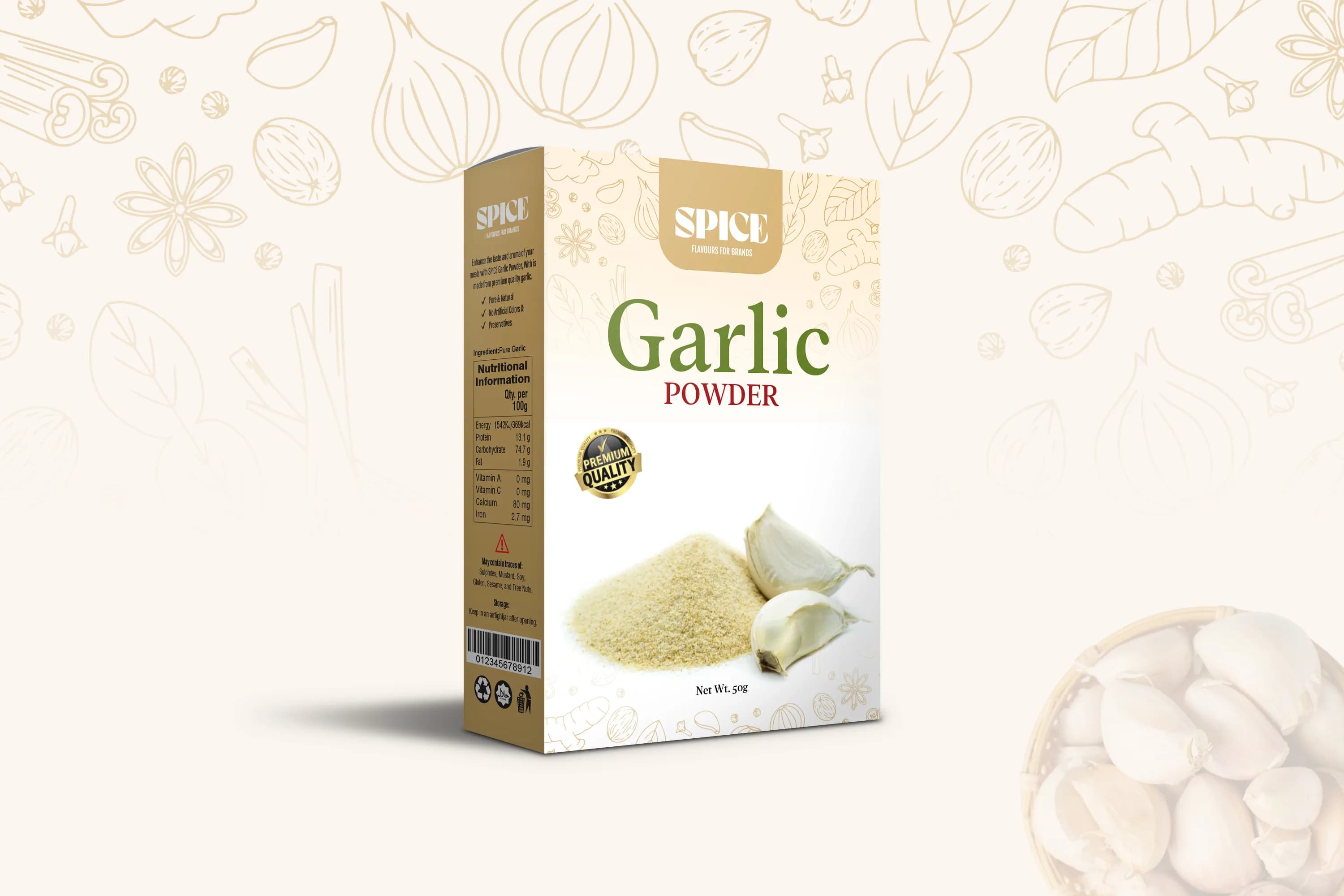
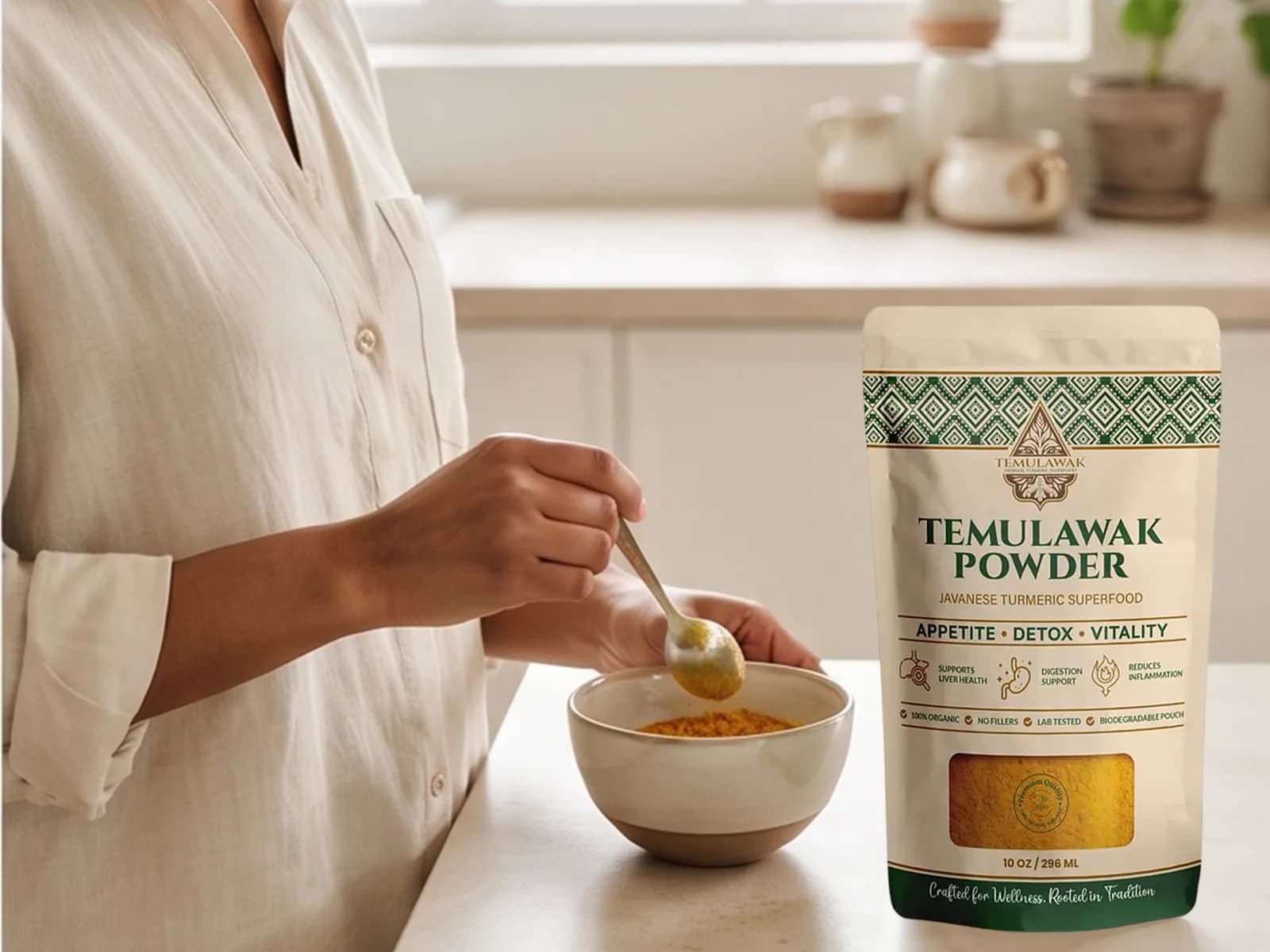
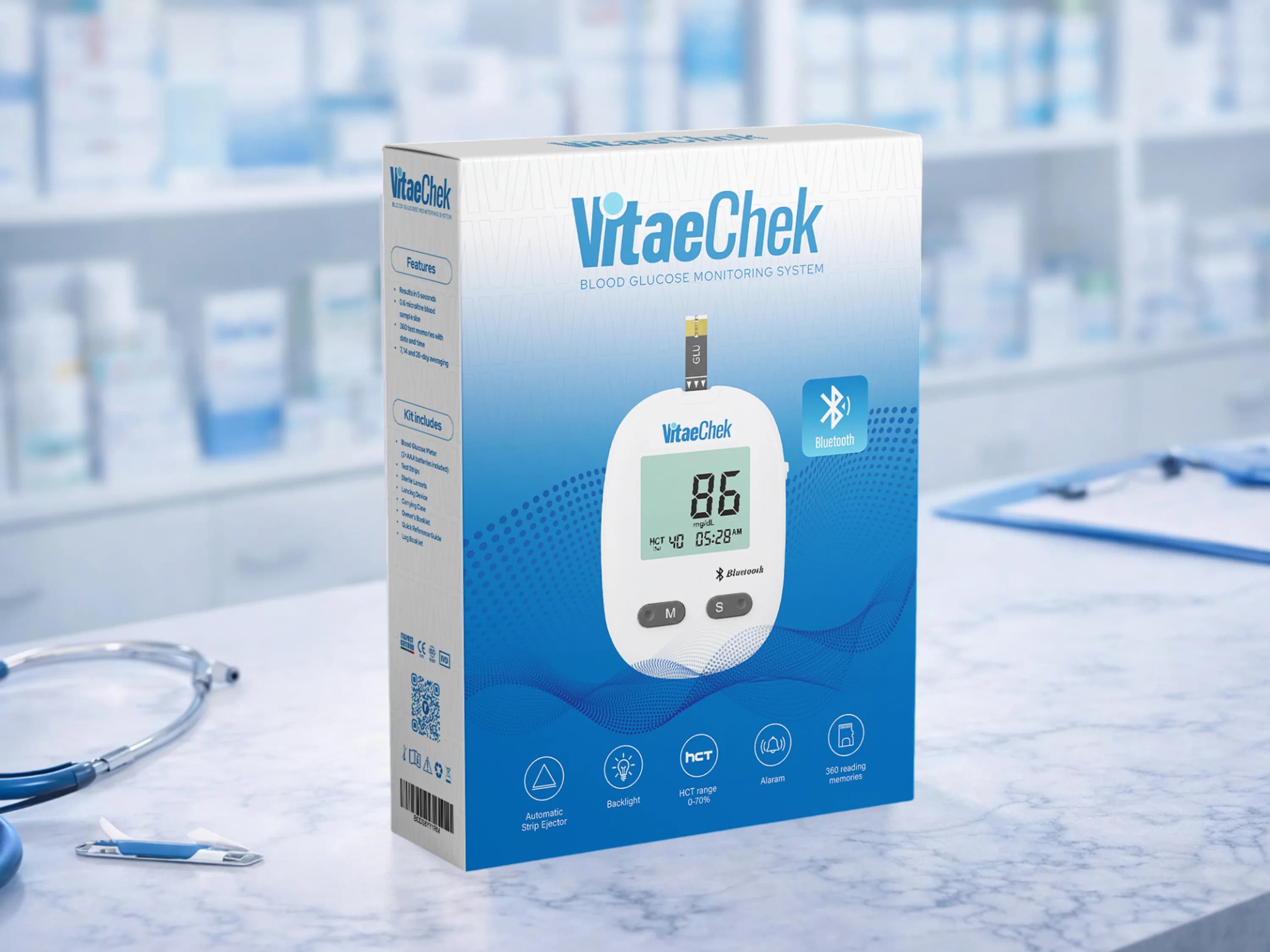
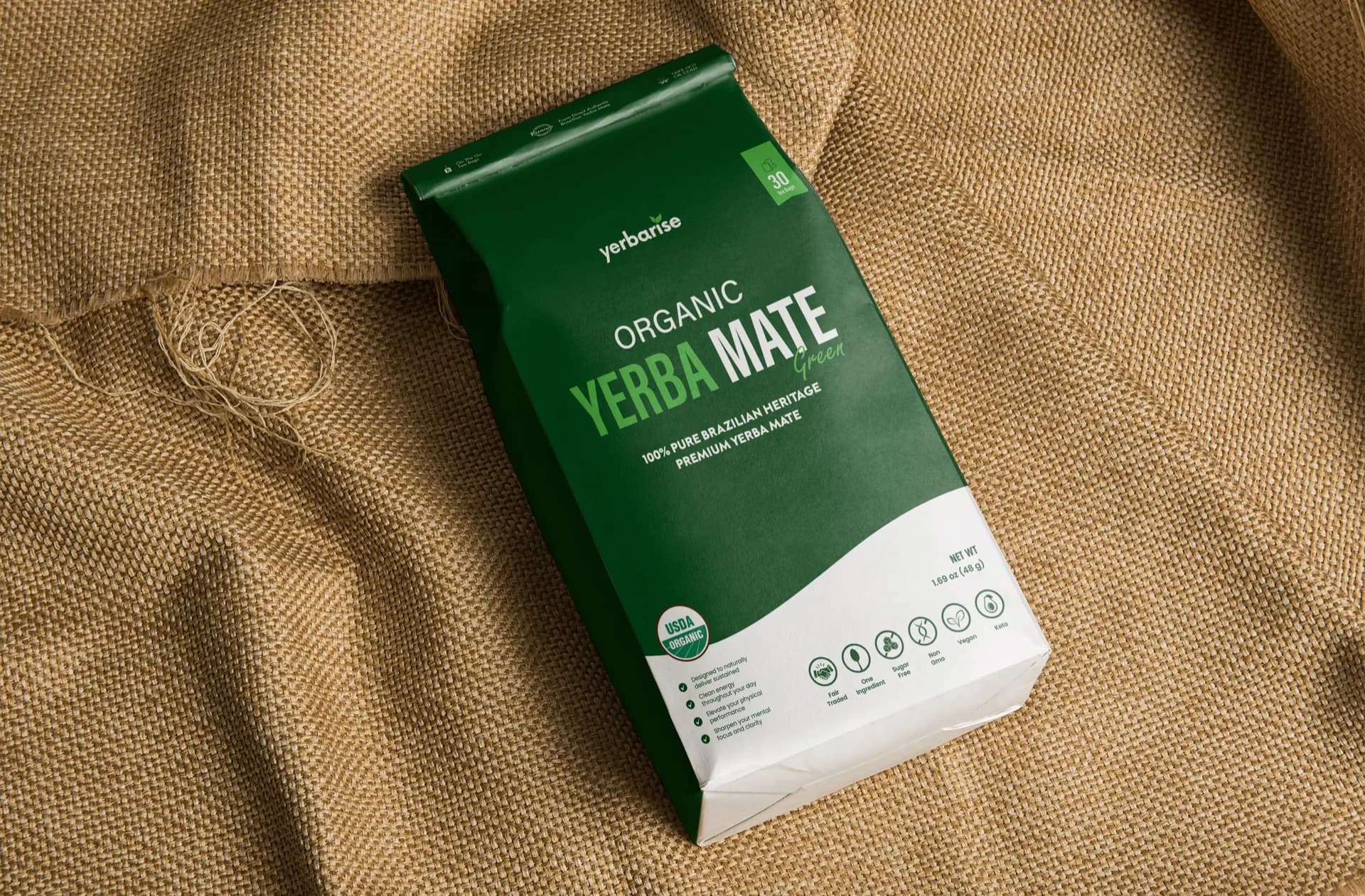
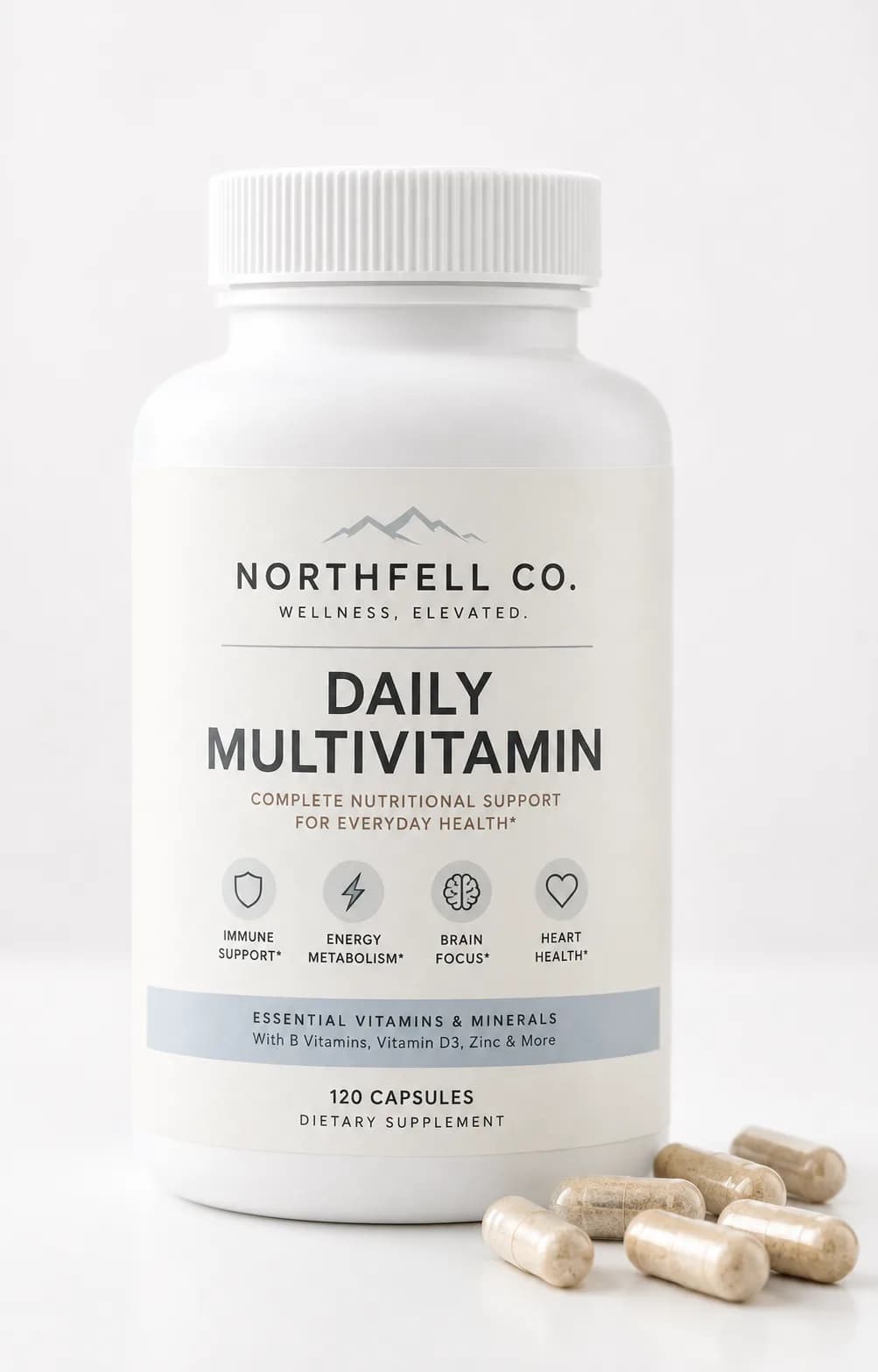
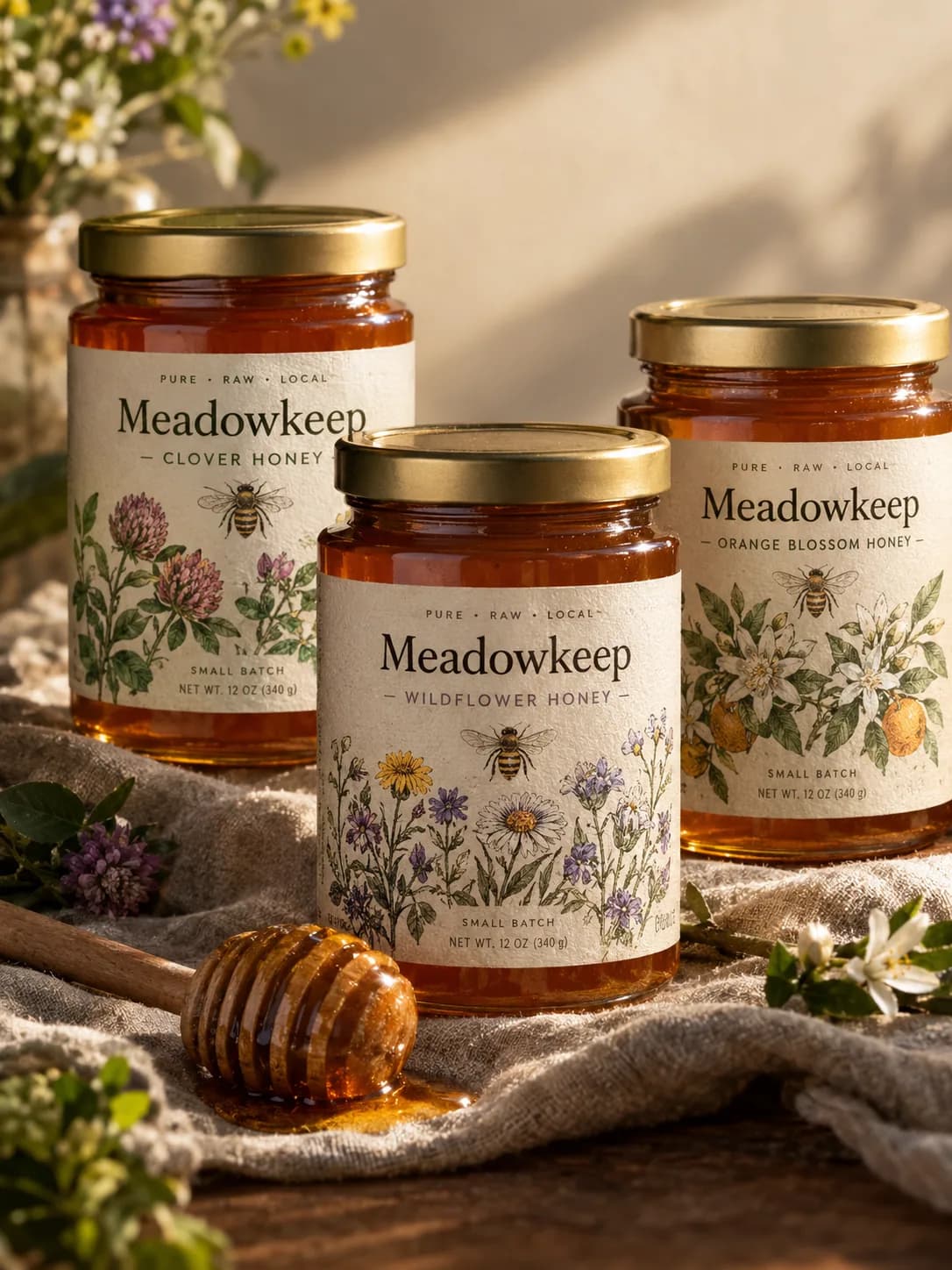
We're always-on to deliver the
packaging you want, when you need it
Print-ready jar label artwork
Label dieline for your jar specification
Lid sticker artwork
3D jar label mockups
CMYK and Pantone print files
Jar Label Design: The Complete Guide
A complete reference for brand managers, designers, and marketers making packaging decisions.
The Category
Why jar labels need their own approach
A jar is a cylinder, often tapered, sometimes with a pronounced shoulder. The label wraps around that curve, so nobody ever sees all of it at once. Text near the edges bends out of view.
Jars also stick around. A jar of honey, face cream or chutney might sit in a cupboard for months and be opened dozens of times. The label has to cope with handling, sticky fingers, fridge condensation or bathroom steam, and still look good on day ninety.
Many jar products sell at markets, farm shops and delis as well as supermarkets. There, shoppers pick the jar up and read the back, so a clear, honest back label does real selling.
The visible window
The challengeOn a round jar, only a strip of the label faces the shopper. Anything placed toward the sides drops out of sight on shelf.
Our approachWe map the visible front zone for your jar's diameter and keep the brand, product name and main claim inside it, using the sides and back for everything else.
Labels that stay put
The challengeCondensation, oils, freezing or a dishwasher can lift or wrinkle a label that wasn't chosen for the conditions.
Our approachWe ask how the jar will be stored and used at the brief, so you and your label printer can choose a face stock and adhesive that suit the jar and its contents.
Design Decisions
Label formats, materials and the rules
The jar's shape decides which label formats are possible. Get the exact jar drawing from your supplier before any design starts. Jars that look identical can differ by a few millimetres, and that's enough to spoil a wrap-around label.
- Front and back labels. Two separate labels leave glass visible between them, so the product shows through. That's ideal for honey, preserves and anything that looks appetising.
- Wrap-around labels. One label running most of the way round. More room for copy, but less of the product is visible, and they're harder to apply neatly on tapered jars.
- Lid labels and seals. A lid label is what people see from above in fridges, gift boxes and market stalls. A tamper-evident strip over the lid adds reassurance for food and cosmetics.
- Label materials. Paper feels natural and suits dry goods. Film resists moisture and oil. Clear film gives a no-label look on glass. Each one changes how colours and whites print.
- Taper. Labels for tapered jars need a curved arc shape to sit straight. A rectangle on a tapered jar ends up crooked, however carefully it's applied.
Think about the jar in use, not just on shelf. People spoon from wide jars, so anything near the rim gets messy, and cosmetic jars are handled with oily fingers. Paper labels on oily products can turn see-through in patches, while film or coated labels hold up better.
What must appear depends on what's in the jar. Food jars usually need a name, ingredients with allergens emphasised, net quantity, a date mark, storage conditions and a business address. Cosmetic jars follow cosmetics rules, including ingredient names in the required format and, in some markets, a period-after-opening symbol. Small jars often run out of room, so check with the relevant authority which details may move to a fold-out label or outer packaging.
Clear glass shows the product, which becomes part of your palette. A label designed against a white screen can clash with dark jam or pale honey behind it. Judge the design with the real product colour in the jar.
The Process
From jar spec to print-ready label
Jar label projects are short when the technical details are settled early, and slow when they aren't.
Jar and label specification
Jar drawing or exact dimensions, label area, label printer, stock and whether labels go on by hand or by machine.
Visible zone and layout plan
We work out how much of the label shows from the front at your jar's diameter, then decide where each element belongs.
Concepts and mockups
Designs applied to a 3D jar mockup with your product colour inside, viewed from the front, side and top.
Range build
Flavours, scents or sizes built from a master template, so a whole shelf of jars reads as one family.
Label artwork and printer proof
Print-ready files to your label printer's specification, with cutter guides for shaped labels, and a review of their proof when they share one.
Costs and Pitfalls
Jar label mistakes, cost drivers and alternatives
Measuring the wrong diameter
Measuring at the widest point instead of across the label panel gives a label that overlaps or leaves a gap. Work from the supplier's drawing.
A straight label on a tapered jar
It goes on crooked and wrinkles at one end. A shaped label solves it.
Back-label text nobody can read
Packing ingredients and allergens into a tiny back label at an unreadable size. Enlarge the label, or move information elsewhere if the rules allow.
A blank lid
Jars are often seen from above. A plain lid wastes the first view many shoppers get.
Label costs depend on shape, materials and volumes:
- Label shape. Standard rectangles and circles use existing cutters. Custom shapes may need a new cutting tool.
- Stock and adhesive. Specialty papers, clear films and freezer-grade or oil-resistant adhesives cost more than standard paper labels.
- Finishes. Foil, embossing and spot varnish add press steps.
- Quantities and versions. Short digital runs suit many flavours at low volumes, while longer conventional runs bring the unit cost down.
- Application. Hand application allows more freedom. Machine application needs tighter tolerances and roll specifications from your labeller.
A label isn't always the best answer. Screen printing directly onto glass gives a permanent, premium finish for long runs. A shrink sleeve can cover more of an unusually shaped jar. And if the jar sits inside a carton or gift box, that outer pack can carry most of the information and let the jar label stay minimal. For gift sets, a printed swing tag or neck collar adds a premium layer without changing the main label.
Got Any Questions?


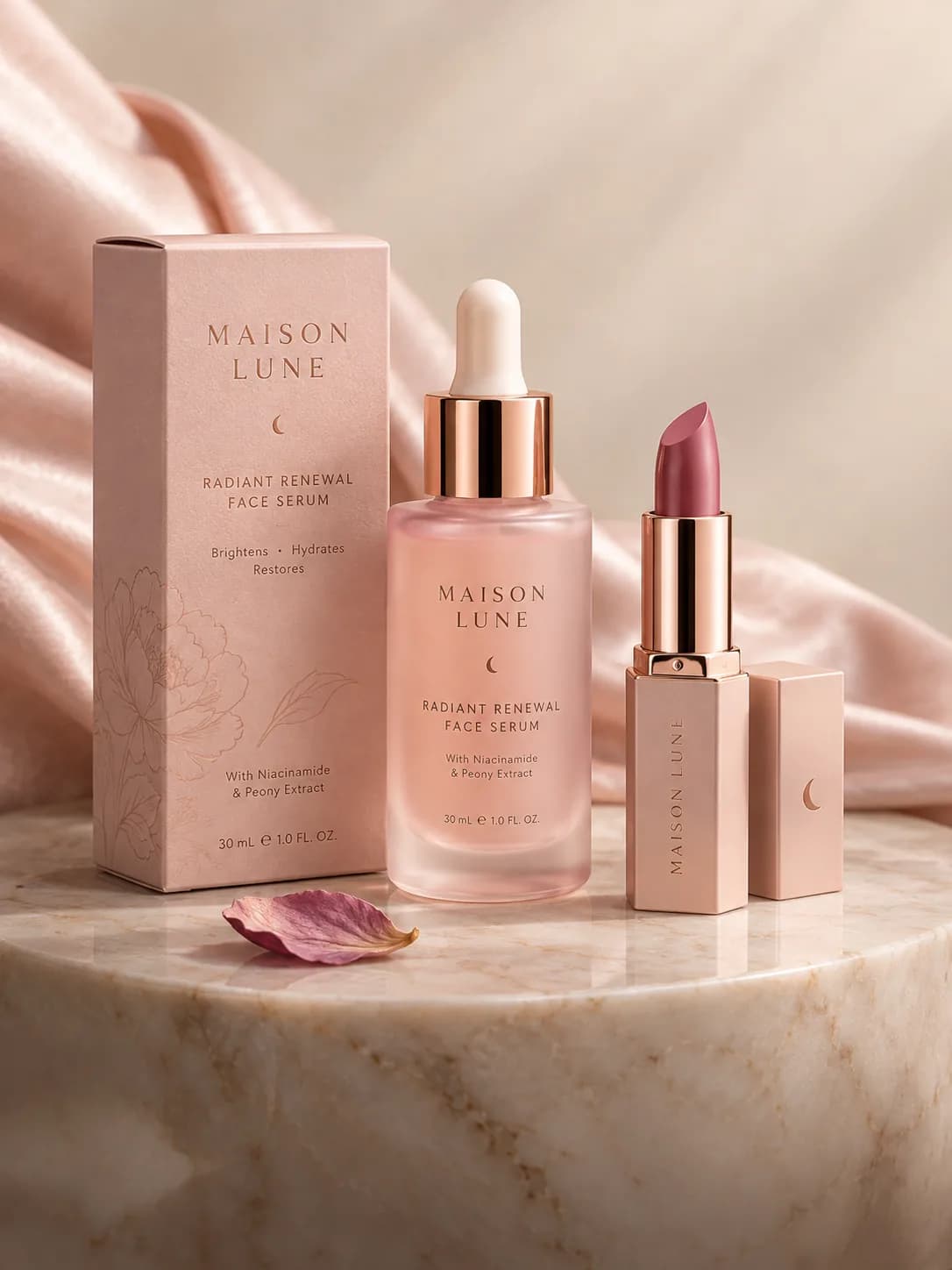
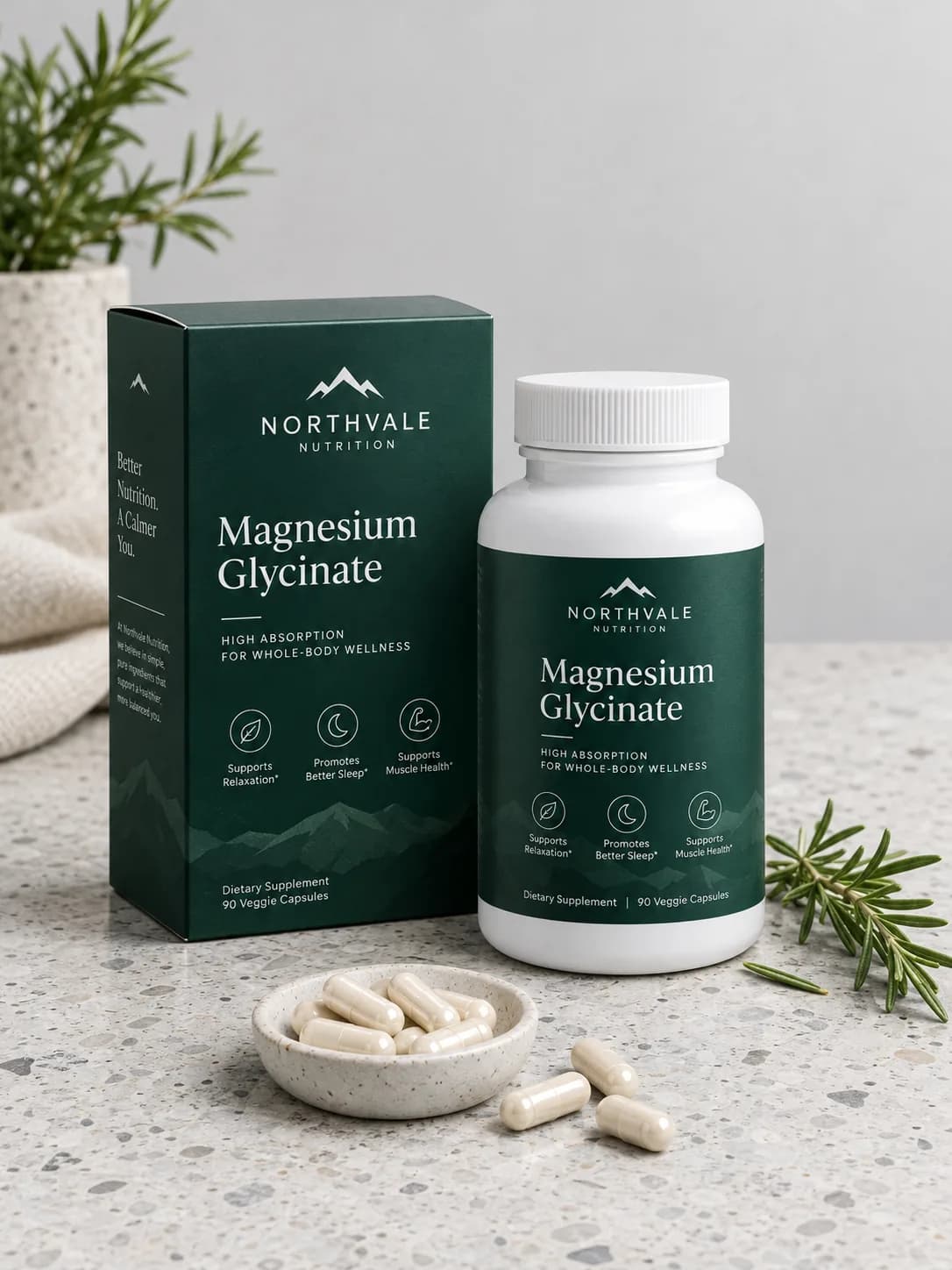
Your packaging deserves
better than “good enough.”
Book a free 15-minute call and we'll scope your packaging together — or send us a message to get started.