
Service
Tube Label Design
Tube packaging that stands tall on shelf.
Tubes are one of the most tactile packaging formats — every centimetre of surface is a branding opportunity. We design tube labels that exploit the full circumference of the tube while meeting all cosmetic, pharmaceutical, and food labeling requirements.
Quick Answer
Tube label design creates print-ready artwork for squeeze tubes, laminate tubes, and aluminium tubes — covering full-surface coverage, shoulder and crimp zone clearances, and compliance panels for cosmetic, pharmaceutical, and food applications.
What's Included
Everything delivered, as standard
Every Tube Label Design project includes these deliverables — no extras, no upsells, no surprises.
Packaging expertise across
7 product categories
Cosmetics & Skincare
Pharmaceutical
Toothpaste & Oral Care
Hair Care
Hand & Body Cream
Food (Condiments, Icing)
Adhesives & Industrial
Tube Label Design
Tube packaging that stands tall on shelf.
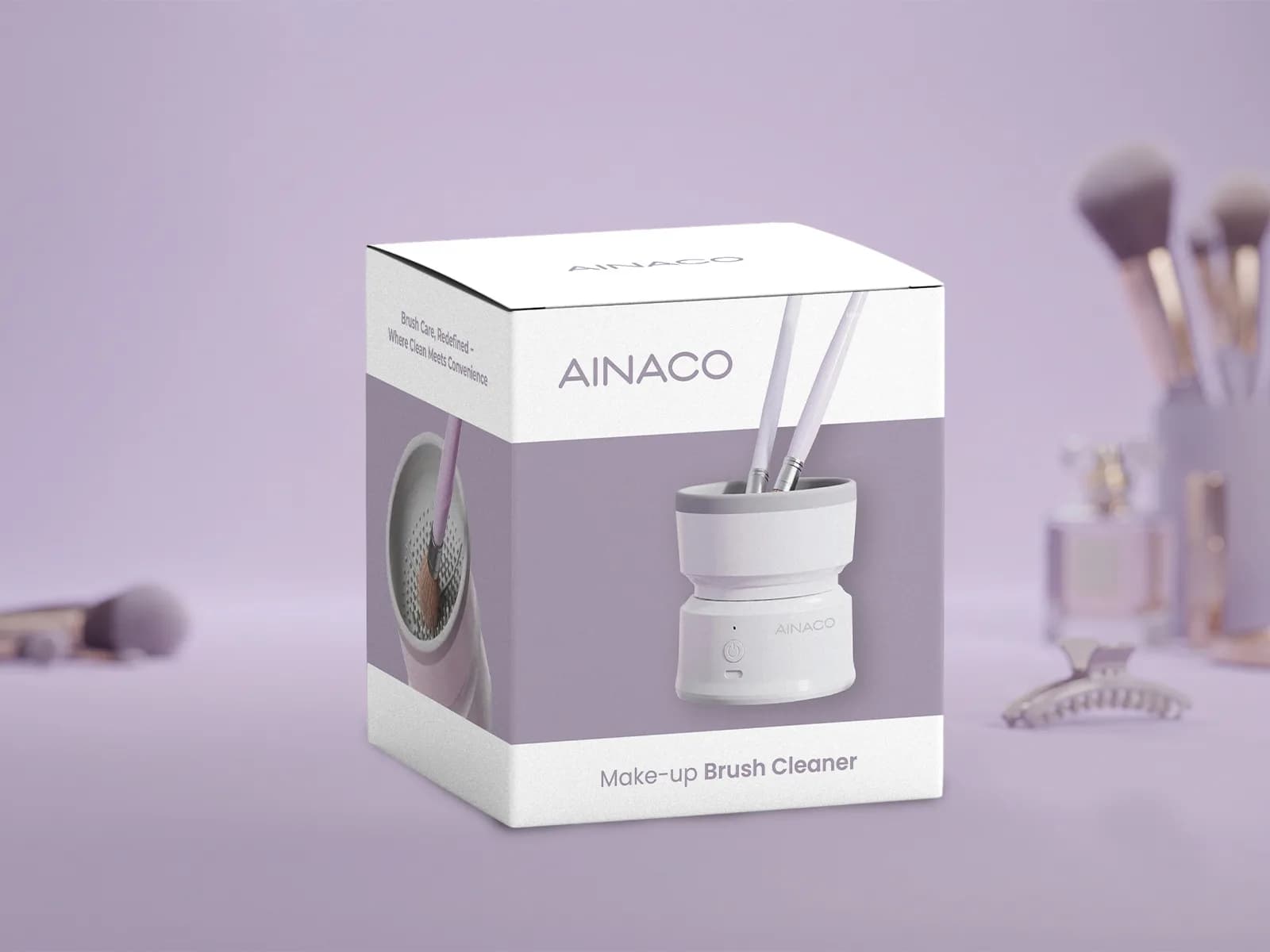
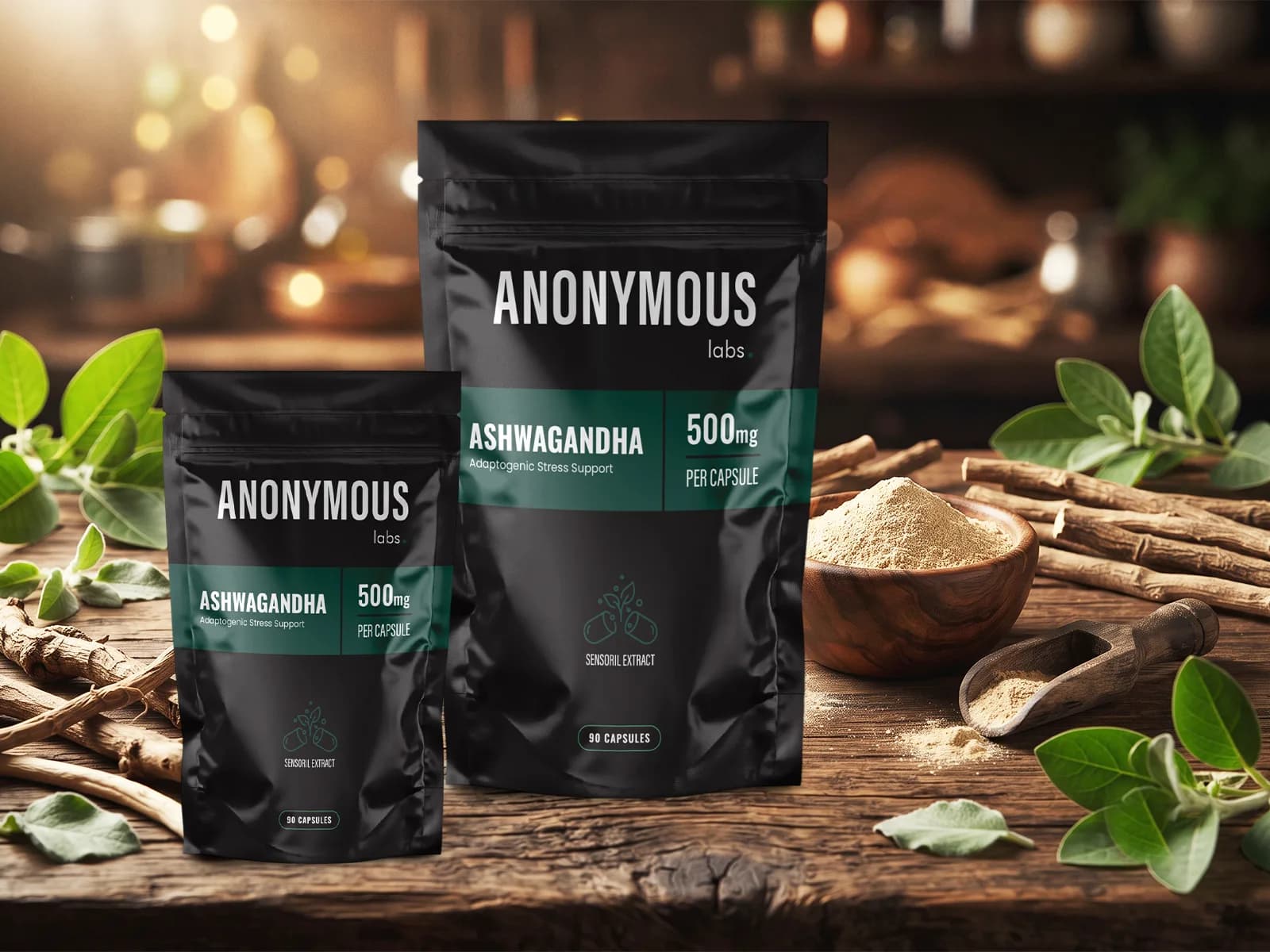
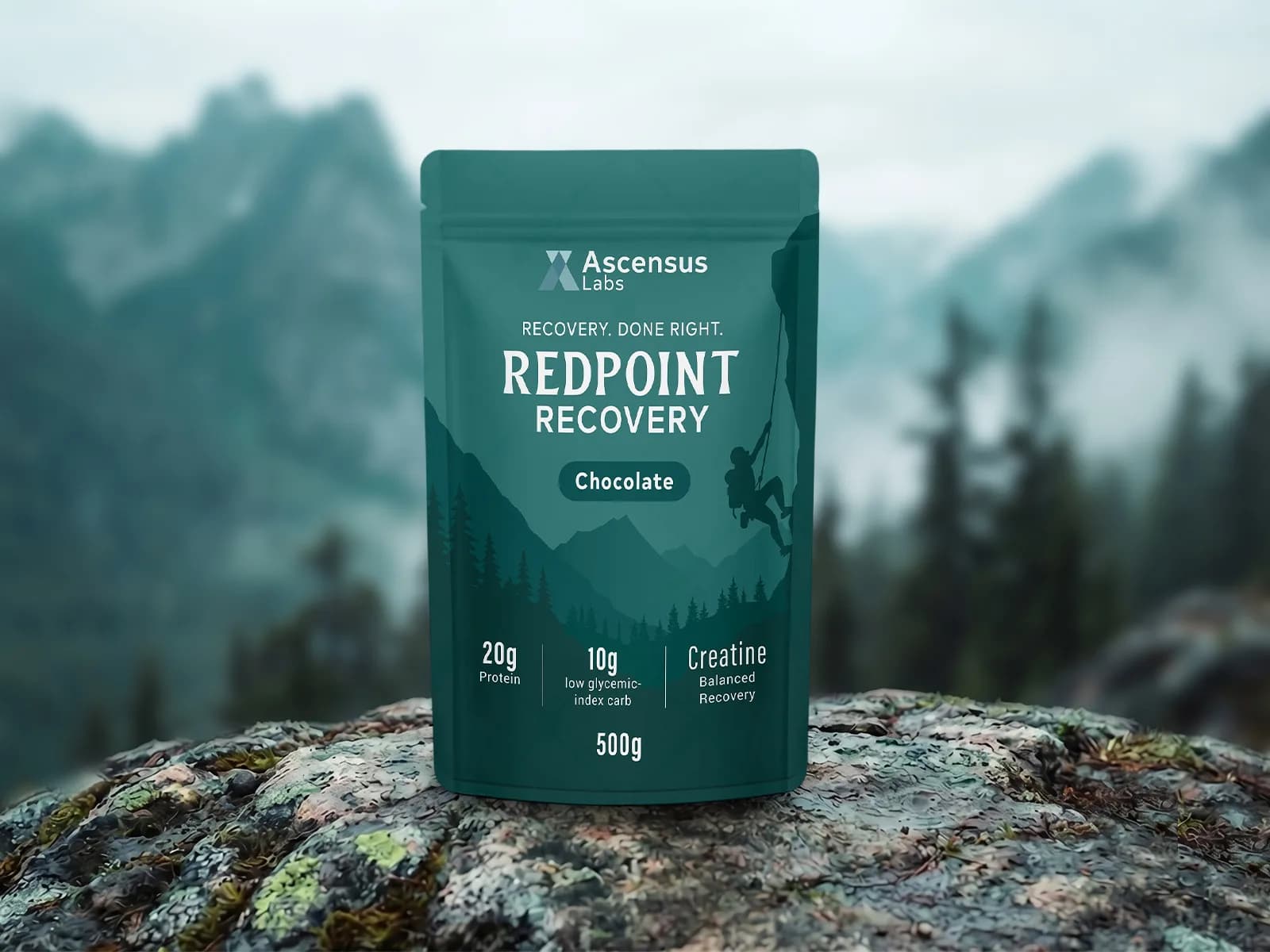
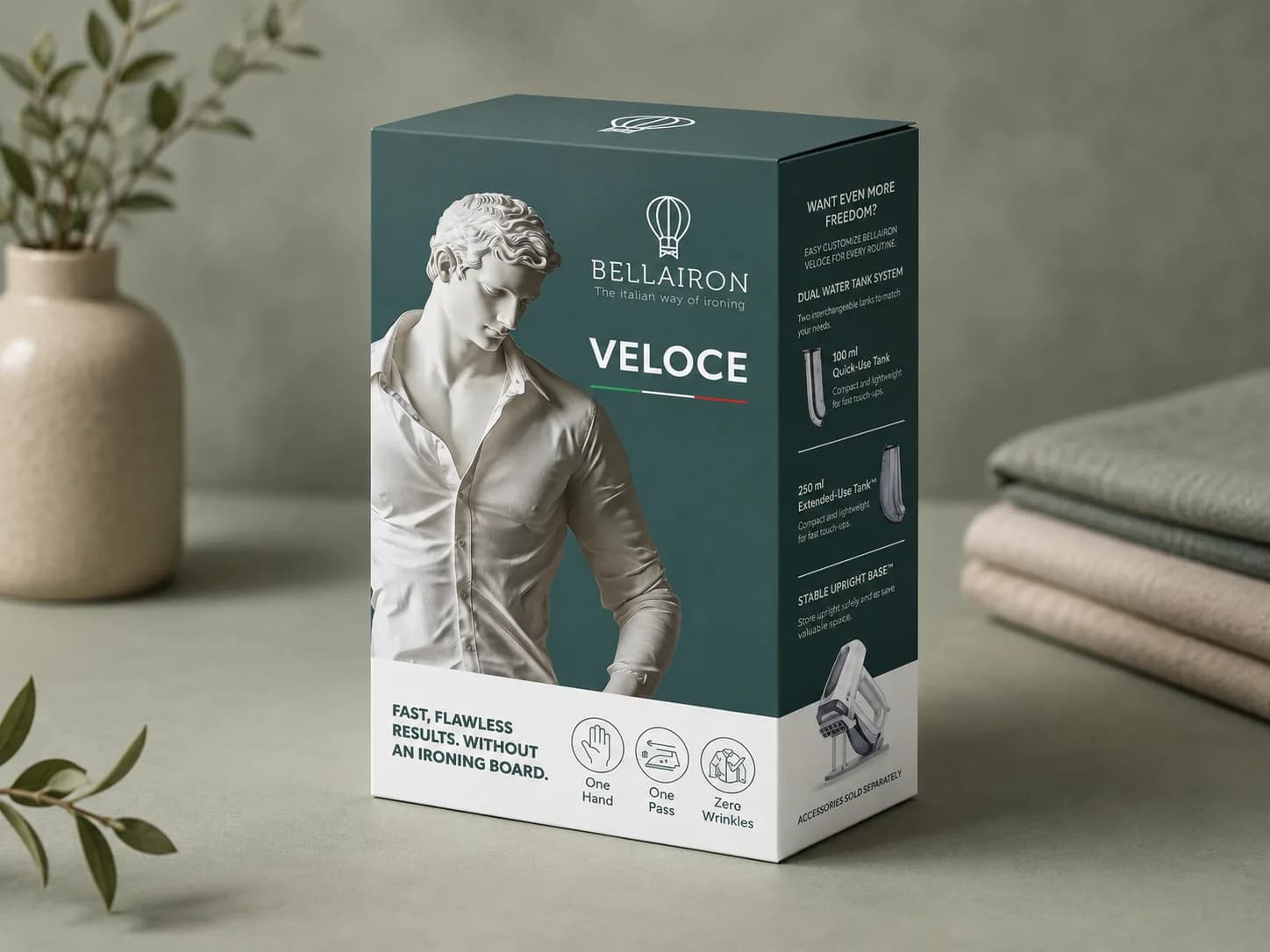

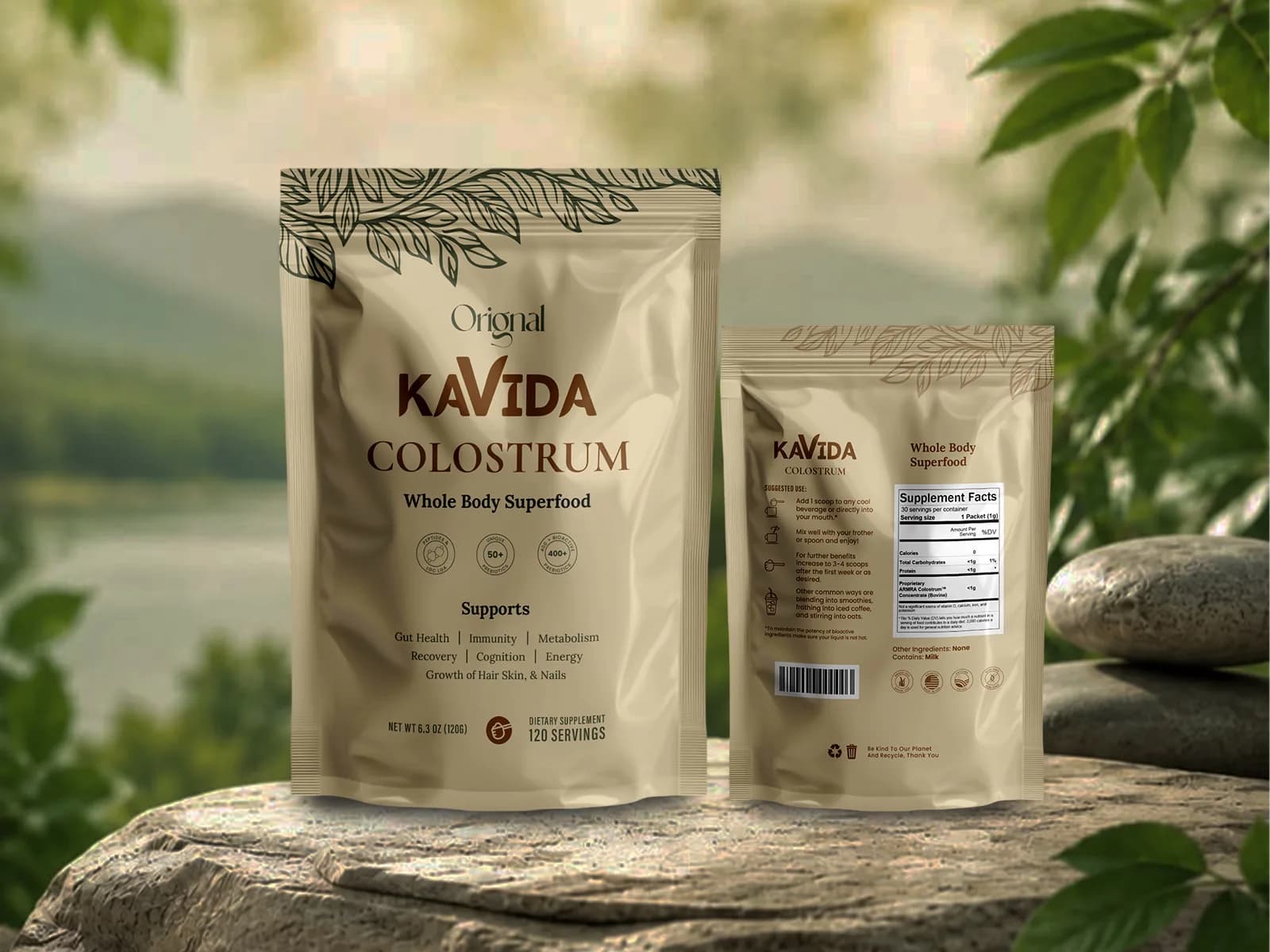
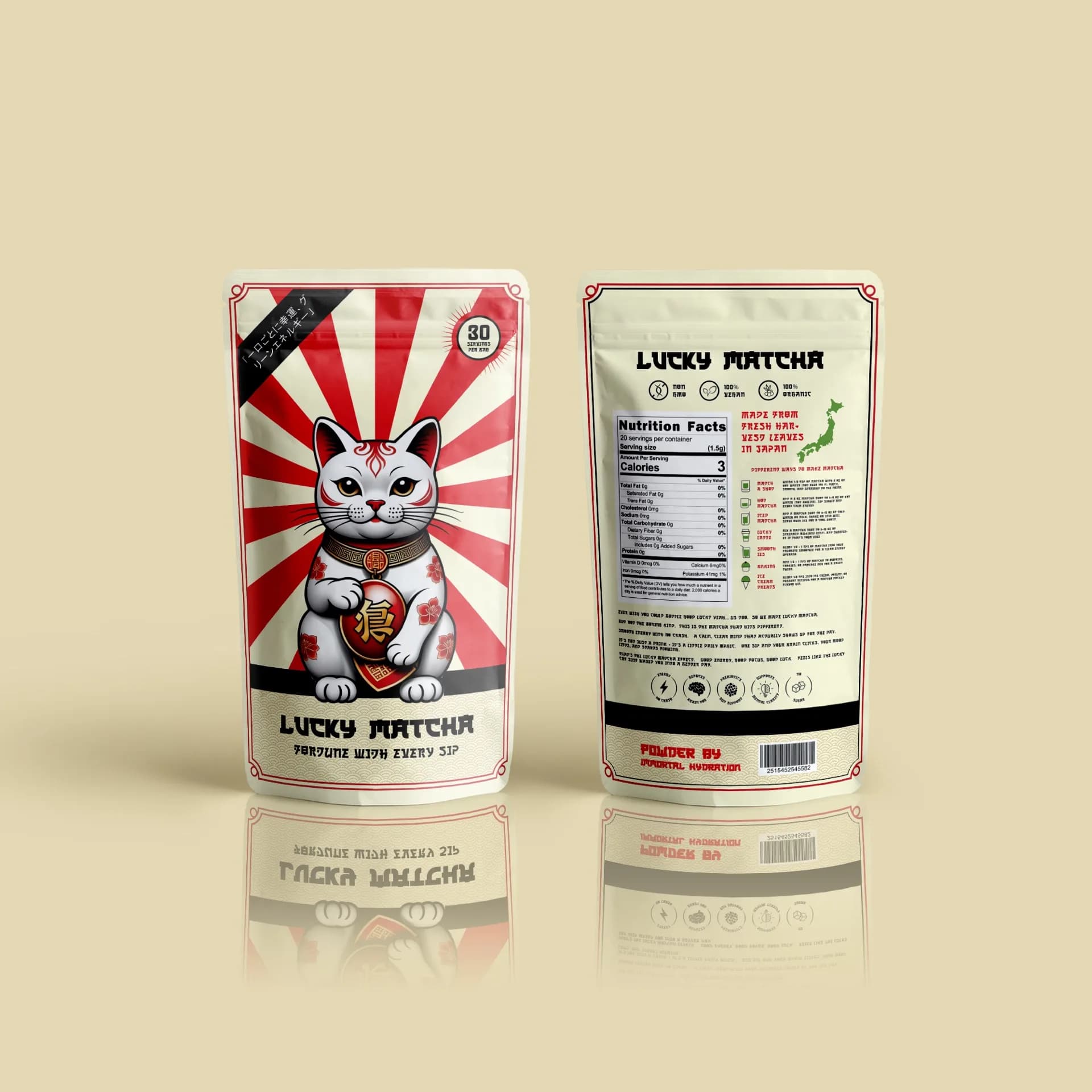

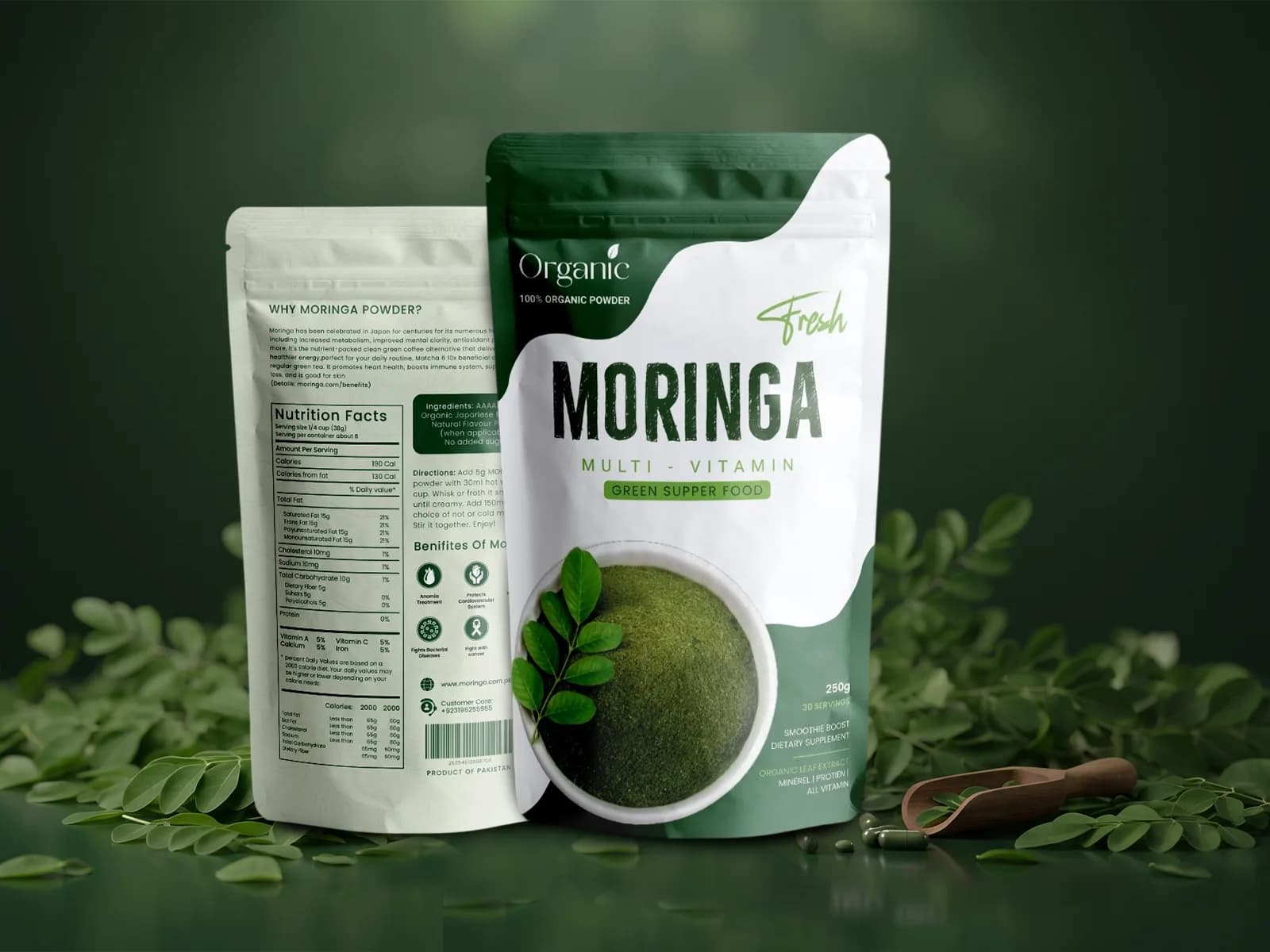
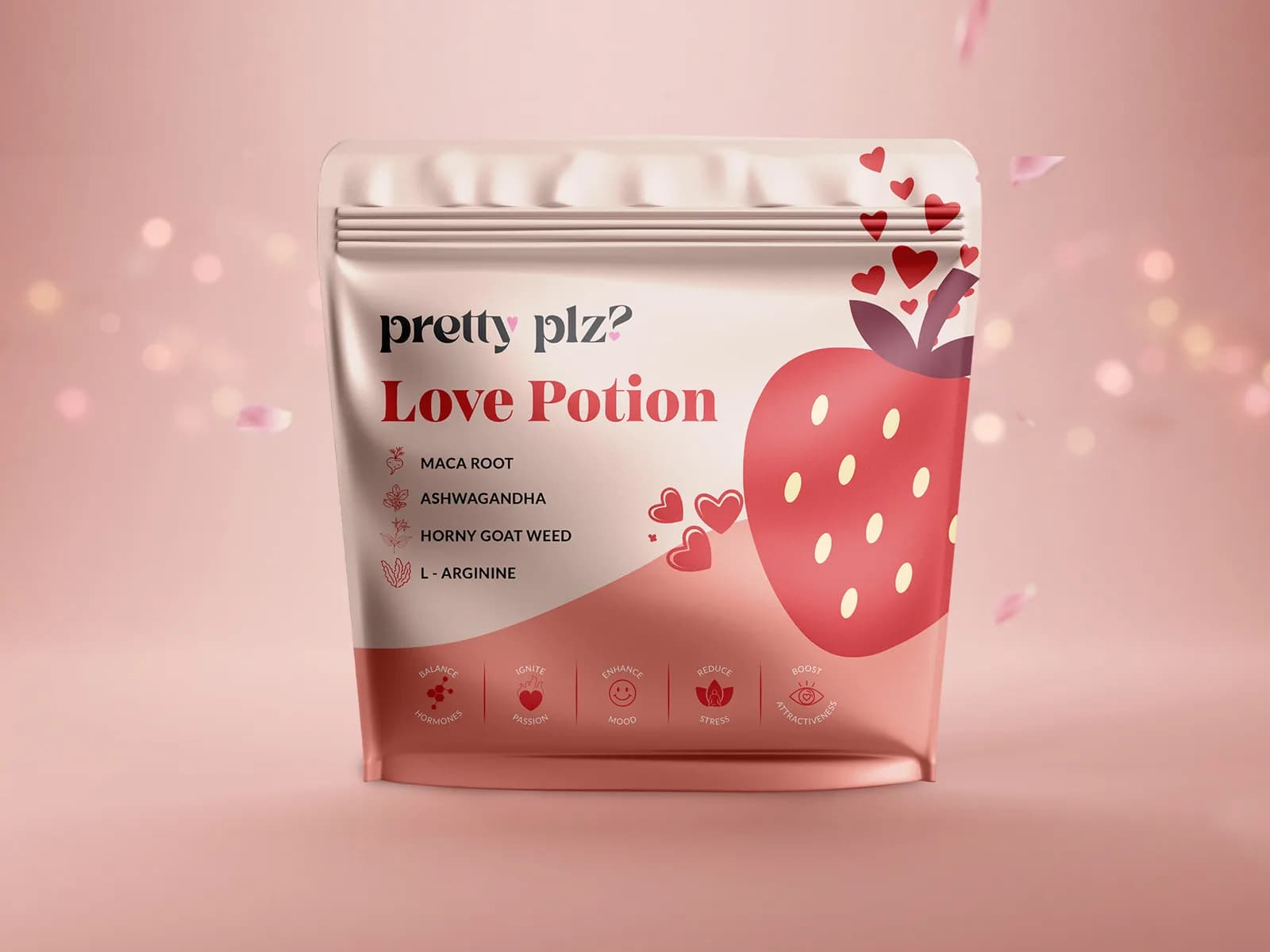
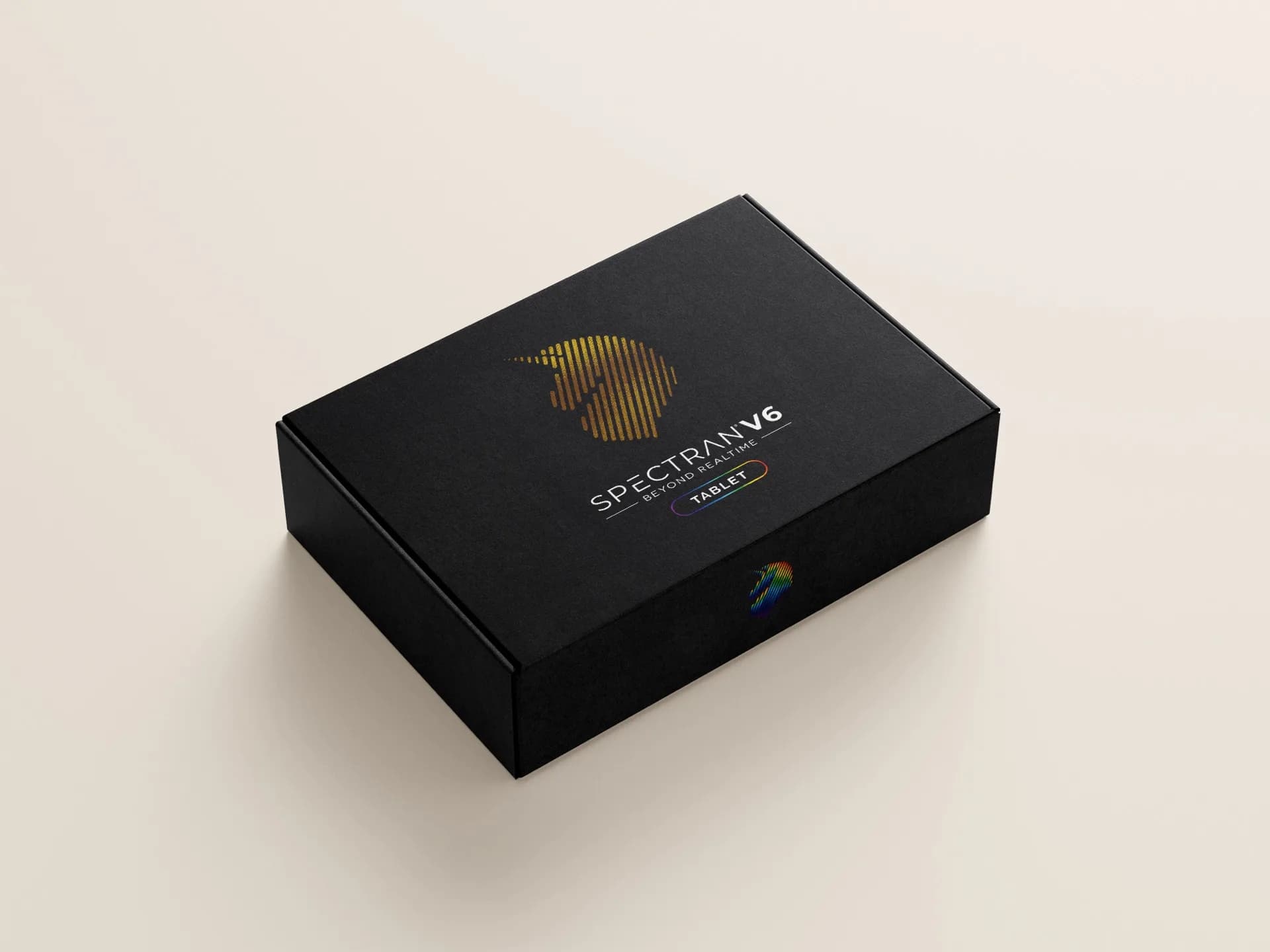
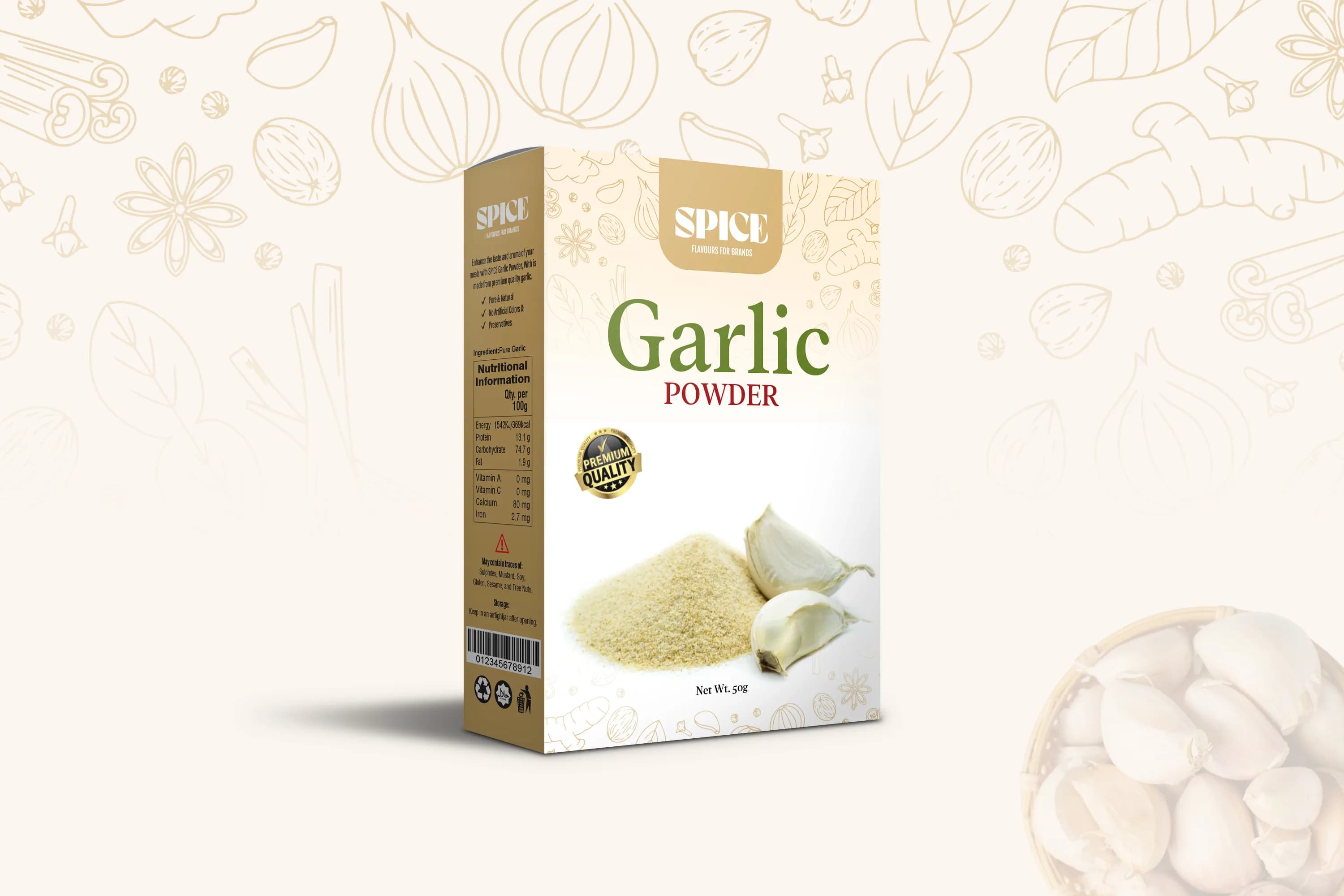
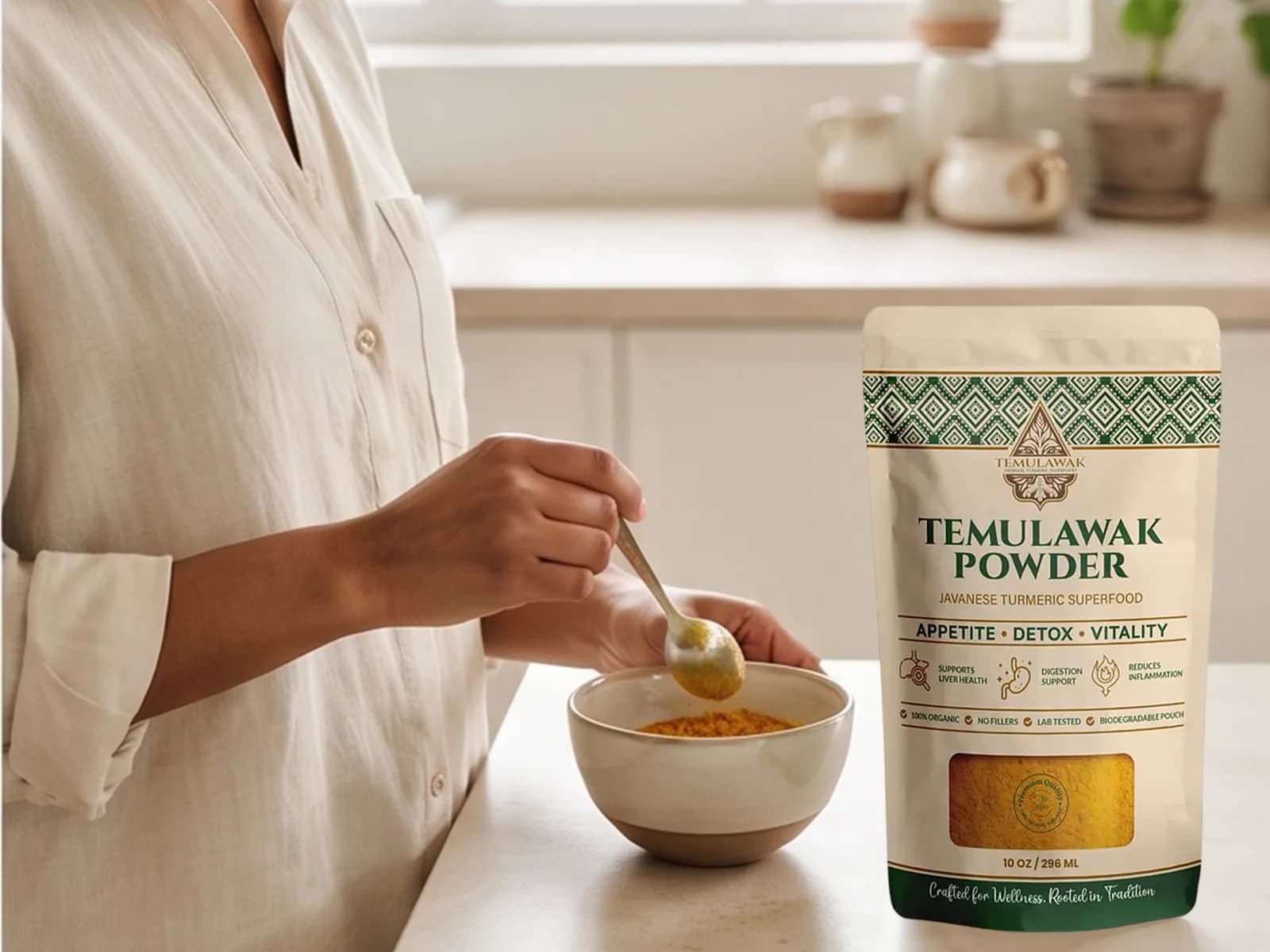

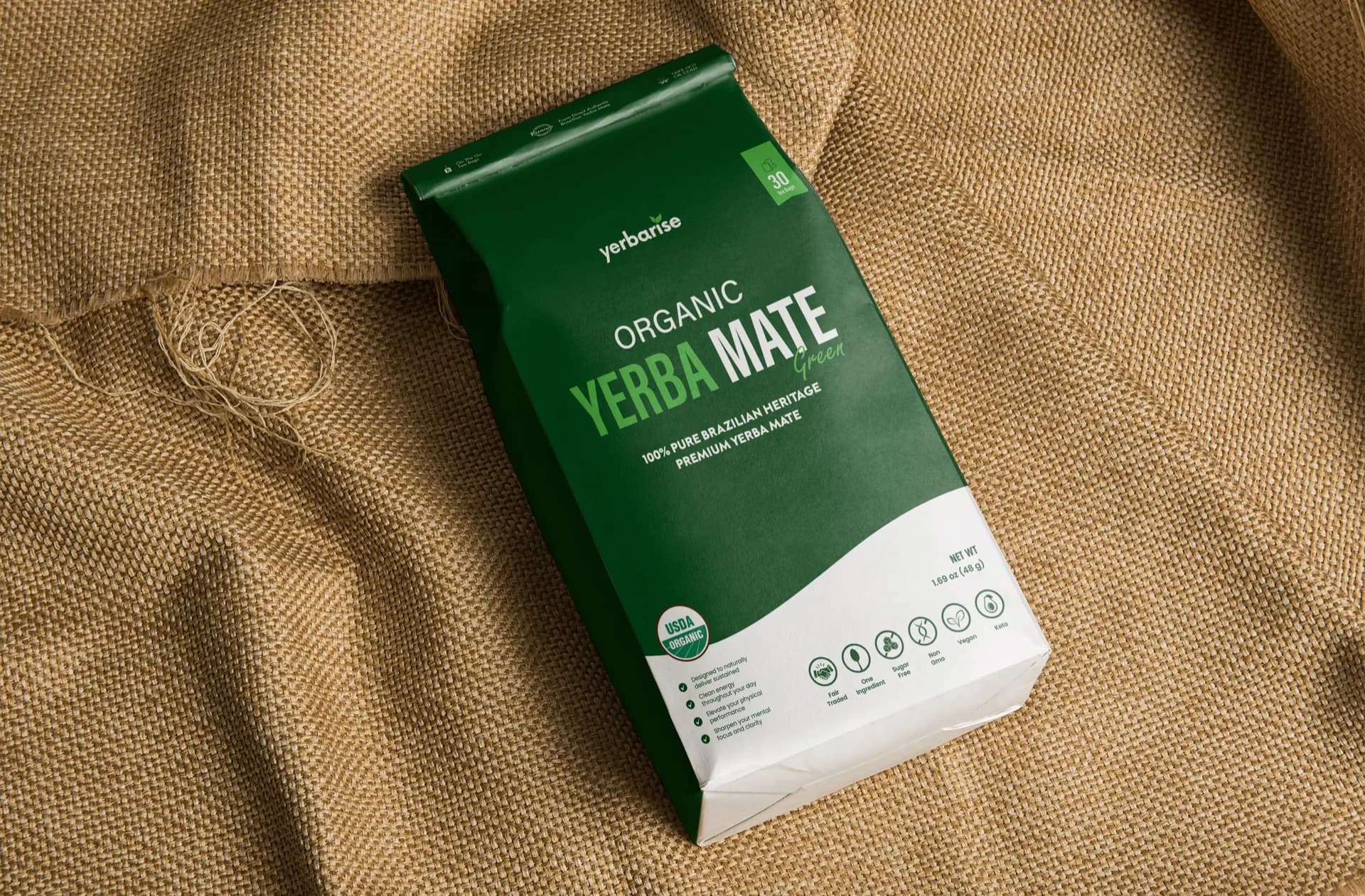
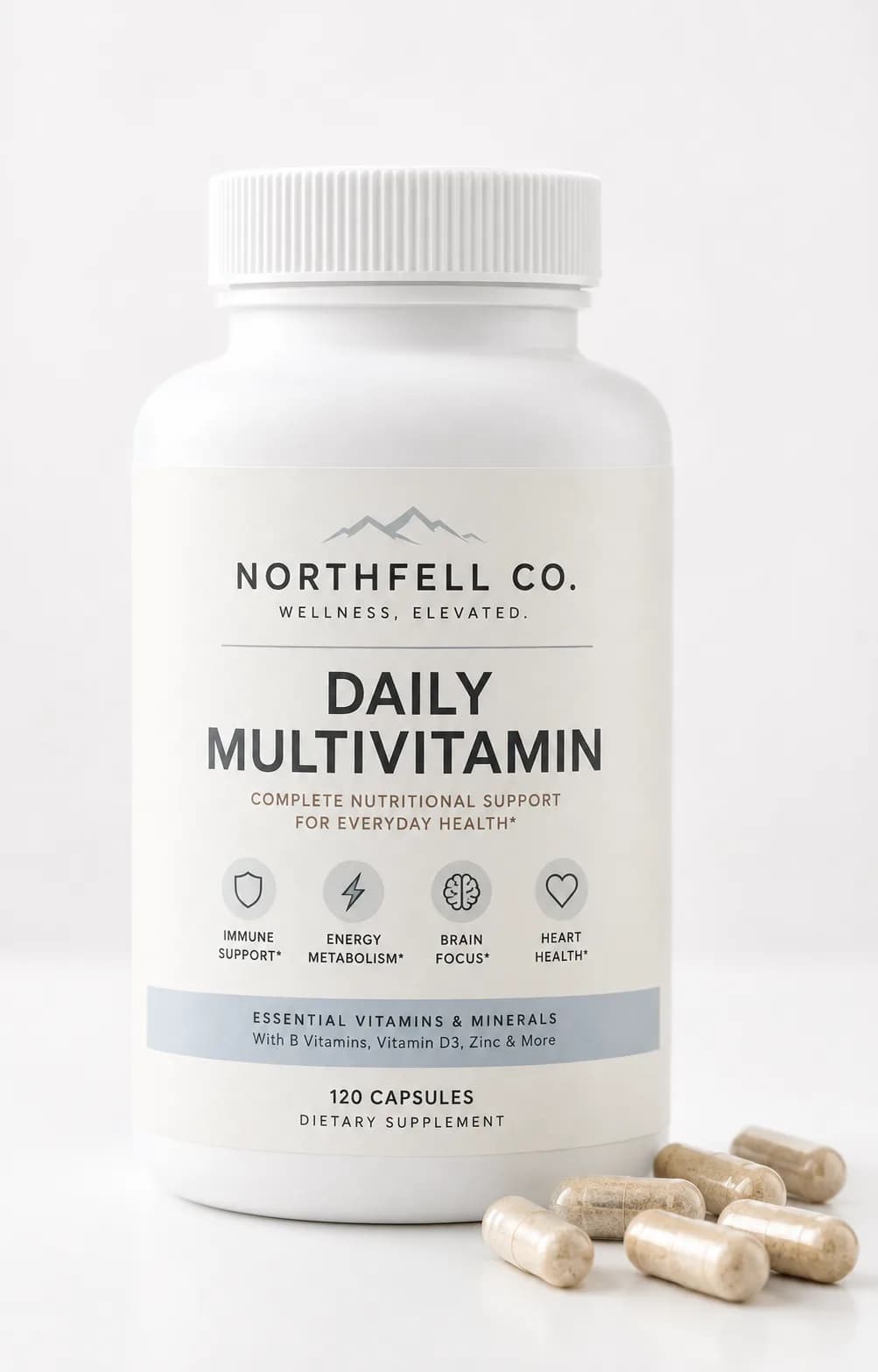

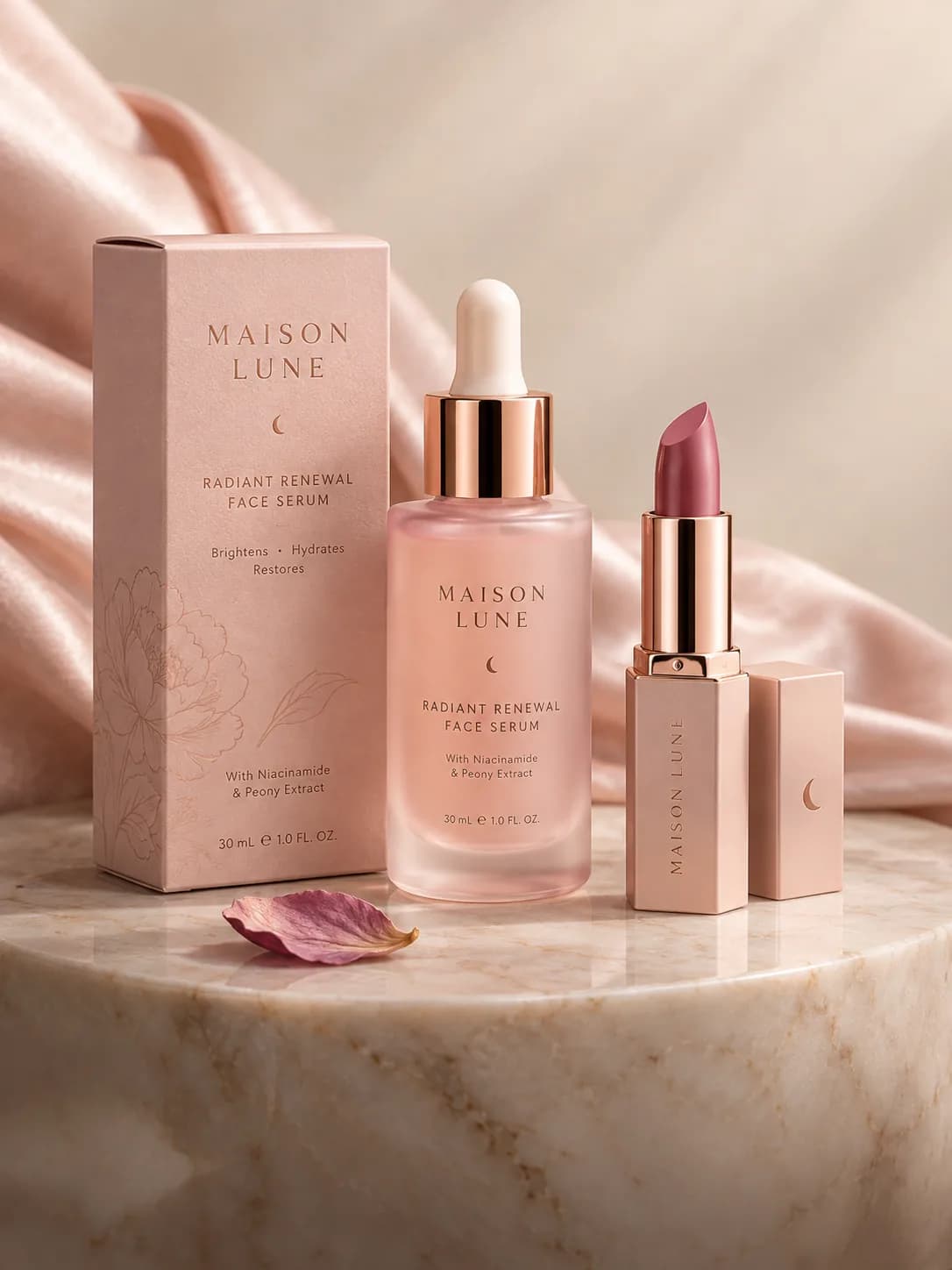
We're always-on to deliver the
packaging you want, when you need it
Print-ready tube label artwork
Tube label dieline
3D tube mockups
CMYK and Pantone specifications
Printer-ready colour profiles
Tube Label Design: The Complete Guide
A complete reference for brand managers, designers, and marketers making packaging decisions.
The Category
What makes tube packaging different
A tube is read in the round. Shoppers see one side on shelf, turn it in their hand, then squeeze it flat as they use it up. The design has to work at every stage, including when the tube is half-empty and creased.
Tubes are also decorated in several different ways. Some are printed directly before they're formed, some carry a pressure-sensitive label, and some use heat transfer or shrink film. The method sets what's possible with colour, coverage and finish, so find out early which one your supplier uses.
Small surface, lots to say
The challengeCosmetic and pharmacy tubes often carry ingredients, warnings, batch details and directions on a surface no wider than a hand.
Our approachWe plan the information hierarchy before any decoration, deciding what stays on the front, what moves to the back and what can live on an outer carton.
It changes shape as it's used
The challengeSqueezing distorts graphics, and the seam, shoulder and crimp never look as clean as the middle of the body.
Our approachWe place key elements in the stable centre of the tube and check the layout as a 3D mockup from several angles before artwork is finalised.
Design Decisions
Decoration, materials and labelling
Choose the decoration method together with your tube supplier. It shapes nearly every design decision that follows.
- Direct print. Offset or screen printing onto the tube before it's formed. Clean and durable, with no label edges, but usually tied to higher minimum quantities.
- Pressure-sensitive labels. Printed separately and applied to plain tubes. Good for short runs and many variants, as long as the label stock can bend with the tube without lifting or wrinkling.
- Tube material. Laminate tubes give a full-body print surface and a good barrier. Plastic tubes are soft and spring back. Aluminium tubes protect sensitive products but crease permanently. Each one prints a little differently.
- Finishes. Metallic, pearlescent, matte and soft-touch effects are available on many tubes. Ask which ones work with your decoration method before designing around them.
- Legibility. Fine serif type and pale colours quickly become unreadable on a small tube. Use a clear typeface for mandatory text and check its size against the rules that apply to your product.
Don't forget the parts that aren't the body. The cap, shoulder and crimp all show on shelf, and some brands use the crimp for a short message or a batch code. Many tubes stand on their caps, so check that the design still reads the right way up in that position. Flip-top, screw and nozzle caps each change the silhouette, which affects how a row of tubes looks together.
Labelling depends on what's in the tube. Cosmetics, over-the-counter medicines, toothpaste and food pastes all follow different rules. Those rules often cover ingredient lists, responsible company details, batch codes, date marks or period-after-opening symbols, and warnings. Where space is tight, some regulations let certain details sit on outer packaging or a leaflet instead. Check exactly what's allowed for your product with the relevant regulator before planning the layout.
Many tubes sit inside a folding carton at retail. The carton can carry the full ingredient list and directions, which frees the tube for brand and essentials. The tube itself usually still needs some mandatory details, so confirm which ones before you strip it back.
The Process
How a tube label project runs
Tube projects move quickly once the technical template is fixed, so most of the early effort goes into getting that template right.
Supplier template
We work from the tube supplier's template, which shows the printable area, seam position, shoulder and crimp zones, and any cap or label dimensions.
Hierarchy and copy plan
Before design starts, we list every mandatory and marketing element and decide where each one sits: front, back, crimp, cap or outer carton.
Design concepts
Routes are developed flat on the template and shown as 3D tube mockups, including the back view and a view of several tubes together on shelf.
Range adaptation
Shades, sizes and variants are built from one master layout so the whole line stays consistent and easy to extend later.
Artwork and proof review
Print-ready files are set up for the specified decoration method. When the supplier provides a proof or printed sample, we review it against the approved design.
Costs and Pitfalls
Common tube mistakes, cost drivers and alternatives
Key text across the seam
The side seam is visible on most printed tubes. A brand name or barcode that crosses it looks broken and may not scan reliably.
Ignoring the cap
The cap is part of the design. A clashing stock cap undermines an otherwise strong tube, so choose its colour as carefully as the print.
Labels that can't flex
Stiff label stocks can lift at the edges once the tube is squeezed. Ask your label printer for a material made for squeezable surfaces.
Crowding the front
Cramming claims onto a narrow tube means none of them get read. Move secondary claims to the back or the carton.
Tube costs depend on how the tube is made and decorated:
- Decoration method. Direct print often has higher set-up costs and minimums, while labels suit smaller runs and frequent changes.
- Tube type and size. Laminate, plastic and aluminium tubes are priced differently, and diameter and length affect the price too.
- Effects. Metallic inks, foils and special varnishes add set-up and press time.
- Shades and variants. Every shade or scent is another artwork to prepare and check.
- Outer carton. A carton adds a second piece of artwork and its own print bill.
If you're unsure how a design will behave, ask your supplier for blank sample tubes in the right size and material. Wrapping a printed mockup around a real tube is a quick, cheap way to spot problems before artwork is final.
Tubes don't suit every product. Thick creams that customers scoop out may work better in a jar, and products used in larger amounts may suit a bottle or pump. If you're adding a tube to a range that's mostly jars or bottles, a wider label design or cosmetic packaging project keeps the whole line consistent.
Got Any Questions?


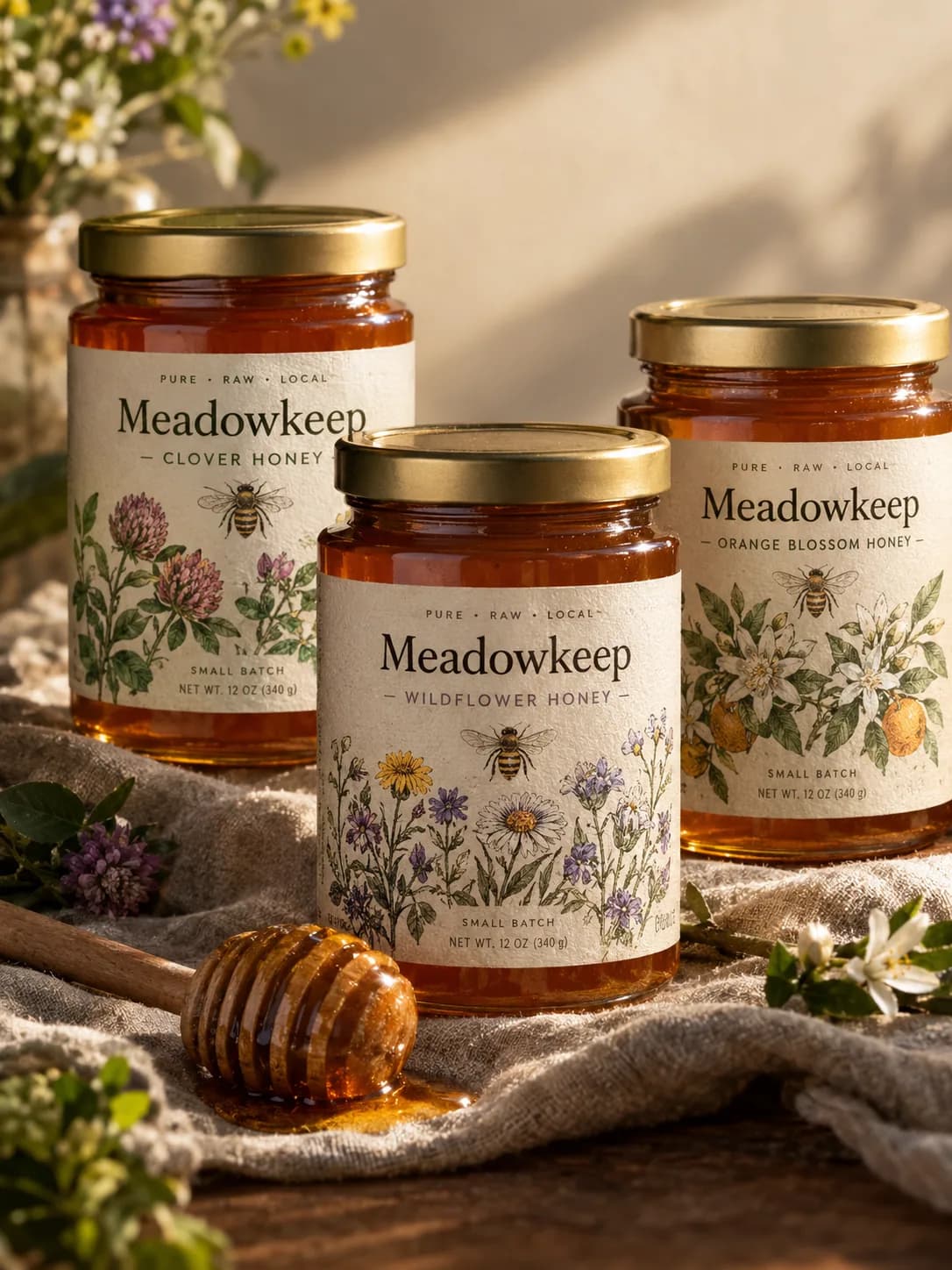

Your packaging deserves
better than “good enough.”
Book a free 15-minute call and we'll scope your packaging together — or send us a message to get started.