
 Packaging Design · United States
Packaging & Label Design Agency in United States
The US market rewards clarity and bold shelf presence across an enormous retail footprint — from mass-market Walmart to premium Whole Foods. FDA compliance is non-negotiable, and Prop 65 adds California-specific artwork requirements.
GET A QUOTE →CPP
Certified Packaging Professional
800+
Packaging projects completed
100+
Countries with clients
Selected work
Packaging projects relevant to United States
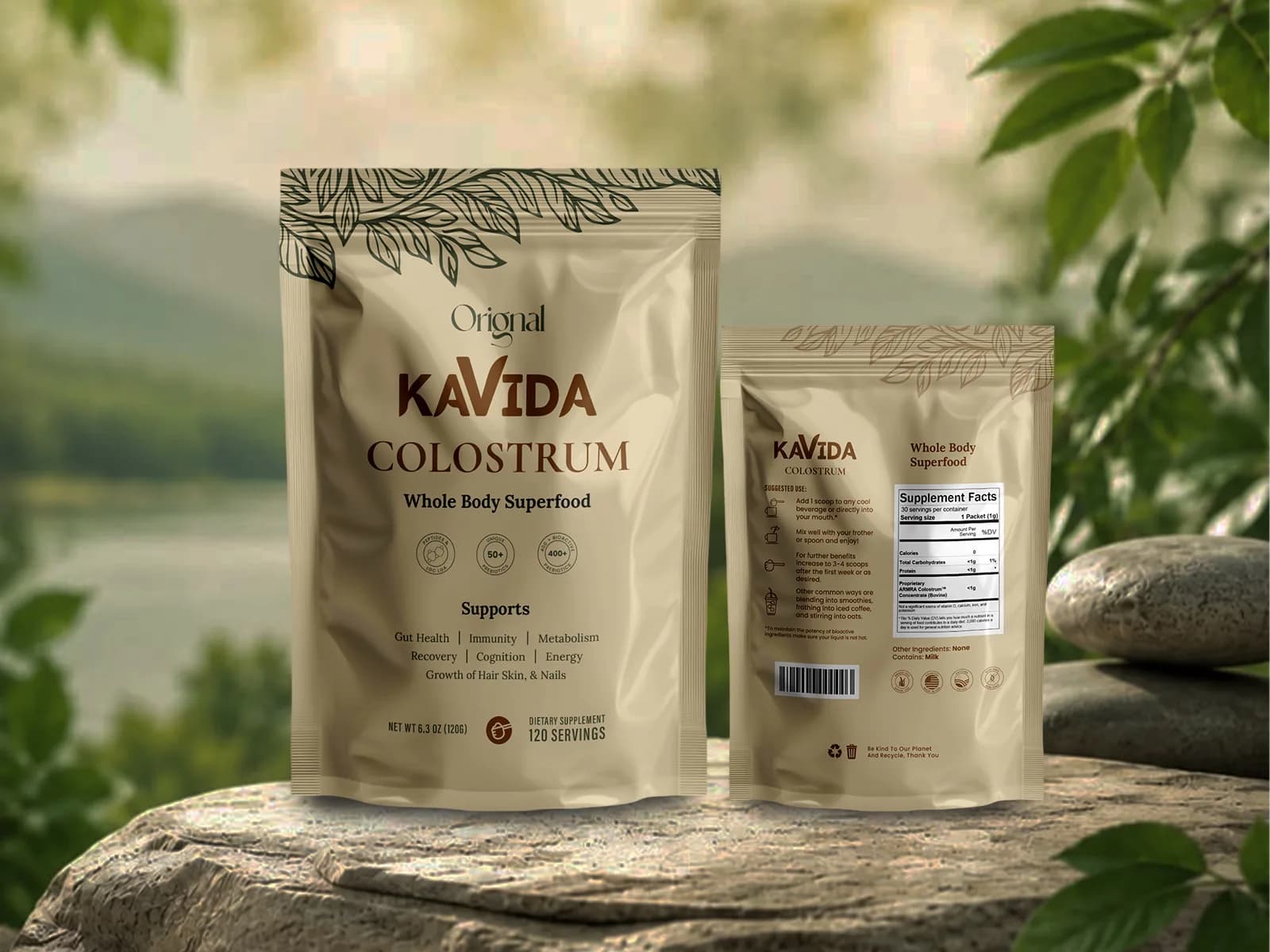
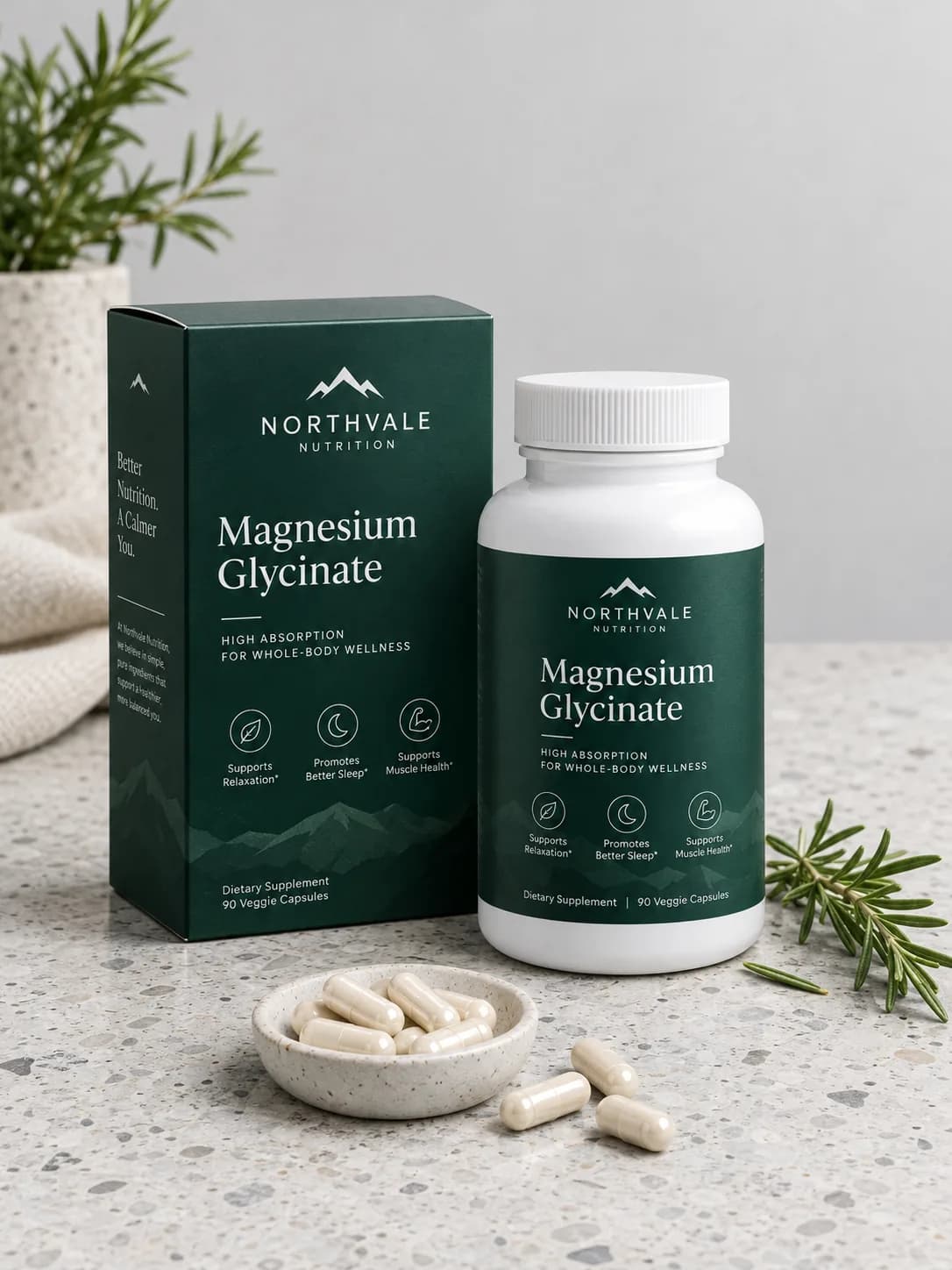
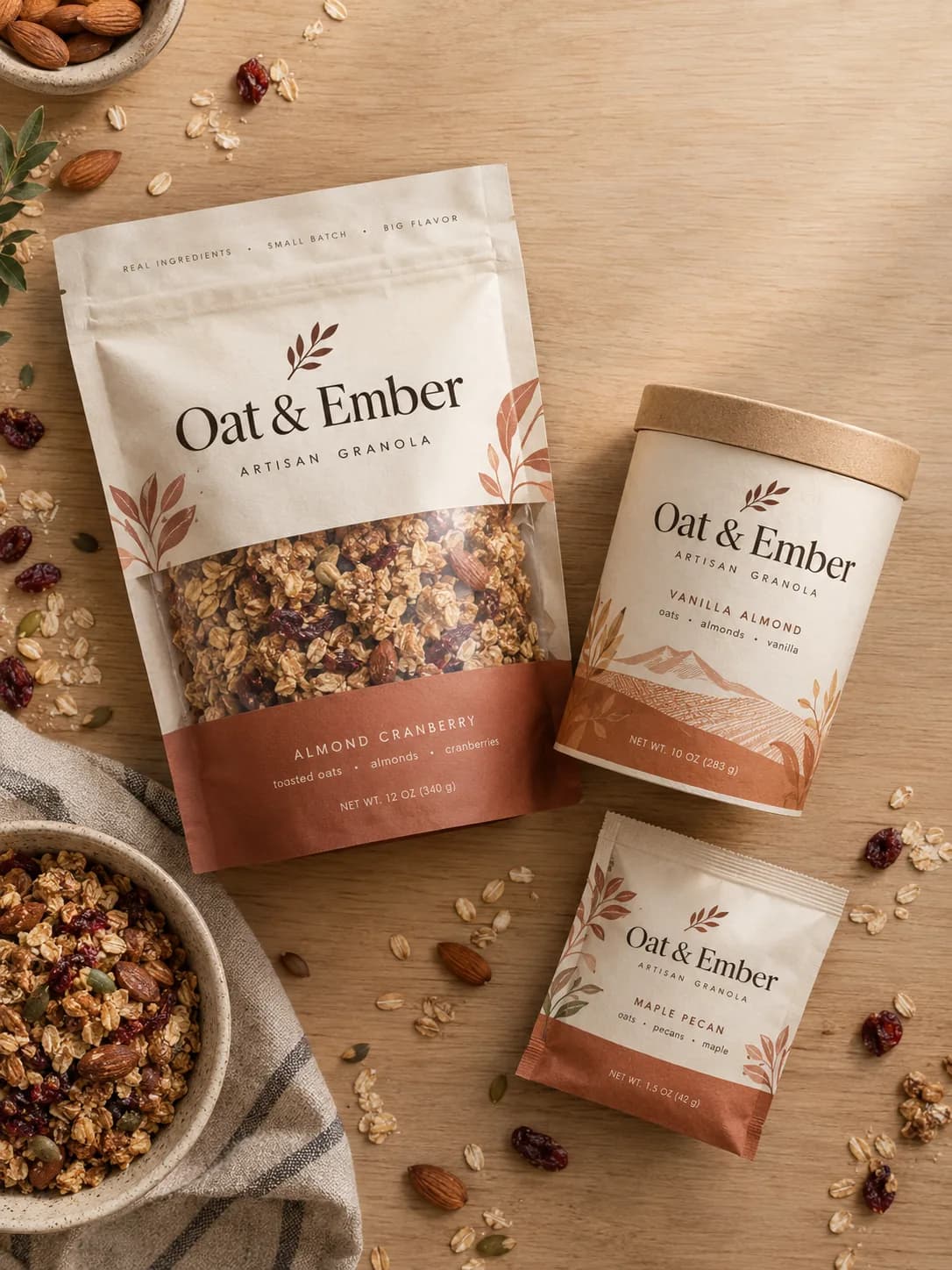
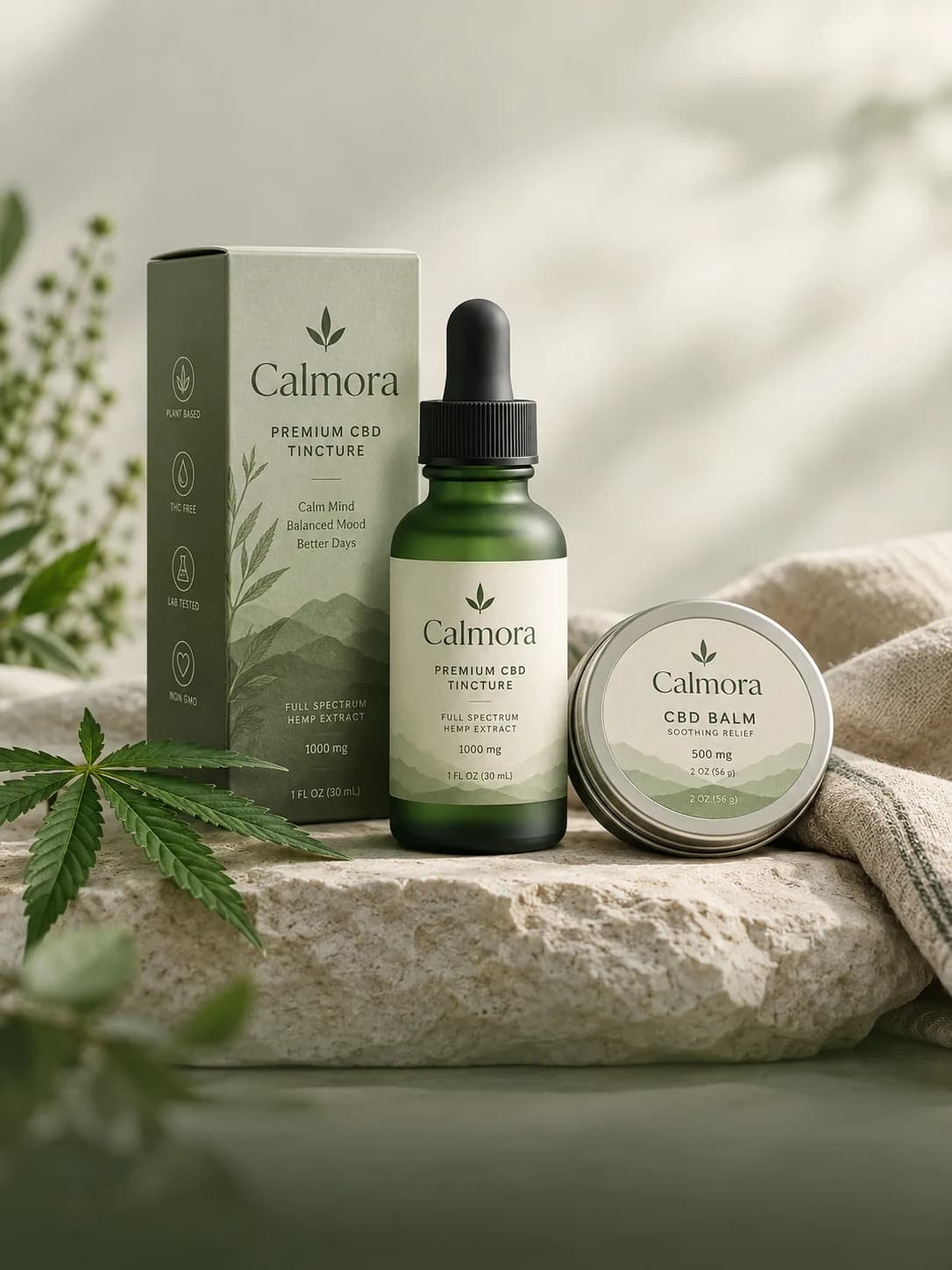
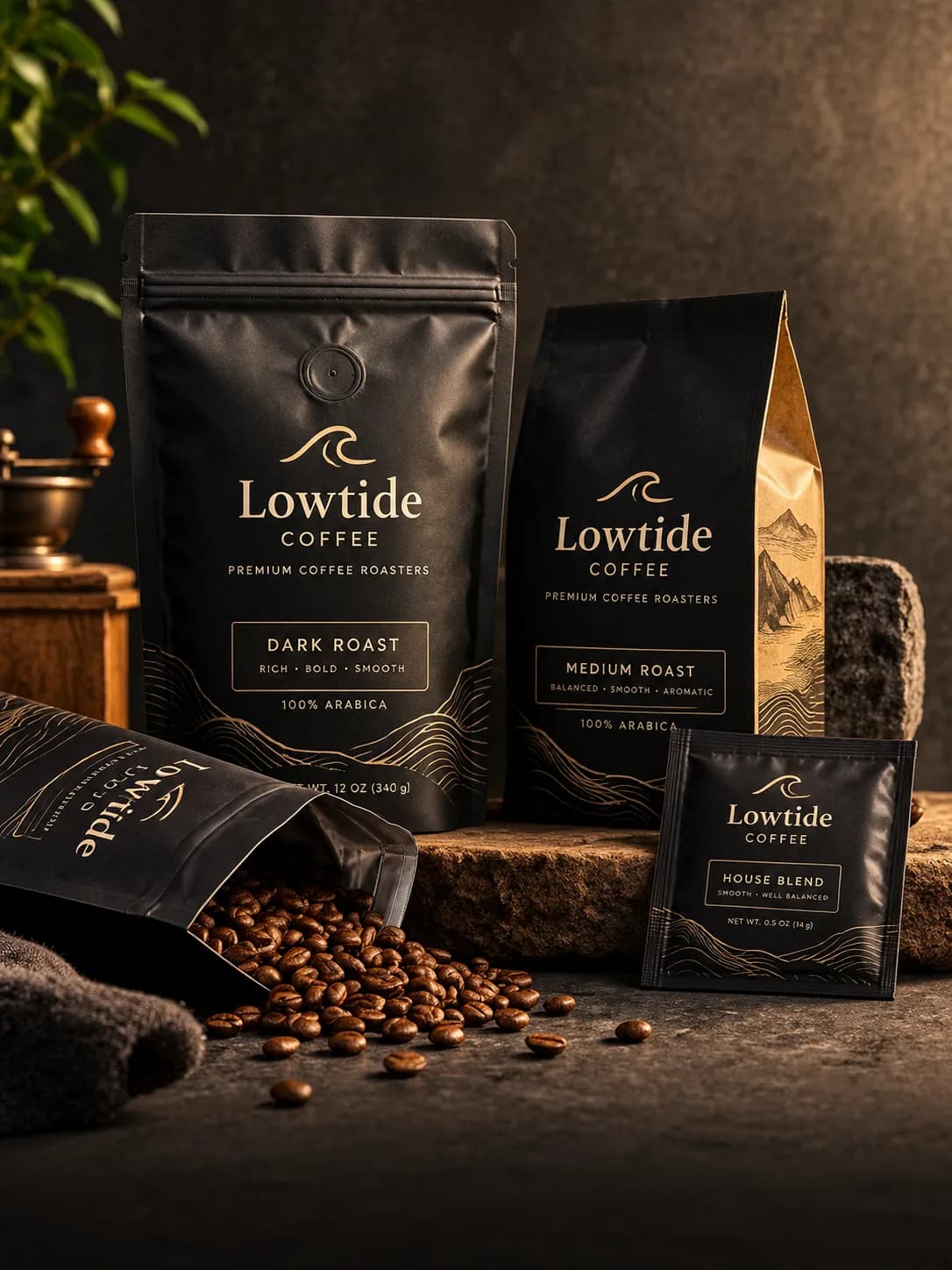
A selection of recent packaging design work from our studio, chosen for their relevance to United States’s product categories.

Market overview
Understanding the packaging market in United States
The United States has one of the world's largest consumer-packaged-goods markets. Brands compete across an enormous retail footprint — from mass-market chains to premium grocery, online DTC channels, and speciality stores. FDA compliance governs food, supplement, and cosmetic labelling, while state-level rules such as California's Proposition 65 add further artwork requirements.
Key industries
Dietary supplements, food and beverage, skincare and beauty, hemp-derived CBD, pet products, and DTC e-commerce brands represent the most active packaging design categories.
Market trend
Clean-label packaging, transparent ingredient panels, and sustainability messaging are increasingly expected across all product categories.
United States labelling: FDA food labelling and Supplement Facts panel
- FDA food labelling (21 CFR 101)
Prepacked food needs a statement of identity, net quantity, Nutrition Facts panel, ingredient list in descending order by weight, and the manufacturer or distributor's name and address.
- Supplement Facts panel (21 CFR 101.36)
Dietary supplements use a Supplement Facts panel instead of Nutrition Facts, and any structure/function claim must carry the standard FDA disclaimer.
- Major food allergens (FALCPA and FASTER Act)
Nine major allergens, including sesame since 2023, must be declared in the ingredient list or a separate 'Contains' statement.
Fair Packaging and Labeling Act
Net contents go in the bottom 30% of the principal display panel, stated in both US customary and metric units.
- Cosmetics labelling (21 CFR 701 and MoCRA)
Cosmetics list ingredients in descending order and, under MoCRA, show a US contact for adverse event reports.
- USDA Organic (NOP)
The USDA Organic seal can only appear on certified products, and 'made with organic' claims follow separate percentage rules.
California Proposition 65
Products sold in California may need a clear warning if they contain listed chemicals above safe-harbour levels.
FTC guidelines for claims and endorsements
Marketing claims on pack, including 'Made in USA' and green claims, must be truthful and substantiated.
On-pack essentials for United States
Barcode: UPC-A (12-digit GTIN) from GS1 US
Units: US customary and metric, both required on the net contents statement
On-pack languages: English, Spanish (optional, common for Hispanic-market products)
Currency: USD (US Dollar)
Working-hours overlap with our studio: 3–4 hours: PKT evenings overlap US East Coast mornings. The West Coast is 12–13 hours behind PKT.
Retail channels in United States: Walmart, Target and Amazon US
Packaging for United States's Dietary supplements, Food and beverage and Hemp-derived CBD brands
Packaging considerations
Packaging requirements and localisation for United States
FDA Nutrition Facts or Supplement Facts panels must follow prescribed formats, typefaces, and minimum type sizes.
Net contents must appear in the bottom 30% of the principal display panel in both US customary and metric units.
UPC-A barcodes (12-digit GTIN from GS1 US) are standard for retail distribution.
Prop 65 warnings may require specific text, symbol placement, and font size for products distributed in California.
Organic claims require USDA NOP certification — the USDA Organic seal can only appear on certified products.
Amazon and DTC packaging must meet platform-specific image requirements and unboxing experience standards.
Regulatory references
Packaging regulations relevant to United States
The following regulations are summarised for reference. Packaging requirements depend on the product category and intended market. Brands should verify applicable requirements with the relevant regulatory authority before final production.
FDA Food Labelling (21 CFR 101)
VerifiedU.S. Food and Drug Administration · Food · Federal (United States)
Prepacked food requires a statement of identity, net quantity, Nutrition Facts panel, ingredient list in descending order by weight, and the manufacturer or distributor's name and address.
Official sourceLast verified: 2025-03-15
Supplement Facts Panel (21 CFR 101.36)
VerifiedU.S. Food and Drug Administration · Dietary supplements · Federal (United States)
Dietary supplements use a Supplement Facts panel instead of Nutrition Facts, and any structure/function claim must carry the standard FDA disclaimer.
Official sourceLast verified: 2025-03-15
Major Food Allergens (FALCPA and FASTER Act)
VerifiedU.S. Food and Drug Administration · Food · Federal (United States)
Nine major allergens — including sesame since January 2023 — must be declared in the ingredient list or a separate 'Contains' statement.
Official sourceLast verified: 2025-03-15
Cosmetics Labelling and MoCRA
VerifiedU.S. Food and Drug Administration · Cosmetics · Federal (United States)
Cosmetics list ingredients in descending order. Under MoCRA (effective 2023), products must show a US contact for adverse event reporting, and certain categories require facility registration.
Official sourceLast verified: 2025-03-15
California Proposition 65
VerifiedCalifornia Office of Environmental Health Hazard Assessment (OEHHA) · All consumer products (California distribution) · State of California
Products sold in California may need a clear and reasonable warning if they contain listed chemicals above safe-harbour levels. Warning label format and placement requirements were updated in 2018.
Official sourceLast verified: 2025-03-15
How we work
Working with brands in United States
Our working hours overlap with US East Coast mornings (3–4 hours PKT). We communicate via email, Zoom, and Slack, delivering all files digitally.
Brief & research
We review your product, market, and packaging requirements. You share your brand assets, copy, and regulatory needs.
Concept design
First packaging concepts delivered within 48 business hours. Includes layout, typography, colour palette, and panel hierarchy.
Revisions
Unlimited revision rounds until you are completely satisfied. We refine every detail — layout, type, colour, and regulatory panels.
Print-ready delivery
Final files delivered in AI, PDF, EPS, and PNG with CMYK profiles, Pantone codes, dielines, and printer specifications.
Cities
Cities we serve in United States
22 cities
Packaging design FAQs for United States
Your packaging deserves
better than “good enough.”
Book a free 15-minute call and we'll scope your packaging together — or send us a message to get started.